The printing industry has undergone a revolutionary transformation over the past decade, with digital inkjet printing technology emerging as the cornerstone of modern printing operations. Businesses across various sectors are increasingly recognizing the unparalleled advantages that digital inkjet printing machines bring to their production workflows. From enhanced print quality and cost-effectiveness to unprecedented versatility in substrate handling, these advanced printing systems have redefined what's possible in contemporary printing applications.
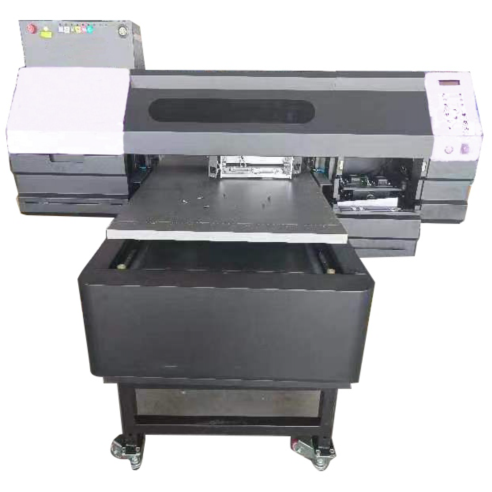
Modern printing demands have evolved beyond traditional limitations, requiring solutions that can deliver exceptional results while maintaining operational efficiency. The integration of digital inkjet technology has addressed these challenges by providing printing capabilities that were previously unattainable through conventional printing methods. This technological advancement has opened new possibilities for creative expression, commercial applications, and industrial printing requirements.
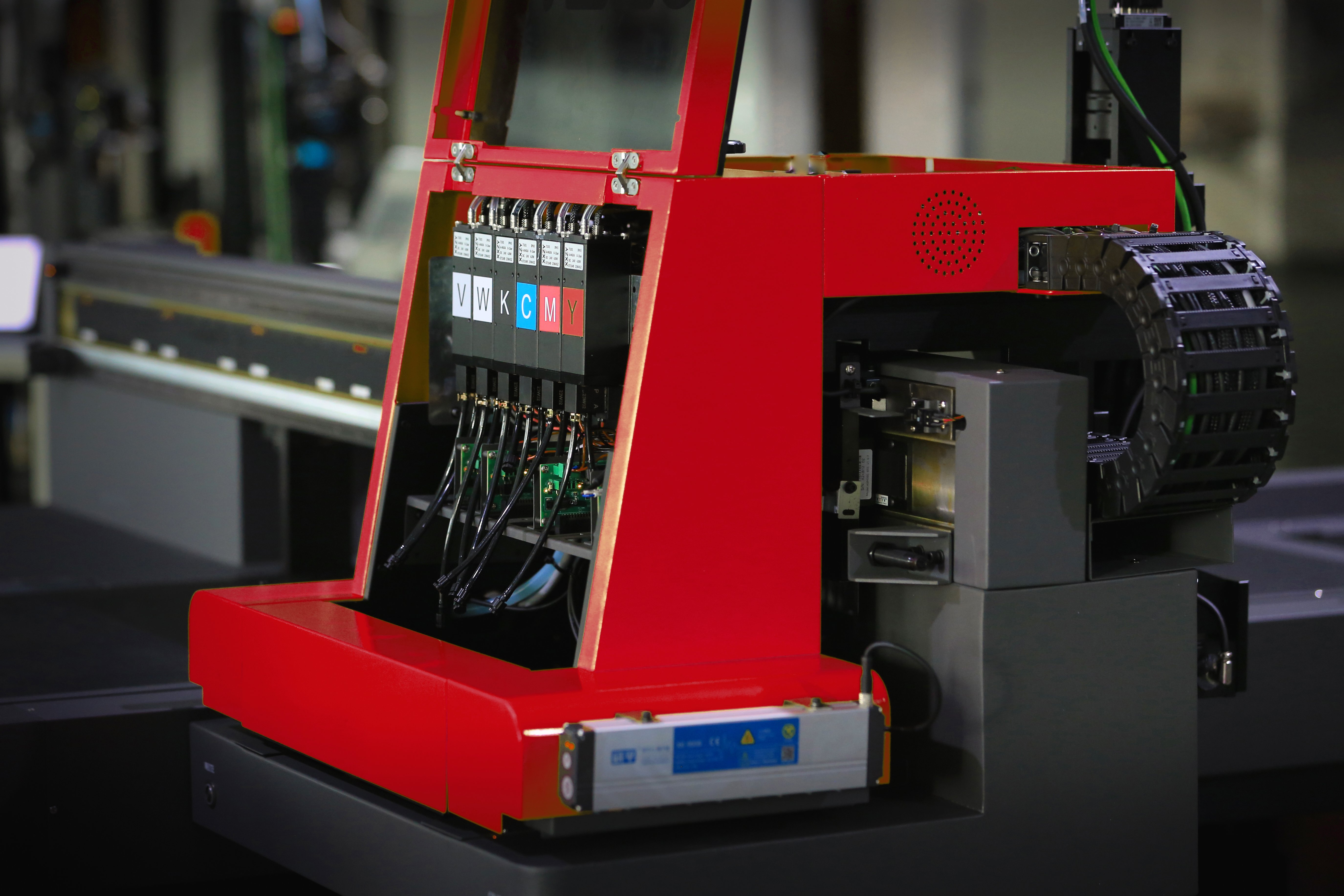
The heart of any digital inkjet printing machine lies in its sophisticated printhead technology. Modern printheads utilize piezoelectric or thermal inkjet mechanisms that enable precise droplet placement and size control. These engineering marvels can produce droplets as small as a few picoliters, ensuring exceptional detail reproduction and smooth color gradations across various printing applications.
The precision engineering of contemporary printheads allows for variable droplet sizes within the same print job, enabling optimal ink coverage for different image elements. This capability ensures that fine details receive appropriate ink volumes while solid areas maintain consistent coverage without oversaturation. The result is superior print quality that meets the exacting standards of professional printing environments.
Digital inkjet printing machines incorporate sophisticated ink delivery systems that maintain consistent color accuracy throughout extended production runs. These systems utilize advanced algorithms to monitor ink consumption, viscosity levels, and environmental factors that could affect print quality. Real-time adjustments ensure that color reproduction remains stable regardless of external conditions or printing duration.
The integration of color management technologies within these systems enables precise color matching across different substrates and printing conditions. Advanced spectrophotometric feedback systems continuously monitor printed output, making micro-adjustments to maintain color consistency. This level of automation reduces waste, minimizes reprints, and ensures that every printed piece meets established quality standards.
One of the most compelling advantages of digital inkjet printing technology is its exceptional versatility in substrate handling. Unlike traditional printing methods that require specific substrate properties, digital inkjet printing machines can accommodate an extensive range of materials including rigid panels, flexible films, textiles, ceramics, and even three-dimensional objects. This versatility enables businesses to diversify their service offerings and explore new market opportunities.
The ability to print directly onto various substrates eliminates the need for intermediate transfer processes, reducing production time and costs while maintaining superior print quality. Advanced digital inkjet printing machines can handle substrates of varying thicknesses and surface textures, adapting their printing parameters automatically to optimize results for each specific material type.
Digital inkjet printing technology excels in applications requiring customization and personalization. The digital nature of these systems allows for seamless integration with variable data printing capabilities, enabling the production of unique, personalized items without compromising production efficiency. This capability has revolutionized industries such as packaging, signage, and promotional materials.
The flexibility inherent in digital inkjet printing machines enables rapid job changeovers without the setup time and material waste associated with traditional printing methods. Operators can switch between completely different print jobs within minutes, making these systems ideal for short-run productions and just-in-time manufacturing requirements.
Digital inkjet printing machines offer significant economic advantages over traditional printing methods, particularly for short to medium-run productions. The elimination of setup costs associated with plates, screens, or other printing forms makes digital inkjet technology economically viable for smaller quantities. This cost structure enables businesses to accept orders that would be unprofitable using conventional printing methods.
The reduction in material waste achieved through digital inkjet printing contributes substantially to overall cost savings. These systems print only the required amount of ink precisely where needed, eliminating the excess ink consumption typical of traditional printing methods. Additionally, the ability to print variable data without additional setup costs enables businesses to offer premium personalization services at competitive prices.
Modern digital inkjet printing machines integrate seamlessly with existing workflow management systems, enabling automated job processing from initial design through final output. Advanced RIP software optimizes print files for specific machine configurations and substrate types, ensuring optimal quality while minimizing processing time. This automation reduces manual intervention requirements and minimizes the potential for human error.
The rapid production capabilities of digital inkjet printing technology enable businesses to meet tight deadlines while maintaining quality standards. High-speed printing combined with immediate curing or drying systems allows for same-day turnaround on many applications, providing competitive advantages in time-sensitive markets.
Contemporary digital inkjet printing machines utilize environmentally friendly ink formulations that reduce harmful emissions and environmental impact. Water-based, UV-curable, and latex inks provide excellent performance characteristics while minimizing volatile organic compound emissions. These advanced ink technologies enable businesses to meet increasingly stringent environmental regulations while maintaining superior print quality.
The precision ink delivery systems in digital inkjet printing machines minimize ink waste through accurate droplet placement and optimal coverage calculations. This efficiency reduces the environmental footprint of printing operations while simultaneously lowering operational costs. The ability to print on-demand further reduces waste by eliminating overproduction and obsolete inventory.
Digital inkjet printing machines typically consume less energy than traditional printing systems, particularly when considering the elimination of plate making, extensive setup procedures, and lengthy production runs required to achieve cost efficiency with conventional methods. LED curing systems and efficient heating technologies further reduce energy consumption while maintaining rapid production speeds.
The reduced material waste associated with digital inkjet printing contributes significantly to resource conservation efforts. The elimination of make-ready waste, the ability to print exact quantities, and the reduction in transportation requirements for finished goods all contribute to a more sustainable printing model that aligns with contemporary environmental stewardship goals.
Digital inkjet printing machines deliver exceptional color reproduction capabilities through advanced color management systems and high-resolution printing technologies. Modern systems can achieve resolutions exceeding 1440 dpi while maintaining production speeds suitable for commercial applications. This combination of resolution and speed ensures that fine details, smooth gradients, and accurate color reproduction meet the demanding requirements of professional printing applications.
The integration of advanced color profiling and calibration systems ensures consistent color reproduction across different production runs and varying environmental conditions. Automated color correction algorithms continuously monitor and adjust printing parameters to maintain color accuracy, reducing the need for manual intervention and minimizing color variation between printed pieces.
Contemporary digital inkjet printing machines incorporate comprehensive quality assurance systems that monitor print quality in real-time. Advanced camera systems and sensor technologies detect potential quality issues before they result in defective output, enabling immediate corrections and minimizing waste. These quality control systems ensure that every printed piece meets established specifications.
The digital nature of inkjet printing enables detailed job tracking and quality documentation, providing comprehensive records of printing parameters, color measurements, and quality metrics for each production run. This documentation capability supports quality management systems and enables continuous process improvement through detailed analysis of production data.
Digital inkjet printing machines offer exceptional scalability options that enable businesses to expand their capabilities as market demands evolve. Modular system designs allow for the addition of extra print heads, expanded color gamuts, or specialized ink systems without requiring complete equipment replacement. This scalability protects technology investments while enabling continuous capability enhancement.
The software-driven nature of digital inkjet printing systems enables regular updates and feature enhancements through firmware and software upgrades. These updates can introduce new capabilities, improve performance, or expand substrate compatibility, ensuring that equipment remains current with evolving technology and market requirements.
Modern digital inkjet printing machines are designed to integrate with emerging technologies such as artificial intelligence, machine learning, and Internet of Things connectivity. These integrations enable predictive maintenance, automated optimization, and remote monitoring capabilities that improve operational efficiency and reduce downtime.
The compatibility of digital inkjet printing technology with Industry 4.0 concepts positions these systems as essential components of smart manufacturing environments. Integration with enterprise resource planning systems, automated workflow management, and real-time production monitoring creates comprehensive printing solutions that meet the demands of modern manufacturing and service environments.
Digital inkjet printing machines can accommodate an extensive range of substrates including paper, cardboard, plastic films, rigid plastics, metals, glass, ceramics, textiles, wood, and composite materials. The specific substrate compatibility depends on the machine configuration and ink system, but most modern systems can handle materials ranging from thin films to rigid panels several inches thick. This versatility makes digital inkjet printing suitable for applications spanning from fine art reproduction to industrial marking and decorative printing.
Digital inkjet printing offers superior cost-effectiveness for short to medium-run applications due to the elimination of setup costs associated with plates, screens, or dies. While the per-unit cost may be higher for very large quantities compared to offset printing, the break-even point continues to increase as digital technology advances. The ability to print variable data, eliminate waste, and provide faster turnaround times often results in lower total project costs, especially when considering inventory reduction and just-in-time production benefits.
Digital inkjet printing machines require regular maintenance including printhead cleaning, ink system purging, and calibration procedures. Most modern systems feature automated maintenance routines that minimize manual intervention requirements. Typical maintenance tasks include daily printhead cleaning cycles, weekly color calibration, and periodic deep cleaning procedures. Proper maintenance scheduling ensures optimal print quality and extends equipment lifespan while minimizing unexpected downtime.
Contemporary digital inkjet printing machines can match or exceed the quality of traditional printing methods for most applications. Advanced printhead technology, high-resolution capabilities, and sophisticated color management systems enable these machines to produce exceptional detail reproduction and color accuracy. While some specialized applications may still favor traditional methods, the quality gap has largely disappeared, and digital inkjet printing often provides superior consistency and color stability across production runs.
 EN
EN
 AR
AR FR
FR DE
DE HI
HI IT
IT JA
JA KO
KO PT
PT RU
RU ES
ES IW
IW ID
ID VI
VI TH
TH TR
TR FA
FA
 Hot News