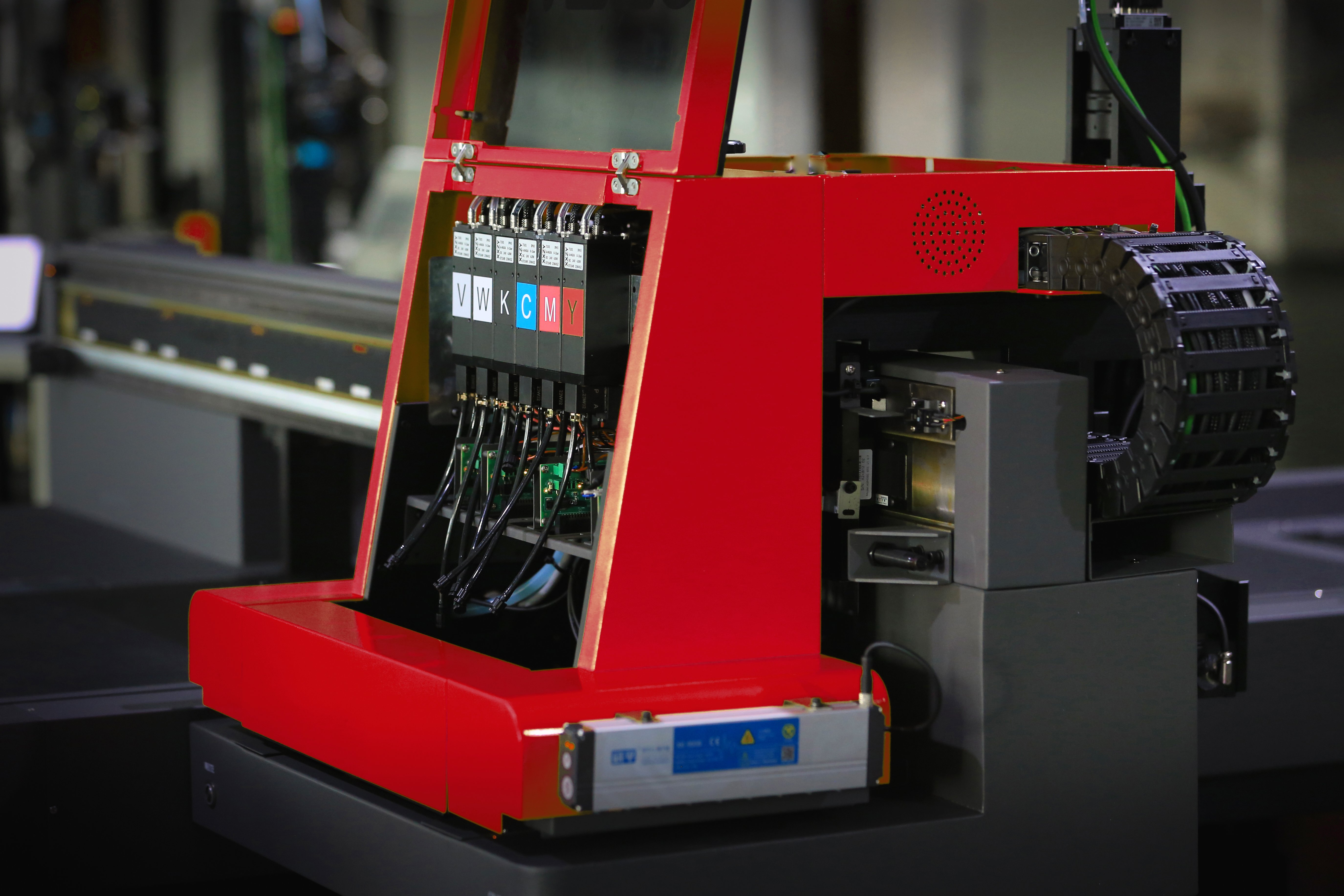
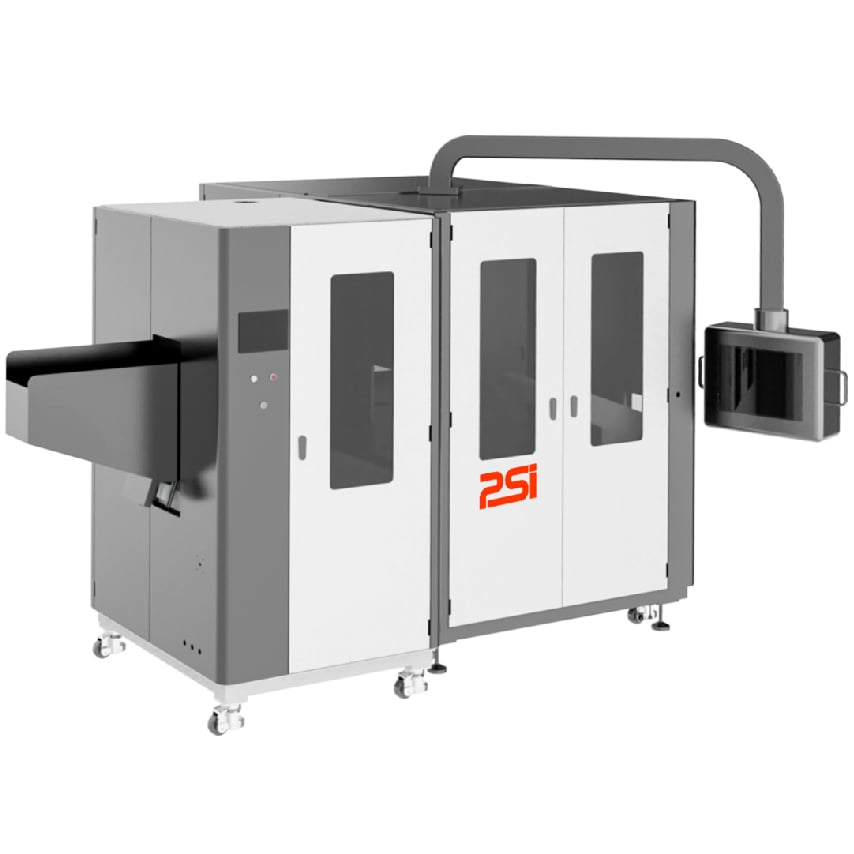
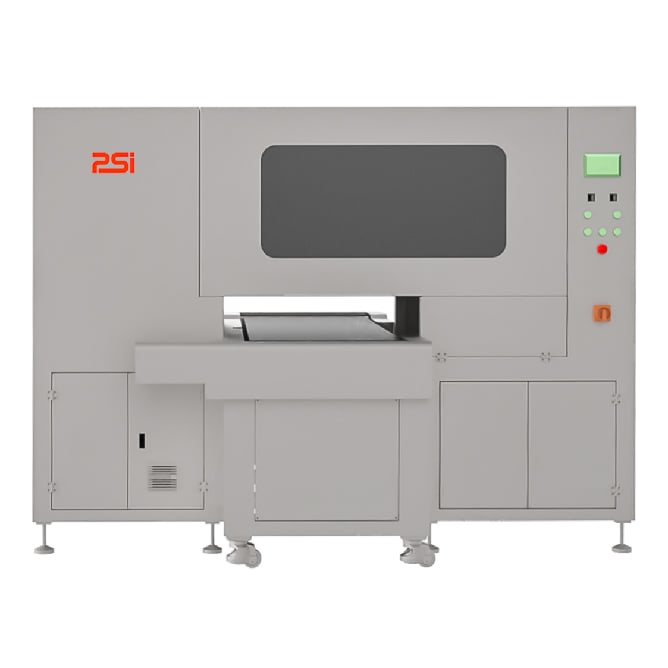
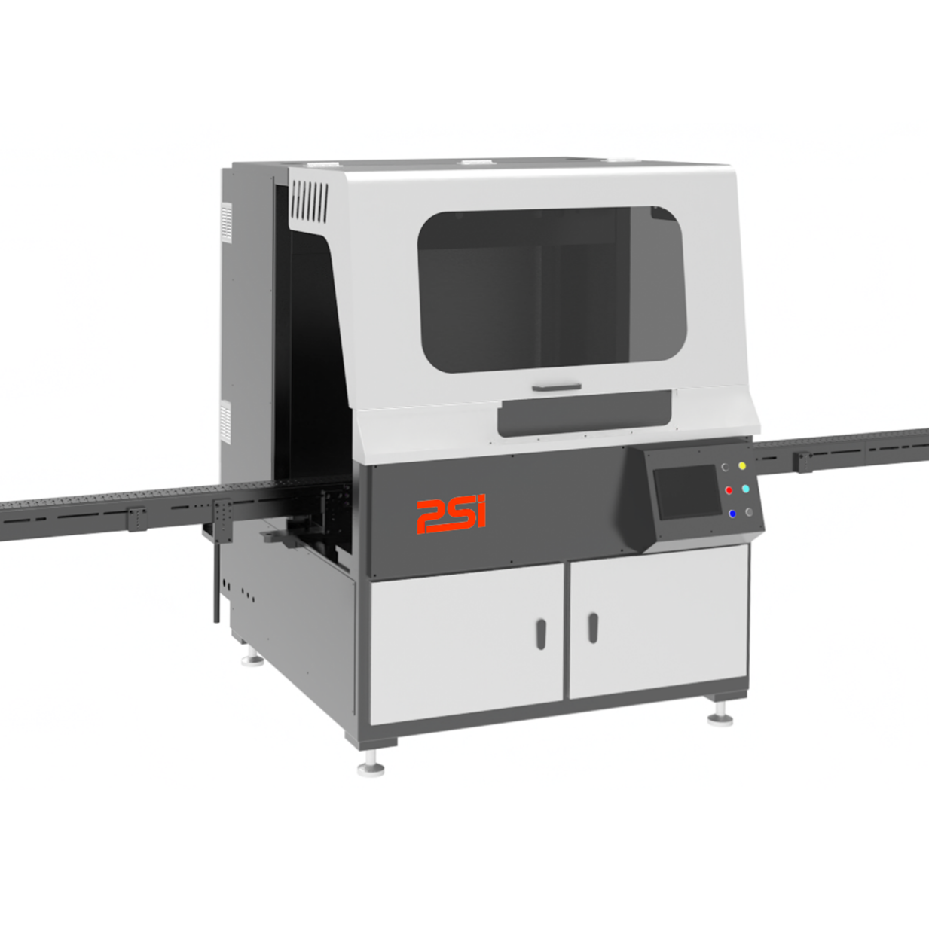
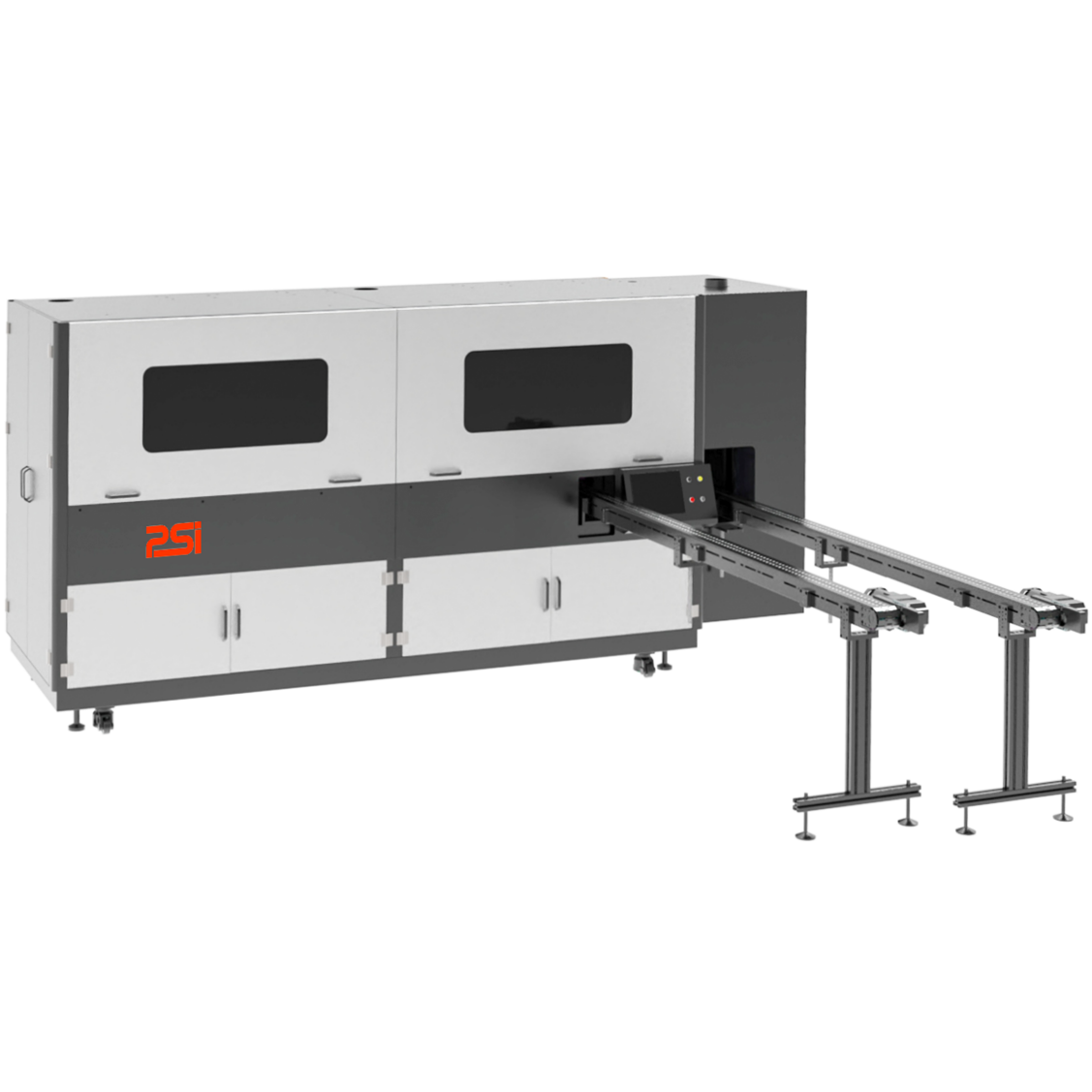
The modern manufacturing floor is undergoing a fundamental transformation, and the digital inkjet printing machine is at the center of that shift. Smart factories are no longer satisfied with rigid, analog-era production lines. They demand systems that communicate, adapt, and scale — and the digital inkjet printing machine delivers exactly that kind of operational intelligence. As Industry 4.0 principles become standard expectations rather than aspirations, integrating a digital inkjet printing machine into a connected platform has moved from optional upgrade to strategic necessity.
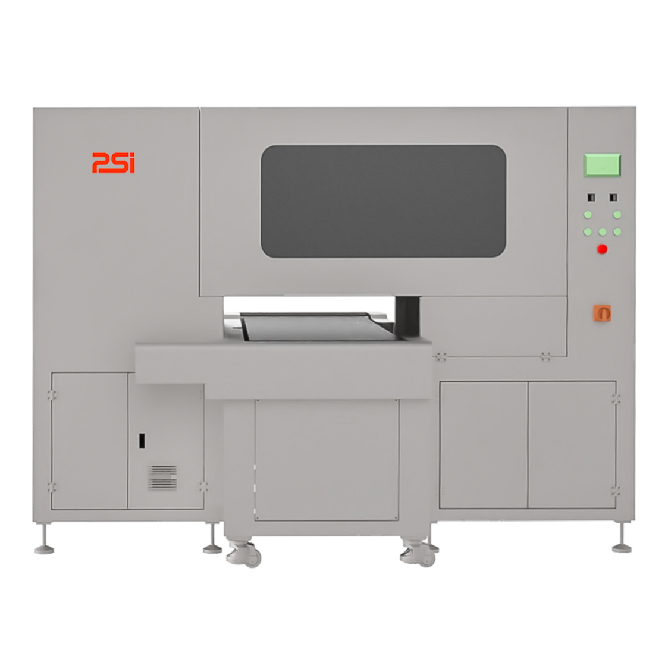
Understanding why smart factories are making this investment requires looking beyond print quality alone. A digital inkjet printing machine contributes to a broader ecosystem of sensors, software, data pipelines, and automated workflows. Each digital inkjet printing machine installed on a smart factory floor becomes a connected node that feeds real-time production data back into the central management system. This integration unlocks efficiency, traceability, and customization at a scale that legacy printing methods simply cannot match.
A smart factory operates as an interconnected network of machines, sensors, and software platforms. The digital inkjet printing machine fits naturally into this architecture because it is designed to receive digital files, respond to software commands, and report operational status without manual intervention. When a digital inkjet printing machine is linked to a manufacturing execution system, production managers can push new designs, adjust parameters, and track output in real time. This level of connectivity eliminates the downtime and errors associated with plate changes or mechanical reconfiguration.
Every digital inkjet printing machine installed in a smart facility contributes to a unified data environment. Print speeds, ink consumption, maintenance alerts, and job completion rates from each digital inkjet printing machine are logged automatically. This continuous data stream allows factory operators to optimize scheduling, predict maintenance needs, and reduce waste across every shift.
One of the defining characteristics of a smart factory is the ability to shift rapidly between production runs without sacrificing efficiency. The digital inkjet printing machine makes this possible by eliminating physical printing plates and enabling instant design changes through software. A single digital inkjet printing machine can handle short runs, personalized batches, and variable data printing within the same workflow. This agility is critical for manufacturers responding to fast-changing consumer demands, promotional campaigns, or client-specific requirements.
Smart factories in textile, packaging, and label industries particularly benefit from deploying a digital inkjet printing machine because market cycles have shortened dramatically. The digital inkjet printing machine supports on-demand production models that reduce excess inventory and storage costs while improving responsiveness to orders of any size.
Quality assurance in smart factories depends on continuous, automated inspection rather than periodic manual checks. A digital inkjet printing machine equipped with integrated vision systems can verify print accuracy at full production speed, flagging defects and logging quality data automatically. When the digital inkjet printing machine communicates these results to a central quality management platform, corrective actions can be triggered without stopping the entire production line. This closed-loop quality control process represents a significant operational advantage over conventional printing methods.
The data generated by each digital inkjet printing machine also supports broader process improvement initiatives. By analyzing historical performance data from every digital inkjet printing machine in the facility, process engineers can identify patterns that lead to waste or downtime and implement targeted improvements. Over time, this data-driven approach reduces the cost per printed unit and improves overall equipment effectiveness.
Smart factories are also driven by sustainability targets, and the digital inkjet printing machine aligns well with resource efficiency goals. Unlike screen or rotary analog printing, a digital inkjet printing machine deposits ink only where it is needed, which significantly reduces ink waste. Integrated ink management systems connected to the digital inkjet printing machine monitor consumption in real time, allowing procurement teams to manage replenishment more accurately. This precision reduces both operational costs and the environmental footprint associated with excess ink usage or chemical-heavy cleanup processes.
Scaling a conventional printing operation typically requires significant capital investment in physical tooling, plate storage, and recalibration labor. Scaling a digital inkjet printing machine platform, by contrast, is largely a software and capacity decision. Adding new designs, expanding color profiles, or increasing print resolution on a digital inkjet printing machine requires a software update or hardware module rather than a complete mechanical overhaul. Smart factories value this scalability because it allows production capacity to grow in alignment with business demand rather than in large, risky capital leaps.
Multiple digital inkjet printing machine units can also be managed from a single software interface in a smart factory environment. This centralized control means that a single operator can oversee several digital inkjet printing machine lines simultaneously, monitor their status, and respond to alerts without physically moving between stations. The result is a leaner workforce model that maintains high output without sacrificing oversight or control.
Smart factories are built with long-term adaptability in mind, and the digital inkjet printing machine is a technology that evolves alongside digital infrastructure. Firmware updates, expanded substrate compatibility, and integration with emerging enterprise resource planning systems all extend the useful life of a digital inkjet printing machine investment. Manufacturers who integrate a digital inkjet printing machine platform today are positioning themselves to adopt artificial intelligence-driven scheduling, predictive maintenance, and automated design generation as these capabilities mature. The digital inkjet printing machine is not just a production tool — it is a platform for ongoing digital transformation.
Textile manufacturing, flexible packaging, label production, and industrial marking sectors gain the most from smart factory integration of a digital inkjet printing machine. These industries require frequent design changes, short production runs, and traceability — all of which a digital inkjet printing machine handles with high efficiency.
A digital inkjet printing machine typically communicates with factory management systems through standard industrial protocols or proprietary software APIs. This connection allows the digital inkjet printing machine to receive job files, report status data, and integrate with ERP or MES platforms for end-to-end production visibility.
Yes. Modern digital inkjet printing machine platforms are engineered for high-speed, continuous-duty production. When configured within a smart factory network, a digital inkjet printing machine can maintain consistent throughput across extended shifts while automated monitoring systems ensure quality and uptime remain at target levels.
 EN
EN
 AR
AR FR
FR DE
DE HI
HI IT
IT JA
JA KO
KO PT
PT RU
RU ES
ES IW
IW ID
ID VI
VI TH
TH TR
TR FA
FA
 Hot News