Digital Inkjet Printing OEM Solutions - Advanced Manufacturing Technology for Custom Production

Contact me immediately if you encounter problems!

All Categories

digital inkjet printing oem

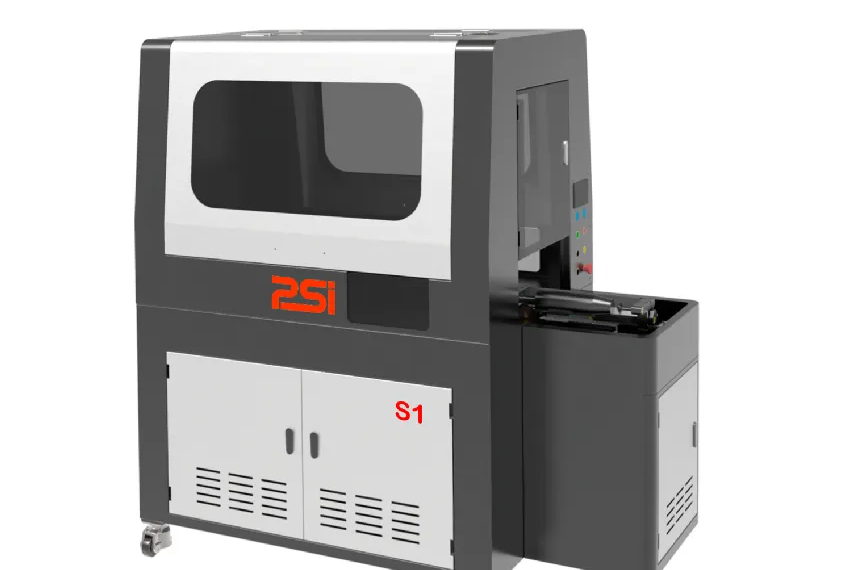
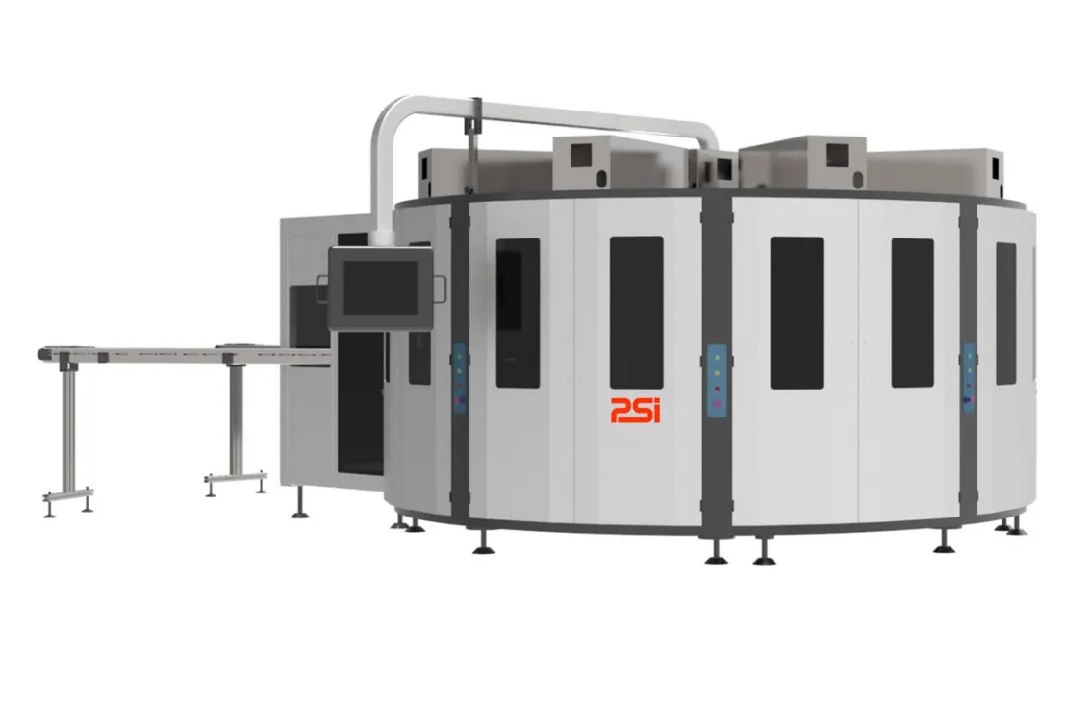
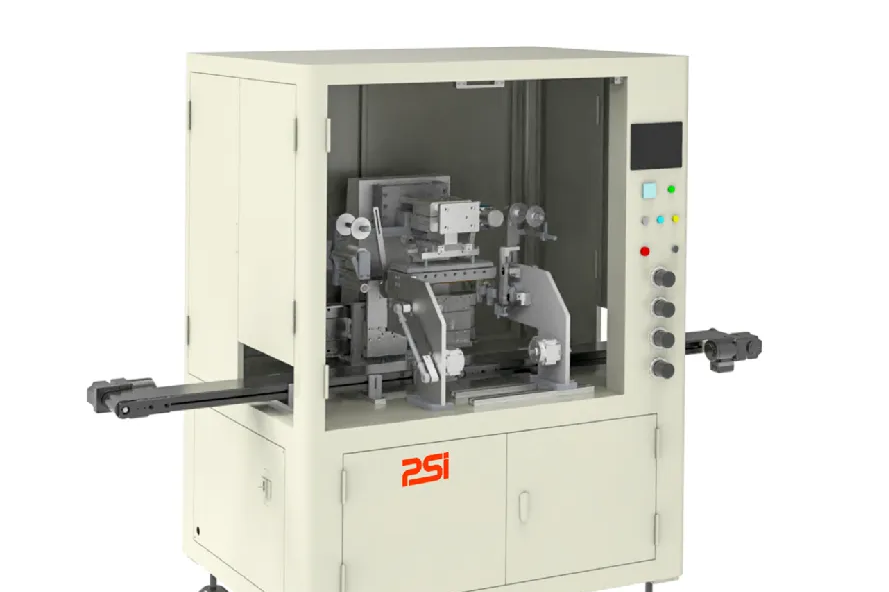
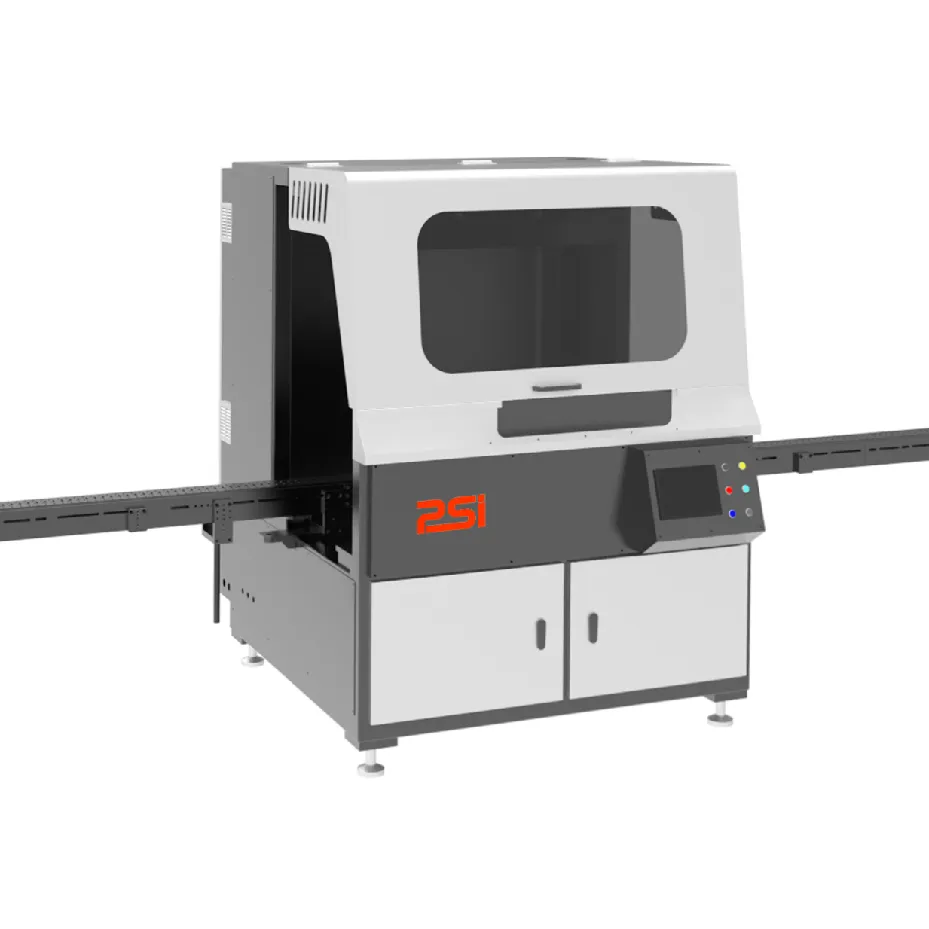
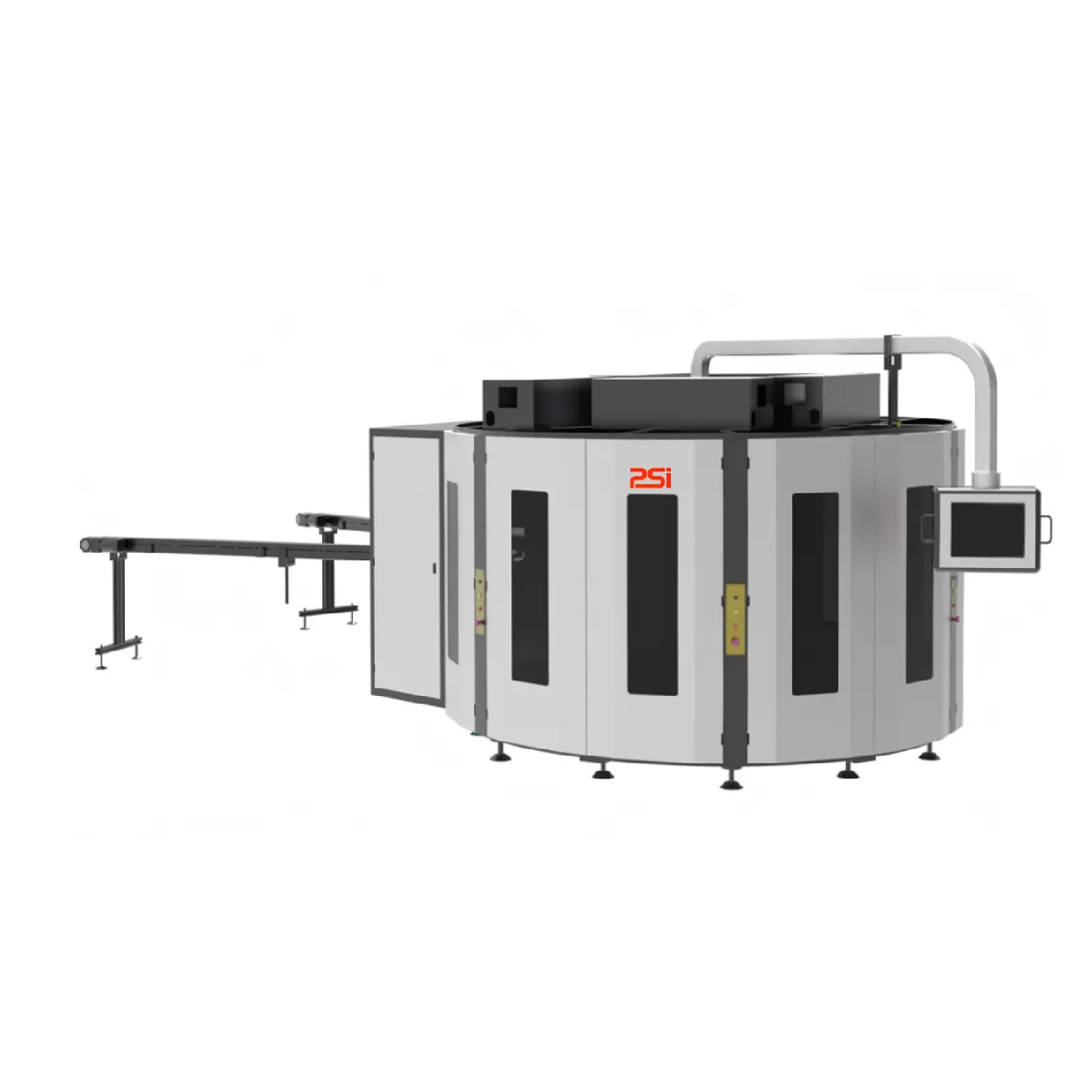
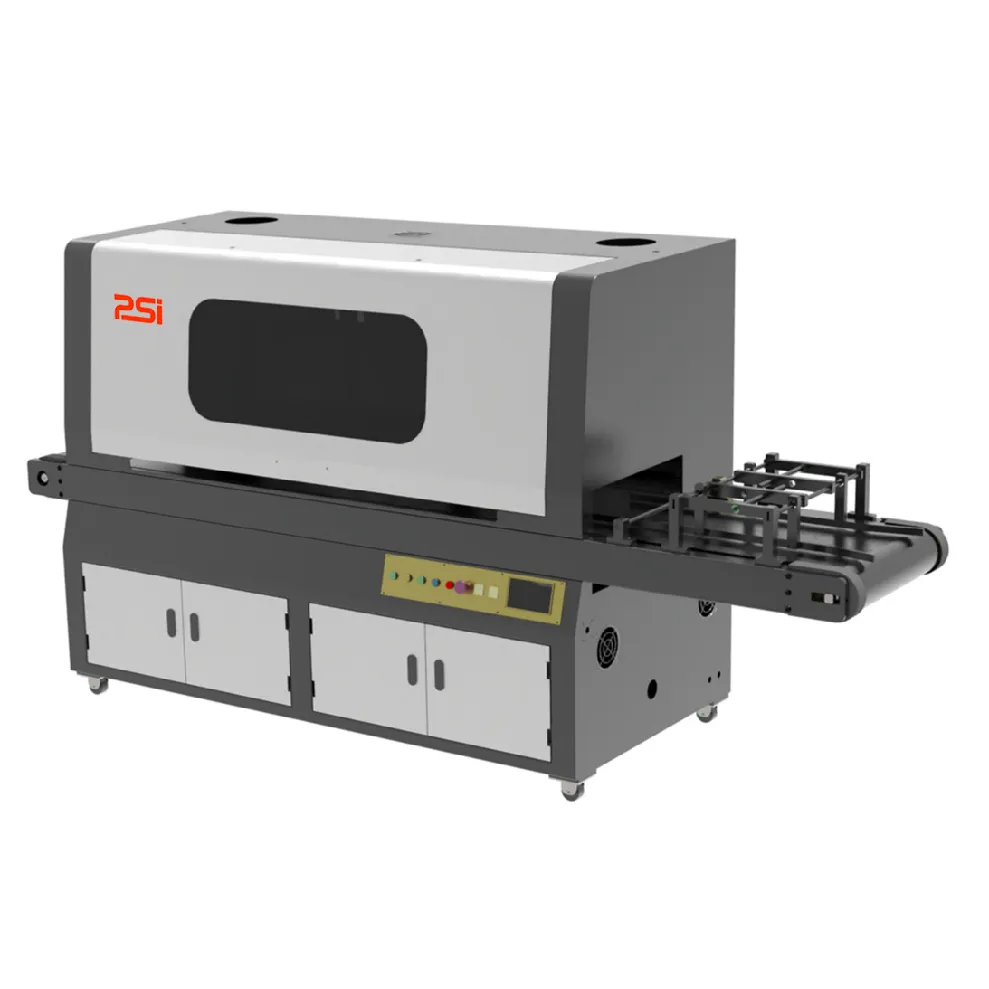
Digital inkjet printing OEM represents a revolutionary manufacturing approach that transforms how businesses handle their printing requirements across diverse industries. This technology enables original equipment manufacturers to integrate advanced inkjet printing capabilities directly into their production lines, creating seamless workflows that enhance productivity and output quality. The digital inkjet printing OEM solution combines sophisticated hardware components with intelligent software systems, delivering precision printing for applications ranging from packaging and textiles to industrial marking and commercial graphics. At its core, the digital inkjet printing OEM system utilizes microscopic droplet technology to deposit inks with exceptional accuracy onto various substrates. The main functions include variable data printing, high-resolution image reproduction, multi-color processing, and real-time quality control monitoring. These systems feature modular designs that allow manufacturers to customize configurations based on specific production needs. The technological architecture incorporates piezoelectric or thermal printheads, advanced ink delivery systems, substrate handling mechanisms, and comprehensive control software that manages every aspect of the printing process. Key technological features encompass automatic printhead maintenance, dynamic color management, substrate thickness adjustment, and integrated curing systems for specialized inks. The digital inkjet printing OEM technology supports various ink formulations including UV-curable, solvent-based, water-based, and specialty inks designed for specific applications. Applications span across packaging industries where product labeling and decorative printing require flexibility and speed. Textile manufacturers utilize digital inkjet printing OEM solutions for custom fabric printing, enabling on-demand production with minimal waste. Industrial applications include component marking, serial numbering, and traceability coding for manufacturing processes. The technology proves invaluable in signage production, architectural graphics, and promotional materials where customization and quick turnaround times are essential for business success.

New Product Recommendations

The digital inkjet printing OEM offers remarkable cost-effectiveness that transforms traditional manufacturing economics. Companies eliminate the need for expensive printing plates, screens, or dies typically required in conventional printing methods. This advantage allows businesses to produce short runs economically, making customized products financially viable. The technology reduces material waste significantly because it prints only what is needed, avoiding overproduction common in traditional printing setups. Setup times decrease dramatically with digital inkjet printing OEM systems, enabling manufacturers to switch between different designs or products within minutes rather than hours. This flexibility translates directly into increased production capacity and faster response to market demands. Quality consistency remains superior throughout production runs because digital systems maintain precise control over ink deposition and color accuracy. The digital inkjet printing OEM eliminates human error factors that often affect traditional printing processes, ensuring every printed piece meets exact specifications. Environmental benefits represent another significant advantage as these systems typically use eco-friendly inks and generate minimal chemical waste compared to conventional printing methods. Energy consumption stays lower because digital systems operate efficiently without requiring extensive warm-up periods or maintaining large inventory of printing supplies. Scalability becomes effortless with digital inkjet printing OEM technology, allowing businesses to increase production volumes without major capital investments in additional equipment. The systems integrate seamlessly with existing manufacturing workflows, connecting directly to enterprise resource planning systems for automated job scheduling and inventory management. Maintenance requirements remain minimal due to advanced self-cleaning mechanisms and predictive maintenance capabilities built into modern digital inkjet printing OEM systems. Training requirements for operators stay simplified because intuitive user interfaces eliminate complex technical procedures associated with traditional printing equipment. Real-time monitoring capabilities enable immediate quality control adjustments, preventing defective products from continuing through production cycles. The technology supports rapid prototyping and sample production, allowing businesses to test market concepts quickly before committing to large production runs, ultimately reducing business risks and improving market responsiveness.

Latest News

Enhancing Your Brand's Impact with PSI's Cutting-Edge Inkjet Digital Printing Machines

27

Sep

Enhancing Your Brand's Impact with PSI's Cutting-Edge Inkjet Digital Printing Machines

In the domain of industrial digital printing, under the commonly used terminology of the PSI Company, high-quality inkjet digital printing machines have been successfully produced and introduced to a wide range of industries. The performance of the c...
View More
PSI Cutting-Edge Digital Inkjet and Screen Printing Machines

27

Sep

PSI Cutting-Edge Digital Inkjet and Screen Printing Machines

In today's fast-paced business environment, the impact of visual communication cannot be overstated. Brands are constantly seeking ways to stand out and connect with their audience through eye-catching designs and high-quality prints. PSI, a leading ...
View More
PSI Heat Transfer Machines:  in Customized Branding Solutions

27

Sep

PSI Heat Transfer Machines: in Customized Branding Solutions

In the realm of printing and branding, PSI  stands out as a beacon of innovation and excellence. Specializing in heat transfer machines, PSI  offers a range of products that cater to various industries, from textiles to plastics, ensuring t...
View More

Get a Free Quote

Our representative will contact you soon.
Email
Name
Company Name
Message
0/1000

digital inkjet printing oem

Advanced Substrate Versatility and Material Compatibility

Advanced Substrate Versatility and Material Compatibility

The digital inkjet printing OEM excels in its remarkable ability to print on an extensive range of substrates and materials, making it an invaluable asset for diverse manufacturing environments. This versatility stems from sophisticated printhead technology and adaptive ink delivery systems that automatically adjust to different material properties. The system handles rigid substrates like metals, plastics, ceramics, and glass with the same precision as flexible materials including fabrics, films, papers, and specialized synthetic materials. This capability eliminates the need for multiple printing systems, reducing capital expenditure and simplifying production workflows. The digital inkjet printing OEM incorporates advanced substrate detection sensors that automatically identify material thickness, surface texture, and absorption characteristics, then optimize printing parameters accordingly. This intelligent adaptation ensures consistent print quality across varying material types without manual intervention. The technology supports materials ranging from ultra-thin films measuring just a few microns to thick rigid boards several millimeters deep. Surface treatment compatibility extends to coated, uncoated, porous, non-porous, smooth, and textured surfaces, providing manufacturers with unprecedented flexibility in product design and material selection. Temperature resistance capabilities allow printing on materials that will undergo subsequent heat processing, making the digital inkjet printing OEM ideal for applications requiring durability in challenging environments. The system maintains print quality integrity even when working with challenging substrates like corrugated cardboard, which typically presents surface irregularities that compromise print quality in conventional systems. Chemical resistance properties of the printed output vary based on ink selection, with specialized formulations providing excellent adhesion and durability on specific substrate types. The digital inkjet printing OEM technology accommodates substrates in various forms including sheets, rolls, continuous webs, and individual pieces, supporting both high-volume production and specialized custom applications. This material versatility directly translates to market opportunities, allowing businesses to serve multiple industries with a single printing platform while maintaining exceptional quality standards across all applications.
Real-Time Quality Control and Monitoring Systems

Real-Time Quality Control and Monitoring Systems

The digital inkjet printing OEM incorporates sophisticated quality control mechanisms that continuously monitor every aspect of the printing process, ensuring consistent output quality while minimizing waste and production delays. These integrated systems utilize high-resolution cameras, advanced sensors, and artificial intelligence algorithms to detect and correct quality issues in real-time. The monitoring technology examines print density, color accuracy, registration precision, and surface coverage continuously throughout production runs. When deviations from specified parameters are detected, the system automatically implements corrections or alerts operators to potential issues before defective products are produced. This proactive approach significantly reduces material waste and eliminates the costs associated with reprinting defective items. The digital inkjet printing OEM features predictive maintenance capabilities that analyze printhead performance, ink consumption patterns, and system component wear to predict maintenance needs before failures occur. This predictive approach minimizes unplanned downtime and extends equipment lifespan while maintaining optimal performance levels. Quality data collection and analysis provide valuable insights into production trends, helping manufacturers optimize their processes and identify opportunities for improvement. The system generates comprehensive reports documenting quality metrics, production statistics, and performance indicators that support continuous improvement initiatives. Statistical process control integration allows manufacturers to maintain tight quality tolerances while identifying process variations that might indicate emerging issues. The digital inkjet printing OEM includes automated calibration routines that maintain color consistency and print quality without operator intervention. These calibration processes run during scheduled maintenance windows or between production runs, ensuring optimal performance without disrupting production schedules. Traceability features record detailed information about each printed item, including production time, operator identity, material batch numbers, and quality measurements, supporting quality assurance and regulatory compliance requirements. The monitoring systems interface directly with enterprise resource planning software, providing real-time production status updates and quality metrics to management teams, enabling informed decision-making and rapid response to production challenges.
Seamless Integration and Workflow Optimization

Seamless Integration and Workflow Optimization

The digital inkjet printing OEM delivers exceptional integration capabilities that seamlessly connect with existing manufacturing systems, creating optimized workflows that enhance overall production efficiency. This integration extends beyond simple connectivity to encompass comprehensive data exchange, automated job management, and synchronized production scheduling. The system interfaces directly with enterprise resource planning platforms, customer relationship management systems, and manufacturing execution software through industry-standard communication protocols. This connectivity enables automatic job creation based on customer orders, eliminating manual data entry and reducing the potential for errors that can disrupt production schedules. The digital inkjet printing OEM supports multiple file formats and accepts print jobs directly from design software, web-to-print portals, and automated ordering systems. This flexibility streamlines the pre-production process and reduces lead times from order receipt to finished product delivery. Workflow automation features include intelligent job queuing that optimizes production sequences based on substrate types, ink requirements, and finishing processes. The system automatically groups similar jobs to minimize setup changes and maximize production efficiency. Real-time production monitoring provides visibility into job progress, estimated completion times, and potential bottlenecks, enabling proactive management of production resources. The digital inkjet printing OEM integrates with finishing equipment including cutting systems, laminating machines, and packaging equipment, creating complete production lines that operate with minimal manual intervention. This integration ensures smooth material flow and reduces handling requirements that can introduce quality issues or production delays. The technology supports remote monitoring and control capabilities, allowing operators to manage multiple systems from centralized locations or even off-site locations through secure internet connections. This capability proves particularly valuable for businesses operating multiple production facilities or requiring after-hours monitoring. Database integration enables automatic retrieval of customer specifications, brand guidelines, and quality requirements, ensuring consistent output that meets exact customer expectations. The system maintains detailed production logs that support quality audits, customer inquiries, and process improvement initiatives. Inventory management integration tracks ink consumption, substrate usage, and maintenance supplies, automatically generating purchase orders when inventory levels reach predetermined thresholds, ensuring continuous production capability without excessive inventory carrying costs.