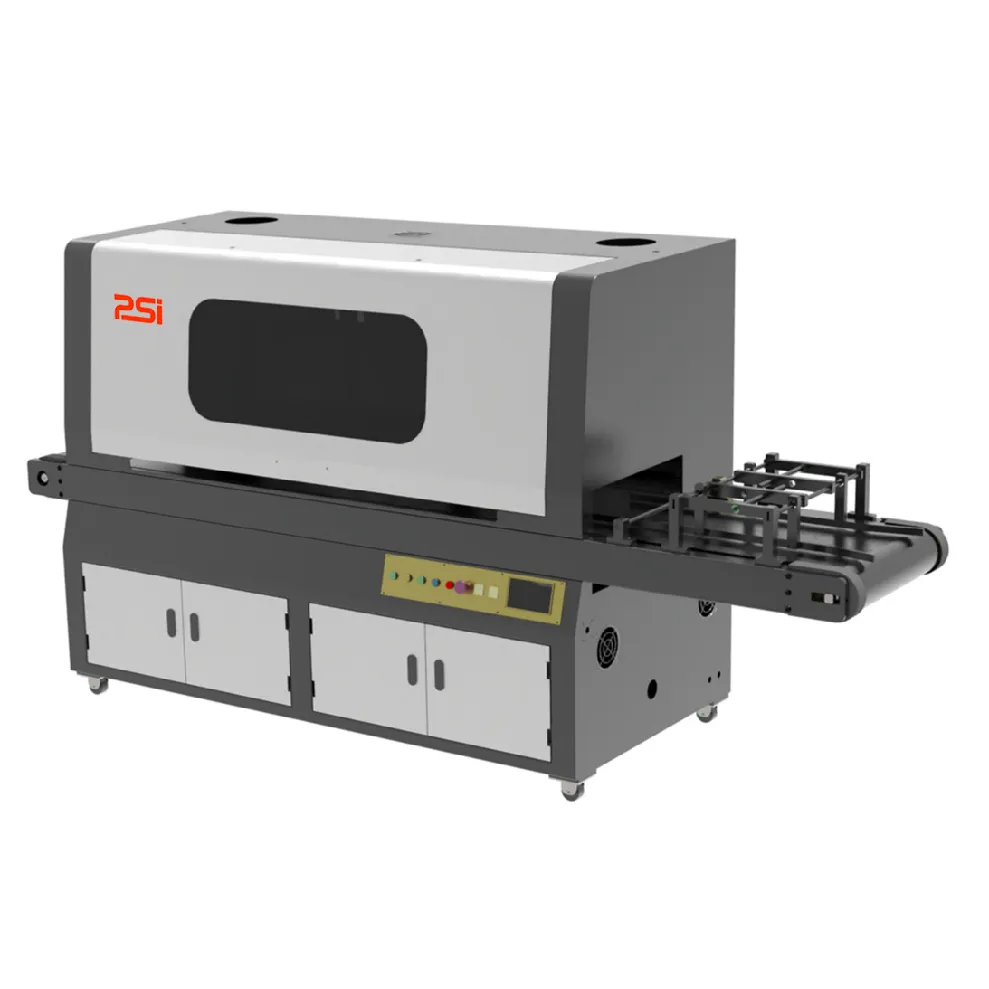
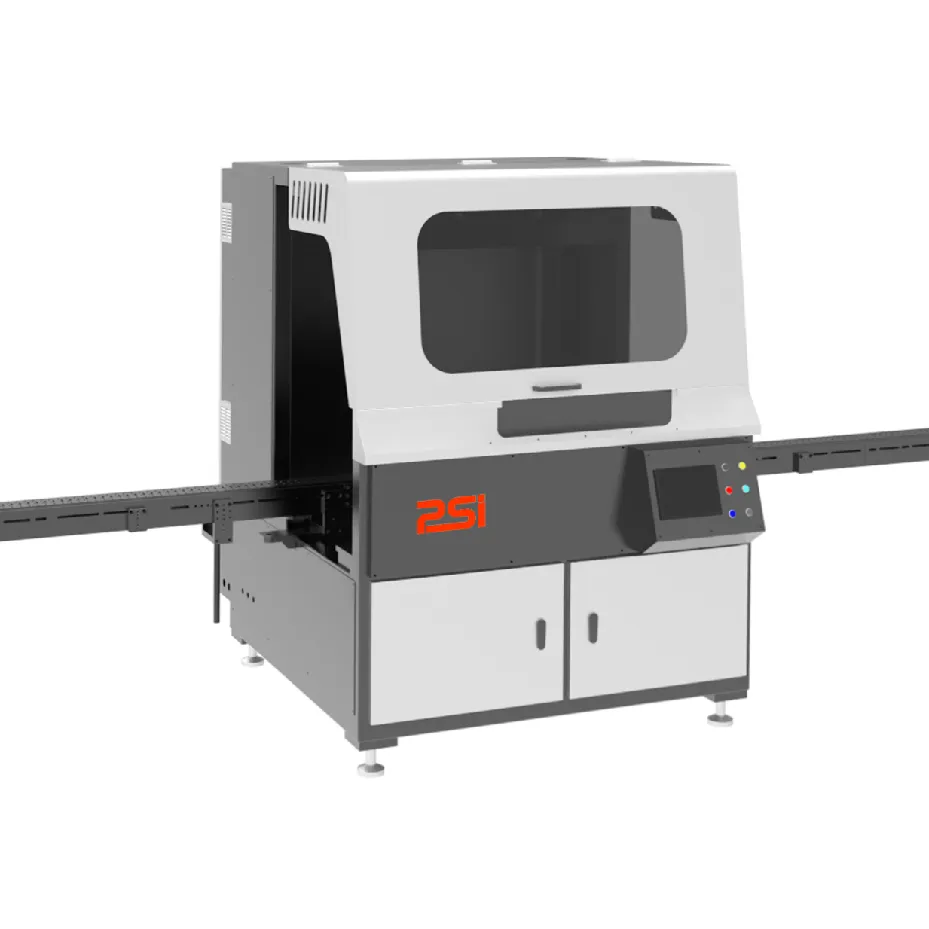
Unmatched Versatility and Substrate Compatibility
The unmatched versatility and substrate compatibility of the high speed inkjet printing machine revolutionizes production possibilities by accommodating an extraordinary range of materials and applications within a single printing platform. This remarkable adaptability stems from advanced ink delivery systems and sophisticated media handling mechanisms that automatically adjust printing parameters to optimize results for each substrate type. Unlike traditional printing systems that require dedicated setups for different materials, the high speed inkjet printing machine seamlessly transitions between paper weights, plastic films, textiles, corrugated materials, and specialty substrates without lengthy changeover procedures or specialized tooling. This versatility eliminates the need for multiple printing systems, significantly reducing equipment investment and facility space requirements while maximizing production flexibility. The substrate compatibility extends beyond simple material types to encompass varying thicknesses, surface textures, and coating characteristics. Advanced sensor systems automatically detect substrate properties and adjust ink viscosity, droplet size, and curing parameters to ensure optimal adhesion and image quality on each material. This intelligent adaptation means businesses can confidently accept diverse printing projects without concerns about material limitations or quality compromises. The machine handles everything from thin papers used in book production to thick corrugated boards for packaging applications, with thickness variations ranging from 0.1mm to over 10mm depending on the specific machine configuration. The importance of this versatility becomes evident when considering the diverse needs of modern printing operations. Commercial printers serve clients across multiple industries, each with unique substrate requirements and quality expectations. The high speed inkjet printing machine enables these businesses to serve automotive clients requiring durable synthetic substrates, publishing companies needing various paper grades, and packaging manufacturers utilizing corrugated and flexible materials, all with the same equipment investment. This capability dramatically expands market opportunities while simplifying operations and inventory management. The value proposition for potential customers extends to reduced complexity and increased profitability. Instead of maintaining multiple specialized printing systems, businesses can consolidate operations around the high speed inkjet printing machine, reducing maintenance costs, operator training requirements, and spare parts inventory. The ability to quote and produce jobs on virtually any substrate eliminates the need to decline potentially profitable work due to equipment limitations. Additionally, the quick substrate changeover capability enables efficient production scheduling, where different material types can be printed in sequence without significant downtime, maximizing equipment utilization and throughput while minimizing labor costs associated with complex setup procedures.
 EN
EN
 AR
AR FR
FR DE
DE HI
HI IT
IT JA
JA KO
KO PT
PT RU
RU ES
ES IW
IW ID
ID VI
VI TH
TH TR
TR FA
FA