Industrial Inkjet Printing Solutions: Advanced High-Speed Manufacturing Technology for Versatile Substrate Applications

Contact me immediately if you encounter problems!

All Categories

industrial inkjet printing solutions

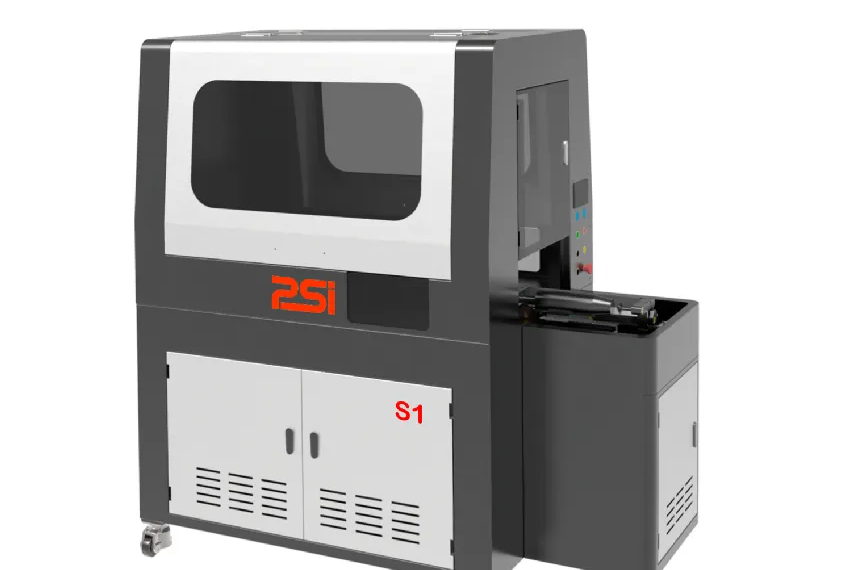
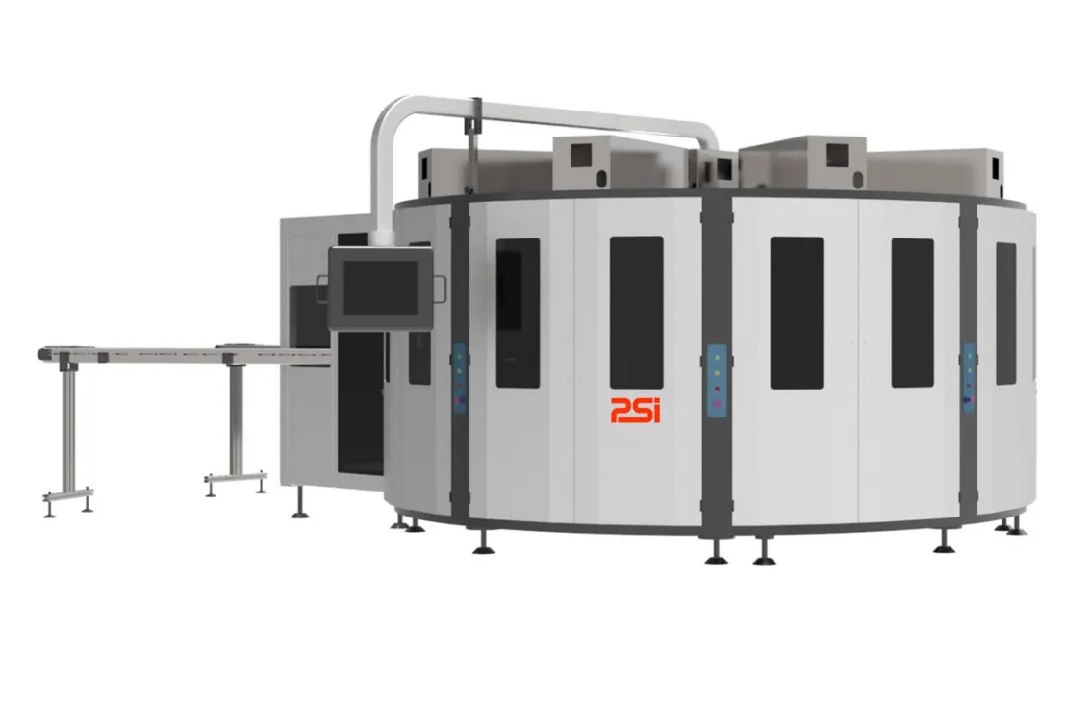
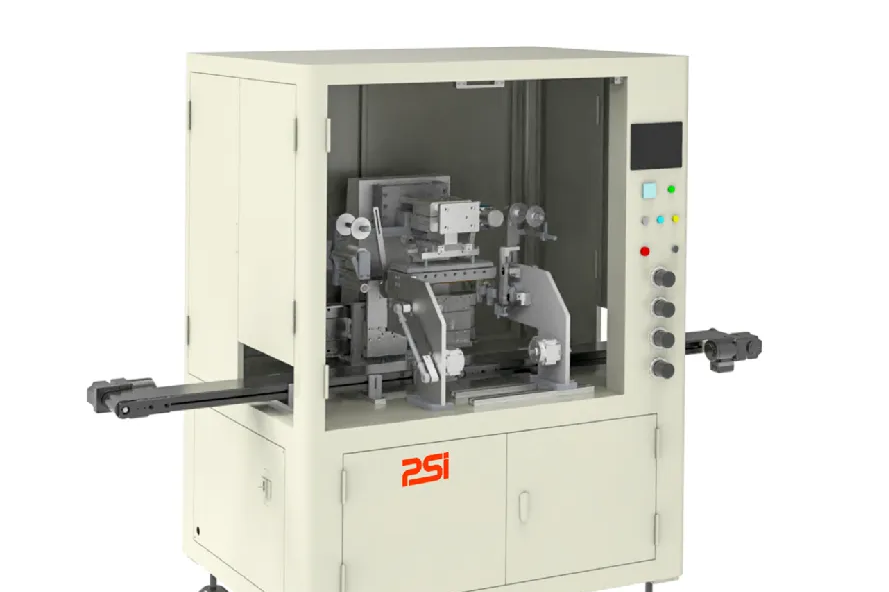
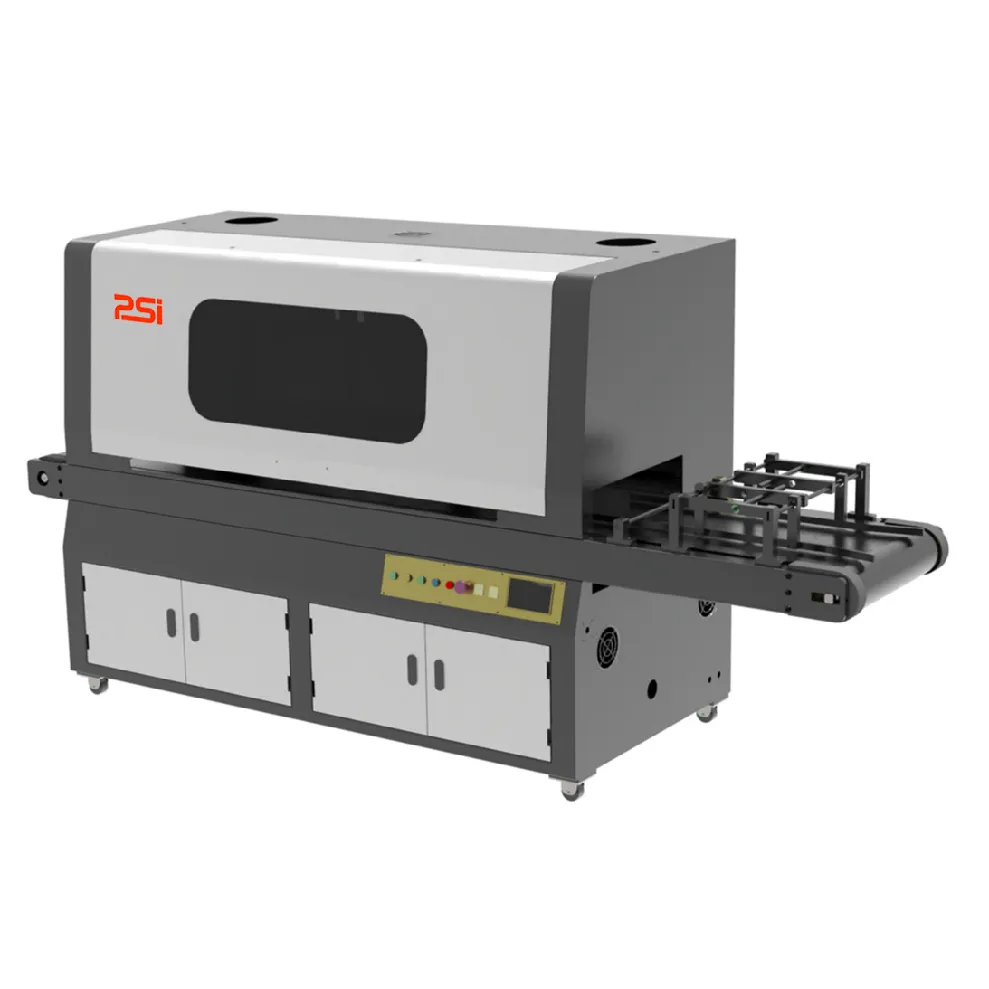
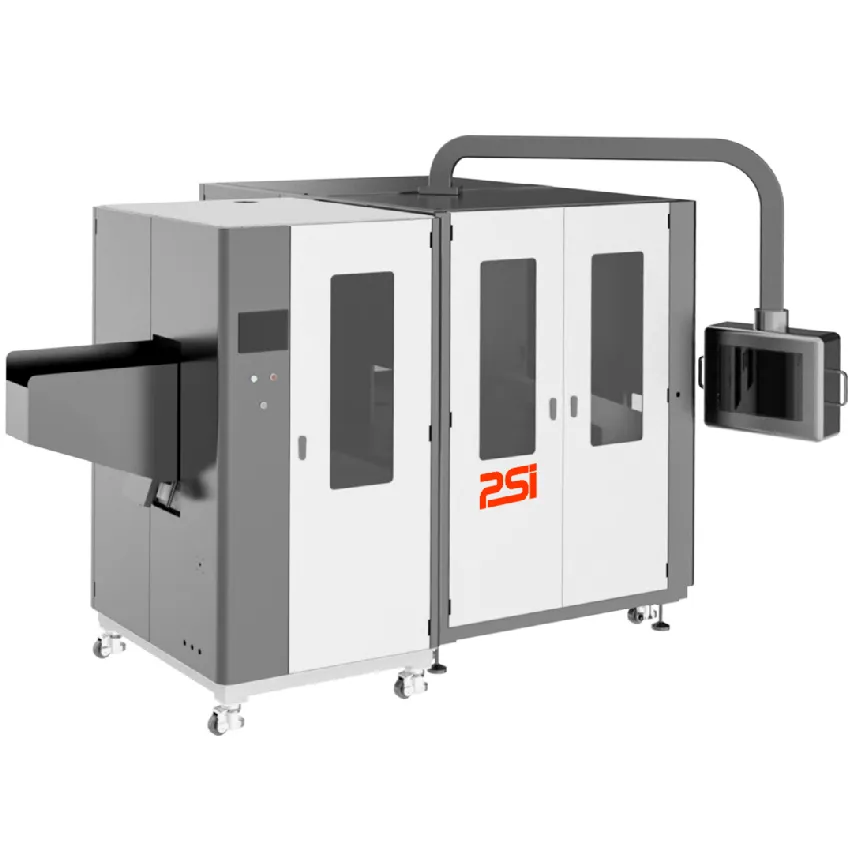
Industrial inkjet printing solutions represent a revolutionary approach to high-volume, precision printing applications across manufacturing environments. These advanced systems utilize sophisticated droplet-on-demand technology to deliver consistent, high-quality output for diverse industrial applications. Unlike traditional printing methods, industrial inkjet printing solutions offer unprecedented flexibility in substrate compatibility, enabling printing on materials ranging from textiles and ceramics to metals and plastics. The core functionality centers around precise ink droplet placement through electronically controlled nozzles, ensuring accuracy measured in microns. These systems incorporate advanced print head technology featuring hundreds or thousands of individual nozzles working simultaneously to achieve remarkable throughput rates. Key technological features include variable drop size capability, allowing operators to adjust ink volume for different print requirements. Multi-color printing capabilities enable complex graphics, barcodes, and alphanumeric content across single or multiple print passes. Real-time quality monitoring systems continuously assess print quality, automatically adjusting parameters to maintain consistency. Temperature and humidity compensation mechanisms ensure stable performance across varying environmental conditions. The modular design philosophy allows scalability from small desktop units to large-format production systems spanning several meters in width. Integration capabilities include seamless connectivity with existing production lines, ERP systems, and quality control databases. Communication protocols support industry-standard interfaces including Ethernet, USB, and proprietary industrial networks. Advanced user interfaces provide intuitive operation through touchscreen controls and remote monitoring capabilities. Maintenance features include automated cleaning cycles, ink circulation systems, and predictive maintenance algorithms. These industrial inkjet printing solutions excel in applications requiring high-speed production, variable data printing, and customization capabilities. Industries utilizing these systems include packaging, textiles, electronics, automotive, aerospace, and pharmaceutical manufacturing. The technology supports both water-based and solvent-based inks, enabling specialized applications requiring chemical resistance, UV stability, or specific adhesion properties.
Popular Products

Industrial inkjet printing solutions deliver substantial cost savings through reduced setup times and eliminated plate-making expenses associated with traditional printing methods. Unlike conventional printing processes requiring lengthy preparation phases, these systems begin production immediately upon job file loading, dramatically reducing time-to-market for new products. The elimination of physical printing plates, screens, or dies translates into significant material cost reductions and storage space savings. Operational efficiency improvements stem from the ability to switch between different print jobs without mechanical adjustments or tool changes. This flexibility enables manufacturers to respond quickly to customer demands and market fluctuations while maintaining lean inventory levels. Quality consistency represents another major advantage, as industrial inkjet printing solutions maintain uniform print quality throughout production runs without the degradation commonly experienced with traditional printing methods. Precise droplet placement ensures consistent color density, sharp text reproduction, and accurate barcode readability essential for supply chain management. The non-contact printing process eliminates substrate damage risks, particularly important when working with delicate materials or textured surfaces. Variable data printing capabilities enable mass customization, allowing manufacturers to personalize products with individual serial numbers, barcodes, addresses, or graphics without production line modifications. This personalization capability opens new revenue streams and enhances customer satisfaction through tailored product offerings. Environmental benefits include reduced chemical usage, elimination of wash-up solvents, and decreased waste generation compared to traditional printing methods. Many industrial inkjet printing solutions utilize water-based inks, reducing volatile organic compound emissions and supporting corporate sustainability initiatives. Energy consumption remains lower due to the absence of heating elements required for traditional printing processes. Maintenance requirements are minimal compared to complex mechanical printing systems, reducing downtime and associated labor costs. Automated cleaning cycles and predictive maintenance capabilities further enhance operational reliability. Scalability advantages allow businesses to start with smaller systems and expand capacity as demands increase, providing financial flexibility during growth phases. Remote monitoring capabilities enable proactive maintenance scheduling and real-time production oversight, reducing the need for dedicated on-site technical staff. Integration simplicity allows seamless incorporation into existing production workflows without extensive infrastructure modifications.

Tips And Tricks

Enhancing Your Brand's Impact with PSI's Cutting-Edge Inkjet Digital Printing Machines

27

Sep

Enhancing Your Brand's Impact with PSI's Cutting-Edge Inkjet Digital Printing Machines

In the domain of industrial digital printing, under the commonly used terminology of the PSI Company, high-quality inkjet digital printing machines have been successfully produced and introduced to a wide range of industries. The performance of the c...
View More
PSI Cutting-Edge Digital Inkjet and Screen Printing Machines

27

Sep

PSI Cutting-Edge Digital Inkjet and Screen Printing Machines

In today's fast-paced business environment, the impact of visual communication cannot be overstated. Brands are constantly seeking ways to stand out and connect with their audience through eye-catching designs and high-quality prints. PSI, a leading ...
View More
PSI Heat Transfer Machines:  in Customized Branding Solutions

27

Sep

PSI Heat Transfer Machines: in Customized Branding Solutions

In the realm of printing and branding, PSI  stands out as a beacon of innovation and excellence. Specializing in heat transfer machines, PSI  offers a range of products that cater to various industries, from textiles to plastics, ensuring t...
View More

Get a Free Quote

Our representative will contact you soon.
Email
Name
Company Name
Message
0/1000

industrial inkjet printing solutions

Unmatched Versatility Across Substrates and Applications

Unmatched Versatility Across Substrates and Applications

Industrial inkjet printing solutions demonstrate exceptional versatility by accommodating an extensive range of substrate materials and printing applications that would challenge or prove impossible for traditional printing methods. This adaptability stems from the non-contact printing principle, which eliminates the mechanical pressure and physical contact requirements that limit conventional printing technologies. The systems excel on porous materials like paper, cardboard, and textiles, while simultaneously handling non-porous surfaces including metals, plastics, ceramics, and glass with equal proficiency. This substrate flexibility extends to three-dimensional objects and irregular surfaces that would be impractical for traditional flat-bed printing processes. The technology supports printing on materials with varying thicknesses, from thin films measuring micrometers to thick substrates several centimeters deep. Temperature-sensitive materials benefit significantly from the cold printing process, as industrial inkjet printing solutions require no heat during the printing operation, preventing thermal damage or distortion. The ink formulation options further expand application possibilities, with specialized inks designed for specific performance requirements. UV-curable inks provide instant drying and superior adhesion on challenging substrates, while solvent-based inks offer chemical resistance for harsh industrial environments. Water-based inks support food-safe applications and environmentally conscious manufacturing processes. Conductive inks enable printed electronics applications, opening possibilities for circuit printing and sensor manufacturing. The ability to print multiple colors simultaneously or in sequential passes allows for complex graphics, detailed logos, and sophisticated coding systems. This versatility translates into practical benefits for manufacturers seeking to consolidate printing requirements across multiple product lines or materials. A single industrial inkjet printing solution can replace several specialized printing systems, reducing equipment costs, maintenance complexity, and operator training requirements. The flexibility to switch between different substrates and ink types without mechanical modifications enables rapid response to changing market demands and customer specifications.
Advanced Precision and Quality Control Systems

Advanced Precision and Quality Control Systems

The precision capabilities of industrial inkjet printing solutions set new standards for manufacturing quality control through sophisticated droplet placement technology and real-time monitoring systems. These systems achieve positioning accuracy measured in microns, ensuring consistent print quality that meets or exceeds the most demanding industrial specifications. The advanced print head technology incorporates individually controlled nozzles, each capable of firing droplets at frequencies exceeding 50,000 hertz, enabling rapid coverage while maintaining precise placement. Drop size variability allows operators to optimize print quality for specific applications, from fine text requiring small droplets to solid area coverage benefiting from larger drop volumes. The closed-loop quality control system continuously monitors print performance through integrated sensors and vision systems that detect print defects in real-time. These monitoring capabilities identify issues such as missing nozzles, color variations, or placement errors immediately, triggering automatic corrections or alerting operators before defective products advance through the production line. The quality control systems extend beyond simple defect detection to include comprehensive print analysis, measuring parameters such as optical density, color accuracy, and dimensional precision. Statistical process control integration allows manufacturers to track quality trends over time, identifying potential issues before they impact production quality. The precision control systems compensate for environmental variables including temperature fluctuations, humidity changes, and substrate variations that could affect print quality. Automatic calibration routines ensure consistent performance across extended production runs, while predictive algorithms anticipate and correct for gradual performance changes. The combination of precision hardware and intelligent software creates a printing solution that adapts to changing conditions while maintaining consistent output quality. This precision and quality control capability proves particularly valuable in applications requiring regulatory compliance, such as pharmaceutical labeling, medical device marking, or aerospace component identification. The documented quality control data supports traceability requirements and quality certifications essential for regulated industries.
Exceptional Speed and Production Efficiency

Exceptional Speed and Production Efficiency

Industrial inkjet printing solutions deliver unprecedented production speeds and operational efficiency through advanced engineering design and optimized printing algorithms that maximize throughput while maintaining quality standards. Modern systems achieve print speeds exceeding several hundred meters per minute, dramatically outpacing traditional printing methods that require mechanical contact or complex setup procedures. The high-speed capability stems from the simultaneous operation of multiple print heads working in parallel, creating wide printing swaths that cover large areas in single passes. This parallel processing approach eliminates the multiple pass requirements common in conventional printing systems, reducing production time and increasing line efficiency. The instant-start capability represents a significant efficiency advantage, as industrial inkjet printing solutions begin full production immediately upon activation without warm-up periods or mechanical adjustments. This responsiveness enables just-in-time manufacturing approaches and rapid response to urgent production requirements. The continuous printing capability allows uninterrupted operation for extended periods, supporting high-volume production environments where downtime directly impacts profitability. Advanced ink management systems ensure consistent supply to all print heads, preventing interruptions due to ink starvation or supply irregularities. The systems incorporate intelligent job queuing and automatic file processing that eliminates manual intervention between print jobs, allowing continuous production across multiple product variations. Variable data processing capabilities enable high-speed personalization without reducing overall production throughput, supporting mass customization requirements efficiently. The efficiency extends beyond raw speed to include reduced waste generation through precise ink placement that eliminates overspray and minimizes consumption. Setup time reduction becomes particularly significant in short-run applications where traditional printing methods spend more time in preparation than actual production. The combination of high speed, instant setup, and continuous operation capability enables manufacturers to achieve production targets that would require multiple traditional printing systems. This efficiency translates into reduced labor requirements, lower operational costs, and improved return on investment for manufacturing operations seeking to optimize productivity while maintaining quality standards.