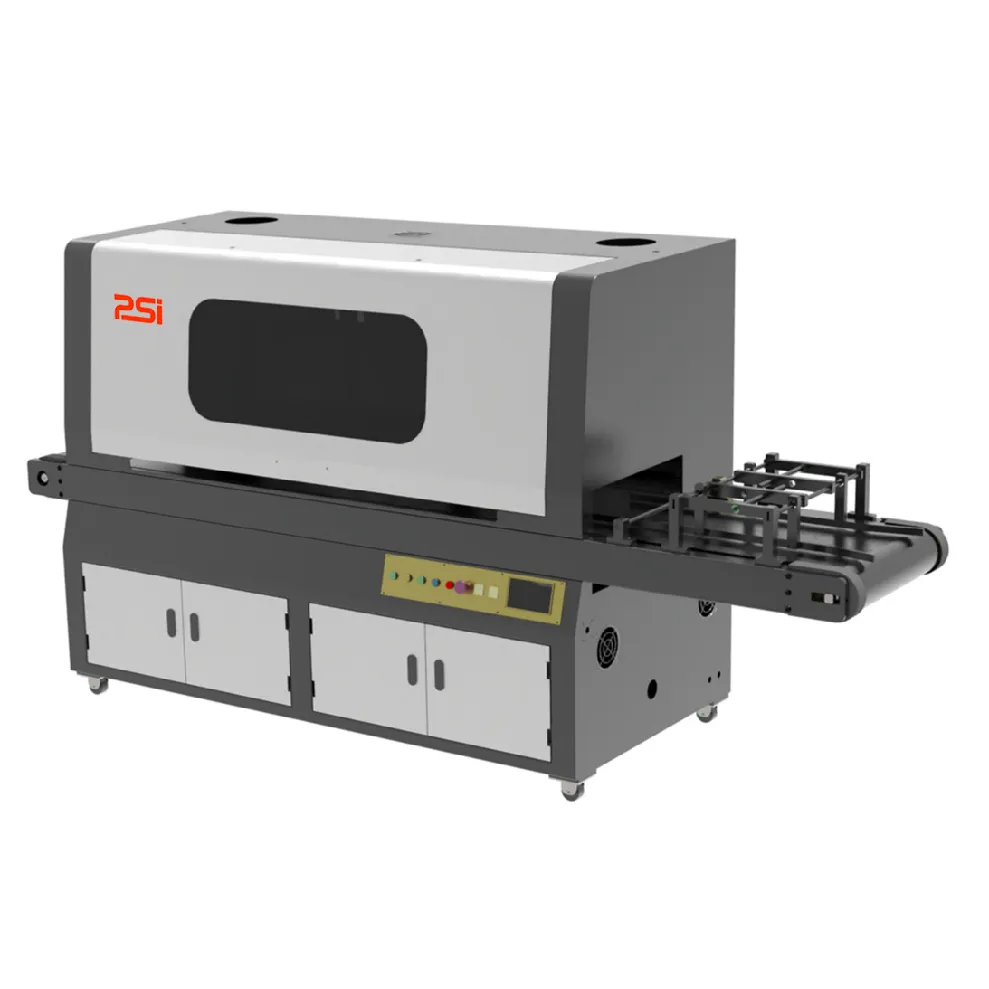
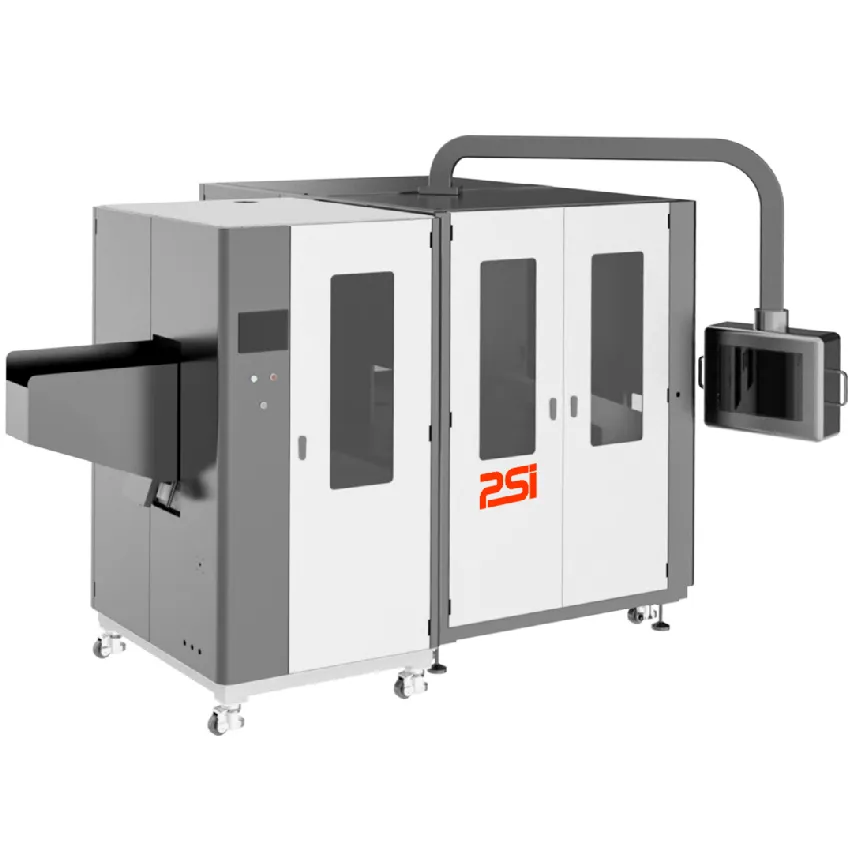
Unmatched Versatility and Substrate Compatibility
The newest digital inkjet printing machine demonstrates unmatched versatility through its ability to handle an extraordinary range of substrates and applications without requiring specialized equipment modifications or extensive operator retraining. This remarkable flexibility stems from intelligent substrate detection systems that automatically adjust printing parameters based on material characteristics, thickness, and surface properties. The machine seamlessly transitions between printing on standard office paper, heavyweight cardboard, fabric materials, plastic films, metallic substrates, and specialty media without manual intervention or complex setup procedures. Advanced substrate handling mechanisms accommodate materials ranging from ultra-thin films to rigid boards up to several centimeters thick, expanding application possibilities far beyond conventional printing limitations. The newest digital inkjet printing machine excels in textile applications, producing vibrant prints on cotton, polyester, silk, and synthetic blends with excellent wash fastness and color retention. Its compatibility extends to industrial applications including circuit board printing, ceramic decoration, and architectural glass marking, demonstrating versatility that eliminates the need for multiple specialized printing systems. Packaging applications benefit tremendously from this versatility, enabling direct printing on corrugated cardboard, flexible packaging films, and rigid containers without additional processing steps. The system handles roll-fed and sheet-fed materials interchangeably, accommodating various production requirements within a single platform. Substrate compatibility includes porous and non-porous surfaces, allowing printing on materials traditionally considered unsuitable for inkjet technology. This versatility translates directly into business advantages, enabling service providers to accept diverse job types without investment in additional equipment or outsourcing requirements. The newest digital inkjet printing machine supports variable substrate widths up to maximum capacity, optimizing material usage and reducing waste through intelligent nesting algorithms that arrange print jobs efficiently across available substrate area.
 EN
EN
 AR
AR FR
FR DE
DE HI
HI IT
IT JA
JA KO
KO PT
PT RU
RU ES
ES IW
IW ID
ID VI
VI TH
TH TR
TR FA
FA