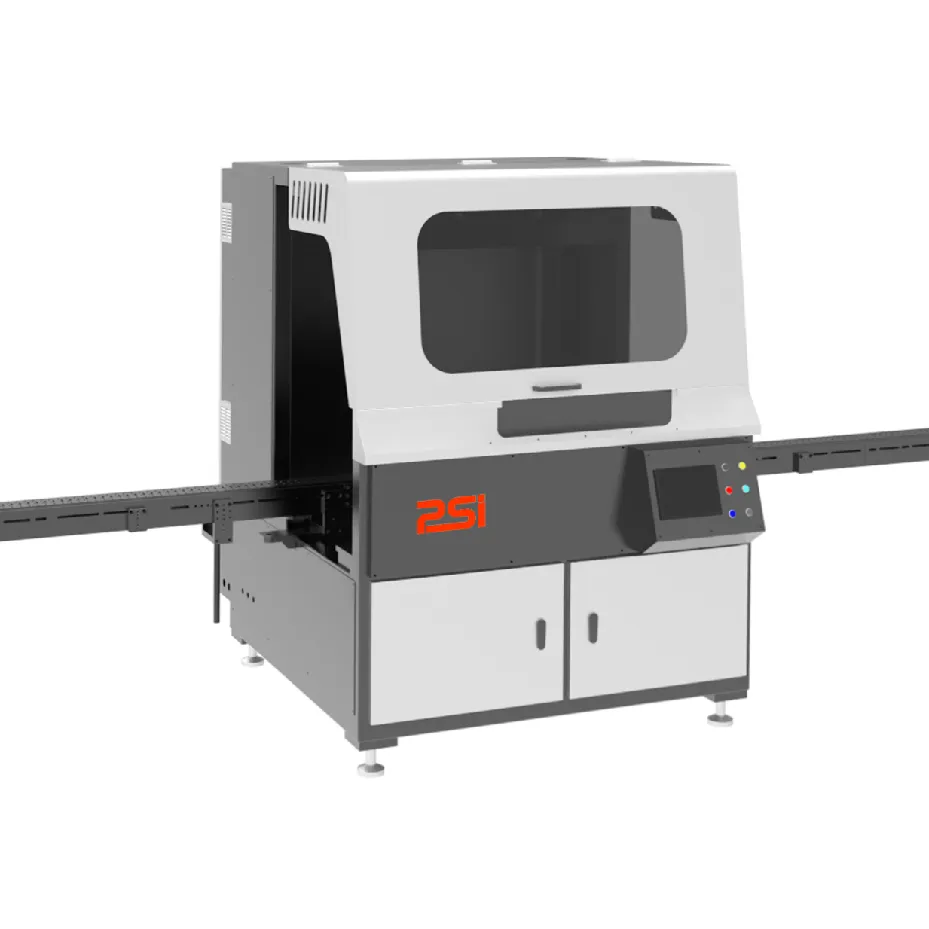
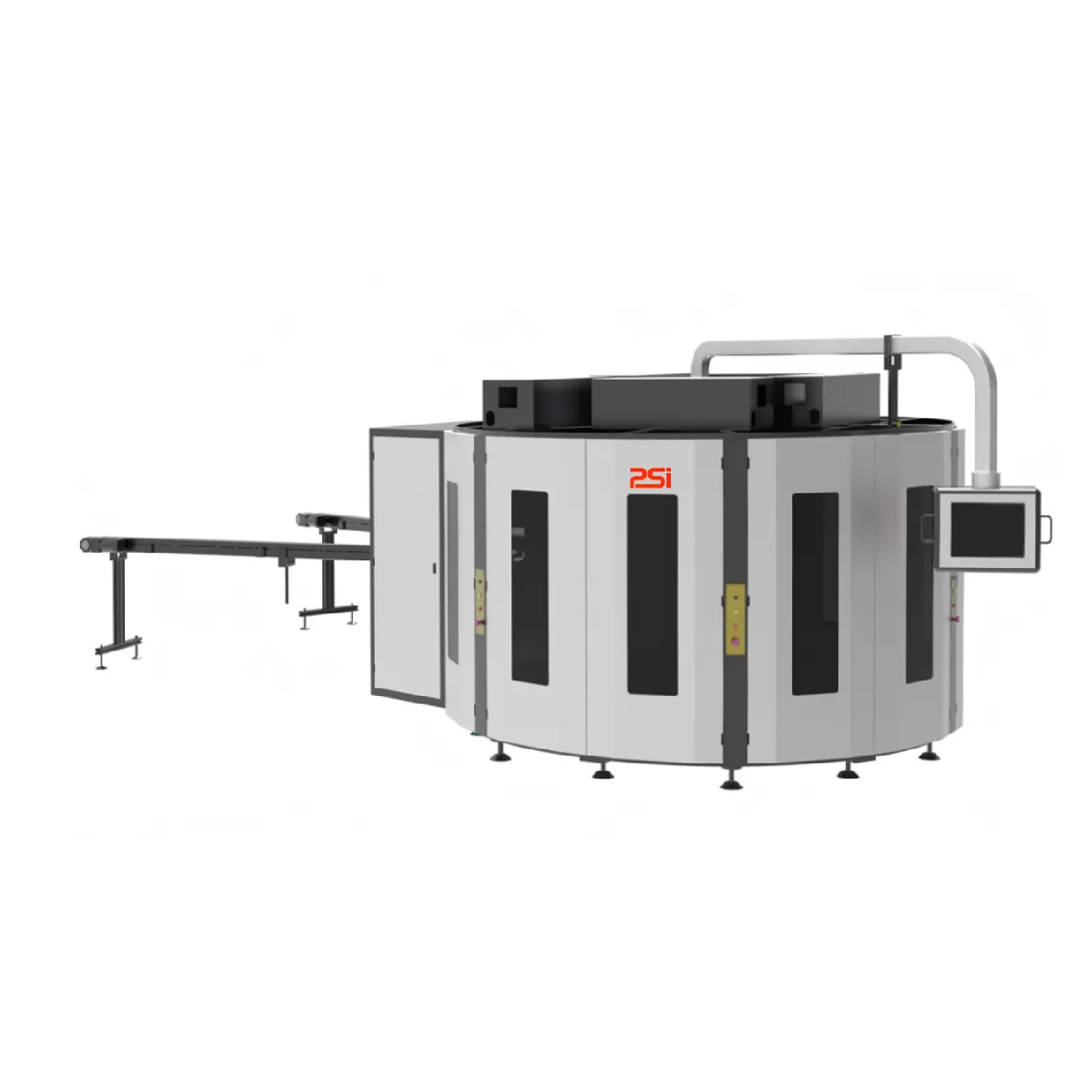
High-Performance Rotary Screen Printer - Advanced Industrial Printing Solutions for Maximum Efficiency

Contact me immediately if you encounter problems!

All Categories

rotary screen printer

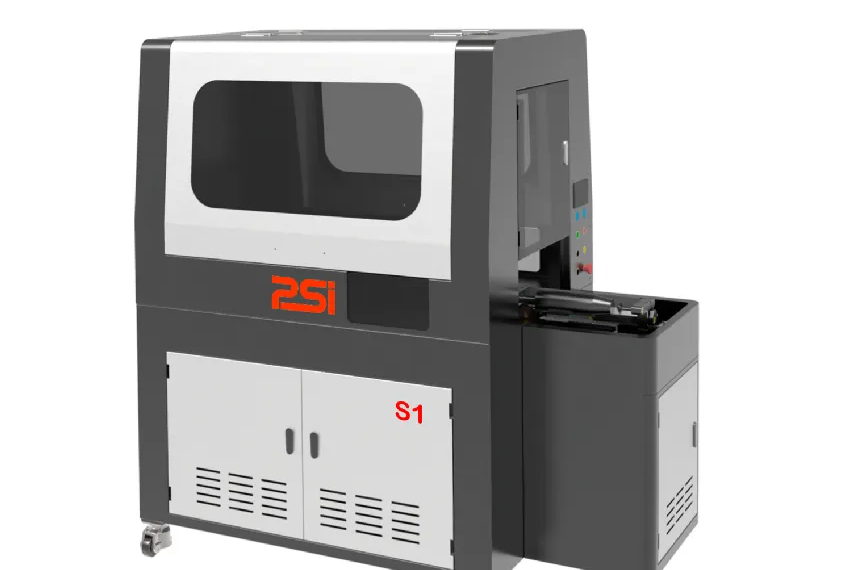
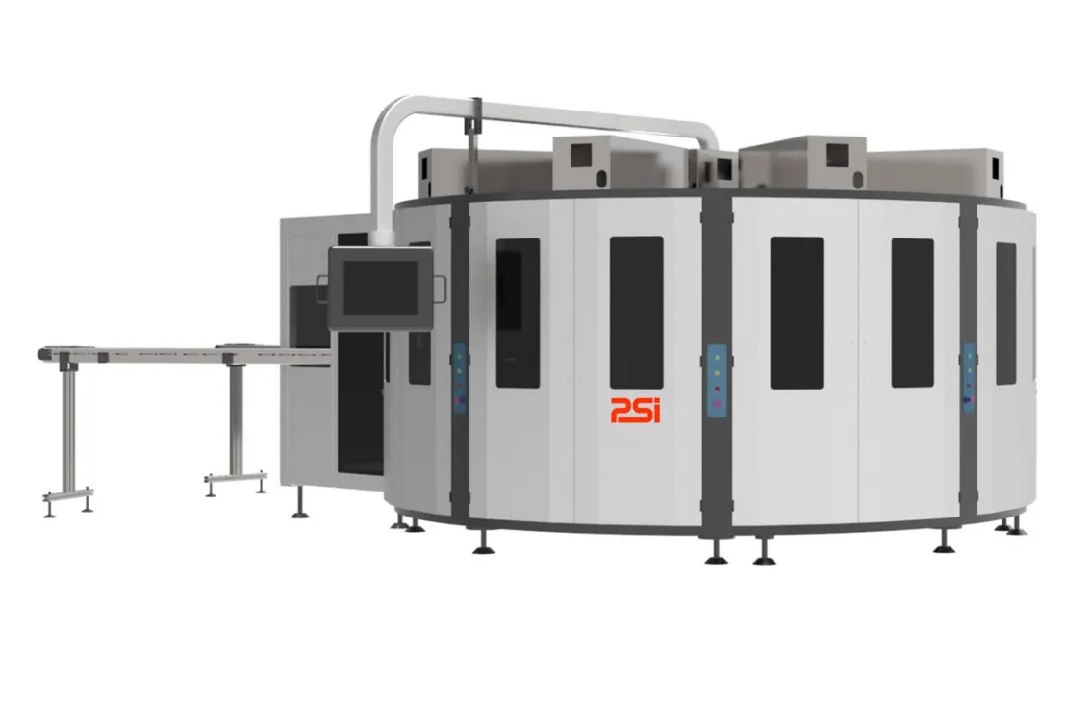
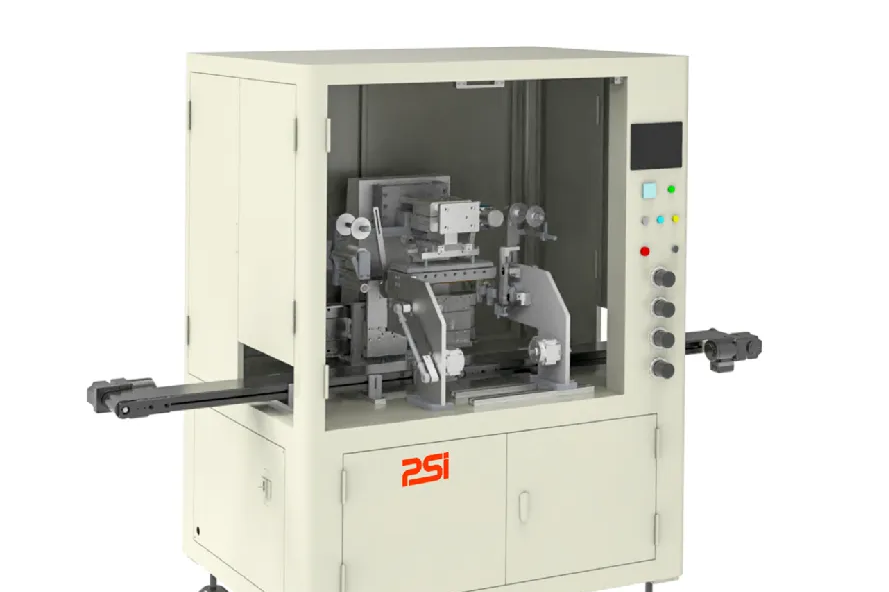
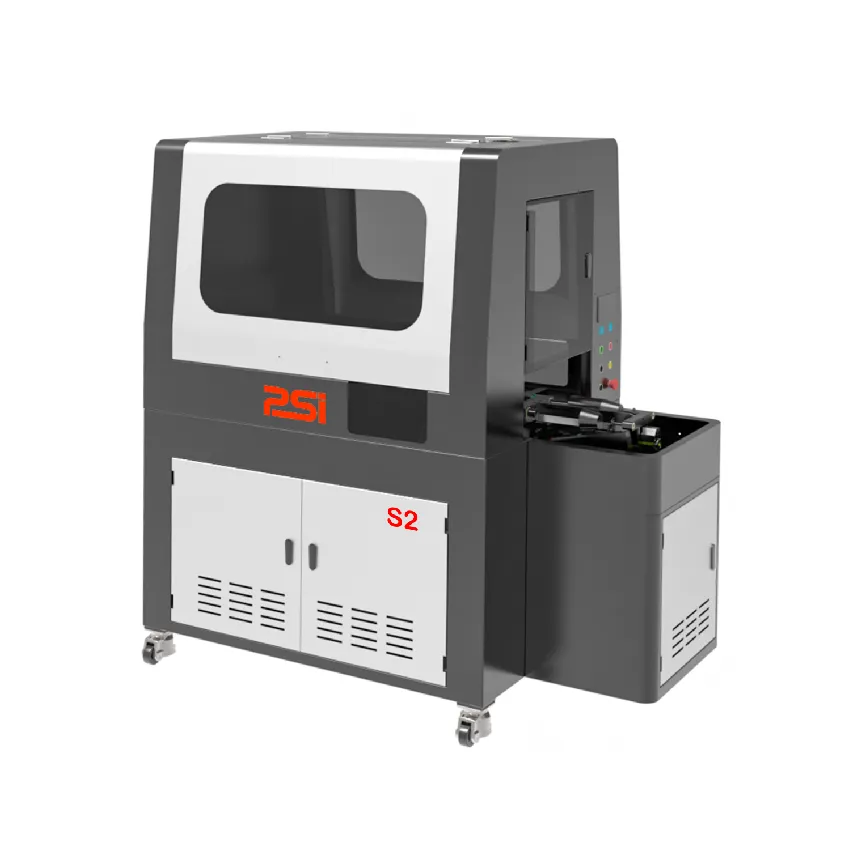
The rotary screen printer represents a sophisticated industrial printing solution designed to deliver high-quality, consistent results across diverse manufacturing applications. This advanced printing system utilizes a cylindrical screen mechanism that rotates continuously, enabling precise ink transfer onto various substrates with exceptional accuracy and speed. The rotary screen printer incorporates cutting-edge technology to ensure optimal performance in demanding production environments. The machine features a rotating cylindrical screen drum that contains the printing pattern, allowing for continuous operation without interruption. As the substrate passes beneath the rotating screen, ink is forced through the mesh openings using a squeegee system, creating sharp, detailed impressions. This continuous motion principle enables the rotary screen printer to achieve remarkable throughput rates while maintaining superior print quality. The technological framework of the rotary screen printer includes advanced registration systems that ensure perfect alignment across multiple colors and complex designs. Digital control interfaces provide operators with precise parameter adjustment capabilities, including speed control, pressure settings, and ink flow regulation. The machine's robust construction incorporates high-grade materials and precision engineering to withstand continuous operation in industrial settings. Key applications for the rotary screen printer span numerous industries, including textile manufacturing, packaging production, electronics assembly, and automotive component decoration. In textile applications, the rotary screen printer excels at producing vibrant patterns on fabrics, enabling mass production of decorated garments and home textiles. The packaging industry relies on rotary screen printers for creating eye-catching graphics on flexible packaging materials, labels, and promotional materials. Electronics manufacturers utilize these systems for applying conductive inks and protective coatings to circuit boards and electronic components. The versatility of the rotary screen printer extends to specialty applications such as ceramic decoration, glass printing, and membrane switch production, demonstrating its adaptability across diverse manufacturing sectors.
Popular Products

The rotary screen printer offers numerous compelling advantages that make it an exceptional choice for manufacturers seeking reliable, efficient printing solutions. The continuous operation capability of the rotary screen printer eliminates the start-stop motion associated with traditional flat-bed screen printing, resulting in significantly higher production speeds and improved efficiency. This seamless workflow allows manufacturers to meet tight deadlines while maintaining consistent quality standards throughout extended production runs. The precision engineering of the rotary screen printer ensures exceptional print registration accuracy, with tolerances often exceeding industry standards. This level of precision becomes particularly valuable when producing multi-color designs or applications requiring exact placement of printed elements. The consistent pressure distribution achieved by the rotating screen mechanism produces uniform ink coverage across the entire print area, eliminating common issues such as incomplete coverage or ink density variations. Cost-effectiveness represents another major advantage of the rotary screen printer, as the system reduces labor requirements through automated operation and minimizes material waste through precise ink control. The reduced setup times compared to alternative printing methods enable quick changeovers between different jobs, maximizing machine utilization and improving overall productivity. The rotary screen printer demonstrates remarkable versatility in handling various substrate materials, including flexible films, textiles, papers, and rigid sheets. This adaptability allows manufacturers to consolidate multiple printing operations using a single machine, reducing equipment investment and maintenance costs. The durability of rotary screens typically exceeds that of flat screens, providing longer service life and reducing replacement frequency. Environmental benefits include reduced solvent usage due to improved ink transfer efficiency and lower energy consumption compared to alternative printing technologies. The rotary screen printer also offers superior ink opacity and color saturation, enabling vibrant graphics that enhance product appeal. Quality consistency remains exceptional throughout long production runs, as the continuous rotation prevents screen degradation patterns common in reciprocating systems. The modular design of modern rotary screen printers allows for easy integration into existing production lines and facilitates future expansion or modification. Advanced monitoring systems provide real-time feedback on printing parameters, enabling proactive quality control and reducing waste from defective products. The rotary screen printer supports a wide range of ink formulations, including specialty inks for specific applications such as conductive printing or UV-curable formulations.

Tips And Tricks

Enhancing Your Brand's Impact with PSI's Cutting-Edge Inkjet Digital Printing Machines

27

Sep

Enhancing Your Brand's Impact with PSI's Cutting-Edge Inkjet Digital Printing Machines

In the domain of industrial digital printing, under the commonly used terminology of the PSI Company, high-quality inkjet digital printing machines have been successfully produced and introduced to a wide range of industries. The performance of the c...
View More
PSI Cutting-Edge Digital Inkjet and Screen Printing Machines

27

Sep

PSI Cutting-Edge Digital Inkjet and Screen Printing Machines

In today's fast-paced business environment, the impact of visual communication cannot be overstated. Brands are constantly seeking ways to stand out and connect with their audience through eye-catching designs and high-quality prints. PSI, a leading ...
View More
PSI Heat Transfer Machines:  in Customized Branding Solutions

27

Sep

PSI Heat Transfer Machines: in Customized Branding Solutions

In the realm of printing and branding, PSI  stands out as a beacon of innovation and excellence. Specializing in heat transfer machines, PSI  offers a range of products that cater to various industries, from textiles to plastics, ensuring t...
View More

Get a Free Quote

Our representative will contact you soon.
Email
Name
Company Name
Message
0/1000

rotary screen printer

Advanced Continuous Production Technology

Advanced Continuous Production Technology

The rotary screen printer revolutionizes manufacturing efficiency through its innovative continuous production technology that eliminates traditional printing bottlenecks. Unlike conventional flat-bed screen printing systems that require intermittent stop-start motions, the rotary screen printer maintains constant forward movement, creating an uninterrupted workflow that dramatically increases output capacity. This technological advancement stems from the cylindrical screen design that rotates synchronously with the substrate movement, ensuring seamless ink transfer without compromising print quality. The continuous motion principle reduces mechanical stress on both the printing equipment and substrates, extending operational lifespan while minimizing maintenance requirements. Manufacturing facilities utilizing rotary screen printers report productivity improvements of up to 300% compared to traditional printing methods, translating directly into enhanced profitability and competitive advantage. The system's ability to maintain consistent printing speed regardless of design complexity makes it particularly valuable for high-volume production environments where time efficiency directly impacts bottom-line results. The continuous production capability also enables just-in-time manufacturing strategies, allowing companies to respond quickly to market demands without maintaining excessive inventory levels. Quality control becomes more manageable with continuous operation, as operators can monitor and adjust parameters in real-time without stopping the production process. The reduced handling requirements associated with continuous printing minimize contamination risks and material damage, further enhancing overall production efficiency. This technological advantage becomes particularly pronounced in applications requiring multiple printing passes or complex multi-color designs, where traditional methods would necessitate multiple setup and alignment procedures. The rotary screen printer's continuous operation also facilitates integration with automated material handling systems, creating fully automated production lines that require minimal human intervention. Environmental benefits include reduced energy consumption per printed unit due to elimination of repeated startup and shutdown cycles, contributing to sustainable manufacturing practices while reducing operational costs.
Superior Print Quality and Consistency

Superior Print Quality and Consistency

The rotary screen printer delivers unmatched print quality and consistency through precision-engineered mechanisms that ensure uniform ink distribution and perfect registration across all production runs. The cylindrical screen construction provides 360-degree contact with the substrate, creating even pressure distribution that eliminates common printing defects such as incomplete coverage, streaking, or density variations. This superior contact mechanism enables the rotary screen printer to achieve exceptional detail resolution and edge sharpness that meets the most demanding quality specifications across various industries. The consistent rotational motion prevents screen wear patterns that typically develop in reciprocating systems, maintaining print quality throughout extended production runs without degradation. Advanced registration systems integrated into the rotary screen printer ensure precise color alignment in multi-color applications, with accuracy levels often exceeding ±0.1mm tolerances. This precision becomes critical in applications such as electronics printing, where component placement accuracy directly affects product functionality. The ink transfer mechanism of the rotary screen printer provides superior opacity and color saturation compared to alternative printing methods, enabling vibrant graphics that enhance product visual appeal and brand recognition. Quality consistency extends beyond visual appearance to include functional properties such as conductivity in electronic applications or barrier properties in packaging materials. The rotary screen printer's ability to maintain consistent ink thickness across large production runs ensures uniform product performance and reduces rejection rates. Temperature and humidity variations that commonly affect other printing methods have minimal impact on rotary screen printing quality due to the enclosed printing environment and controlled ink flow systems. Real-time monitoring capabilities enable immediate detection and correction of quality deviations, preventing the production of defective products and minimizing material waste. The system's capability to reproduce fine details and smooth gradients makes it suitable for high-end applications requiring photographic quality reproduction. Long-term color stability and fade resistance achieved through optimal ink curing conditions contribute to product longevity and customer satisfaction, establishing the rotary screen printer as the preferred choice for quality-conscious manufacturers seeking reliable, repeatable results.
Versatile Multi-Industry Applications

Versatile Multi-Industry Applications

The rotary screen printer demonstrates exceptional versatility through its ability to accommodate diverse materials, ink systems, and application requirements across multiple industries, making it an invaluable asset for manufacturers seeking flexible production capabilities. This adaptability stems from the modular design philosophy that allows customization of printing parameters, screen specifications, and handling systems to match specific application needs. In textile manufacturing, the rotary screen printer excels at producing intricate patterns and vibrant colors on various fabric types, from lightweight synthetic materials to heavy cotton substrates, enabling fashion designers and textile manufacturers to realize complex creative visions with production efficiency. The packaging industry relies heavily on rotary screen printers for decorating flexible packaging films, creating eye-catching graphics that enhance product shelf appeal while providing essential barrier properties and tamper-evident features. Electronics manufacturers utilize specialized rotary screen printers for applying conductive inks in circuit board production, creating precise trace patterns and component connections with reliability essential for electronic device functionality. The automotive sector employs rotary screen printing for decorating interior components, applying functional coatings, and creating durable graphics that withstand harsh environmental conditions throughout vehicle service life. Pharmaceutical packaging applications benefit from the rotary screen printer's ability to apply specialized inks containing security features, ensuring product authenticity and regulatory compliance in controlled substance packaging. The ceramic and glass industries utilize rotary screen printing for decorative applications, applying heat-resistant inks that maintain appearance and functionality under extreme temperature conditions. Solar panel manufacturing incorporates rotary screen printing for applying conductive silver pastes that form electrical connections in photovoltaic cells, requiring precise line definition and consistent electrical properties. Label and converting applications leverage the rotary screen printer's capability to produce high-opacity graphics on various substrates while maintaining registration accuracy essential for automated application processes. The versatility extends to specialty applications such as membrane switch production, where the rotary screen printer creates precise conductor patterns and insulating layers with thickness control critical for tactile response characteristics. This multi-industry adaptability ensures long-term investment value, as manufacturers can expand into new markets or modify existing products without requiring additional printing equipment, maximizing return on investment while maintaining competitive flexibility.