Screen Printer Cost Guide 2024: Complete Pricing Analysis & ROI Benefits

Contact me immediately if you encounter problems!

All Categories

screen printer cost

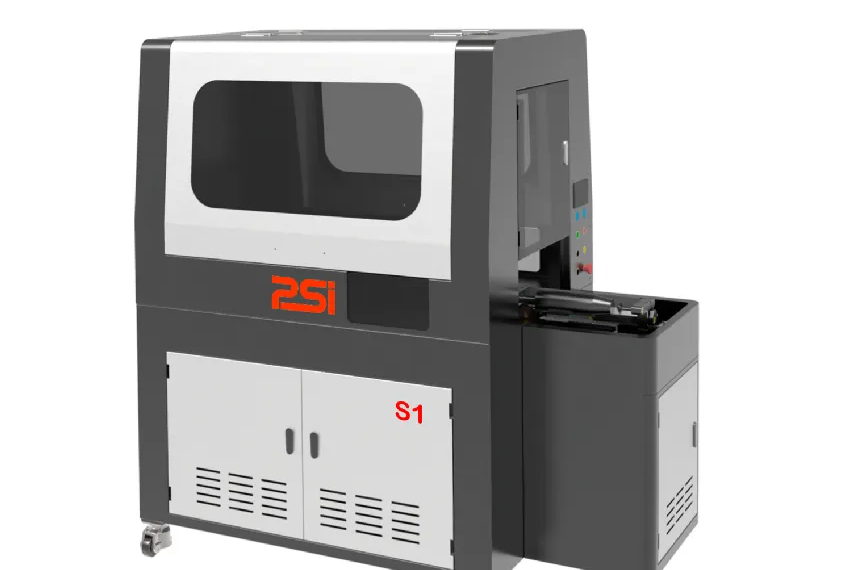
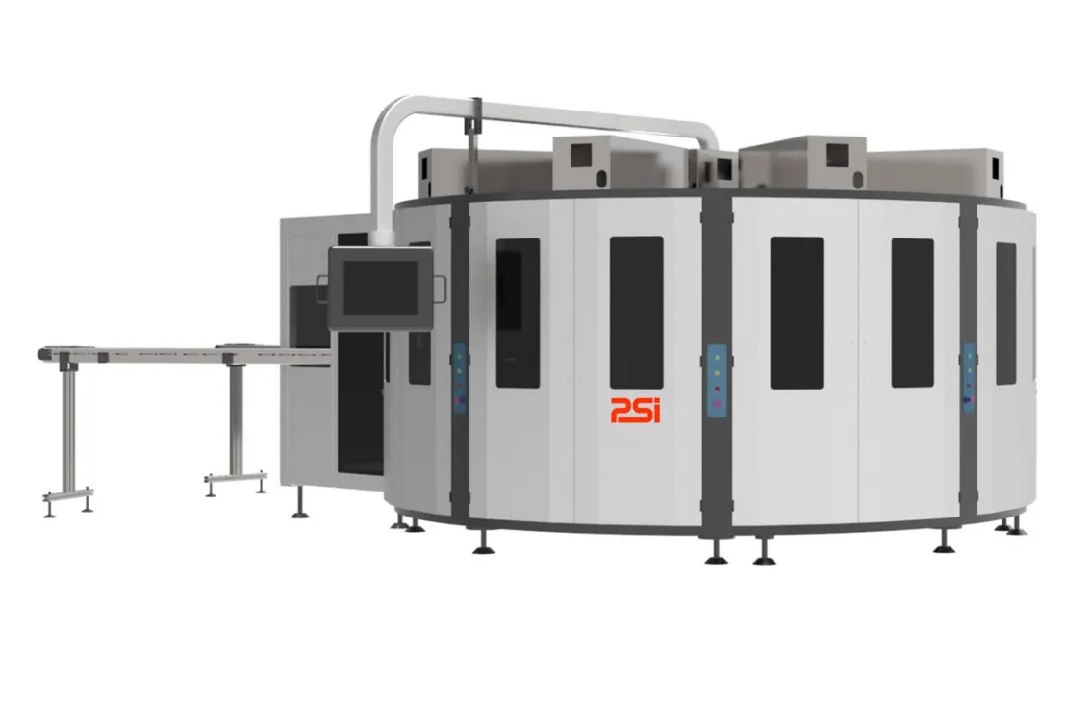
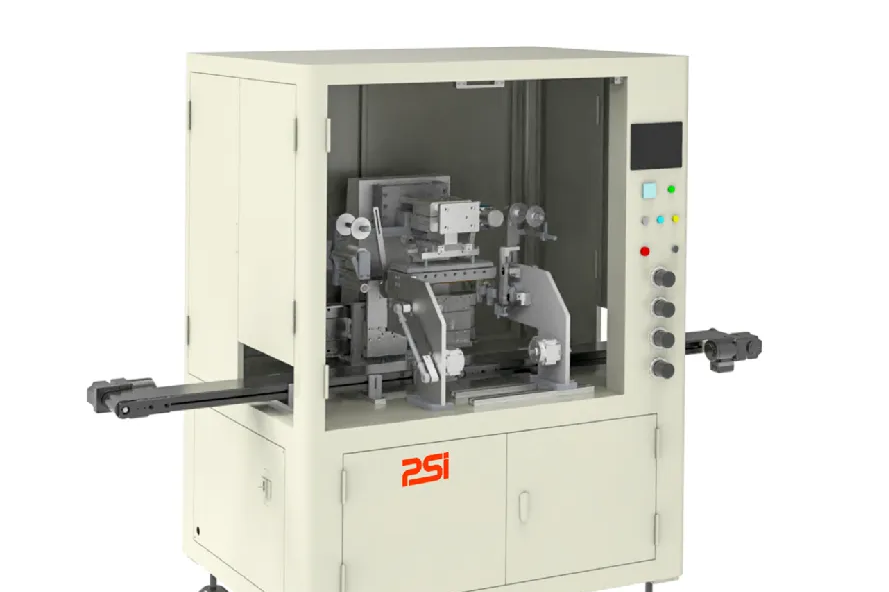
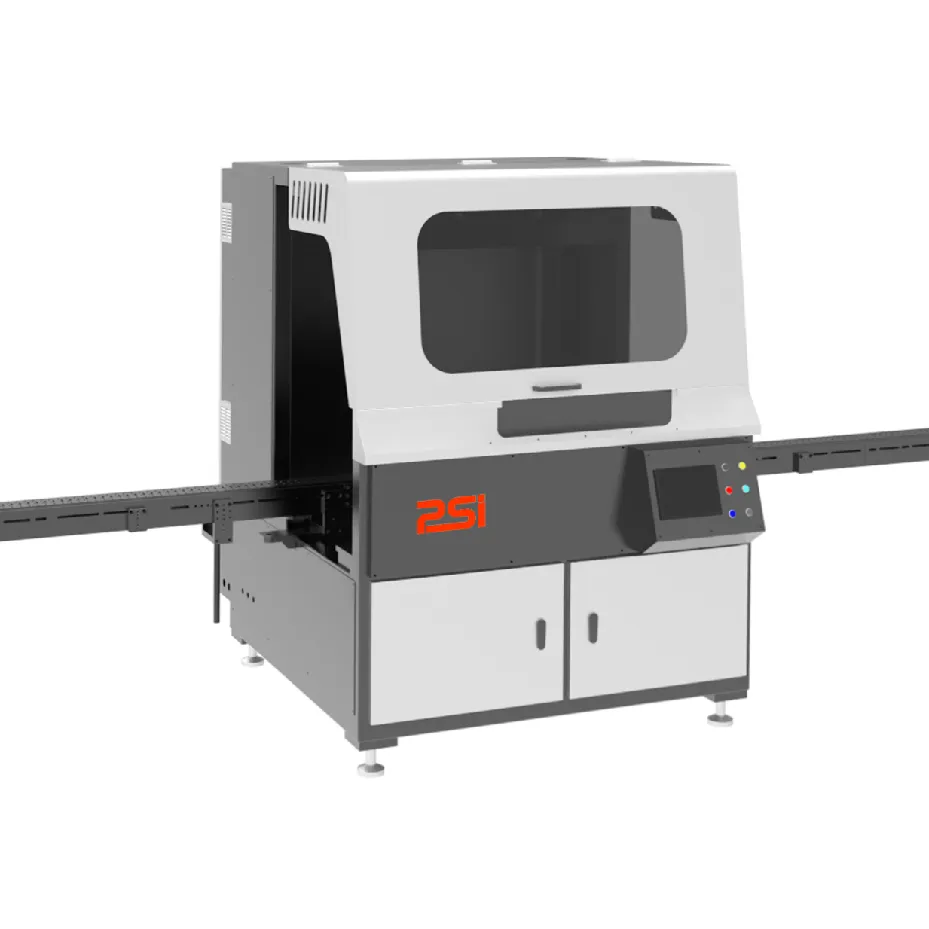
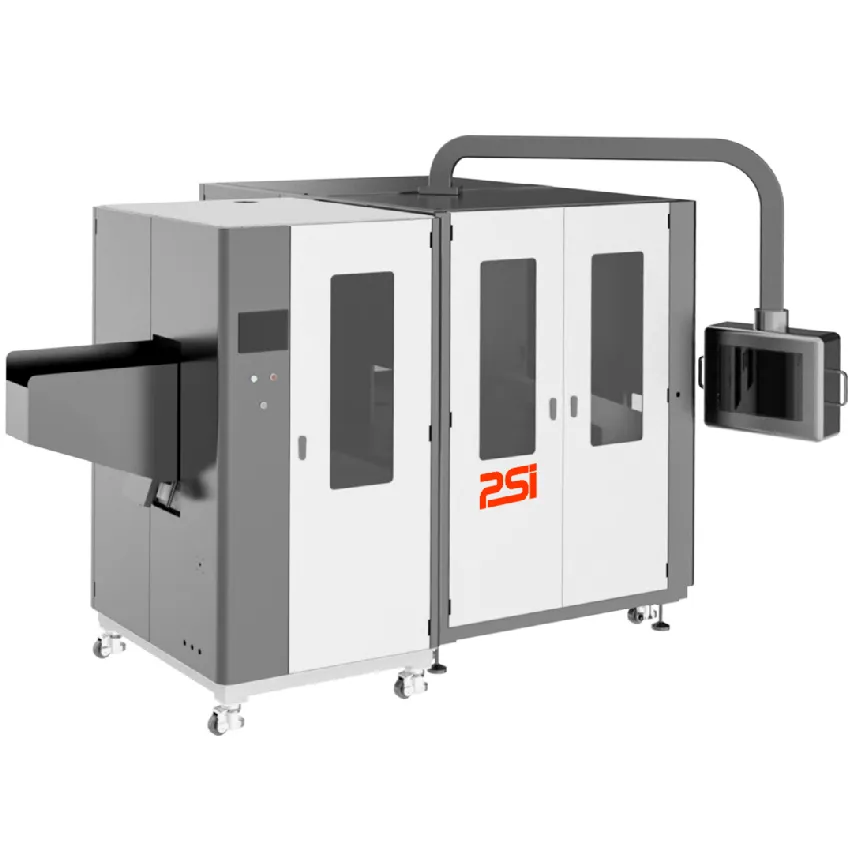
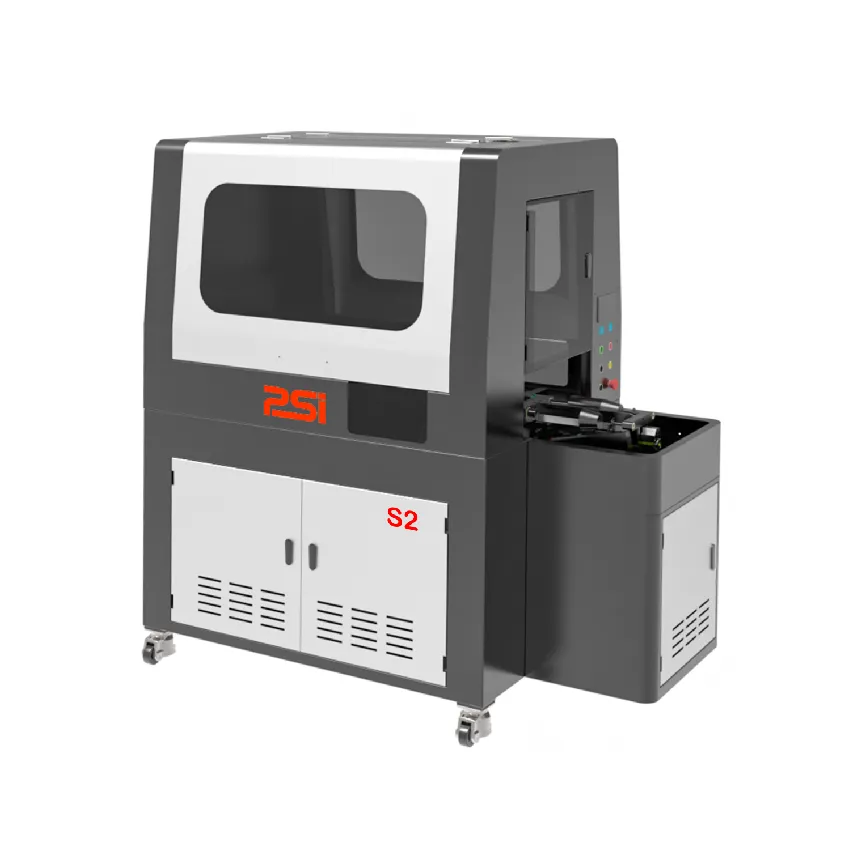
Understanding screen printer cost involves examining multiple factors that influence pricing in today's competitive market. Modern screen printing equipment represents a significant investment for businesses, with costs varying dramatically based on functionality, automation levels, and production capacity. Entry-level manual screen printers typically start around $300 to $1,500, making them accessible for small businesses and startups. Semi-automatic models range from $2,000 to $15,000, offering enhanced productivity without requiring substantial capital investment. Fully automated systems command premium prices between $20,000 and $200,000, delivering exceptional throughput for high-volume operations. The screen printer cost encompasses sophisticated registration systems that ensure precise ink placement across multiple colors. Advanced models feature programmable logic controllers, pneumatic squeegee systems, and computerized color matching capabilities. These technological innovations significantly impact overall pricing but deliver substantial returns through improved quality and reduced labor requirements. Modern screen printers accommodate various substrate materials including textiles, plastics, ceramics, glass, and metals. This versatility makes them essential for diverse industries such as apparel decoration, electronics manufacturing, automotive components, and promotional products. The screen printer cost reflects engineering advancements like servo-driven mechanisms, touch-screen interfaces, and integrated drying systems. Quality manufacturers incorporate precision-machined components, durable construction materials, and comprehensive warranty coverage into their pricing structure. Additional factors influencing screen printer cost include available print area dimensions, maximum substrate thickness capability, and specialized features like UV curing systems or water-based ink compatibility. Professional-grade equipment often includes advanced safety features, ergonomic design elements, and energy-efficient operation modes that justify higher initial investments through long-term operational savings and enhanced operator comfort during extended production runs.
New Product Recommendations

Screen printer cost delivers exceptional value through multiple operational benefits that directly impact business profitability and growth potential. Investing in quality screen printing equipment reduces long-term operational expenses by minimizing maintenance requirements and extending equipment lifespan. Modern machines operate with remarkable efficiency, consuming less energy while producing superior print quality compared to older alternatives. The screen printer cost includes advanced automation features that significantly reduce labor costs by enabling single operators to manage multiple printing stations simultaneously. This efficiency translates into faster turnaround times, allowing businesses to accept more orders and increase revenue without expanding workforce requirements. Quality screen printers maintain consistent registration accuracy across thousands of impressions, eliminating costly reprints and material waste that plague inferior equipment. The initial screen printer cost investment pays dividends through reduced ink consumption, as precision squeegee systems apply optimal ink deposits without excess waste. Advanced models feature programmable settings that eliminate setup time between jobs, maximizing productive hours and improving overall profitability. The durability built into professional screen printing equipment ensures reliable operation under demanding production schedules, reducing unexpected downtime costs. Modern screen printers accommodate rapid job changeovers through quick-release mechanisms and tool-free adjustments, enabling businesses to handle diverse order requirements efficiently. The screen printer cost reflects sophisticated quality control systems that detect registration errors and ink coverage variations before defective products advance through production. This real-time monitoring capability prevents costly customer returns and maintains brand reputation. Energy-efficient designs incorporated into contemporary screen printers reduce utility expenses while meeting environmental compliance standards. The versatility justified by screen printer cost enables businesses to expand service offerings across multiple markets, from textile decoration to industrial component marking. Advanced safety features protect operators and reduce insurance costs while ensuring compliance with workplace safety regulations. The precision engineering reflected in screen printer cost delivers consistent results that meet demanding quality specifications, enabling businesses to pursue premium market segments and command higher pricing for superior products.

Latest News

Enhancing Your Brand's Impact with PSI's Cutting-Edge Inkjet Digital Printing Machines

27

Sep

Enhancing Your Brand's Impact with PSI's Cutting-Edge Inkjet Digital Printing Machines

In the domain of industrial digital printing, under the commonly used terminology of the PSI Company, high-quality inkjet digital printing machines have been successfully produced and introduced to a wide range of industries. The performance of the c...
View More
PSI Cutting-Edge Digital Inkjet and Screen Printing Machines

27

Sep

PSI Cutting-Edge Digital Inkjet and Screen Printing Machines

In today's fast-paced business environment, the impact of visual communication cannot be overstated. Brands are constantly seeking ways to stand out and connect with their audience through eye-catching designs and high-quality prints. PSI, a leading ...
View More
PSI Heat Transfer Machines:  in Customized Branding Solutions

27

Sep

PSI Heat Transfer Machines: in Customized Branding Solutions

In the realm of printing and branding, PSI  stands out as a beacon of innovation and excellence. Specializing in heat transfer machines, PSI  offers a range of products that cater to various industries, from textiles to plastics, ensuring t...
View More

Get a Free Quote

Our representative will contact you soon.
Email
Name
Company Name
Message
0/1000

screen printer cost

Advanced Automation Technology Reduces Operating Costs

Advanced Automation Technology Reduces Operating Costs

The screen printer cost incorporates cutting-edge automation technology that revolutionizes production efficiency while dramatically reducing operational expenses over time. Modern automated screen printing systems feature servo-driven mechanisms that precisely control squeegee pressure, speed, and stroke length with mathematical accuracy that human operators cannot replicate consistently. This automation technology justifies the screen printer cost through substantial labor savings, as single operators can oversee multiple printing stations simultaneously without compromising quality standards. The sophisticated programming capabilities allow operators to store hundreds of job specifications digitally, eliminating setup time between different products and maximizing productive machine hours. Advanced sensors integrated into these systems continuously monitor print registration, ink coverage, and substrate positioning, automatically making micro-adjustments that maintain quality consistency throughout extended production runs. The screen printer cost reflects investment in pneumatic systems that provide consistent squeegee pressure across the entire print stroke, ensuring uniform ink deposit and eliminating the variables introduced by manual operation. Touch-screen interfaces simplify operation while providing real-time production data that enables managers to optimize workflow and identify efficiency improvements. The automation technology built into modern screen printers includes programmable flood and print cycles that optimize ink distribution while minimizing waste, directly contributing to material cost savings that offset the initial screen printer cost investment. These systems feature automatic substrate loading and unloading capabilities that maintain consistent production speeds regardless of operator skill level or fatigue factors. The precision timing controls ensure optimal curing intervals for different ink types and substrate materials, preventing quality issues that result in costly reprints. Advanced registration systems use optical sensors and computer-controlled positioning to achieve accuracy levels impossible with manual equipment, justifying the screen printer cost through eliminated waste and improved customer satisfaction rates.
Versatile Multi-Substrate Compatibility Maximizes Investment Returns

Versatile Multi-Substrate Compatibility Maximizes Investment Returns

The screen printer cost reflects exceptional versatility that enables businesses to serve diverse markets and maximize revenue potential from single equipment investments. Modern screen printing systems accommodate an extensive range of substrate materials including cotton textiles, synthetic fabrics, rigid plastics, flexible films, glass panels, ceramic tiles, metal sheets, and composite materials. This multi-substrate capability justifies the screen printer cost by allowing businesses to expand service offerings without requiring additional specialized equipment investments. Advanced heating and cooling systems integrated into contemporary screen printers optimize processing conditions for different material types, ensuring proper ink adhesion and curing regardless of substrate characteristics. The screen printer cost includes sophisticated vacuum systems and mechanical hold-down mechanisms that secure various substrate thicknesses and surface textures during printing operations. Adjustable printing parameters enable operators to customize squeegee angles, pressure settings, and stroke speeds for optimal results on different materials, maximizing the versatility that justifies screen printer cost investments. Professional-grade screen printers feature modular design concepts that allow quick reconfiguration for different substrate sizes and shapes without extensive retooling requirements. The engineering sophistication reflected in screen printer cost enables precise control of ink deposit thickness, critical for applications ranging from thin electronic circuits to heavy textile decorations. Temperature control systems maintain optimal processing conditions for heat-sensitive substrates while providing sufficient energy for proper ink curing on demanding materials. The screen printer cost encompasses specialized fixture systems that accommodate irregularly shaped objects, expanding application possibilities into three-dimensional product decoration markets. Advanced registration systems ensure accurate multi-color alignment regardless of substrate material or surface characteristics, maintaining quality standards across diverse applications. The durability engineered into professional screen printers ensures reliable operation across different substrate types without accelerated wear or maintenance requirements that could compromise the screen printer cost investment value.
Precision Quality Control Systems Ensure Consistent Premium Results

Precision Quality Control Systems Ensure Consistent Premium Results

The screen printer cost incorporates sophisticated quality control systems that deliver consistent premium results while minimizing waste and protecting brand reputation through advanced monitoring capabilities. Modern screen printing equipment features integrated optical inspection systems that continuously evaluate print registration, color density, and coverage uniformity during production, immediately alerting operators to any deviations from established quality standards. These quality control investments justify the screen printer cost through eliminated defective products and reduced customer returns that can damage business relationships and profitability. Advanced color management systems built into contemporary screen printers ensure consistent color reproduction across different production runs and substrate batches, maintaining brand color integrity that commands premium pricing in competitive markets. The screen printer cost reflects investment in precision mechanical components that maintain dimensional accuracy and registration consistency throughout extended production campaigns without requiring frequent adjustments or recalibration procedures. Computerized process monitoring systems track critical parameters including squeegee wear, screen tension, and ink viscosity, providing predictive maintenance alerts that prevent quality issues before they impact production output. The quality assurance capabilities justified by screen printer cost include automated substrate positioning systems that eliminate human error factors in print placement and registration accuracy. Real-time production data collection enables statistical process control methodologies that identify quality trends and optimize operating parameters for consistent superior results. The screen printer cost encompasses precision temperature control systems that maintain optimal curing conditions for different ink formulations and substrate combinations, ensuring proper adhesion and durability characteristics in finished products. Advanced screen tensioning systems maintain consistent mesh characteristics throughout production runs, preventing quality variations that result from screen stretch or relaxation during extended printing sessions. The investment reflected in screen printer cost includes sophisticated ink delivery systems that maintain consistent viscosity and flow characteristics, eliminating print defects caused by ink property variations during production.