Advanced Thermal Screen Printer Technology - Professional Printing Solutions for Industrial Applications

Contact me immediately if you encounter problems!

All Categories

thermal screen printer

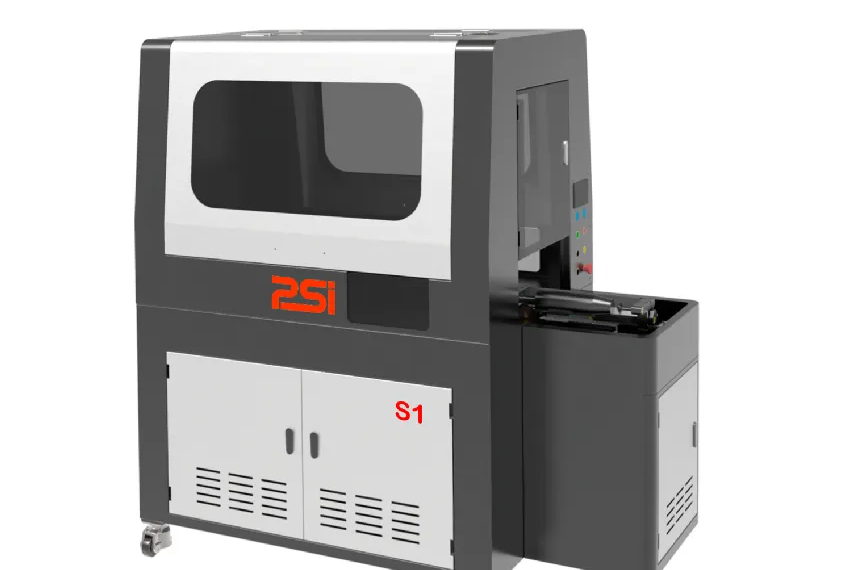
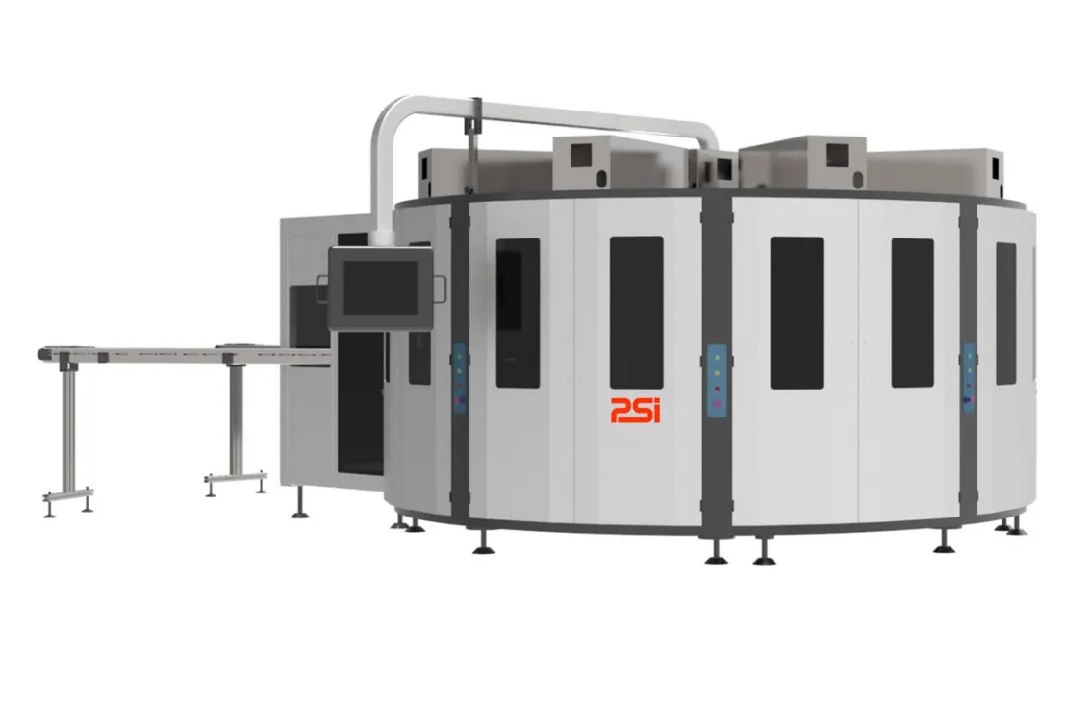
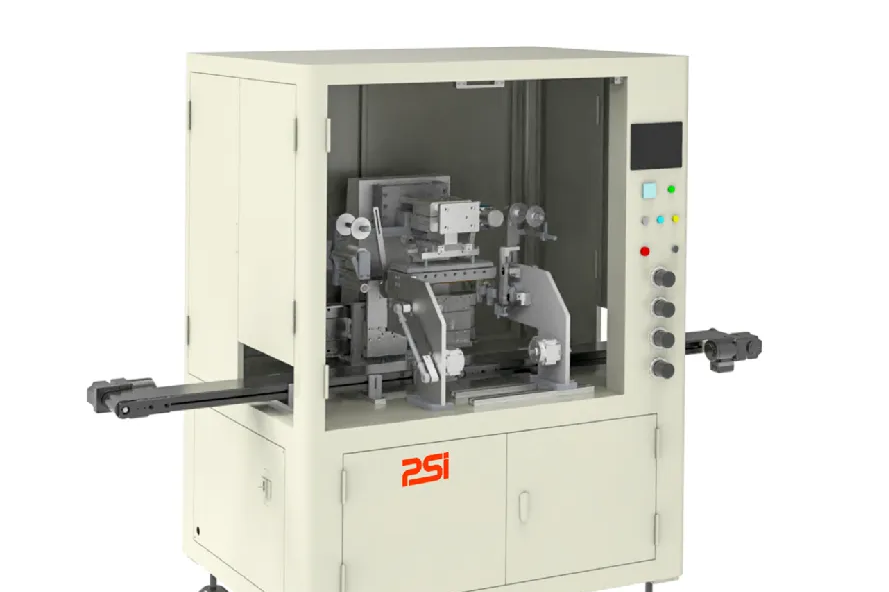
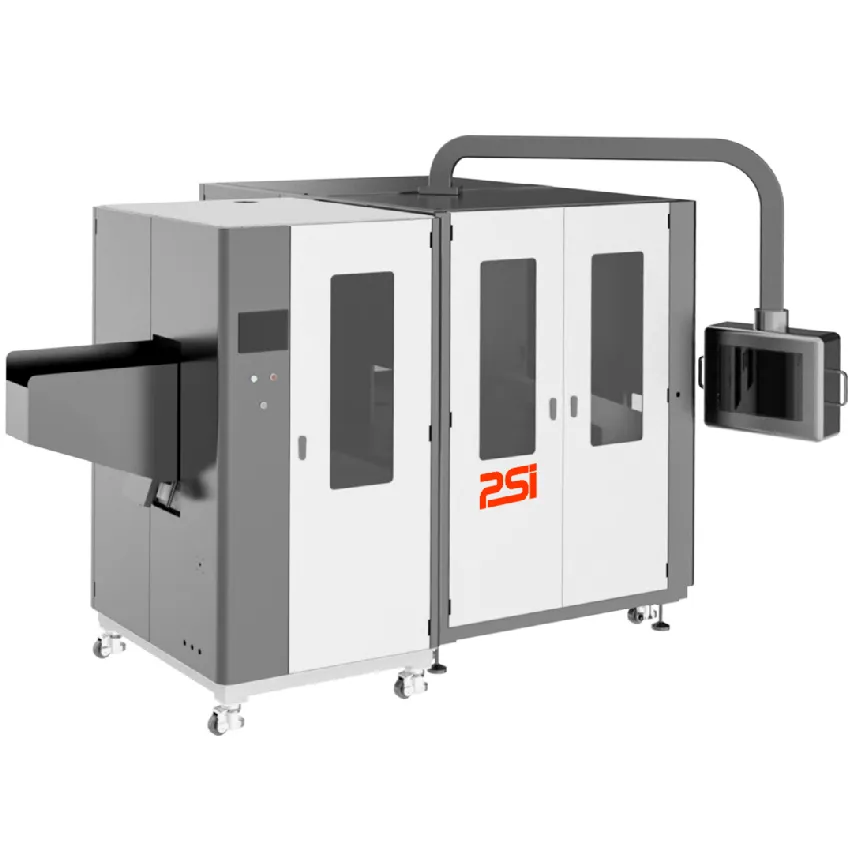
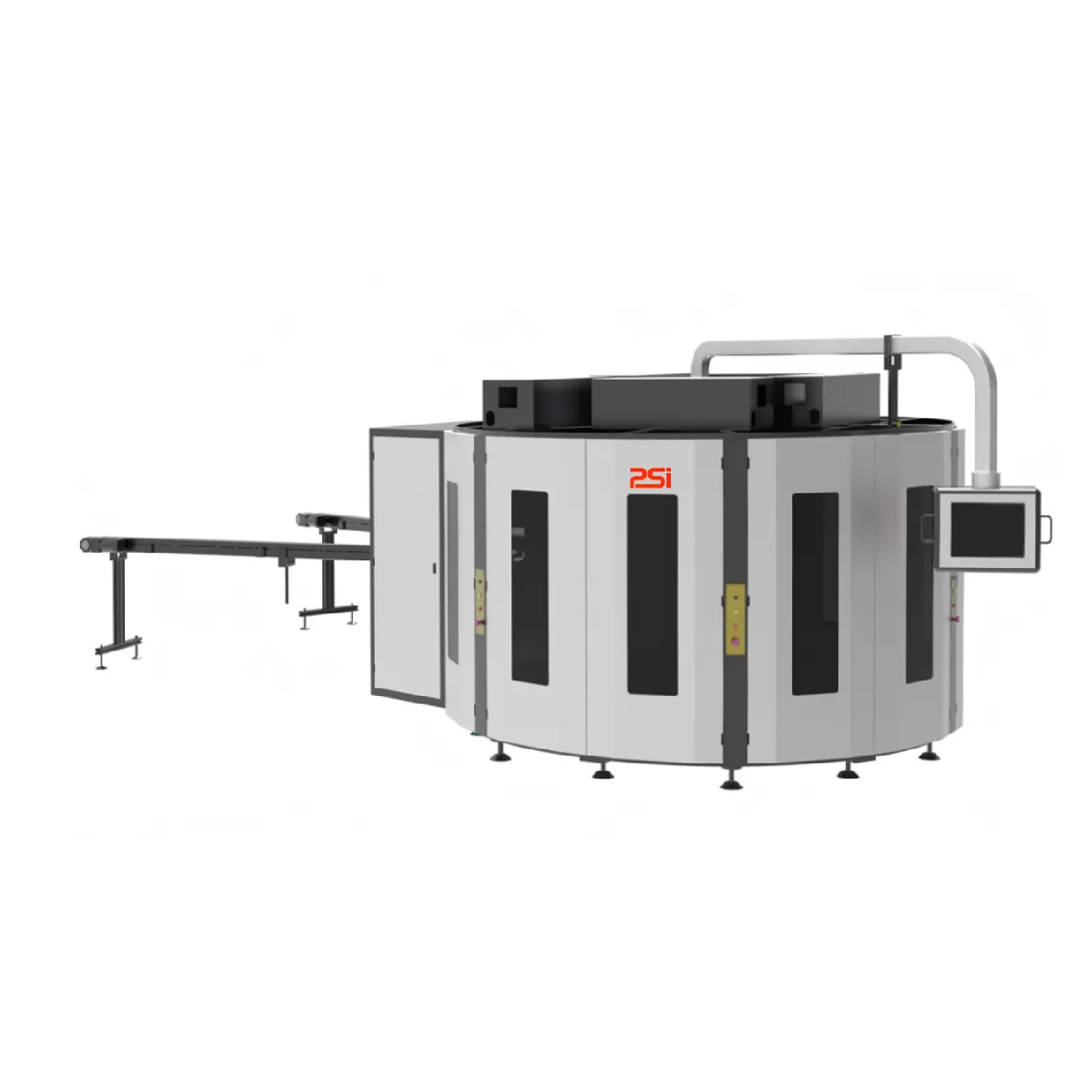
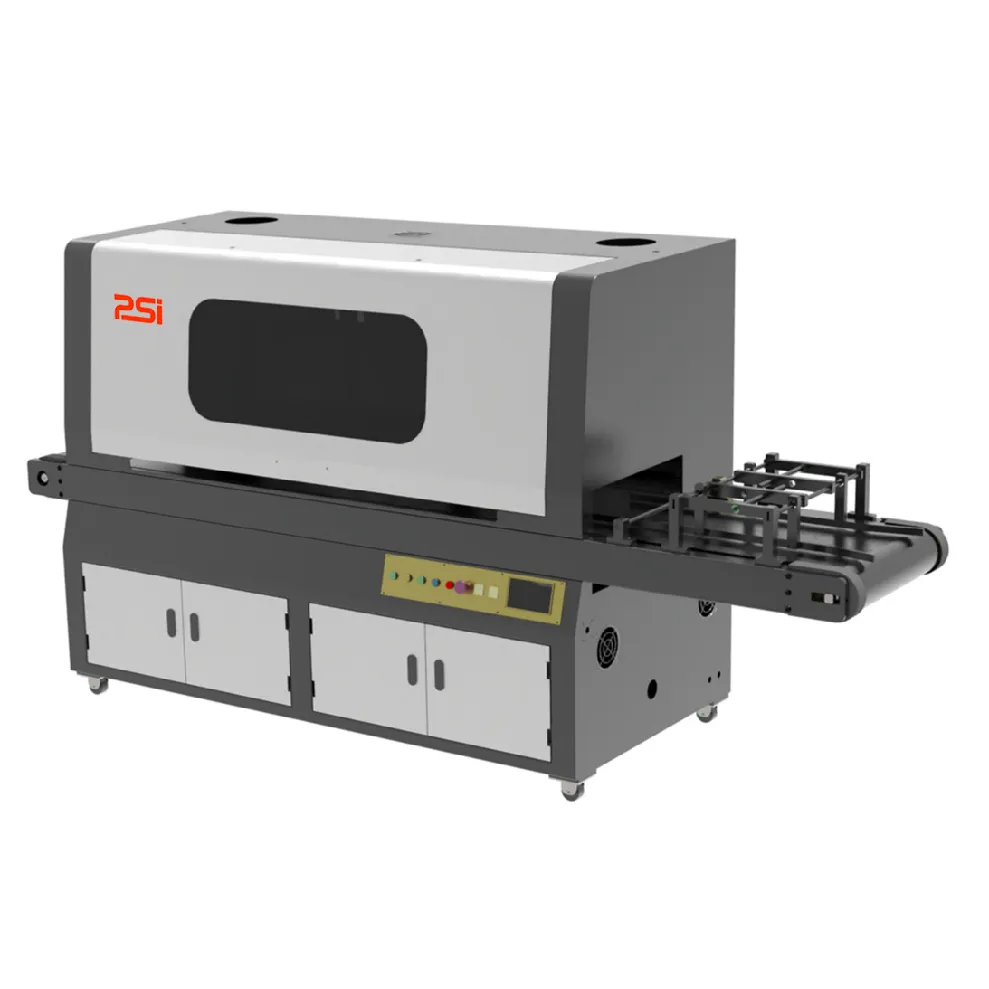
The thermal screen printer represents a revolutionary advancement in printing technology, combining the precision of screen printing with the efficiency of thermal transfer systems. This sophisticated equipment utilizes heat-activated inks and specialized thermal elements to create high-quality prints on various substrates. The thermal screen printer operates by applying controlled heat through precision screens, ensuring consistent ink transfer and superior adhesion properties. Modern thermal screen printer systems incorporate advanced temperature control mechanisms that maintain optimal printing conditions throughout the production process. The technology behind thermal screen printer equipment enables manufacturers to achieve exceptional print resolution while maintaining cost-effective operation. These systems feature automated feeding mechanisms that streamline the printing workflow and reduce manual intervention requirements. The thermal screen printer design includes multiple heating zones that can be independently controlled, allowing for complex multi-color printing applications. Professional thermal screen printer models incorporate sophisticated monitoring systems that track temperature variations and adjust parameters automatically. The versatility of thermal screen printer technology makes it suitable for printing on textiles, plastics, metals, and specialty materials. Advanced thermal screen printer systems support various ink formulations, including water-based, solvent-based, and specialty thermal-reactive inks. The precision engineering of thermal screen printer equipment ensures consistent results across large production runs. These printers feature user-friendly interfaces that simplify operation and reduce training requirements for operators. The thermal screen printer market continues to evolve with innovations in heating technology, substrate handling, and process automation. Modern installations often integrate thermal screen printer systems with quality control mechanisms and production monitoring software.
Popular Products

The thermal screen printer offers numerous practical benefits that directly impact production efficiency and output quality. First, thermal screen printer technology delivers exceptional print consistency by maintaining precise temperature control throughout the printing process. This consistency translates into reduced waste rates and higher yield percentages for manufacturers. The thermal screen printer eliminates common issues associated with traditional printing methods, such as ink bleeding and uneven coverage. Operators find that thermal screen printer systems require minimal maintenance compared to conventional alternatives, resulting in reduced downtime and lower operational costs. The energy efficiency of modern thermal screen printer equipment significantly reduces power consumption while maintaining optimal performance levels. Production facilities benefit from the compact design of thermal screen printer systems, which require less floor space than traditional printing setups. The automated features of thermal screen printer technology reduce labor requirements and minimize human error in the printing process. Quality control becomes more manageable with thermal screen printer systems because temperature monitoring provides real-time feedback on print conditions. The thermal screen printer produces superior adhesion properties, ensuring that printed materials maintain their appearance and durability over extended periods. Businesses appreciate the versatility of thermal screen printer equipment, which can handle diverse substrate types without requiring extensive reconfiguration. The precision of thermal screen printer technology enables fine detail reproduction that meets demanding quality specifications. Cost savings become apparent through reduced ink waste, as thermal screen printer systems optimize ink usage through controlled application methods. The thermal screen printer supports faster production speeds while maintaining print quality, allowing manufacturers to meet tight deadlines. Environmental benefits arise from thermal screen printer technology through reduced solvent usage and lower emission levels. The reliability of thermal screen printer systems ensures consistent production schedules and predictable output volumes. Training requirements decrease significantly with thermal screen printer equipment due to intuitive controls and automated safety features.

Tips And Tricks

Enhancing Your Brand's Impact with PSI's Cutting-Edge Inkjet Digital Printing Machines

27

Sep

Enhancing Your Brand's Impact with PSI's Cutting-Edge Inkjet Digital Printing Machines

In the domain of industrial digital printing, under the commonly used terminology of the PSI Company, high-quality inkjet digital printing machines have been successfully produced and introduced to a wide range of industries. The performance of the c...
View More
PSI Cutting-Edge Digital Inkjet and Screen Printing Machines

27

Sep

PSI Cutting-Edge Digital Inkjet and Screen Printing Machines

In today's fast-paced business environment, the impact of visual communication cannot be overstated. Brands are constantly seeking ways to stand out and connect with their audience through eye-catching designs and high-quality prints. PSI, a leading ...
View More
PSI Heat Transfer Machines:  in Customized Branding Solutions

27

Sep

PSI Heat Transfer Machines: in Customized Branding Solutions

In the realm of printing and branding, PSI  stands out as a beacon of innovation and excellence. Specializing in heat transfer machines, PSI  offers a range of products that cater to various industries, from textiles to plastics, ensuring t...
View More

Get a Free Quote

Our representative will contact you soon.
Email
Name
Company Name
Message
0/1000

thermal screen printer

Advanced Temperature Control Technology

Advanced Temperature Control Technology

The thermal screen printer incorporates state-of-the-art temperature control technology that sets it apart from conventional printing solutions. This sophisticated thermal management system utilizes precision sensors and advanced algorithms to maintain optimal printing temperatures across multiple zones simultaneously. The thermal screen printer features independent heating elements that can be programmed to different temperature profiles, enabling complex printing applications that require varying heat levels for different colors or materials. This technology ensures that each thermal screen printer installation delivers consistent results regardless of ambient conditions or production volume fluctuations. The temperature control system in modern thermal screen printer equipment responds instantly to variations, automatically adjusting heating elements to maintain specified parameters. This responsiveness prevents temperature-related defects such as incomplete ink transfer, color variations, or adhesion failures. The thermal screen printer design includes thermal monitoring capabilities that provide real-time feedback to operators, allowing for immediate adjustments when necessary. Professional thermal screen printer systems feature programmable temperature profiles that can be stored and recalled for different job requirements, streamlining setup procedures and ensuring repeatability. The precision of thermal screen printer temperature control extends to gradual heating and cooling cycles that prevent thermal shock to sensitive substrates. This careful temperature management protects both the printing materials and the thermal screen printer equipment itself, extending operational life and maintaining print quality. The thermal screen printer technology incorporates safety features that prevent overheating and protect operators from thermal hazards. Energy efficiency improvements in thermal screen printer systems result from optimized heating patterns that minimize power consumption while maximizing thermal effectiveness.
Superior Substrate Compatibility

Superior Substrate Compatibility

The thermal screen printer demonstrates exceptional versatility through its ability to work with an extensive range of substrate materials, making it invaluable for diverse manufacturing applications. This adaptability stems from the thermal screen printer design that accommodates various material thicknesses, textures, and thermal properties without compromising print quality. The thermal screen printer excels at printing on challenging substrates such as heat-sensitive plastics, metallic surfaces, and composite materials that pose difficulties for traditional printing methods. The controlled heating approach of thermal screen printer technology allows for optimal ink adhesion on substrates with varying thermal expansion coefficients. This capability ensures that thermal screen printer systems can handle specialized materials used in aerospace, automotive, and medical device manufacturing. The thermal screen printer accommodates both rigid and flexible substrates through adjustable pressure settings and adaptive heating profiles. This flexibility makes thermal screen printer equipment suitable for applications ranging from circuit board printing to textile decoration. The substrate handling capabilities of modern thermal screen printer systems include automated feeding mechanisms that accommodate various material formats and sizes. The thermal screen printer technology supports both single-pass and multi-pass printing on substrates that require special handling procedures. Quality assurance becomes simplified with thermal screen printer systems because the controlled thermal environment produces predictable results across different substrate types. The thermal screen printer enables manufacturers to expand their product offerings by accessing previously incompatible material combinations. Cost-effective production becomes possible when thermal screen printer systems eliminate the need for substrate pretreatment processes. The thermal screen printer design includes substrate pre-heating and post-heating stations that optimize adhesion and curing properties. Environmental considerations benefit from thermal screen printer technology through reduced waste generation when working with expensive or specialized substrates.
Enhanced Production Efficiency

Enhanced Production Efficiency

The thermal screen printer delivers remarkable production efficiency improvements through its integrated automation features and streamlined workflow design. This efficiency advantage begins with the thermal screen printer setup process, which requires significantly less time than traditional printing methods due to automated calibration and parameter optimization. The thermal screen printer incorporates advanced job management capabilities that allow operators to queue multiple printing tasks and execute them with minimal intervention. Production throughput increases substantially with thermal screen printer systems because the controlled thermal environment enables faster processing speeds without quality compromise. The thermal screen printer design minimizes changeover times between different printing jobs through programmable settings and automated substrate handling. This quick changeover capability allows thermal screen printer installations to handle diverse production requirements efficiently. The thermal screen printer technology includes predictive maintenance features that schedule service activities during planned downtime, preventing unexpected production interruptions. Quality control integration in thermal screen printer systems provides real-time monitoring that identifies potential issues before they impact production output. The thermal screen printer reduces material waste through precise ink application and consistent processing parameters that eliminate trial-and-error adjustments. Labor efficiency improves significantly with thermal screen printer equipment because automated functions reduce the need for manual monitoring and intervention. The thermal screen printer supports continuous operation through features such as automatic ink replenishment and substrate feeding systems. Production planning becomes more accurate with thermal screen printer technology because consistent processing times enable reliable scheduling. The thermal screen printer delivers measurable return on investment through reduced operational costs, increased output capacity, and improved product quality. Energy efficiency in thermal screen printer systems contributes to overall production cost reduction while supporting sustainability initiatives. The scalability of thermal screen printer installations allows manufacturers to expand production capacity without proportional increases in operational complexity or labor requirements.