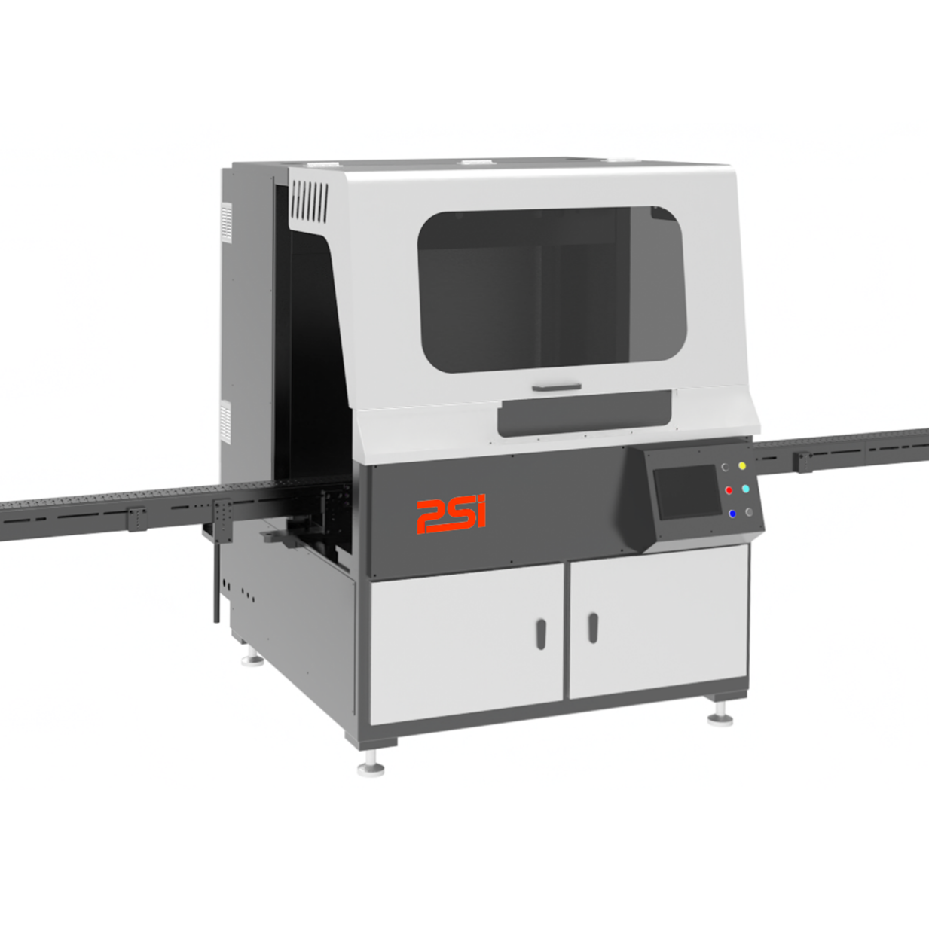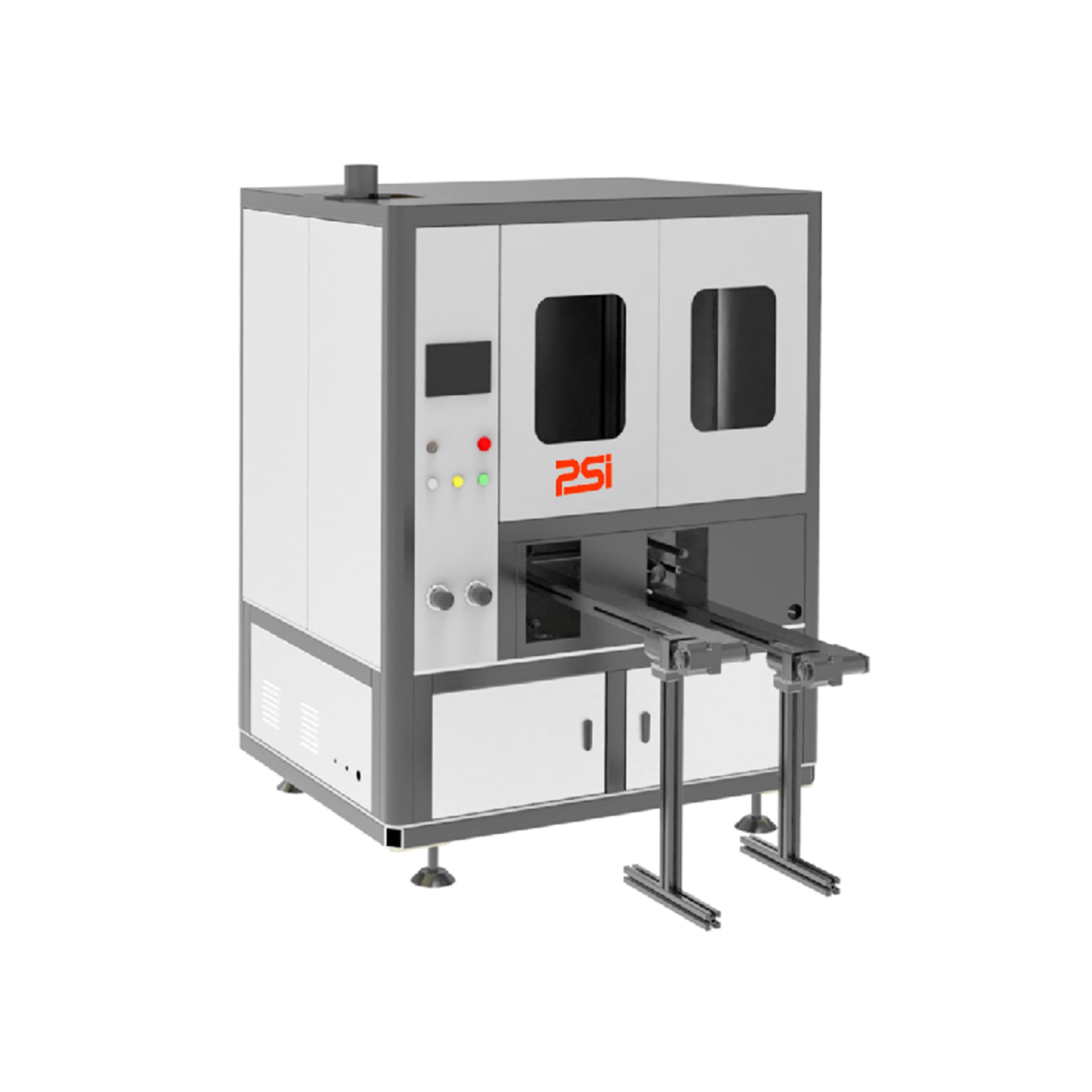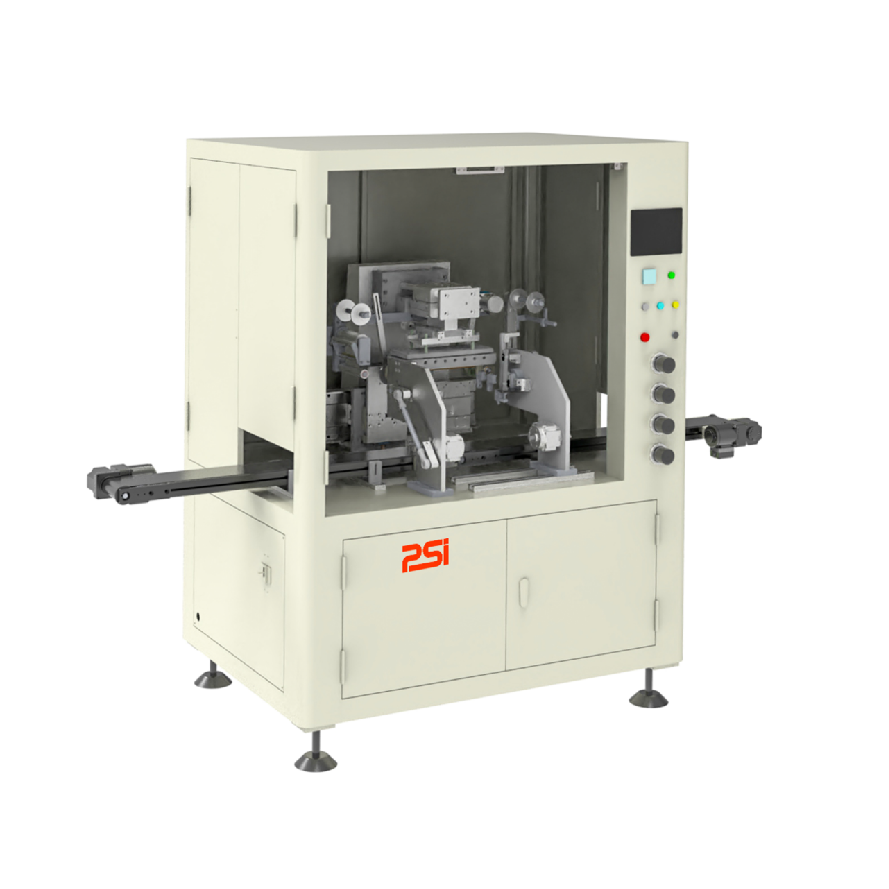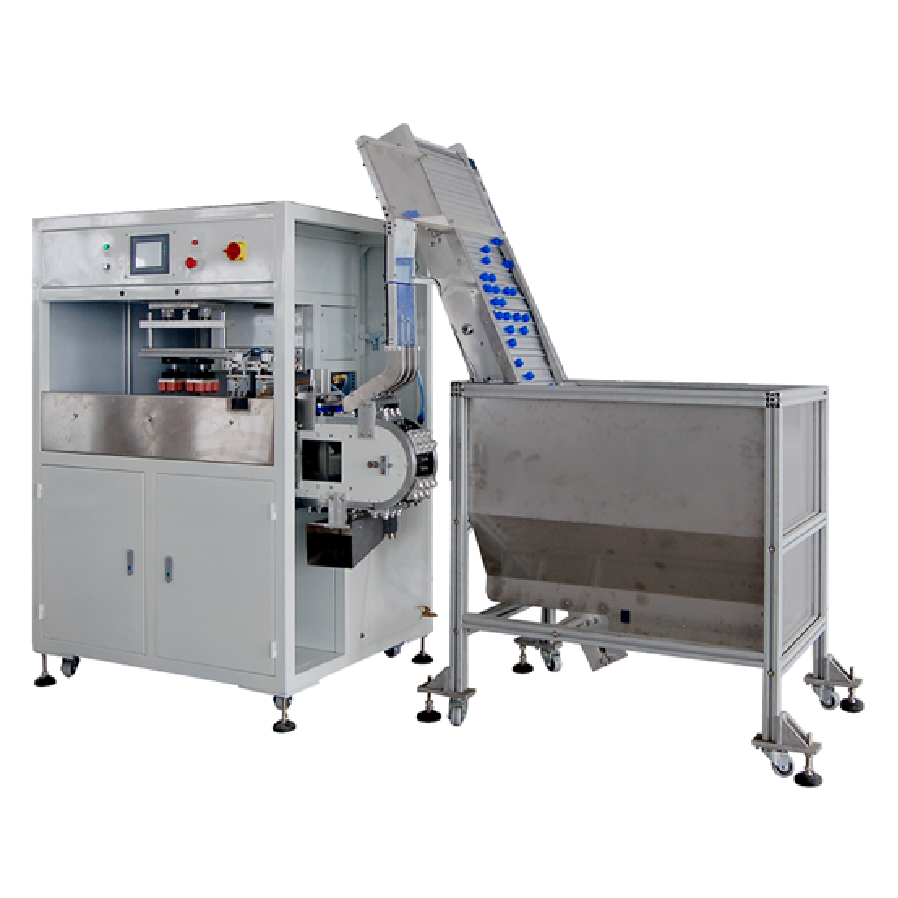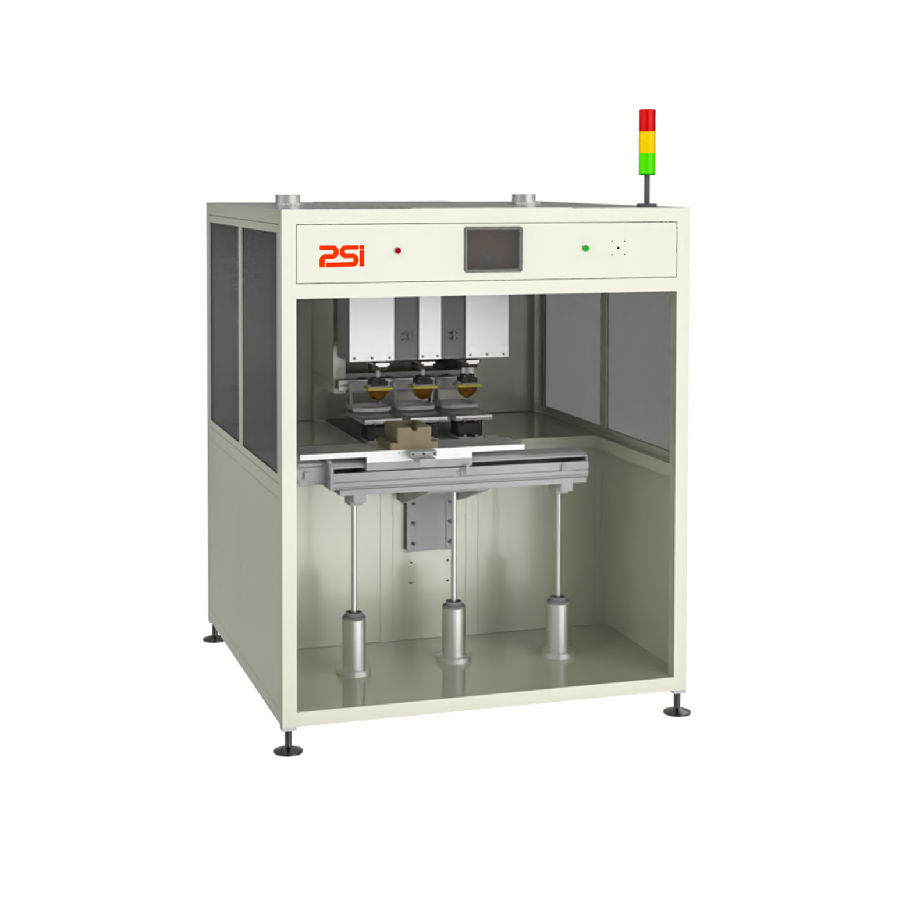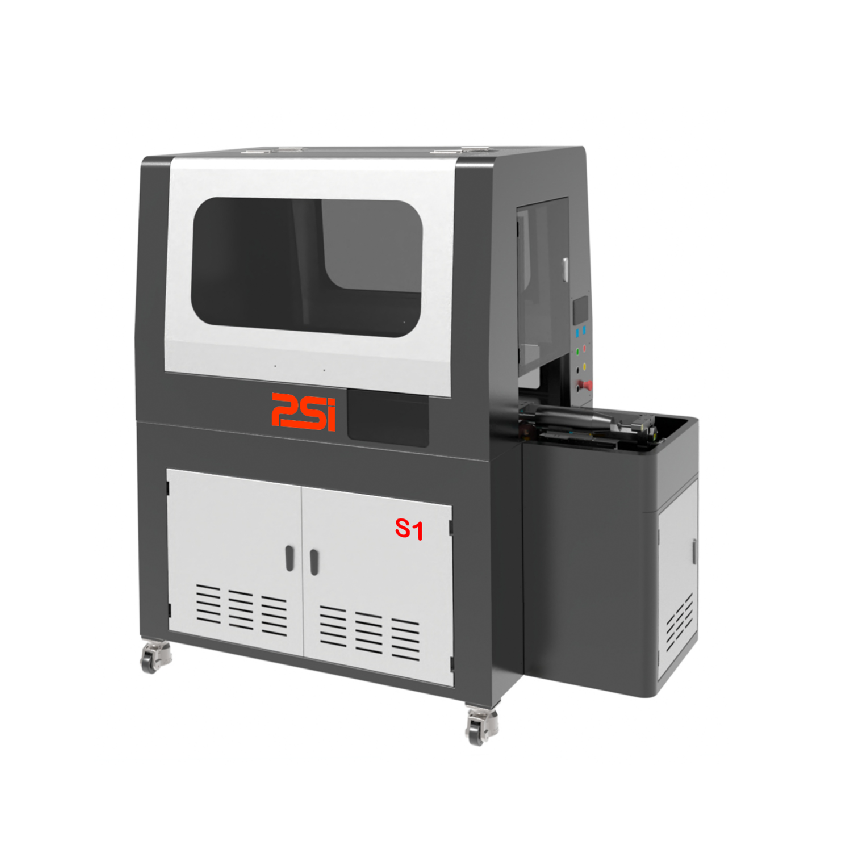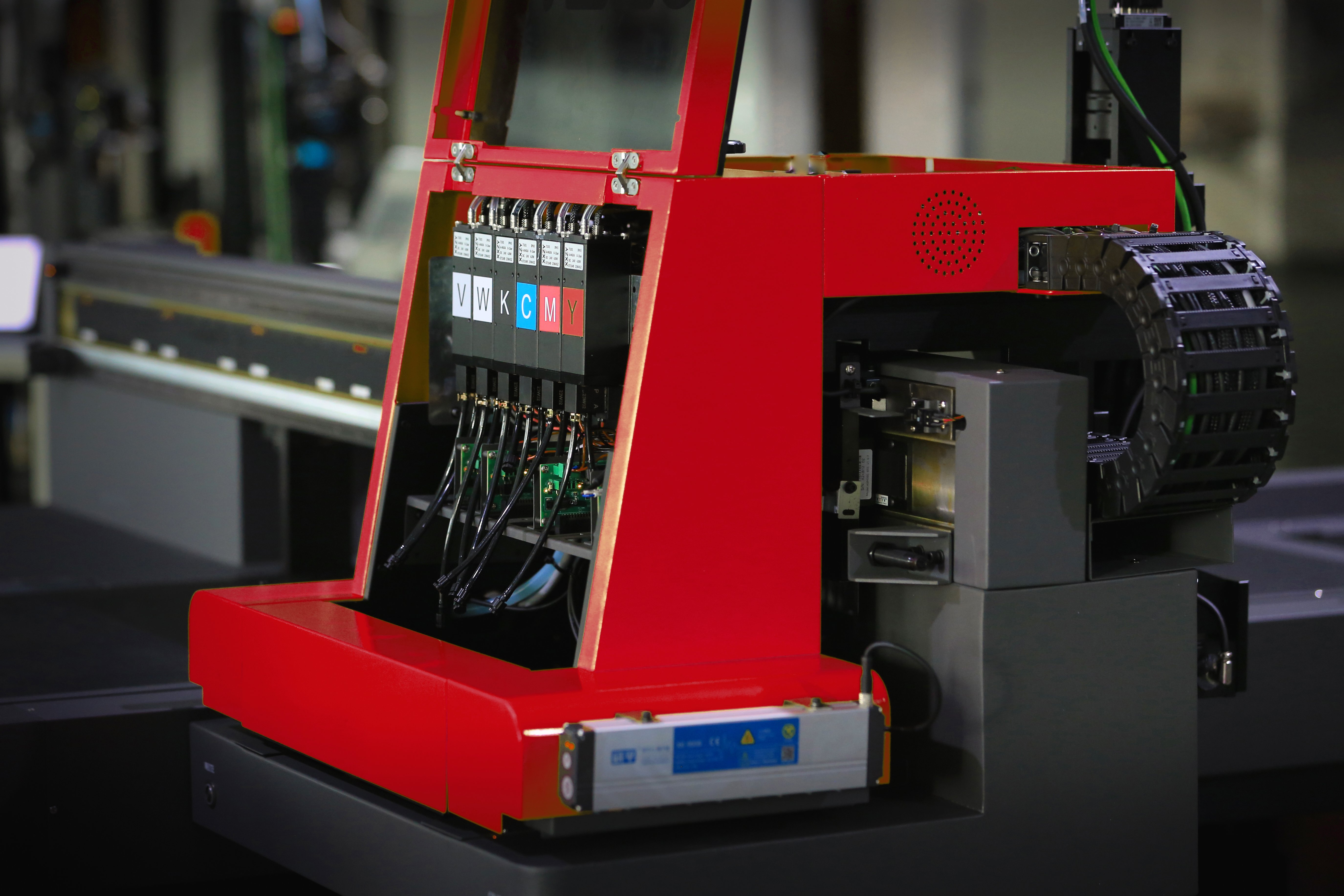
يقوم مصنّعو العبوات في جميع أنحاء العالم باستثمارات كبيرة في ترقية تقنياتهم. آلة الطباعة الشاشية ويُجسِّد هذا التحوُّل أكثر من مجرد استبدال روتيني للمعدات؛ بل يعكس تغيّرات جوهرية في متطلبات الإنتاج وتوقعات الجودة والضغوط التنافسية التي تعيد تشكيل قطاع العبوات. ومع تطور توقعات المستهلكين وتشديد المنافسة في السوق، يدرك المصنّعون أن آلة الطباعة بالشاشة القديمة لم تعد قادرةً على تحقيق الأداء والثبات والكفاءة التي تتطلبها العمليات الحديثة. وتنبع قرار الترقية من نتائج تجارية قابلة للقياس، وتحديات تشغيلية، وفرص استراتيجية لا تستطيع المعدات القديمة معالجتها.
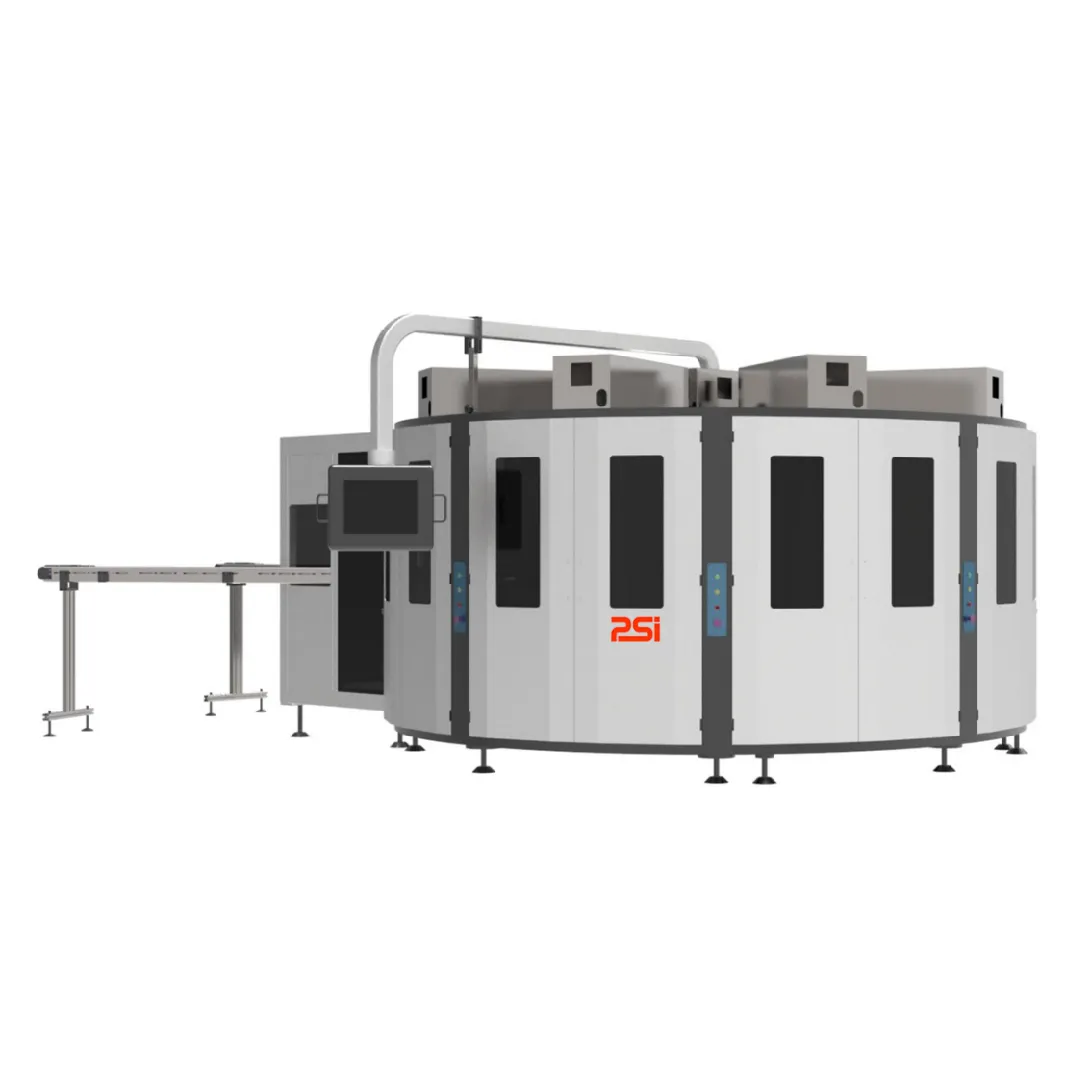
تُعالِج تطوّرات آلات الطباعة بالشاشة الحديثة مباشرةً المشكلات التي يواجهها المصنّعون بسبب قِدم المعدّات. فسواء أكانت التحديات تتعلّق بعدم الاتساق، أو الاختناقات في الإنتاج، أو القيود المتعلّقة بالعمالة، أو توسيع نطاق الخدمات المقدَّمة، فإن تحديث آلة الطباعة بالشاشة يحقّق تحسينات ملموسة تؤثّر في الربحية والموقع التنافسي في السوق. ويساعد فهم العوامل المحدّدة التي تحفّز هذا التحوّل التكنولوجي المصنّعين على اتّخاذ قراراتٍ مستنيرة بشأن استراتيجياتهم الخاصة في مجال المعدّات وتوقيت الاستثمارات.
تضمّن طرازات آلات الطباعة بالشاشة المعاصرة أنظمة أتمتة مُحرَّكة بواسطة محركات سيرفو، وأنظمة تسجيل دقيقة، وآليات محسَّنة لمسطحات الكشط، ما يرفع سرعة الإنتاج بشكلٍ كبيرٍ مقارنةً بالمعدات التقليدية. ويمكن لآلة الطباعة الحديثة بالشاشة أن تقلِّل أوقات الدورة بنسبة تتراوح بين ثلاثين وخمسين في المئة مع الحفاظ على جودة طباعة فائقة. ويؤدي هذا المكسب في الكفاءة مباشرةً إلى زيادة الإنتاج اليومي دون الحاجة إلى مساحة أرضية إضافية أو زيادات متناسبة في العمالة. وتُبلِّغ منشآت التصنيع التي حدَّثت آلات الطباعة بالشاشة الخاصة بها عن أوقات أسرع لإكمال الطلبات، ما يعزِّز أسعارها التنافسية وجداول التسليم في السوق.
تحسّنات التكنولوجيا الميكانيكية في آلات الطباعة بالشاشة الحديثة تزيل العديد من الاختناقات التي كانت متأصلة في الأنظمة القديمة. وتشمل هذه التحسّنات دمج نظام التصلّب الفوري المتطوّر، وزيادة سرعة تحديد مواقع المنصات، وتحديد مواضع رؤوس الطباعة بذكاء، مما يقلّل من فترات التوقّف بين دورات الإنتاج. وعندما تعمل المصانع على تنفيذ عدة مهام يوميًّا، تتراكم هذه التحسينات التدريجية بشكلٍ كبير. وبتحديث آلة الطباعة بالشاشة، تصبح المنشآت قادرةً على التعامل مع أحجام أوامر أكبر دون الحاجة إلى توسيع رأسمالي كبير، ما يجعل الموارد الحالية تعمل بجهدٍ أكبر وبكفاءةٍ أعلى.
تستمر ندرة العمالة في قطاع التصنيع في دفع اعتماد التكنولوجيا عبر قطاع التغليف. وتتطلب آلة الطباعة بالشاشة الحديثة تدخلًا يدويًّا أقل من جانب المشغل مقارنةً بالنماذج القديمة، إذ تقلل أنظمة التسجيل الآلي وإدارة الألوان وضبط طباعة الشاشة من التعديلات اليدوية. وبعض أنظمة آلات الطباعة بالشاشة المتقدمة تتضمن إمكانية التحميل ثم الطباعة، ما يقلل وقت الإعداد ومتطلبات الخبرة الفنية للمشغل. ويكتسب هذا القدرة أهميةً بالغةً بينما تواجه المصانع صعوباتٍ في توظيف فنيي الطباعة بالشاشة المهرة والاحتفاظ بهم في أسواق العمل التنافسية.
يسمح تقليل العبء الملقى على المشغل لكل وحدة ماكينة طباعة شاشة للمنشآت بتوجيه الموظفين المهرة إلى مهام ذات قيمة أعلى، مثل تحسين التصاميم، والتفتيش على الجودة، وخدمة العملاء. وبأتمتة التعديلات المتكررة، تُمكّن تقنية ماكينات الطباعة الشاشية الحديثة المشغلين ذوي المهارات المتوسطة من تحقيق نتائج متسقة كانت تتطلب سابقًا سنوات عديدة من الخبرة. ويؤدي هذا التوسيع في نطاق متطلبات المهارات إلى توسيع قاعدة التوظيف وتقليل الاعتماد على الحرفيين المتمرسين الذين يصعب العثور عليهم.
تسود أسواق التغليف الفاخر متطلباتٌ متزايدةً لمعايير جودة الطباعة، وهي متطلباتٌ يصعب على معدات آلات طباعة الشاشة القديمة تلبيتها باستمرار. وتتميَّز أنظمة آلات طباعة الشاشة الحديثة بآليات تغذية راجعة مغلقة الحلقة، وأجهزة استشعار رقمية للتسجيل، ورصدٍ فوريٍّ لجودة الطباعة، ما يضمن تحقيق كل انطباعٍ للمواصفات المطلوبة. وهذه الدرجة من الاتساق غير ممكنةٍ مع أنظمة طباعة الشاشة الميكانيكية التي تعتمد على المعايرة اليدوية وحكم المشغل. ولذلك، فإن الشركات المصنِّعة التي تخدم العلامات التجارية الفاخرة أو تغليف الأدوية أو قطاعات الأغذية والمشروبات تحتاج إلى هذه الدقة، ويصبح تحديث آلة طباعة الشاشة إلى نموذجٍ عصريٍّ أمراً لا غنى عنه.
تؤثِّر العيوب في الطباعة تأثيرًا مباشرًا على جاذبية التغليف والامتثال التنظيمي. ويقلِّل تحديث آلة الطباعة الشبكية من التباين في الألوان، وانحراف التسجيل، ومشاكل اتساق الحبر التي تعاني منها المنشآت القديمة. وتقوم أنظمة إدارة الألوان الرقمية المدمَّجة في معدات آلات الطباعة الشبكية الحديثة بضبط تدفُّق الحبر وضغط الشبكة تلقائيًّا استنادًا إلى خصائص المادة الأساسية، مما يضمن نتائج متجانسة عبر دفعات الإنتاج. وهذه القدرة التقنية تمنع إعادة الطباعة المكلِّفة ورفض العملاء الذي يُضعف الربحية.
يجب على مصنّعي العبوات اليوم طباعةَ التصاميم على موادٍ متزايدة التنوّع—مثل البلاستيك الصلب، والأغشية المرنة، والمواد الفرعية القابلة للتحلّل الحيوي، والطلاءات الخاصة—التي تتطلّب إمكانيات تكيّفية من المعدات. وتضمّ آلة الطباعة بالشاشة الحديثة أنظمة مساحات قابلة للاستبدال، وضوابط ضغط متغيّرة، وملفّات طباعة مخصّصة حسب نوع المادة الفرعية، وهي ميزات لا تستوعبها المعدات الأقدم. وعندما يرغب المصنعون في تنويع عروض الخدمات التي يقدمونها دون اقتناء عدة آلات مخصصة، فإن الترقية إلى آلة طباعة بالشاشة متعددة الاستخدامات توفّر هذه المرونة التشغيلية.
تؤثر تنوع المواد الأساسية أيضًا على اختيار الحبر ومتطلبات التصلب. وتدمج طرازات آلات الطباعة بالشاشة المتطورة شدة تصلب لحظي قابلة للتعديل، وضبط الضغط الهوائي، وإعدادات التوافق الكيميائي التي تحسّن الأداء عبر أنواع المواد المختلفة. ويتيح ترقية آلة الطباعة بالشاشة للمصنّعين قبول طلبات من شرائح عملاء جديدة وتوسيع فرص الإيرادات التي كانت غير متاحة سابقًا باستخدام معدات قديمة أحادية الغرض.
ورغم أن ترقية آلة طباعة الشاشة تتطلب استثماراً رأسمالياً كبيراً، فإن خفض التكاليف التشغيلية يبرِّر هذا الإنفاق خلال فترات استرداد معقولة. فأنظمة آلات طباعة الشاشة الحديثة تستهلك كمية أقل من الحبر بفضل تطبيقه بدقة أعلى، وتقلِّل من الهدر الناتج عن عمليات الإعداد بفضل أوقات التحويل الأسرع، وتعمل مع تدخلات صيانة أقل مقارنةً بالمعدات القديمة. كما تسهم التحسينات في استهلاك الطاقة ضمن تصاميم آلات طباعة الشاشة المعاصرة في خفض نفقات المرافق. وعادةً ما يحدِّد المصنعون الذين يُجريون تحليلاً تفصيلياً للتكاليف فترات استرداد تتراوح بين ثمانية عشر شهراً وستة وثلاثين شهراً عند مقارنة آلة طباعة شاشة مُرقَّاة بالتشغيل القديم.
تتفاوت متطلبات الصيانة الوقائية اختلافًا كبيرًا بين معدات آلات طباعة الشاشة الجديدة والقديمة. وتتطلب أنظمة آلات طباعة الشاشة القديمة استبدال المكونات بشكل متكرر، وزيارات فنية متخصصة، وانقطاعات غير مجدولة في التشغيل. أما تقنيات آلات طباعة الشاشة الحديثة فهي تضم مكونات ذات عمر أطول، وأجهزة استشعار للصيانة التنبؤية، وأنظمة قابلة للتشخيص عن بُعد، مما يقلل إلى أدنى حدٍ من اضطرابات الخدمة. وتتزايد هذه المزايا التشغيلية تراكميًّا على امتداد العمر الافتراضي للمعدات، الذي يتراوح بين عشرة وخمسة عشر عامًا، ما يؤدي إلى خفض كبير في التكلفة الإجمالية لامتلاك آلة طباعة شاشة مُحدَّثة.
تُرجمت القدرات المتفوّقة لآلة طباعة الشاشة الحديثة إلى فرص تجارية تبرِّر استثمار الترقية. ويمكن لمصنّعي المعدات المتقدمة لآلات طباعة الشاشة أن يقدّموا عروض أسعار بثقة على المهام ذات المواصفات الأعلى، وأن يفرضوا أسعاراً أعلى نظير الجودة المتفوّقة، وأن يدخلوا شرائح السوق التي تتطلّب تحملات أضيق أو قدرات متخصصة. وغالباً ما تسهم هذه الفرص في نمو الإيرادات أكثر من خفض النفقات التشغيلية، ما يجعل ترقية آلة طباعة الشاشة استثماراً نموياً، لا مجرّد قرارٍ يركّز على خفض التكاليف. ويُبلّغ المصنّعون الذين يُحدّثون تقنيات آلات طباعة الشاشة الخاصة بهم في كثير من الأحيان عن تحسّنٍ في جودة الطلبيات والاحتفاظ بالعملاء مع تعزيز مكانتهم التنافسية.
تظهر مزايا تسويقية أيضًا عندما يُحدِّث المصنّعون طاقة آلات الطباعة بالشاشة الخاصة بهم. ويصبح القدرة على تنفيذ تطبيقات معقدة متعددة الألوان بنتائج متسقة عامل تميُّز تنافسي يجذب العملاء الذين يركّزون على التصميم. كما تتيح آلة الطباعة الحديثة بالشاشة إنجاز العيّنات والتطوير الأولي للنماذج بسرعة أكبر، مما يقلّص دورة استشارة العملاء ويرفع معدلات التحويل. وتُعتبر هذه المزايا الاستراتيجية سببًا جوهريًّا لتحديث آلة الطباعة بالشاشة بالنسبة للمصنّعين الذين يستهدفون النمو في قطاعات التغليف التنافسية.
توفّر تكنولوجيا آلات طباعة الشاشة المُحدَّثة عادةً أوقات دوران أسرع بنسبة تتراوح بين ثلاثين وخمسين في المئة، واتساقًا لونيًّا ودقة تسجيلٍ محسَّنةً بشكلٍ كبير، ومتطلبات أقل من تدخل المشغِّل، وتتوافق مع مواد ركائز متنوِّعة. وتعتمد المكاسب الأداءية المحددة على خط الأساس الذي تتم المقارنة معه ومتطلبات التطبيق، لكن معظم الشركات المصنِّعة تحقِّق تحسُّنات ملموسة خلال التسعين يومًا الأولى من تشغيل آلة طباعة شاشة حديثة. وغالبًا ما تنخفض استهلاكات الطاقة بنسبة تتراوح بين خمسة عشر وخمسة وعشرين في المئة مقارنةً بطرز آلات طباعة الشاشة القديمة، بينما تنخفض أوقات الإعداد عادةً بنسبة تتراوح بين أربعين وستين في المئة بفضل أنظمة التسجيل والإدارة اللونية الآلية.
يحقِّق معظم المصنِّعين الذين يستثمرون في آلة حديثة للطباعة بالشاشة عائدًا إيجابيًّا على الاستثمار خلال ثمانية عشر إلى ستة وثلاثين شهرًا، وذلك بفضل كفاءة العمليات وزيادة الإنتاجية وانخفاض تكاليف الهدر. ويعتمد جدول استرداد التكلفة المحدَّد على حجم الإنتاج وتعقيد الطلبات والتكلفة الأساسية لتشغيل المعدات القديمة. ويحقِّق المصنِّعون ذوو العمليات عالية الحجم وسريعة الدوران غالبًا استرداد التكلفة خلال ثمانية عشر شهرًا، بينما قد تتطلَّب المرافق المخصَّصة أو ذات الحجم الأقل فترة أطول. وبعد تجاوز عتبة استرداد التكلفة، تستمر ترقية آلة الطباعة بالشاشة في تحقيق فوائد عبر خفض تكاليف الصيانة وتمديد عمر المعدات.
تعتمد أولويات الاختيار على متطلبات التطبيق، لكن الميزات الأساسية لآلة طباعة الشاشة تشمل عادةً التشغيل الآلي المُدار بواسطة محركات سيرفو، ونظام التغذية الراجعة المغلق للتسجيل، وأنظمة إدارة الألوان الرقمية، وقدرات التعامل المرنة مع المواد الأساسية. وينبغي أن يقيّم المصنّعون مواصفات السرعة الخاصة بآلة طباعة الشاشة، وتسامح الدقة، وتوافق المواد، وتقييمات كفاءة استهلاك الطاقة، وتوفر الدعم الفني. كما ينبغي أن تؤثر توافقية التكامل مع سير العمل الإنتاجي الحالي وتوفر فنيين مؤهلين لدعم آلة طباعة الشاشة في قرارات الشراء. ويستفيد المصنعون من طلب اختبارات إنتاجية باستخدام آلة طباعة الشاشة المرشحة على المواد الأساسية والأحبار الفعلية قبل الالتزام النهائي بالشراء.
 أخبار عاجلة
 EN
EN
 AR
AR FR
FR DE
DE HI
HI IT
IT JA
JA KO
KO PT
PT RU
RU ES
ES IW
IW ID
ID VI
VI TH
TH TR
TR FA
FA