Contact me immediately if you encounter problems!

All Categories
how screen printing machine systems support multi color printing consistency-0

News

Home >  News

How Screen Printing Machine Systems Support Multi-Color Printing Consistency

Sep 08, 2026

Modern manufacturing demands precision and reliability, especially when producing multi-color printed materials. A screen printing machine system plays a critical role in achieving consistent color reproduction across thousands of impressions. Whether you are printing textiles, substrates, or specialty materials, the engineering and technology behind a screen printing machine directly impacts your ability to maintain uniform color quality, registration accuracy, and production efficiency. Understanding how a screen printing machine supports multi-color consistency is essential for any production facility seeking to minimize waste, meet strict customer specifications, and maintain competitive advantage in today's demanding market.

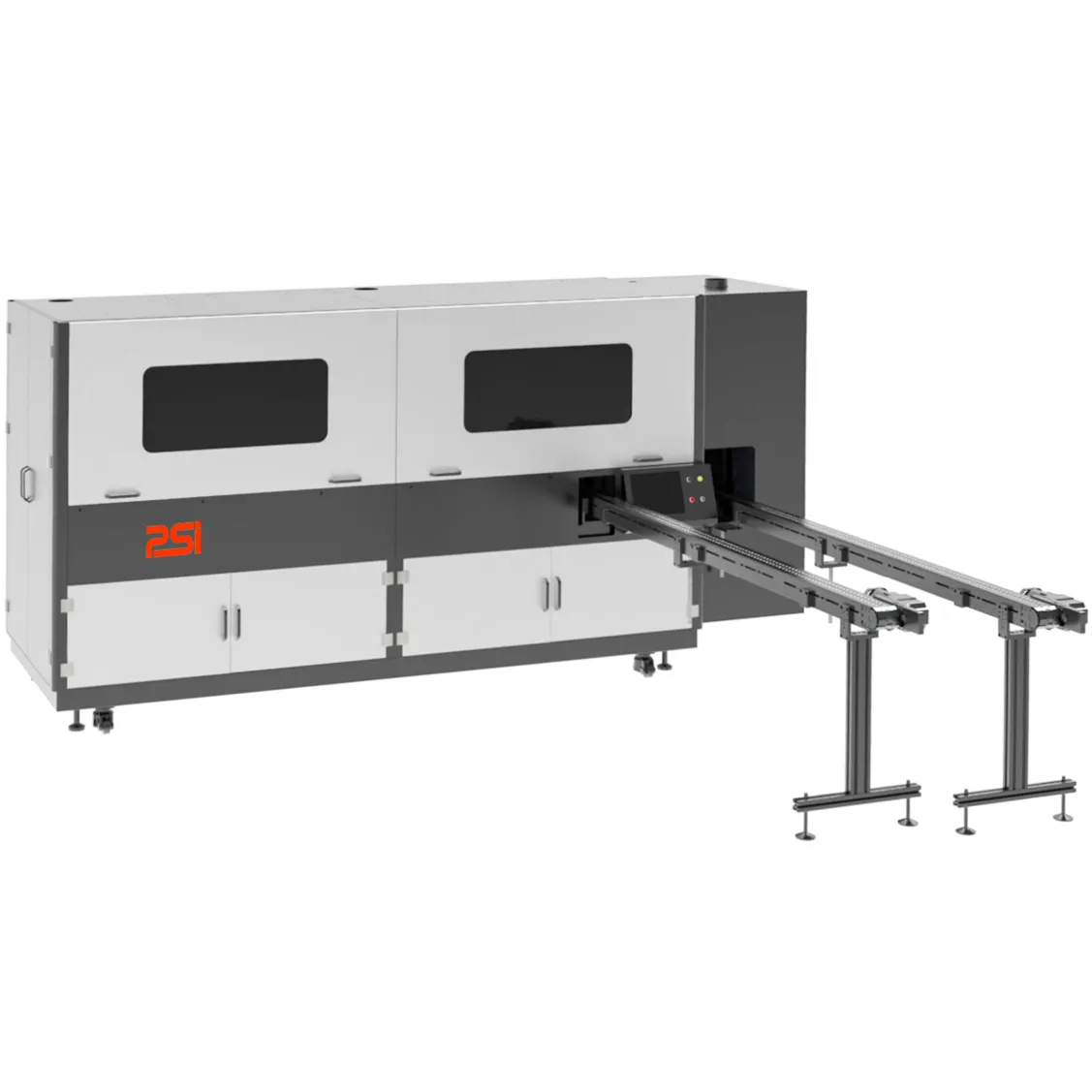
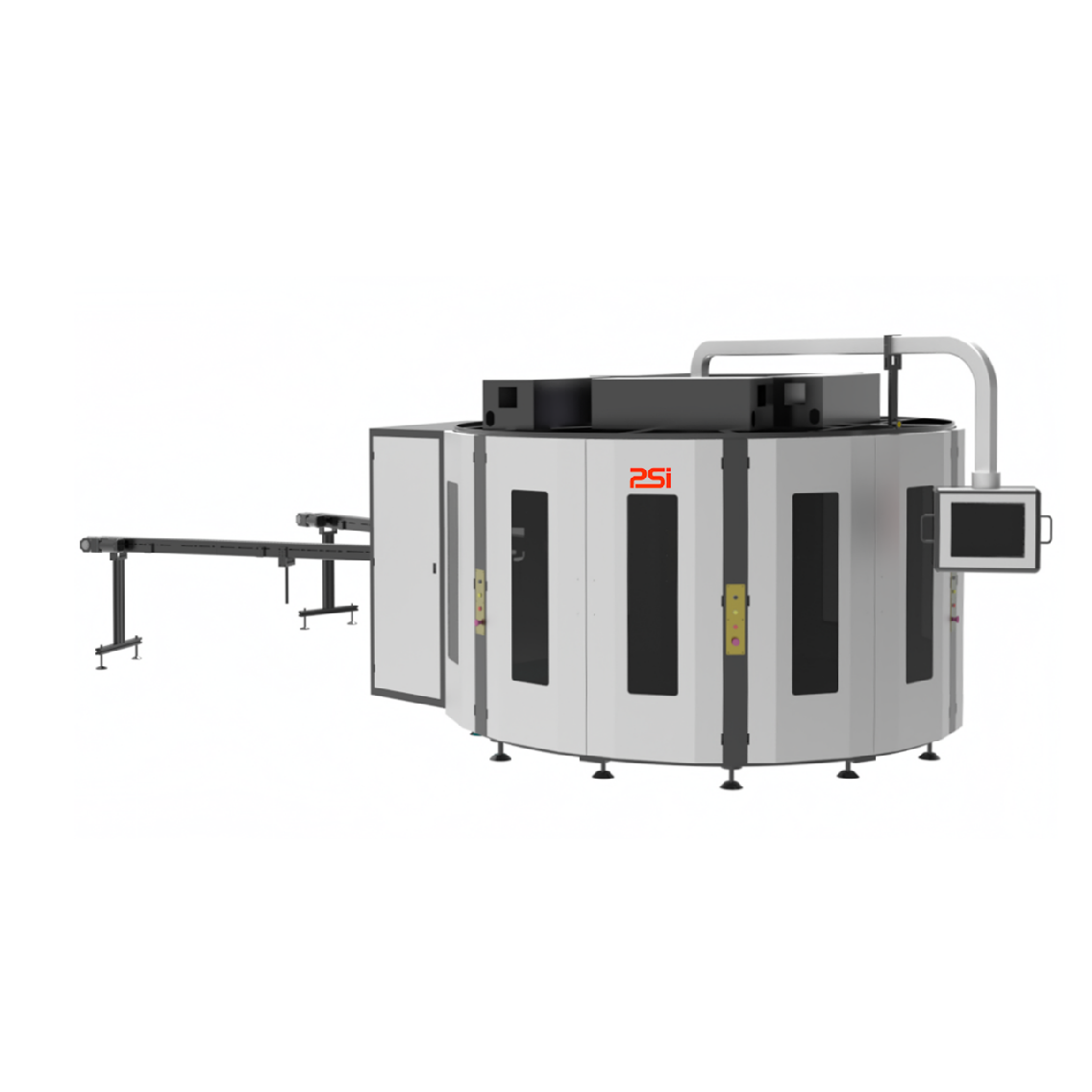
imgi_22_US200S2-6 CNC Automatic Screen Printer.png

The performance of a screen printing machine system depends on multiple integrated components working in harmony. Modern screen printing machine technology combines mechanical precision, electronic control systems, and operator expertise to deliver consistent multi-color results. This article explores how a screen printing machine achieves color consistency, the mechanical and software features that support reliable production, and practical strategies for optimizing your screen printing machine investment to maximize quality and efficiency.

Mechanical Precision and Registration Control in Screen Printing Machine Systems

The Role of Registration Accuracy in Multi-Color Production

Registration accuracy is the foundation of consistent multi-color printing. Every color layer in a multi-color design must align perfectly with the layers beneath it. A screen printing machine with advanced registration systems uses precision indexing, micro-adjustment mechanisms, and electronic alignment tools to position each color separation with micron-level accuracy. Without proper registration, color overlap becomes visible, images appear blurry, and customer specifications go unmet. A screen printing machine designed for multi-color work includes registration guides, substrate clamps, and precise pallet positioning to ensure each print cycle reproduces the same alignment as the previous one.

Automatic Positioning and Repeatability Features

A screen printing machine equipped with automatic positioning systems eliminates manual variability. CNC-controlled carousel systems in a modern screen printing machine rotate screens, substrates, and pallets to exact positions, ensuring repeatability across all production runs. Servo motors in the screen printing machine drive create smooth, controlled motion without jerking or drift. Hall sensors and feedback systems monitor positions in real-time, alerting operators if a screen printing machine deviates from specification. This automation transforms a screen printing machine into a stable production platform where the 1000th print matches the first one, ensuring multi-color consistency throughout the entire job.

Color Control Technology and Ink Management in Screen Printing Machine Systems

Ink Consistency and Temperature Management

Ink consistency directly affects color output from a screen printing machine. Temperature fluctuations alter ink viscosity, affecting how ink flows through the screen mesh and deposits onto the substrate. An advanced screen printing machine may include ink heating or cooling systems that maintain optimal ink temperatures throughout production. Viscosity sensors in a screen printing machine monitor ink thickness and alert operators to adjust consistency before quality issues occur. Mesh count, thread diameter, and emulsion thickness interact with ink formulation to determine the final color intensity and uniformity a screen printing machine produces. A screen printing machine operator who understands these relationships can fine-tune the system to deliver repeatable, consistent color across multi-color jobs.

Squeegee Pressure and Print Head Dynamics

Squeegee pressure is a critical variable in a screen printing machine's color consistency performance. Too little pressure results in insufficient ink transfer; excessive pressure can distort the design or saturate the substrate unevenly. A modern screen printing machine uses adjustable squeegee assemblies with precise pressure controls, often featuring pneumatic or electronic adjustment systems. A screen printing machine's print speed, squeegee angle, and dwell time work together to control ink penetration and color saturation. Electronic sensors in a screen printing machine monitor these parameters in real-time, automatically compensating for wear or drift. This active control ensures that each color layer in a multi-color design deposits with identical uniformity, maintaining the intended color balance and visual appearance across the entire production run.

Digital Control Systems and Color Matching in Screen Printing Machine Operations

Software-Driven Color Management

Modern screen printing machine systems incorporate software platforms that control every aspect of multi-color production. A screen printing machine's digital control system stores exact specifications for each color layer, including squeegee pressure, print speed, screen tension, and ink viscosity. When an operator loads a job, the screen printing machine automatically configures itself to match saved parameters, eliminating setup errors and reducing the learning curve for new operators. Advanced screen printing machine software may include spectrophotometric feedback, comparing printed samples against target color values and recommending adjustments. This data-driven approach transforms a screen printing machine into an intelligent production system capable of maintaining color consistency within strict industry tolerances.

Documentation, Traceability, and Quality Assurance

A professional screen printing machine system maintains detailed production logs for every job. Each print cycle records parameters, timestamps, and operator notes, creating a complete audit trail. If a color consistency issue arises, the screen printing machine's historical data allows technicians to identify when the deviation occurred and what conditions contributed to it. This traceability is essential for regulated industries, quality-conscious clients, and continuous improvement initiatives. A screen printing machine with robust documentation capabilities provides confidence that multi-color standards were met and supports rapid problem resolution if issues emerge after production.

FAQ

How does a screen printing machine maintain color consistency across long production runs?

A screen printing machine maintains color consistency through precise registration systems, automated positioning, real-time sensor monitoring, and digital parameter control. Servo motors, feedback sensors, and CNC automation ensure each print cycle reproduces identical conditions. A screen printing machine's temperature management, squeegee pressure control, and ink viscosity monitoring work together to deliver repeatable color output across thousands of impressions. Modern screen printing machine software stores job-specific parameters, so when operators reload a job, the system automatically configures itself correctly.

What role does screen mesh quality play in a screen printing machine's multi-color performance?

Screen mesh quality is fundamental to a screen printing machine's ability to reproduce consistent colors. A screen printing machine's performance depends on mesh count, thread diameter, and coating thickness, which determine ink transfer rates and edge sharpness. High-quality mesh in a screen printing machine maintains thread consistency, resists stretching, and preserves detail across entire production runs. When mesh is properly tensioned and mounted in a screen printing machine, it supports sharp color separation, vibrant hues, and clean transitions between colors in multi-color designs.

Can a screen printing machine reduce setup time for multi-color jobs?

Yes, a modern screen printing machine significantly reduces setup time through automated systems and digital job storage. A screen printing machine can recall saved configurations, automatically adjusting all parameters for a specific job within minutes. Carousel-style screen printing machine designs allow simultaneous loading of multiple colors, eliminating screen-changing delays. Advanced screen printing machine systems may include barcode or RFID recognition to load job files automatically, further accelerating changeovers and reducing operator dependency on manual configuration.