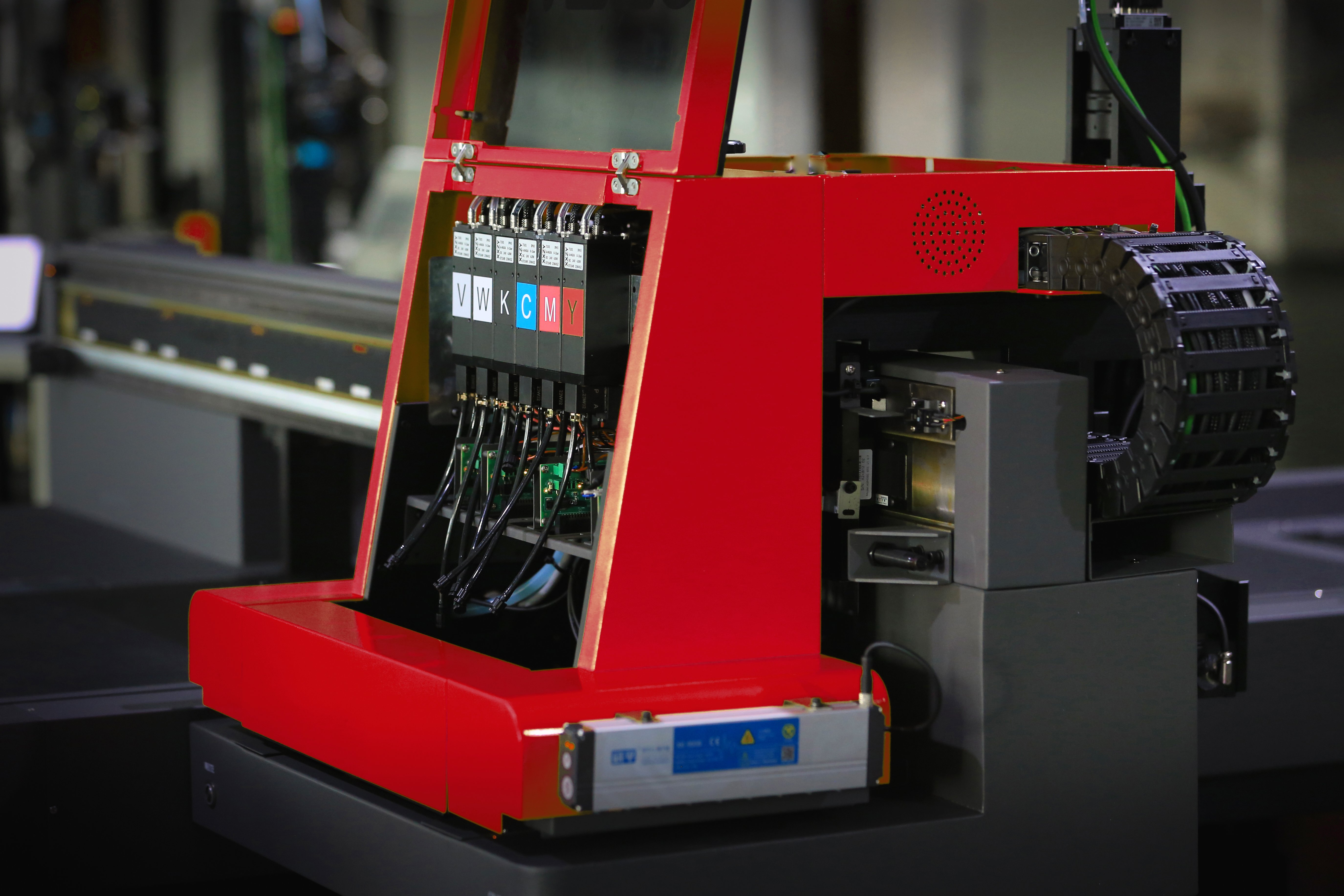
ภูมิทัศน์การผลิตในปัจจุบันต้องการความแม่นยำ ประสิทธิภาพ และความเชื่อถือได้ในทุกกระบวนการผลิต เมื่อพูดถึงการผลิตวัสดุที่พิมพ์คุณภาพสูง อุปกรณ์อิเล็กทรอนิกส์ และชิ้นส่วนอุตสาหกรรม การรักษาระดับผลลัพธ์ที่สม่ำเสมอยังคงเป็นสิ่งสำคัญยิ่งต่อความสำเร็จทางธุรกิจ โรงงานผลิตที่ทันสมัยต่างพึ่งพาอุปกรณ์ขั้นสูงที่สามารถให้ผลลัพธ์ที่ทำซ้ำได้ ขณะเดียวกันก็ลดของเสียและเพิ่มอัตราการผลิตสูงสุด การเข้าใจกลไกเบื้องหลังคุณภาพการพิมพ์ที่สม่ำเสมอจะช่วยให้ผู้ผลิตสามารถตัดสินใจเกี่ยวกับการลงทุนด้านการผลิตได้อย่างมีข้อมูลประกอบ
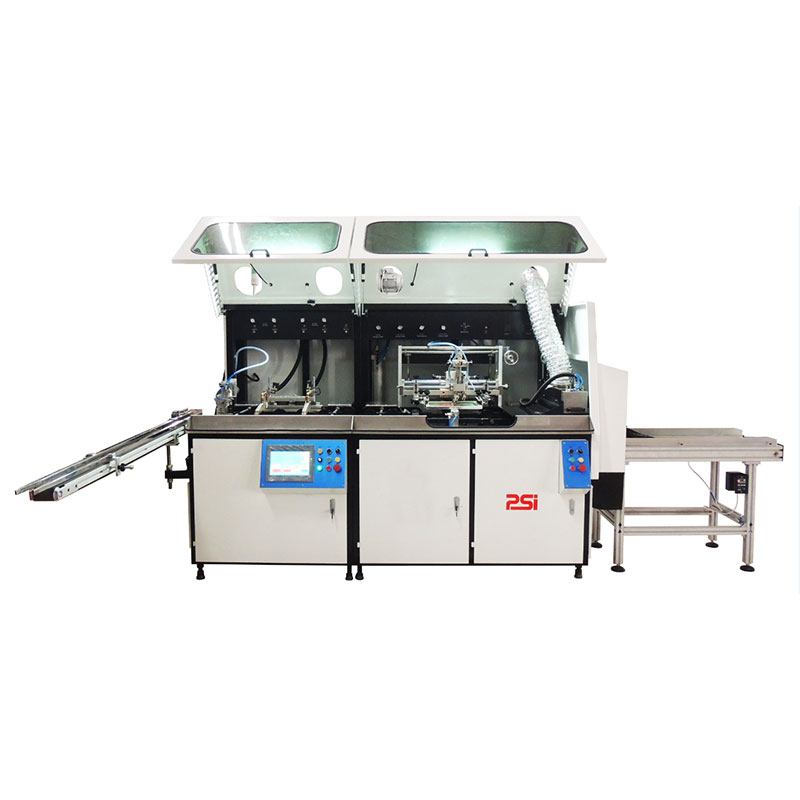
เครื่องพิมพ์สกรีนสามารถให้ผลลัพธ์ที่สม่ำเสมอได้โดยอาศัยระบบกลไกที่ออกแบบมาอย่างแม่นยำ ซึ่งควบคุมทุกด้านของกระบวนการพิมพ์ พื้นฐานอยู่ที่ชิ้นส่วนที่ผ่านการกลึงด้วยความแม่นยำสูง ซึ่งรักษาระดับความคลาดเคลื่อนที่แน่นอนตลอดการใช้งาน เครื่องจักรเหล่านี้มีกลไกขับเคลื่อนด้วยเซอร์โวที่รับประกันความแม่นยำในการจัดตำแหน่งซ้ำได้ในระดับไมครอน กรอบโครงสร้างที่มั่นคงช่วยลดการสั่นสะเทือนและการโก่งตัวระหว่างการทำงานที่ความเร็วสูง ป้องกันความแปรปรวนที่อาจส่งผลต่อคุณภาพของการพิมพ์
ระบบควบคุมอุณหภูมิมีบทบาทสำคัญในการรักษาระดับความสม่ำเสมอ โดยการควบคุมอุณหภูมิของวัสดุพื้นฐานและหมึกพิมพ์ให้อยู่ในช่วงที่เหมาะสม เครื่องจักรขั้นสูงมาพร้อมกับระบบป้อนกลับแบบวงจรปิด (closed-loop feedback systems) ซึ่งคอยตรวจสอบและปรับค่าต่างๆ อย่างต่อเนื่องแบบเรียลไทม์ การผสานรวมเอนโค้เดอร์ความละเอียดสูงและเซ็นเซอร์ตำแหน่ง ทำให้สามารถควบคุมการเคลื่อนไหวของหัวพิมพ์ได้อย่างแม่นยำ รับประกันตำแหน่งที่เหมือนกันทุกครั้งในการพิมพ์แต่ละรอบ ความแม่นยำทางกลไกนี้ถือเป็นพื้นฐานสำคัญของการดำเนินงานการพิมพ์ที่เชื่อถือได้และทำซ้ำได้อย่างต่อเนื่อง
กลไกการจัดการวัสดุพื้นฐานที่เหมาะสมจะช่วยให้วัสดุถูกจัดวางในตำแหน่งเดียวกันทุกครั้งในการพิมพ์แต่ละครั้ง เครื่องจักรรุ่นใหม่ใช้ระบบลงทะเบียนที่อิงจากภาพ (vision-based registration systems) ซึ่งสามารถตรวจจับเครื่องหมายฟิดูเชียล (fiducial marks) หรือขอบของวัสดุพื้นฐานโดยอัตโนมัติ เพื่อให้ได้การจัดแนวที่แม่นยำสมบูรณ์ ระบบเหล่านี้สามารถชดเชยความแปรปรวนเล็กน้อยของขนาดหรือตำแหน่งของวัสดุพื้นฐาน ทำให้คงความสอดคล้องของการจัดตำแหน่งตลอดการผลิตทั้งชุด นอกจากนี้ ระบบยึดวัสดุด้วยแรงดูดสุญญากาศจะช่วยยึดวัสดุพื้นฐานให้อยู่กับที่อย่างมั่นคงระหว่างกระบวนการพิมพ์ ป้องกันการเคลื่อนตัวที่อาจทำให้เกิดการเลอะหรือการจัดแนวผิดพลาด
ระบบการโหลดและถอดอัตโนมัติช่วยรักษาความสม่ำเสมอในการนำเสนอซับสเตรต พร้อมลดความแปรปรวนจากการจัดการด้วยมือ การออกแบบระบบลำเลียงเพื่อให้มั่นใจถึงการขนส่งวัสดุอย่างราบรื่นและควบคุมได้ โดยไม่ก่อให้เกิดการสั่นสะเทือนหรือข้อผิดพลาดในการจัดตำแหน่ง พารามิเตอร์ที่สามารถโปรแกรมได้ช่วยให้ผู้ปฏิบัติงานปรับแต่งลักษณะการจัดการให้เหมาะสมกับประเภทและความหนาของซับสเตรตที่แตกต่างกัน แนวทางการจัดการวัสดุแบบเป็นระบบเช่นนี้ ช่วยกำจัดปัจจัยแปรผันที่เคยเป็นสาเหตุของความไม่สม่ำเสมอในคุณภาพงานพิมพ์
ยุคปัจจุบัน เครื่องพิมพ์จอ ระบบนี้มีความสามารถในการตรวจสอบดิจิทัลอย่างซับซ้อน ที่คอยประเมินพารามิเตอร์คุณภาพงานพิมพ์อย่างต่อเนื่อง ระบบตรวจสอบด้วยภาพแบบเรียลไทม์จะจับภาพความละเอียดสูงของชิ้นงานที่พิมพ์ทุกชิ้น เพื่อวิเคราะห์มิติ ความแม่นยำของการลงทะเบียน และคุณภาพพื้นผิว ระบบเหล่านี้สามารถตรวจจับข้อบกพร่องหรือความเบี่ยงเบนภายในไม่กี่มิลลิวินาทีหลังการพิมพ์ ทำให้สามารถแก้ไขได้ทันที ก่อนที่ผลิตภัณฑ์ที่มีข้อบกพร่องจะออกจากสายการผลิต
การผสานรวมปัญญาประดิษฐ์และอัลกอริทึมการเรียนรู้ของเครื่อง ทำให้ระบบเหล่านี้สามารถคาดการณ์ปัญหาด้านคุณภาพที่อาจเกิดขึ้นได้ล่วงหน้า การวิเคราะห์ข้อมูลย้อนหลังช่วยระบุรูปแบบที่มักเกิดขึ้นก่อนปัญหาด้านคุณภาพ ซึ่งทำให้สามารถปรับแก้ล่วงหน้าเพื่อรักษามาตรฐานอย่างต่อเนื่อง โมดูลควบคุมกระบวนการทางสถิติจะติดตามตัวชี้วัดประสิทธิภาพหลัก และแจ้งเตือนผู้ปฏิบัติงานเมื่อพารามิเตอร์เบี่ยงเบนออกจากช่วงที่ยอมรับได้ แนวทางเชิงทำนายนี้ช่วยลดของเสียให้น้อยที่สุด ในขณะที่เพิ่มประสิทธิภาพโดยรวมของอุปกรณ์และคุณภาพผลิตภัณฑ์สูงสุด
การที่หมึกพิมพ์ตกลงอย่างสม่ำเสมอจำเป็นต้องควบคุมความหนืด อุณหภูมิ และลักษณะการไหลของหมึกอย่างแม่นยำ เครื่องจักรขั้นสูงมาพร้อมระบบจ่ายหมึกอัตโนมัติที่สามารถรักษาคุณสมบัติทางเรฮีโอโลยีให้อยู่ในระดับเหมาะสมตลอดกระบวนการผลิต ถังเก็บหมึกที่ควบคุมอุณหภูมิได้ช่วยป้องกันการเปลี่ยนแปลงของความหนืด ซึ่งอาจส่งผลต่อความหนาและความสม่ำเสมอของการพิมพ์ ระบบปั๊มแบบวงจรปิดส่งแรงดันหมึกไปยังใบปาดอย่างสม่ำเสมอ เพื่อให้มั่นใจว่าหมึกจะเคลือบทั่วทั้งพื้นที่พิมพ์
ระบบควบคุมแรงดันและความเร็วของใบปาดหมึกสามารถตั้งโปรแกรมได้ด้วยเซอร์โวไดรฟ์ความละเอียดสูง ซึ่งรักษาค่าพารามิเตอร์ที่แม่นยำสำหรับทุกจังหวะการพิมพ์ ระบบทำความสะอาดใบมีดอัตโนมัติป้องกันการสะสมของหมึกที่อาจทำให้เกิดรอยเปื้อนหรือการพิมพ์ที่ไม่สม่ำเสมอ การรวมมิเตอร์วัดการไหลและเซ็นเซอร์วัดแรงดันช่วยให้ได้รับข้อมูลป้อนกลับแบบเรียลไทม์เกี่ยวกับประสิทธิภาพการส่งหมึก ทำให้สามารถปรับเปลี่ยนอัตโนมัติเพื่อรักษาสภาพการพิมพ์ที่เหมาะสมที่สุด ระบบจัดการหมึกที่ซับซ้อนเหล่านี้ช่วยขจัดตัวแปรด้วยตนเองที่ส่งผลต่อความสม่ำเสมอของการพิมพ์แบบดั้งเดิม
สภาพแวดล้อมการผลิตในยุคปัจจุบันต้องการการตรวจสอบคุณภาพทันที โดยไม่รบกวนขั้นตอนการผลิต ระบบตรวจสอบแบบบูรณาการสามารถประเมินคุณภาพอย่างละเอียดในแต่ละชิ้นงานที่พิมพ์ออกมา โดยไม่ทำให้ความเร็วในการผลิตลดลง กล้องความเร็วสูงจะถ่ายภาพหลายมุมมอง เพื่อให้สามารถวิเคราะห์ผิวสัมผัสได้อย่างครบถ้วนในด้านข้อบกพร่อง ขนาด และความแม่นยำของสี ระบบเหล่านี้สามารถตรวจจับความคลาดเคลื่อนที่เล็กเพียงไม่กี่ไมครอน ซึ่งช่วยให้มั่นใจได้ว่าผลิตภัณฑ์ที่ผ่านเกณฑ์เฉพาะทางเท่านั้นที่จะดำเนินต่อไปในกระบวนการผลิต
ข้อมูลการตรวจสอบจะถูกบันทึกและวิเคราะห์โดยอัตโนมัติเพื่อระบุแนวโน้มหรือปัญหาเชิงระบบซึ่งอาจส่งผลต่อการผลิตในอนาคต ระบบปฏิเสธอัตโนมัติจะนำชิ้นส่วนที่มีข้อบกพร่องออกจากสายการผลิต พร้อมทั้งเก็บรักษาประวัติอย่างละเอียดสำหรับการวิเคราะห์คุณภาพ การผสานรวมกับระบบการดำเนินงานการผลิตทำให้ทีมบริหารสามารถเข้าถึงสถานะการผลิตและตัวชี้วัดคุณภาพแบบเรียลไทม์ แนวทางการประกันคุณภาพอย่างครอบคลุมนี้ช่วยให้มั่นใจได้ว่าปัญหาความไม่สม่ำเสมอจะถูกระบุและแก้ไขทันที
การรักษาระดับความสม่ำเสมอของการพิมพ์จำเป็นต้องมีขั้นตอนการปรับเทียบอย่างเป็นระบบ เพื่อตรวจสอบและปรับค่าพารามิเตอร์ของเครื่องจักรอย่างสม่ำเสมอ โปรแกรมการปรับเทียบอัตโนมัติจะตรวจสอบมิติที่สำคัญ ความแม่นยำในการจัดตำแหน่ง และค่าพารามิเตอร์การทำงานตามกำหนดเวลาที่ระบุไว้ล่วงหน้า ขั้นตอนเหล่านี้ใช้เครื่องมือวัดความละเอียดสูงและมาตรฐานอ้างอิง เพื่อให้มั่นใจว่าประสิทธิภาพของเครื่องจักรยังคงอยู่ในข้อกำหนดตลอดระยะเวลาการใช้งาน ข้อมูลการปรับเทียบจะถูกจัดเก็บในฐานข้อมูลที่ติดตามแนวโน้มประสิทธิภาพของเครื่องจักร และช่วยทำนายความต้องการในการบำรุงรักษา
โปรแกรมการบำรุงรักษาก่อนเกิดปัญหาถูกรวมเข้ากับระบบควบคุมเครื่องจักร โดยให้การแจ้งเตือนตามกำหนดเวลาและการตรวจสอบวินิจฉัยอัตโนมัติ เพื่อป้องกันปัญหาด้านคุณภาพก่อนที่จะเกิดขึ้น การวิเคราะห์เชิงคาดการณ์ใช้ข้อมูลการสั่นสะเทือน อุณหภูมิ และประสิทธิภาพในการทำงาน เพื่อระบุชิ้นส่วนที่อาจต้องได้รับการดูแล ระบบการวางแผนการบำรุงรักษาจะประสานงานร่วมกับการวางแผนการผลิต เพื่อลดระยะเวลาที่เครื่องจะหยุดทำงาน พร้อมทั้งรักษาระดับประสิทธิภาพของเครื่องจักรให้อยู่ในเกณฑ์สูงสุด การดำเนินการเชิงรุกในการดูแลเครื่องจักรนี้ ช่วยรักษาระดับความแม่นยำที่จำเป็นเพื่อให้ได้คุณภาพการพิมพ์ที่สม่ำเสมอตลอดอายุการใช้งานของอุปกรณ์
การได้ผลลัพธ์ที่สม่ำเสมอจำเป็นต้องมีการมาตรฐานพารามิเตอร์กระบวนการทั้งหมดที่มีผลต่อคุณภาพการพิมพ์ เครื่องจักรรุ่นใหม่เก็บสูตรกระบวนการอย่างสมบูรณ์ ซึ่งกำหนดค่าการตั้งค่าที่เหมาะสมสำหรับผลิตภัณฑ์ วัสดุพื้นฐาน และสูตรหมึกต่างๆ สูตรเหล่านี้รวมถึงข้อกำหนดที่แม่นยำสำหรับแรงดันใบปาด ความเร็วการพิมพ์ ระยะห่างของการเด้งกลับ และสภาพแวดล้อม ระบบจัดการสูตรอัตโนมัติช่วยลดความแปรปรวนของผู้ปฏิบัติงาน โดยการรับประกันว่าพารามิเตอร์การตั้งค่าจะเหมือนกันทุกครั้งในการผลิตแต่ละครั้ง
ขีดความสามารถในการพัฒนากระบวนการช่วยให้วิศวกรสามารถปรับพารามิเตอร์การพิมพ์ให้เหมาะสมที่สุดผ่านการทดลองอย่างเป็นระบบและการวิเคราะห์ข้อมูล การออกแบบการทดลองเชิงสถิติช่วยระบุพารามิเตอร์ที่สำคัญที่สุดและค่าตั้งค่าที่เหมาะสมที่สุดสำหรับการใช้งานต่างๆ เครื่องมือการปรับแต่งสูตรการผลิตใช้ข้อมูลการผลิตในอดีตเพื่อปรับปรุงค่าตั้งค่ากระบวนการอย่างต่อเนื่องและลดความแปรปรวน แนวทางทางวิทยาศาสตร์ในการควบคุมกระบวนการนี้ทำให้มั่นใจได้ว่าเครื่องพิมพ์กรองแต่ละเครื่องทำงานที่ประสิทธิภาพสูงสุดในขณะที่ยังคงรักษามาตรฐานคุณภาพระดับสูง
ปัจจัยด้านสิ่งแวดล้อมมีผลกระทบอย่างมากต่อความสม่ำเสมอของการพิมพ์ จำเป็นต้องควบคุมอย่างครอบคลุมในเรื่องอุณหภูมิ ความชื้น และคุณภาพอากาศ ระบบควบคุมสภาพภูมิอากาศจะรักษาระดับสภาวะให้มีความคงที่ภายในพื้นที่พิมพ์ เพื่อป้องกันความผันผวนที่อาจส่งผลต่อคุณสมบัติของหมึกหรือขนาดของวัสดุพิมพ์ ระบบกรองอากาศจะกำจัดสิ่งปนเปื้อนที่อาจก่อให้เกิดข้อบกพร่องในการพิมพ์หรือปัญหาด้านคุณภาพผิว ส่วนระบบตรวจสอบสิ่งแวดล้อมจะติดตามสภาวะต่าง ๆ อย่างต่อเนื่อง และแจ้งเตือนผู้ปฏิบัติงานเมื่อพารามิเตอร์เกินช่วงที่ยอมรับได้
ระบบกันการสั่นสะเทือนช่วยปกป้องกระบวนการพิมพ์ที่ไวต่อการรบกวนจากสิ่งรบกวนภายนอก ซึ่งอาจส่งผลต่อการจัดตำแหน่งหรือคุณภาพการพิมพ์ ข้อพิจารณาในการออกแบบสถานที่ประกอบด้วยระบบฐานรากที่เหมาะสมและการแยกโครงสร้าง เพื่อลดผลกระทบจากเครื่องจักรหรือยานพาหนะใกล้เคียง ระบบแสงสว่างให้การส่องสว่างอย่างสม่ำเสมอสำหรับระบบวิชันและงานตรวจสอบของผู้ปฏิบัติงาน โดยไม่เพิ่มความร้อนที่อาจกระทบต่อความเสถียรของกระบวนการ การควบคุมสภาพแวดล้อมอย่างครอบคลุมเหล่านี้สร้างเงื่อนไขที่เหมาะสมสำหรับประสิทธิภาพการพิมพ์ที่สม่ำเสมอ
ปัจจัยที่สำคัญที่สุดซึ่งมีผลต่อความสม่ำเสมอของการพิมพ์ ได้แก่ ความแม่นยำทางกลของระบบตำแหน่ง การเสถียรภาพของสภาพแวดล้อม คุณสมบัติการไหลของหมึก และความแม่นยำในการจัดการวัสดุพิมพ์ ระบบอัตโนมัติในยุคปัจจุบันจัดการกับปัจจัยเหล่านี้ผ่านกลไกการกำหนดตำแหน่งที่ขับเคลื่อนด้วยเซอร์โว การส่งหมึกที่ควบคุมอุณหภูมิ สภาพแวดล้อมการพิมพ์ที่ควบคุมสภาพอากาศ และระบบลงทะเบียนด้วยภาพ การสอบเทียบและบำรุงรักษาระบบเหล่านี้อย่างสม่ำเสมอมั่นใจได้ถึงความสม่ำเสมอในระยะยาว และป้องกันการเสื่อมคุณภาพการพิมพ์อย่างช้าๆ ตามกาลเวลา
ระบบการตรวจสอบด้วยภาพให้การประเมินคุณภาพแบบเรียลไทม์ โดยการจับภาพความละเอียดสูงของแต่ละชิ้นงานที่พิมพ์ออกมา และวิเคราะห์พารามิเตอร์สำคัญ เช่น ความแม่นยำของการลงทะเบียน ความสอดคล้องของขนาด และข้อบกพร่องบนพื้นผิว ระบบเหล่านี้ใช้อัลกอริธึมการประมวลผลภาพขั้นสูงในการตรวจจับความแปรปรวนภายในกรอบเวลาไมโครวินาที ทำให้สามารถแก้ไขกระบวนการได้ทันที การเชื่อมต่อกับระบบควบคุมเครื่องจักรช่วยให้สามารถปรับพารามิเตอร์โดยอัตโนมัติ เพื่อรักษาระดับคุณภาพการพิมพ์ให้อยู่ในเกณฑ์เหมาะสมที่สุด โดยไม่รบกวนลำดับการผลิต
การปฏิบัติที่จำเป็นในการบำรุงรักษารวมถึงการปรับเทียบระบบตำแหน่งอย่างสม่ำเสมอ การทำความสะอาดชิ้นส่วนระบบจ่ายหมึกอย่างเป็นระบบ การเปลี่ยนชิ้นส่วนที่สึกหรอ เช่น ใบมีดสกรีน เป็นระยะ และการตรวจสอบระบบควบคุมสภาพแวดล้อม โปรแกรมการบำรุงรักษาเชิงพยากรณ์ใช้ข้อมูลจากเซ็นเซอร์เพื่อระบุปัญหาที่อาจเกิดขึ้นก่อนที่จะส่งผลต่อคุณภาพการพิมพ์ ช่วงเวลาการบำรุงรักษาตามแผนควรกำหนดตามปริมาณการผลิตและสภาพการทำงาน โดยต้องให้ความใส่ใจบ่อยขึ้นในงานที่มีปริมาณมากหรือในสภาพแวดล้อมการพิมพ์ที่ท้าทาย
การเพิ่มประสิทธิภาพต้องอาศัยการประเมินคุณลักษณะของวัสดุพื้นฐานอย่างเป็นระบบ ซึ่งรวมถึงความหนา พลังงานผิว คุณสมบัติทางความร้อน และความเสถียรด้านมิติ ต้องปรับค่าพารามิเตอร์กระบวนการ เช่น แรงดันใบปาด ความเร็วในการพิมพ์ และระยะห่างขณะแยกแม่พิมพ์ ตามคุณสมบัติของวัสดุพื้นฐานและสูตรหมึก เครื่องจักรรุ่นใหม่สามารถจัดเก็บสูตรกระบวนการทั้งหมดที่กำหนดค่าตั้งค่าที่เหมาะสมสำหรับแต่ละประเภทของวัสดุพื้นฐาน ทำให้มั่นใจได้ถึงการตั้งค่าที่สอดคล้องกันและลดความแปรปรวนจากผู้ปฏิบัติงาน การตรวจสอบกระบวนการอย่างสม่ำเสมอจะยืนยันว่าค่าตั้งค่ายังคงผลิตผลลัพธ์ที่เหมาะสมต่อเนื่องไปเมื่อวัสดุหรือสภาพแวดล้อมเปลี่ยนแปลง

 EN
EN
 AR
AR FR
FR DE
DE HI
HI IT
IT JA
JA KO
KO PT
PT RU
RU ES
ES IW
IW ID
ID VI
VI TH
TH TR
TR FA
FA
 ข่าวร้อน