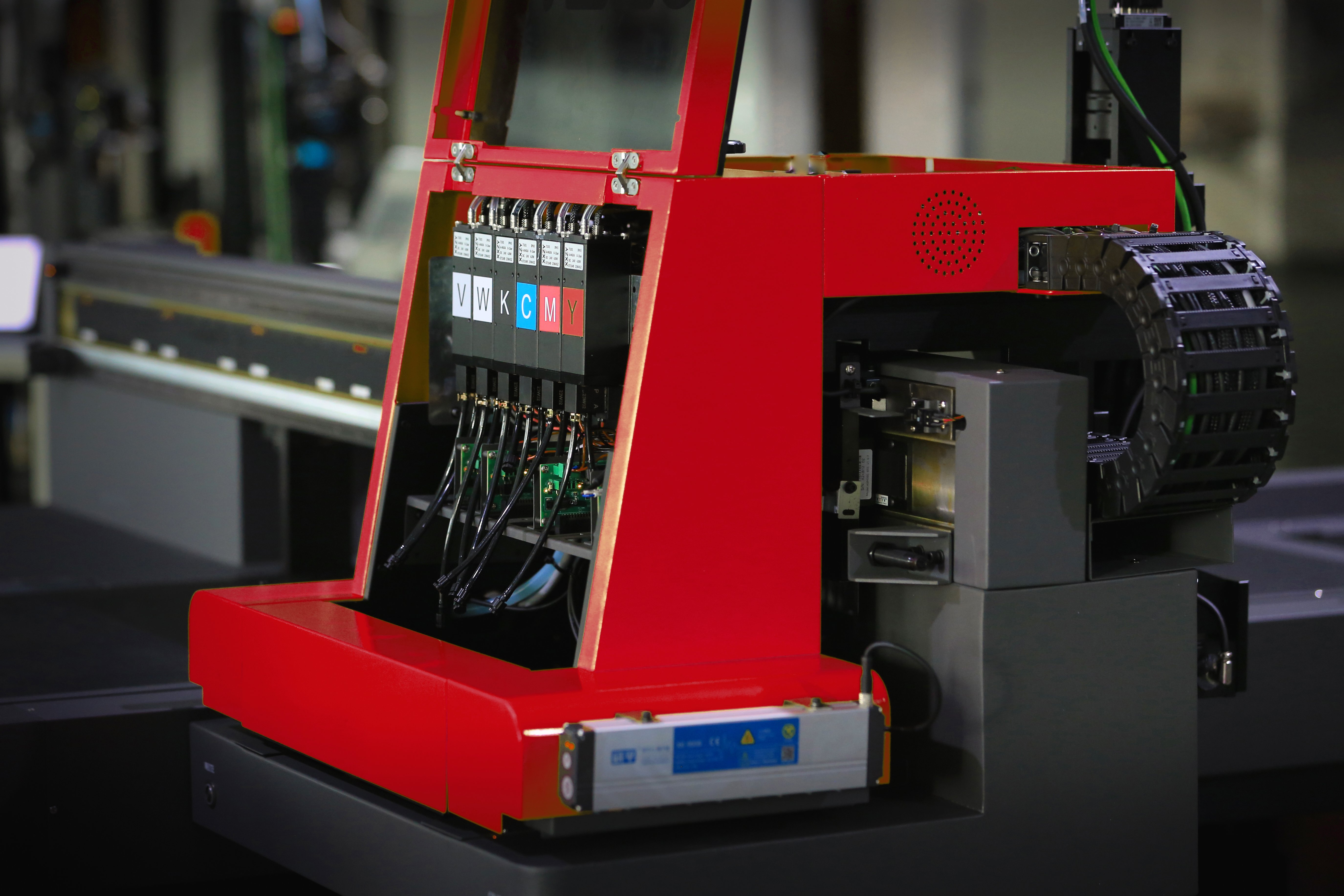
Dünya genelindeki imalat sanayii, ürünlerin logoları, seri numaraları ve temel bilgilerle işaretlenmesi için hassas ve verimli baskı çözümlerine dayanmaktadır. Bir pad baskı makinesi, kazınmış bir plakadan üç boyutlu nesnelere mürekkep aktarma konusunda en çok yönlü ve güvenilir baskı teknolojilerinden biri olarak öne çıkmıştır. Bu yenilikçi baskı yöntemi, olağanüstü bir doğruluk ve tutarlılık sunar ve bu da otomotivden tıbbi cihaz üretimine kadar çeşitli sektörler için vazgeçilmez hale getirir. Bu teknolojinin uygulanmasının kapsamlı avantajlarını anlamak, işletmelerin baskı altyapıları ve operasyonel verimlilikleri konusunda bilinçli kararlar almalarına yardımcı olabilir.
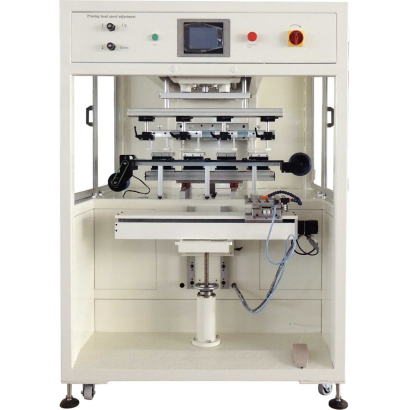
Modern baskı sistemlerinde kullanılan silikon ped teknolojisi, birçok alternatif baskıyı aşan olağanüstü derecede ince detay reproduksiyonu sağlar. Bu gelişmiş mekanizma, 0,1 mm kadar dar hat genişliklerine sahip karmaşık tasarımları aktarabilir ve en kompleks logoların ve metinlerin dahi keskin ve okunaklı kalmasını sağlar. Silikon pedin elastik yapısı, düzensiz yüzeylere mükemmel şekilde uyar ve baskı alanının tamamında sürekli mürekkep transfer basıncını korur.
Elektronik ve havacılık gibi yüksek hassasiyetli işaretleme gerektiren sektörler, bu düzeydeki detay doğrulundan özellikle faydalanır. Devre kartları, kontrol panelleri ve ölçü aleti yüzeyleri genellikle doğru tanımlama işaretlemesi gereken çok sayıda küçük bileşenden oluşur. Kontrollü mürekep transfer süreci, her bir basılan öğenin uzun üretim süreçleri boyunca orijinal boyutlarını ve netliğini korumasını sağlar.
Profesyonel baskı uygulamaları, binlerce basılı ürün boyunca güvenilir renk tutarlılığı gerektirir ve modern damgalama baskı sistemleri bu kritik alanda üstün performans gösterir. Kontrollü mürekkep dozaj sistemi, her baskıya tam olarak aynı mürekkep miktarının verilmesini sağlayarak, eşit renk yoğunluğu ve doygunluğu elde edilmesine olanak tanır. Bu tutarlılık, farklı ürün hatları boyunca kesin renk özelliklerini korumak zorunda olan kurumsal marka unsurlarını bastırırken özellikle önem kazanır.
Çok renkli baskı imkanı, gradyanlar, üst üste binen renkler ve hassas renk hizalaması içeren karmaşık tasarımlara olanak tanır. İleri düzey sistemler, her bir renk katmanı arasında mükemmel hizalamayı korurken aynı anda altı renge kadar baskı yapabilir. Bu yetenek, daha basit baskı yöntemleriyle gerçekleştirilemeyecek kadar karmaşık markalaşma ve tanımlama şemaları için yeni olanaklar sunar.
En önemli avantajlardan biri pad Baskı Makinesi teknolojinin neredeyse her malzeme yüzeyine baskı yapabilme yeteneğinde yatmaktadır. Sert plastikler ve metallerden esnek kauçuk ve kumaş malzemelere kadar, silikon baskı tablası farklı yüzey dokularına ve sertlik seviyelerine uyar. Bu çeşitlilik, birden fazla baskı sistemi ihtiyacını ortadan kaldırarak ekipman maliyetlerini azaltır ve üretim süreçlerini basitleştirir.
Pürüzsüz ve gözeneksiz yapıları nedeniyle birçok baskı yöntemi için zorluk oluşturan cam yüzeyler, özel mürekkepler ve uygun yüzey hazırlığı ile etkili bir şekilde bastırılabilir. Benzer şekilde, doğrudan temaslı baskı yöntemlerinde sorun yaratabilecek doku oluşturulan yüzeyler, esnek tabla sistemi için hiçbir sorun teşkil etmez. Tablanın sıkışma ve genişleme yeteneği, sert baskı mekanizmalarının ulaşamayacağı girintili bölgelere ve çıkıntılı alanların etrafına baskı yapılmasını sağlar.
Geleneksel baskı yöntemleri, eğriler, açılar ve düzensiz yüzeyler içeren üç boyutlu nesnelerde genellikle zorlanır. Elastik silikon baskı padi teknolojisi, karmaşık geometrilere uyum sağlarken tutarlı baskı kalitesini koruyarak bu sınırlamaların üstesinden gelir. Şişeler, tüpler ve borular gibi silindirik nesneler, çevresel tam bir hizalama ve netlikle sarılmış tasarımlarla basılabilir.
Oymuk ve çıkıntılı yüzeyler, baskı damgası yönteminin olağanüstü verimlilikle yönettiği özel zorluklar sunar. Golf topları, bilgisayar faresi muhafazaları ve otomotiv iç aksamları gibi ürünlerin hepsi, bu baskı yönteminin yarar sağladığı karmaşık eğri yüzeylere sahiptir. Padin esnekliği, tek bir baskı sırasında birden fazla yüzey açısında bile mürekkep aktarımının tam olarak gerçekleşmesini garanti eder.
İmalat verimliliği, kurulum sürelerinin en aza indirilmesine ve üretim kapasitesinin maksimize edilmesine büyük ölçüde bağlıdır. Modern pad baskı sistemleri, operatörlerin farklı tasarımlar arasında saatler değil dakikalar içinde geçiş yapmalarını sağlayan hızlı plaka değiştirme sistemlerine sahiptir. Bu hızlı değişim özelliği, uzun üretim partilerindekiyle aynı kalite standartlarını korurken küçük sermayi üretimini ekonomik olarak uygun hale getirir.
Bu sistemlerde kullanılan gravür baskı plakaları, yüksek kaliteli çelik plakaların değiştirilmesi gerene kadar yüzbinlerce baskı üretebilmesiyle dikkat çekici bir dayanıklılık sunar. Bu uzun ömürlülük, özellikle orta ve yüksek hacimli üretimlerde birim baskı maliyetlerinin doğrudan düşmesini sağlar. Ayrıca, plakalar tekrarlanan siparişler için saklanabilir ve yeniden kullanılabilir, böylece tekrar eden işler için maliyetli kurulum işlemlerinin yapılmasına gerek kalmaz.
Çevresel dikkatler ve maliyet kontrolü, pad baskı işlemlerinin minimum atık üretme özelliğinden fayda sağlar. Kapalı mürekkep kupa sistemi, mürekkebin buharlaşmasını ve kirlenmesini engelleyerek kullanılmayan mürekkebin saklanıp gelecekteki üretimlerde tekrar kullanılmasını sağlar. Bu verimli mürekkep yönetim sistemi, ekran baskısı veya diğer alternatiflere kıyasla önemli ölçüde daha düşük malzeme atığı seviyelerine neden olur.
Mürekkep transfer sürecinin hassasiyeti, normal çalışma sırasında çok az mürekkep israfına neden olur ve ekranlar veya diğer tüketilen bileşenlerin olmaması, sürekli işletme maliyetlerini daha da düşürür. Tek bir geçişte çok renkli baskı yapabilme özelliğiyle birleştirildiğinde, bu verimlilik kazançları ekipmanın kullanım ömrü boyunca önemli maliyet tasarrufları sağlar.
Modern otomatik pad baskı sistemleri, tutarlı kalite standartlarını korurken etkileyici üretim hızlarına ulaşabilir. Uygun şekilde yapılandırılmış ekipmanlarla saatte 1200 baskıya kadar çevrim süreleri elde edilebilir ve bu sistemleri yüksek hacimli üretim ortamları için uygun hale getirir. Güncel makinelerin mekanik hassasiyeti, bu hızın baskı kalitesini veya doğruluğunu etkilemediğinden emin olur.
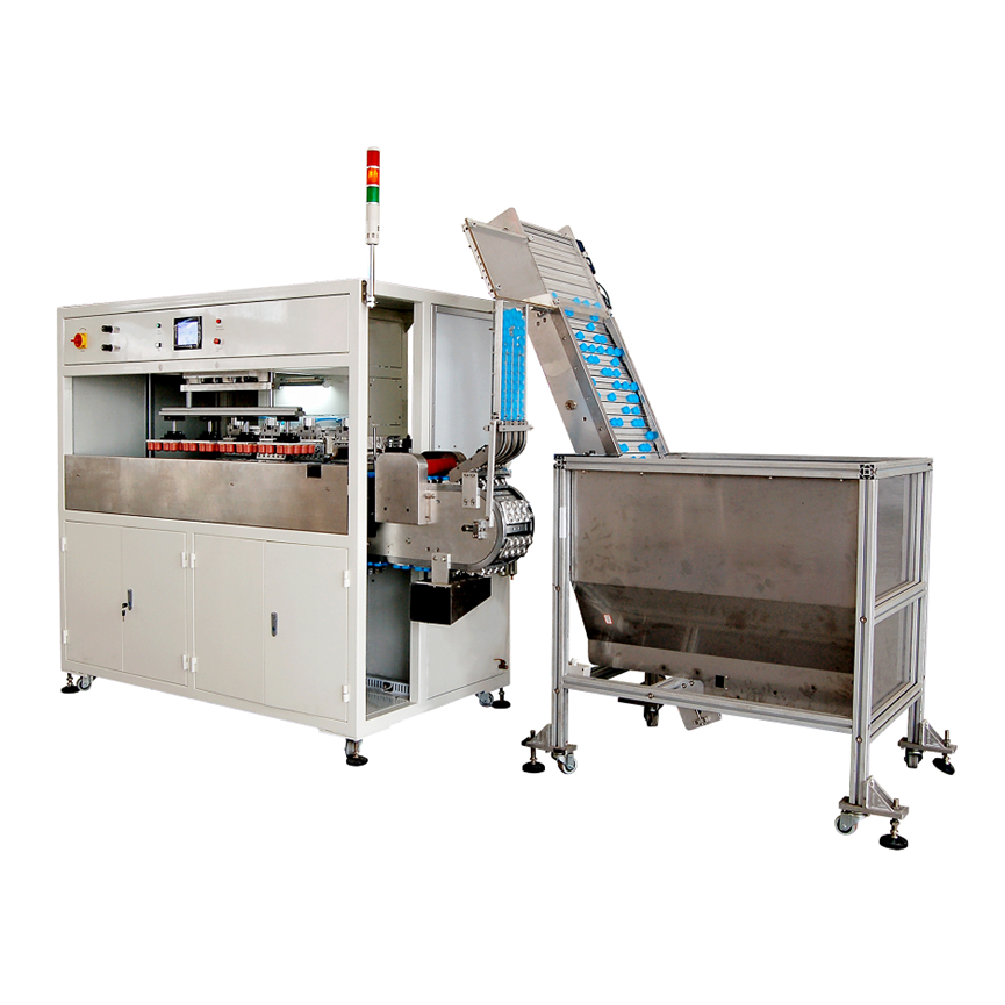
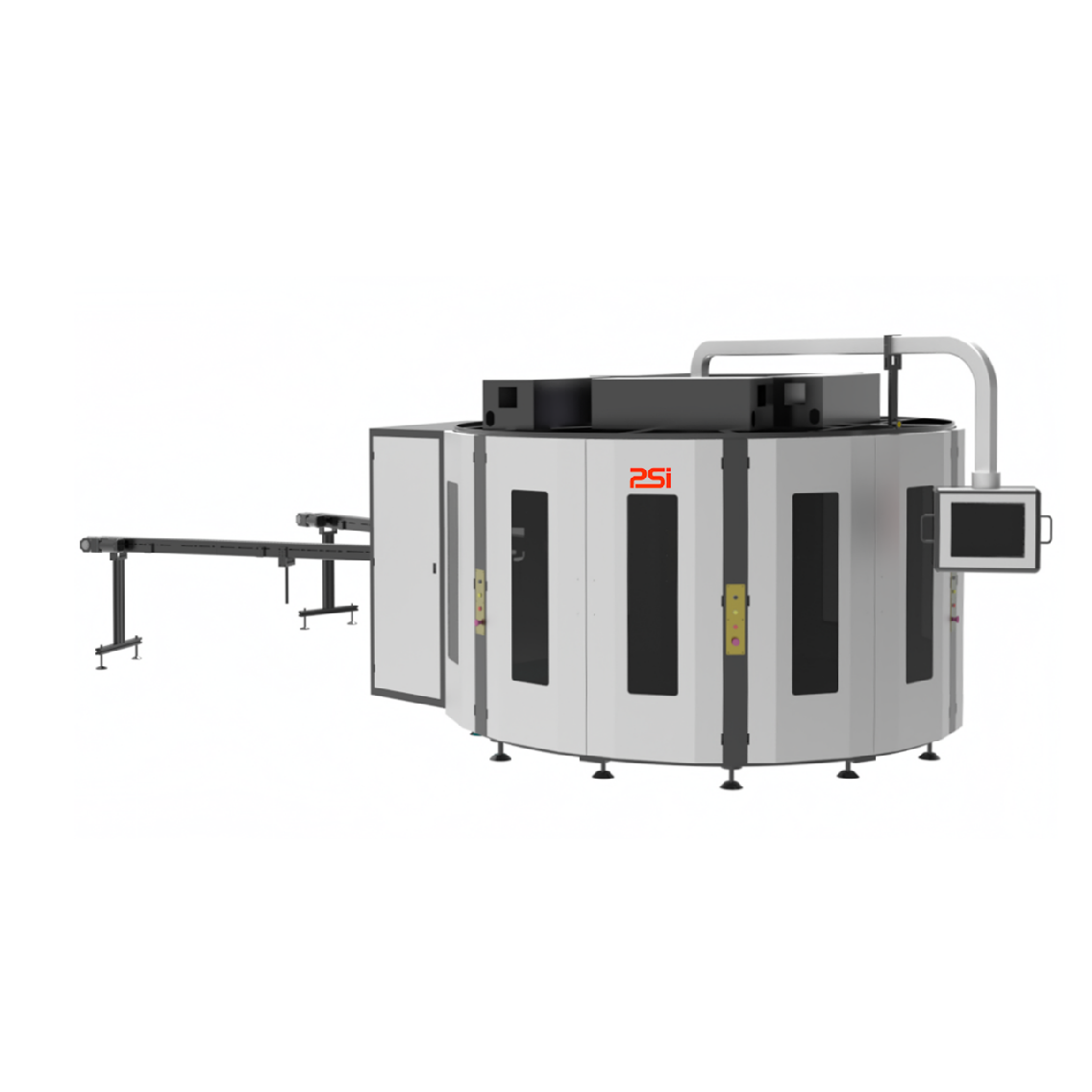
Çoklu istasyonlu yapılandırmalar, tek bir parçaya birden fazla renk baskı yapılması veya birden fazla parçanın aynı anda basılmasını sağlayarak üretim kapasitesini etkili bir şekilde çarparak artırır, ancak buna karşılık alan gereksinimi orantılı şekilde artmaz. Bu sistemler mevcut üretim hatlarına entegre edilebilir ve üretim adımları arasında sürekli çalışma ve minimum müdahale imkanı sunar.
Endüstri 4.0 üretim prensipleri, modern pad baskı teknolojisinin öne çıktığı alanlar olan bağlantılılık ve otomasyona vurgu yapar. Robotik taşıma sistemleri, konveyör hatları ve kalite kontrol ekipmanlarıyla entegrasyon, minimum düzeyde manuel müdahalenin gerektiği sorunsuz üretim akışları oluşturur. Programlanabilir mantık denetleyicileri, birden fazla üretim süreci arasında hassas zamanlama koordinasyonu sağlar.
Görüş sistemleri, baskının kalitesini gerçek zamanlı olarak doğrulamak, hatalı parçaları otomatik olarak reddetmek ve istatistiksel süreç kontrol verilerini sürdürmek amacıyla entegre edilebilir. Bu düzeydeki otomasyon, üretim verimliliğini yalnızca artırmakla kalmaz, aynı zamanda sürekli iyileştirme girişimleri ve kalite yönetim sistemi uyumluluğu için değerli veriler sağlar.
Çevresel yönetim, üretim operasyonlarında giderek daha önemli hale geliyor ve tampon baskı teknolojisi bu alanda çeşitli avantajlar sunuyor. Kapalı mürekkep haznesi sistemi, açık mürekkep sistemlerinde yaygın olan uçucu organik bileşik emisyonlarını önler. Bu koruma, iş yeri hava kirliliğini azaltır ve tesislerin giderek daha sıkı hale gelen çevre yönetmeliklerine uymasına yardımcı olur.
Tampon baskı sistemleriyle uyumlu su bazlı ve UV kürlemeli mürekkepler, solvent bazlı mürekkeplere çevre dostu alternatifler sunar. Bu gelişmiş mürekkep formülleri, mükemmel yapışma ve dayanıklılık sağlarken çevresel etkiyi önemli ölçüde azaltır. Azaltılmış solvent kullanımı, operatörler için daha güvenli çalışma koşulları yaratır ve tehlikeli maddelerin bertaraf maliyetlerini düşürür.
Operatör güvenliği açısından pad baskı sistemleri birçok alternatif teknolojiye göre daha avantajlıdır. Kapsamlı baskı süreci mürekkep ve çözücülere doğrudan teması en aza indirerek maruziyet riskini azaltır. Ayrıca bu sistemlerin mekanik çalışması genellikle parçaların elle daha az tutulmasını gerektirir ve bu da tekrarlayıcı stres yaralanmalarını azaltarak genel işyeri ergonomisini iyileştirir.
Modern sistemler, acil durdurma sistemleri, ışın perdeleri ve güvenlik protokolleri izlenmediğinde çalışmayı engelleyen kilitlemeli koruyucular gibi birçok güvenlik özelliğini içerir. Bu özellikler, mesleki güvenlik yönetmeliklerine uyumu sağlamakla kalmaz, aynı zamanda operatör hatalarından kaynaklanan hasarlara karşı değerli ekipmanı da korur.
Kalite yönetim sistemleri, baskı teknolojisinin güvenilir bir şekilde sağladığı tutarlı ve tekrarlanabilir sonuçlar gerektirir. Modern ekipmanın mekanik hassasiyeti, baskı basıncı, mürekkep filmi kalınlığı ve yerleştirme gibi değişkenlerin üretim boyunca sabit kalmasını sağlar. Bu tutarlılık, genellikle manuel baskı süreçlerini etkileyen değişkenlikleri ortadan kaldırır ve kapsamlı kalite kontrol prosedürlerine olan ihtiyacı azaltır.
İstatistiksel süreç kontrolü, baskı parametreleri zaman içinde sabit kaldığında çok daha etkili hale gelir. Tam baskı koşullarının belgelenmesi ve tekrarlanabilmesi, üreticilerin belirlenmiş kalite standartlarından herhangi bir sapmayı hızlı bir şekilde tespit etmesini ve düzeltmesini sağlar. Bu tahmin edilebilirlik, özellikle belgelendirme ve izlenebilirlik gereken düzenlenmiş sektörlerde büyük değer taşır.
Pad baskıda mürekkep transfer mekanizması, birçok yüzey baskı yöntemine kıyasla üstün yapışma sağlar. Kontrollü baskı uygulaması ve hassas mürekkep dozajı, mürekkebin malzeme yüzeylerine optimal nüfuz etmesini sağlayarak aşınmaya, kimyasallara ve çevresel etkilere karşı dirençli bağlar oluşturur. Bu artan dayanıklılık, garanti taleplerini ve ürün iadelerini azaltırken basılı işaretlemelerin etkin ömrünü uzatır.
Belirli malzemeler ve çevresel koşullar için tasarlanmış özel mürekkep formülasyonları, dayanıklılığı daha da artırır. UV'ye dayanıklı mürekkepler, uzun süreli güneş ışığına maruz kalınırken renk stabilitesini korurken, kimyasallara dayanıklı formülasyonlar sert endüstriyel ortamlara karşı direnç gösterir. Belirli uygulamalar için uygun mürekkep sistemlerinin seçilmesi, çeşitli çalışma koşullarında optimal performans sağlar.
Pad printing sistemleri, çözücü bazlı, su bazlı ve UV ile sertleşen mürekkep türleri dahil olmak üzere çeşitli mürekkep türleriyle etkili bir şekilde çalışır. Çözücü bazlı mürekkepler, mükemmel yapışma sağlar ve hızlı kurur; bu nedenle çoğu plastik ve metal yüzey için idealdir. Su bazlı mürekkepler çevresel avantajlar sunar ve gözenekli malzemelerde iyi sonuç verir. UV ile sertleşen mürekkepler ise UV ışığa maruz kaldığında neredeyse anında sertleşir ve olağanüstü dayanıklılık sağlar. Seçim, yüzey malzemesine, çevresel gereksinimlere ve performans özelliklerine bağlıdır.
Yüksek kaliteli çelik baskı plakaları, tasarım karmaşıklığına, mürekkep türüne ve çalışma koşullarına bağlı olarak 50.000 ile 500.000 arasında baskı üretebilir. İnce detaylara sahip plakalar veya büyük dolgu alanları olanlar, basit çizgi işlerine sahip olanlara göre daha erken aşınma gösterebilir. Düzenli temizlik ve uygun mürekkep seçimi gibi doğru bakım uygulamaları, plaka ömrünü önemli ölçüde uzatır. Fotopolimer plakalar başlangıçta daha düşük maliyet sunar ancak genellikle değiştirilmesi gerekene kadar 10.000 ile 50.000 arasında baskı sağlar.
Modern pad baskı teknolojisi, 1 punto boyutundaki metinlerin bile açıkça okunabilir kalmasını sağlayan ince detayları çoğaltmada üstündür. 0,1 mm kadar dar hat genişlikleri tutarlı bir şekilde çoğaltılabilir ve bu da cihazların seri numaraları, barkodlar ve karmaşık logolar basması için uygundur. Başarılı bir ince detay baskısı için temel faktörler arasında uygun plaka aşınma derinliği, doğru pad sertliğinin seçilmesi ve optimum mürekkep viskozitesi yer alır. Yüksek çözünürlüklü plakaların hassas ekipmanlarla birlikte kullanılması, dijital baskı yöntemleriyle rekabet edebilecek düzeyde detay elde edilmesini sağlar.
Düzenli bakım, mürekkep kaplarının ve pedlerin günlük temizlenmesini, hareketli parçaların haftalık yağlanmasını ve contaların periyodik olarak değiştirilmesini içerir. Çoğu üretici, kullanım yoğunluğuna bağlı olarak her 6-12 ayda bir profesyonel servis almayı önerir. Doğru bakım, ekipmanın ömrünü önemli ölçüde uzatır ve baskı kalitesinin tutarlılığını korur. Modern sistemler genellikle sorunlar ortaya çıkmadan önce operatörleri olası bakım ihtiyaçlarına uyarmak için teşhis özellikleri içerir ve bu da beklenmedik durma sürelerini ve onarım maliyetlerini azaltır.
 EN
EN
 AR
AR FR
FR DE
DE HI
HI IT
IT JA
JA KO
KO PT
PT RU
RU ES
ES IW
IW ID
ID VI
VI TH
TH TR
TR FA
FA
 Son Haberler