Packaging plays a critical role in product presentation, protection, transportation, and customer communication. As industries become more competitive, manufacturers need packaging solutions that can adapt quickly to changing designs, customized requirements, and shorter production cycles. Traditional printing methods often require complex preparation processes, which can slow down packaging development and limit production flexibility.
A digital inkjet printing machine platform provides a more efficient approach by allowing manufacturers to transfer digital designs directly onto packaging materials. This technology helps reduce preparation time, improve printing accuracy, and support customized production. By connecting digital design systems with manufacturing processes, businesses can accelerate packaging innovation while maintaining stable output quality.
For B2B buyers, wholesalers, distributors, contractors, architects, and engineering companies, advanced printing equipment has become an important factor in improving production capability. A reliable digital inkjet printing machine can help businesses handle diverse packaging projects, reduce operational limitations, and provide more flexible solutions for customers.
Modern industrial printing systems integrate digital control, precision printing, and efficient workflow management. Companies using advanced digital inkjet printing machine platforms can improve their ability to respond to market requirements and deliver customized packaging solutions faster.
Packaging innovation often depends on how quickly companies can move from design concepts to finished products. Faster development processes allow manufacturers to test ideas, adjust designs, and launch products more efficiently.
Traditional packaging printing methods usually require multiple preparation steps before production. These processes may include plate making, machine adjustment, and color setup.
A digital inkjet printing machine reduces these requirements by allowing digital artwork to be transferred directly into the printing system.
Manufacturers can update designs without preparing new physical printing tools.
This reduces the time between product design and packaging production.
For packaging suppliers, faster preparation improves production flexibility and allows them to manage more customer requests efficiently.
A direct digital workflow also helps companies reduce unnecessary production delays and improve overall manufacturing efficiency.
Before large-scale production, many businesses need packaging samples to evaluate appearance, structure, and market response.
A digital inkjet printing machine allows manufacturers to create prototypes quickly using digital design files.
This makes it easier for design teams and customers to review packaging concepts before mass production.
Companies can test different colors, patterns, and layouts with fewer limitations.
Faster prototyping helps reduce development risks and improves communication between manufacturers and customers.
For B2B buyers, this capability creates more opportunities to provide customized packaging services.
Customer demand for personalized packaging continues to increase across different industries. Businesses need printing systems that can handle unique designs without creating unnecessary complexity.
Traditional printing processes are often optimized for large production volumes. Small orders may become expensive because of preparation costs.
A digital inkjet printing machine makes short-run production more practical by reducing setup requirements.
Manufacturers can produce smaller quantities while maintaining printing quality.
This allows businesses to support customized packaging projects and limited product launches.
For wholesalers and distributors, flexible production capability helps them offer more packaging choices to different customers.
Digital printing makes customized orders easier to manage and improves supply chain responsiveness.
Modern packaging may require different graphics, product information, or customer-specific content.
Digital printing technology allows manufacturers to change designs directly through software.
A digital inkjet printing machine can handle different digital files without extensive physical adjustments.
This makes it suitable for personalized packaging, product identification, and specialized printing applications.
Manufacturers can respond faster to changing customer requirements.
For engineering companies and contractors, flexible printing technology supports project-based packaging solutions.
High-quality packaging depends not only on design but also on accurate printing performance. Clear graphics and consistent output help improve product value.
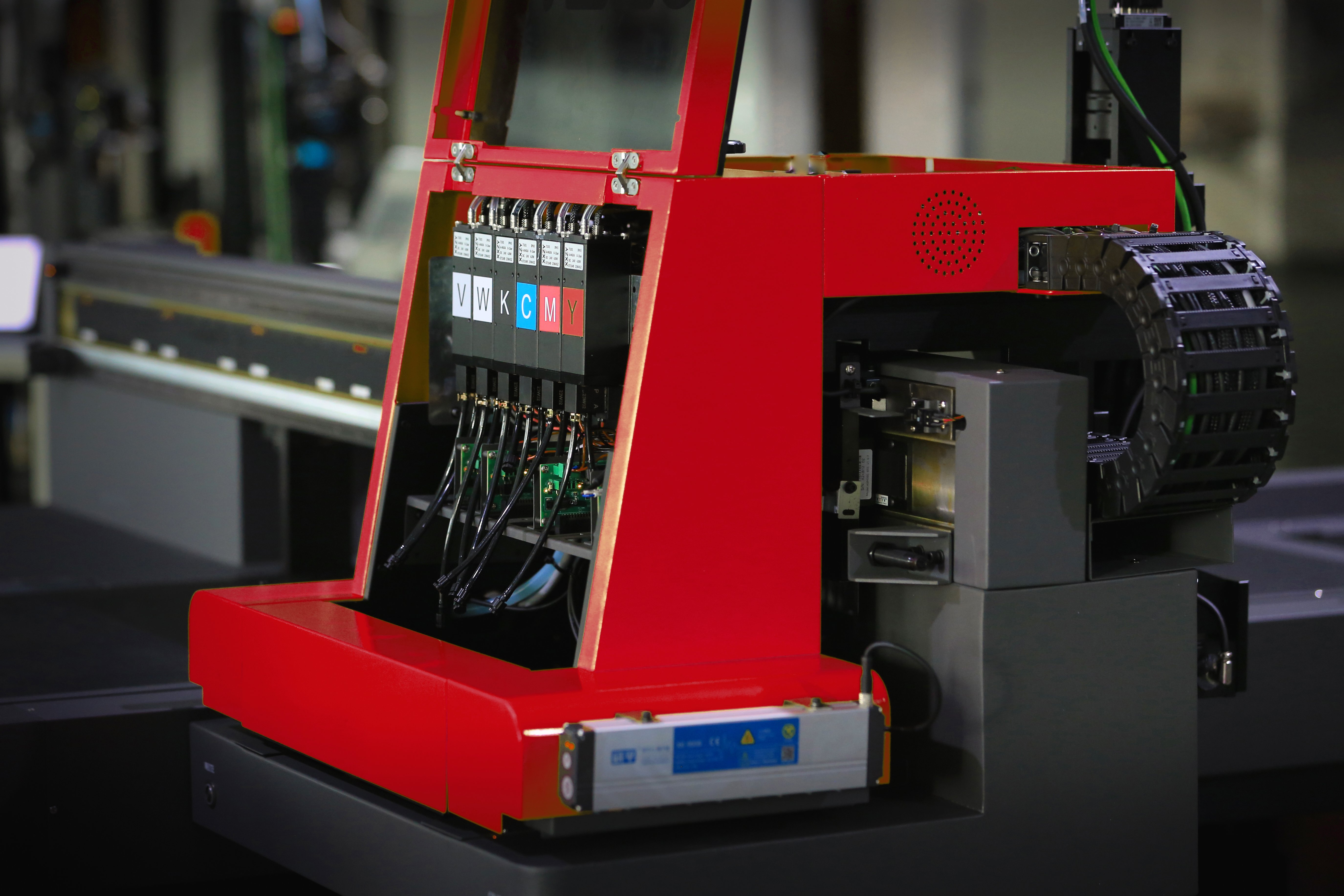
A modern digital inkjet printing machine uses precise ink delivery systems to control printing performance.
Accurate ink management helps maintain consistent colors and detailed images.
This reduces printing defects and improves overall product appearance.
For businesses producing premium packaging, stable printing quality supports stronger market presentation.
Professional industrial printing solutions help manufacturers achieve reliable output across different applications.
Packaging often serves as the first point of contact between products and customers.
Detailed graphics, sharp text, and clear patterns improve packaging quality.
A digital inkjet printing machine provides high-resolution printing capability for various packaging requirements.
Manufacturers can create more attractive designs while maintaining efficient production processes.
This gives companies greater flexibility when developing new packaging concepts.
Production efficiency is an important concern for packaging manufacturers. Printing technology affects material usage, labor requirements, and operating costs.
Traditional printing preparation may require additional materials and repeated adjustments.
Digital printing reduces these requirements by using direct digital output.
A digital inkjet printing machine helps manufacturers minimize unnecessary waste during production.
This improves resource utilization and supports more efficient manufacturing operations.
For businesses managing multiple packaging projects, reduced waste contributes to better cost control.
Packaging companies often handle different order sizes and design requirements.
A flexible printing platform allows manufacturers to use the same equipment for multiple applications.
A digital inkjet printing machine helps improve production scheduling and equipment utilization.
This allows businesses to manage resources more effectively.
For suppliers, better equipment utilization supports faster delivery and improved customer service.
Modern manufacturing increasingly depends on digital integration and automated workflows. Printing technology is becoming an important part of connected production systems.
Digital printing allows packaging designs to move directly from creative software into manufacturing processes.
This reduces communication barriers between designers and production teams.
A digital inkjet printing machine creates a smoother connection between digital concepts and physical packaging products.
Manufacturers can update designs more efficiently.
This improves workflow coordination and reduces unnecessary production steps.
Automation helps manufacturers maintain consistent production quality.
Digital printing systems can control printing parameters through software.
This reduces manual adjustments and improves operational stability.
A digital inkjet printing machine supports automated manufacturing environments by improving process control.
For industrial users, automation contributes to more reliable packaging production.
The flexibility of digital printing allows it to support various industries and packaging requirements.
Consumer product companies frequently update packaging designs to match different campaigns and product launches.
A digital inkjet printing machine allows packaging manufacturers to produce detailed graphics and customized designs efficiently.
This helps businesses respond faster to changing product requirements.
Flexible printing capability improves packaging development speed.
For distributors and suppliers, digital printing creates more service opportunities.
Industrial products often require packaging with specific information, labels, and design elements.
Digital printing technology provides accurate and flexible printing solutions.
Manufacturers can create packaging based on technical requirements and customer specifications.
For contractors and engineering companies, adaptable printing systems support specialized projects.
Advanced printing technology provides benefits beyond production efficiency. It also supports business growth and customer service improvements.
Customers increasingly expect faster delivery and customized solutions.
A digital inkjet printing machine helps manufacturers adjust production according to different requirements.
This improves communication and strengthens supplier relationships.
For wholesalers and distributors, flexible suppliers create stronger market advantages.
Packaging can help businesses create unique product experiences.
Digital printing enables manufacturers to develop distinctive designs and customized solutions.
This supports product differentiation and improves customer value.
For B2B markets, customized packaging capability becomes an important competitive advantage.
Choosing suitable equipment requires careful evaluation of technology, performance, and supplier support.
A professional supplier should provide stable printing performance and suitable solutions for different applications.
Buyers should consider printing accuracy, production capacity, material compatibility, and machine reliability.
A suitable digital inkjet printing machine should match the company’s production requirements.
Technical support and product knowledge also influence long-term equipment performance.
Industrial printing equipment requires ongoing maintenance and technical assistance.
Reliable suppliers should provide installation guidance, operation training, and after-sales support.
This helps companies maximize equipment value.
For B2B buyers, supplier service capability is an important factor when selecting printing solutions.
A digital inkjet printing machine reduces preparation steps and allows direct printing from digital designs. This helps manufacturers create samples, update packaging designs, and start production faster.
Yes. Digital printing supports customized packaging because manufacturers can easily change designs, produce smaller batches, and handle personalized requirements.
Digital printing improves flexibility, reduces production preparation time, supports high-quality output, and helps manufacturers respond quickly to customer needs.
Companies should evaluate printing quality, equipment stability, material compatibility, production efficiency, supplier experience, and technical support.
 EN
EN
 AR
AR FR
FR DE
DE HI
HI IT
IT JA
JA KO
KO PT
PT RU
RU ES
ES IW
IW ID
ID VI
VI TH
TH TR
TR FA
FA
 Hot News