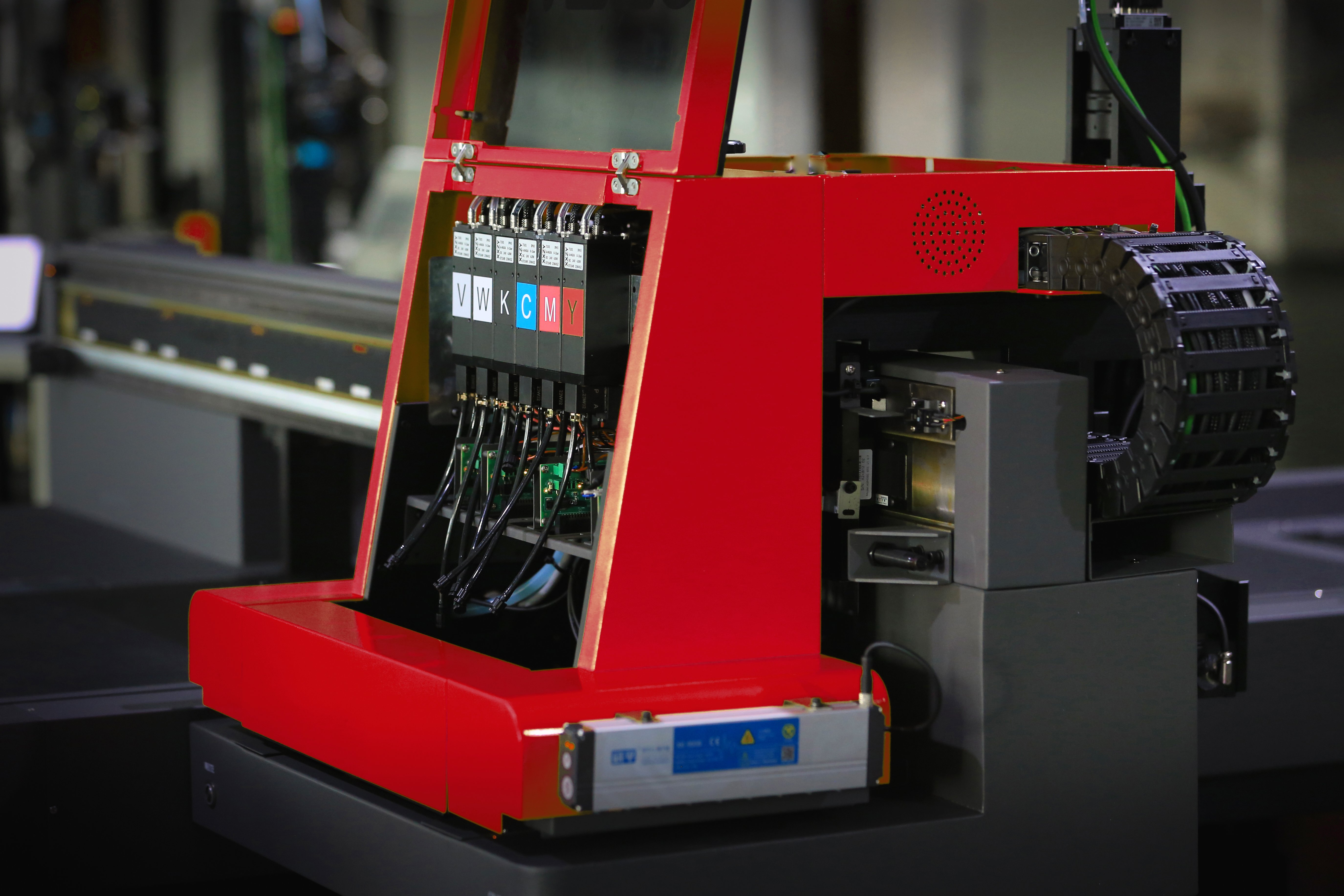
The demand for personalized packaging has grown rapidly across consumer goods, food and beverage, cosmetics, and e-commerce sectors. Brands are no longer satisfied with generic box designs or standard label formats. Instead, they seek packaging that speaks directly to individual consumers, limited-edition campaigns, and regional market preferences. A digital inkjet printing machine sits at the heart of this shift, offering the flexibility, speed, and print quality needed to turn personalization strategies into scalable production realities.
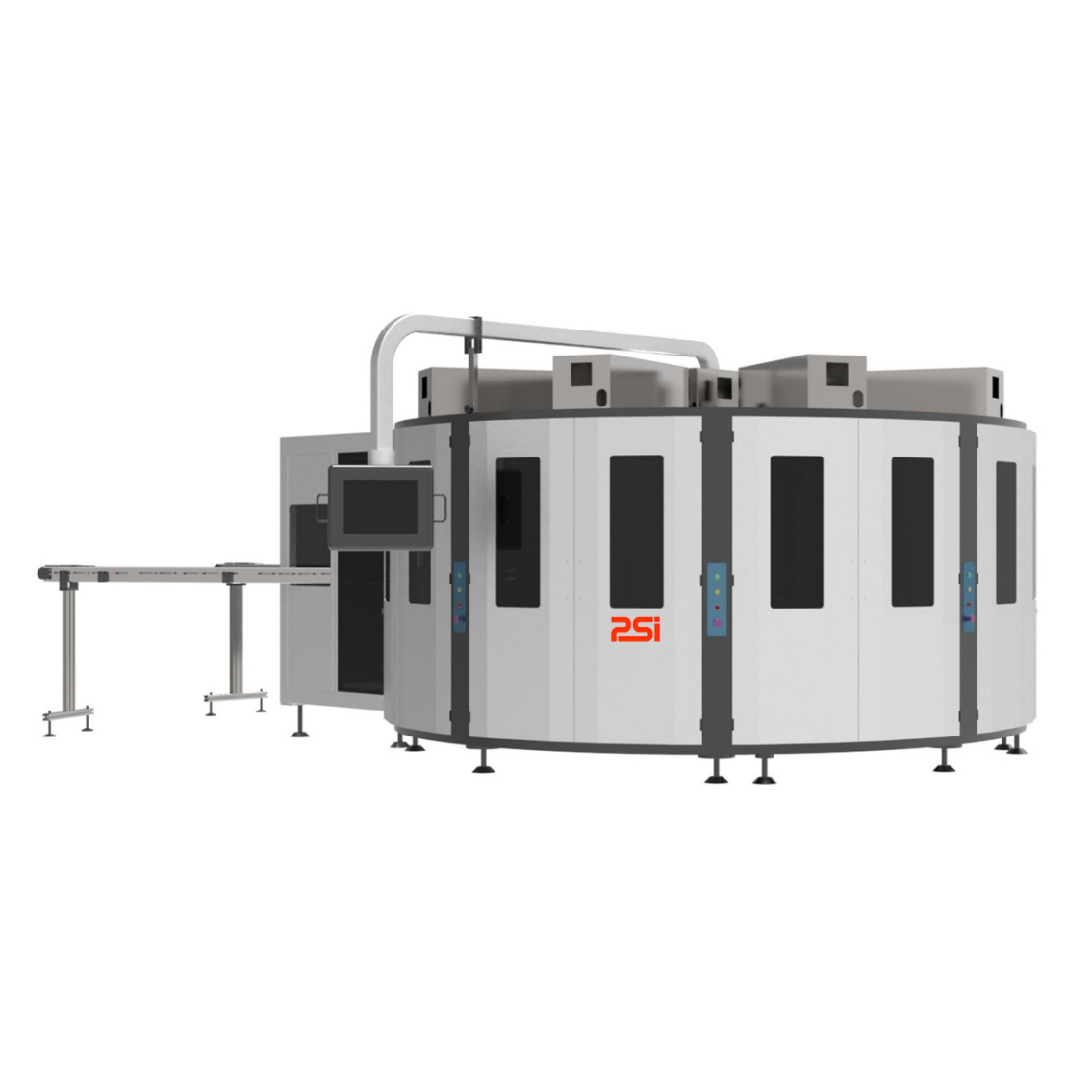
A digital inkjet printing machine platform does more than apply ink to a substrate. It integrates with digital workflows, variable data systems, and production scheduling tools to give brand owners precise control over every printed unit. Understanding how a digital inkjet printing machine supports personalized packaging trends requires looking at the technology from three angles: production flexibility, design capability, and operational efficiency. Each of these dimensions directly enables what modern brands and their packaging partners need.
One of the strongest capabilities of a digital inkjet printing machine is its ability to handle short production runs without tooling costs or plate changes. Traditional offset or flexographic printing requires significant setup investment, making short runs economically impractical. A digital inkjet printing machine eliminates those barriers. A brand can print fifty units of a limited-edition design just as efficiently as printing five thousand units of a standard version. This capability is fundamental to personalized packaging, where different SKUs, regional variants, and promotional editions must coexist in the same production schedule.
Variable data printing takes this flexibility even further. A digital inkjet printing machine can change text, images, barcodes, QR codes, and even color gradients from one unit to the next without slowing down. For personalized packaging applications such as name-on-pack campaigns, serialized track-and-trace codes, or customer-specific gift packaging, this variable data capability transforms what is possible at production scale. Each item printed by the digital inkjet printing machine can carry unique information while the line keeps running at full speed.
A digital inkjet printing machine platform designed for packaging applications must handle a wide range of substrates. Folding cartons, flexible films, shrink sleeves, corrugated liners, and pressure-sensitive labels all appear in modern packaging supply chains. A capable digital inkjet printing machine supports multiple substrate types, allowing converters and brand owners to consolidate production across packaging categories. This substrate versatility is especially important for brands that maintain diverse product lines and need consistent color and image quality across all formats. When a digital inkjet printing machine delivers reliable output across different materials, it becomes a strategic production asset rather than a single-purpose tool.
Personalized packaging must look premium. Consumers expect vibrant colors, sharp text, and photo-realistic imagery even on small print runs. A digital inkjet printing machine with high native resolution and a wide color gamut meets these expectations directly. Unlike lower-resolution digital systems, a professional digital inkjet printing machine reproduces fine details, smooth gradients, and brand-specific Pantone colors with precision. This level of output quality ensures that a limited-edition packaging design carries the same visual authority as a mass-produced standard package.
Color management is a critical component of any digital inkjet printing machine platform used for personalized packaging. Advanced ink formulations combined with spectrophotometric feedback loops allow a digital inkjet printing machine to maintain color consistency across a single job and from job to job over time. For brands running seasonal packaging variants or regional editions, color accuracy ensures that every version of the package looks intentional and professionally produced. A digital inkjet printing machine that drifts in color output will undermine the trust that personalized packaging is meant to build.
A digital inkjet printing machine platform becomes most powerful when it connects seamlessly with digital design and pre-press workflows. Modern packaging production uses PDF-based job submission, color profile management, and automated imposition tools. A digital inkjet printing machine that integrates directly with these systems removes friction from the personalization workflow. Designers and production managers can prepare variable data templates, submit jobs electronically, and monitor output quality in real time. This integration reduces the manual steps that slow down personalized packaging projects and introduce errors. The digital inkjet printing machine becomes part of a connected production ecosystem rather than an isolated hardware unit.
Personalized packaging trends are often driven by time-sensitive opportunities: seasonal promotions, viral marketing moments, influencer collaborations, and retail events. Brands that can respond quickly capture the commercial value of these moments. A digital inkjet printing machine dramatically compresses the time between design approval and finished packaging. Without plates to prepare, films to expose, or press makereadies to complete, a digital inkjet printing machine can begin printing within minutes of receiving a job file. This speed advantage is not marginal. It can represent the difference between capturing a market window and missing it entirely.
Sustainability has become a genuine purchasing criterion in packaging procurement. A digital inkjet printing machine supports sustainable production in several ways. Because a digital inkjet printing machine prints only what is ordered, overstock and obsolete inventory are minimized. Ink is deposited precisely where needed, reducing material waste compared to conventional printing methods that require significant wash-up and substrate spoilage during setup. For brands that have committed to packaging sustainability targets, choosing a digital inkjet printing machine for personalized runs contributes measurably to waste reduction goals. Operational efficiency and environmental responsibility reinforce each other in digital inkjet production.
A digital inkjet printing machine is well suited for folding cartons, flexible films, pressure-sensitive labels, shrink sleeves, and corrugated packaging. The ideal application combines short-to-medium run lengths, variable data requirements, or rapid design changeovers. Brands that frequently update packaging for seasonal, regional, or promotional purposes benefit most from a digital inkjet printing machine platform.
A digital inkjet printing machine processes variable data through a raster image processor that renders each unique frame before it reaches the print zone. Because the image data is generated digitally and fed directly to the inkjet heads, the digital inkjet printing machine can change printed content from unit to unit without slowing the production line. This makes it practical for serialized codes, personalized names, and promotional versioning at commercial speeds.
Yes. A digital inkjet printing machine has no plate costs, no tooling charges, and minimal setup waste, which means the cost per unit remains predictable even on very small orders. For personalized packaging runs where traditional print methods would be prohibitively expensive due to setup costs, a digital inkjet printing machine provides a financially viable production path without sacrificing print quality or turnaround speed.
 EN
EN
 AR
AR FR
FR DE
DE HI
HI IT
IT JA
JA KO
KO PT
PT RU
RU ES
ES IW
IW ID
ID VI
VI TH
TH TR
TR FA
FA
 Hot News