In industrial production environments, the performance of a digital inkjet printing machine is measured not only by speed or color range, but by its ability to maintain consistent resolution across every single print cycle. Resolution stability — the capacity of a digital inkjet printing machine to reproduce sharp, accurate detail repeatedly without degradation — is one of the most technically demanding requirements in modern printing operations. When resolution fluctuates, even subtly, the downstream consequences for product quality, brand consistency, and operational efficiency can be severe.
Every digital inkjet printing machine relies on a precise coordination of printhead alignment, ink droplet placement, substrate feed timing, and software raster processing. When any one of these elements drifts from its calibrated state, resolution stability is compromised. Understanding why this stability matters — and what drives its loss — is essential knowledge for any operator, production manager, or procurement professional working with a digital inkjet printing machine at scale.
A digital inkjet printing machine operates by firing thousands of microscopic ink droplets per second onto a moving substrate. The precision of these droplet placements defines the printed resolution. When the digital inkjet printing machine maintains stable resolution, every repeat of a pattern, label, or graphic appears uniform and sharp. Inconsistent resolution causes visible banding, blurred edges, misregistration of colors, and tonal shifts that are immediately apparent in finished products.
In industries such as textile, packaging, and label production, a digital inkjet printing machine must maintain the same resolution across thousands of meters of substrate without variation. Even a slight drop in dot placement accuracy causes cumulative visual defects. These defects translate directly into material waste, rework costs, and potential rejection of entire production batches by quality control teams.
Color reproduction in a digital inkjet printing machine is inseparable from resolution control. When a digital inkjet printing machine fires ink droplets with unstable frequency or trajectory, color density becomes uneven. Overlapping dots that should create a specific tone instead produce muddy or oversaturated areas. Gaps between droplets create pale, washed-out zones. The result is that a digital inkjet printing machine running with poor resolution stability cannot reliably hit brand color standards, which is a critical failure point in commercial and industrial print contracts.
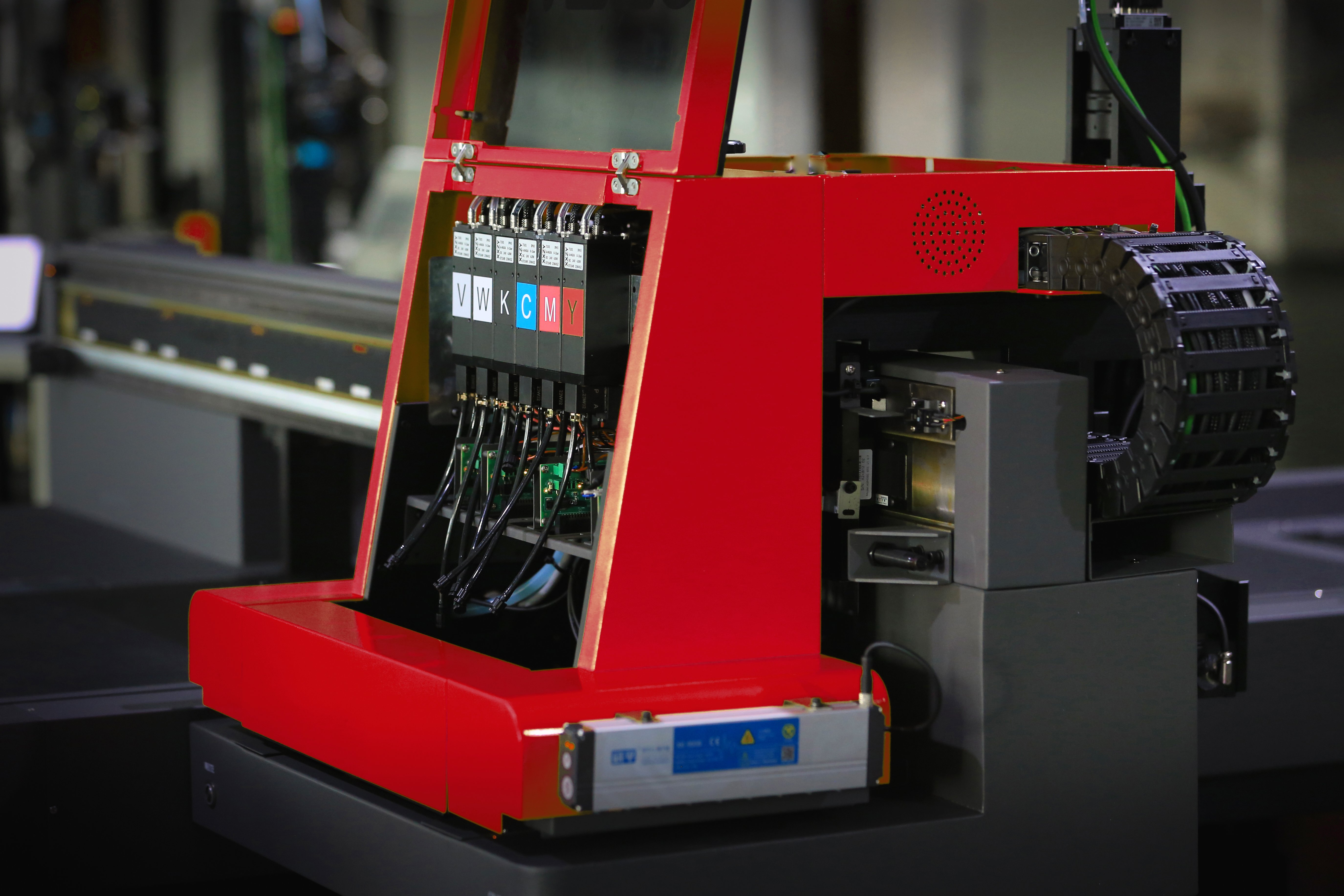
The printhead is the most resolution-sensitive component in any digital inkjet printing machine. Clogged nozzles, dried ink deposits, and mechanical wear all directly impair the resolution output of a digital inkjet printing machine. A single blocked nozzle in a digital inkjet printing machine can create a repeating white line or streak across thousands of prints before it is detected. Regular maintenance schedules, automated nozzle-check routines, and proactive cleaning protocols are the first line of defense for preserving resolution stability in a digital inkjet printing machine.
Ink viscosity also plays a critical role. A digital inkjet printing machine is designed to operate within a specific ink viscosity range. When temperature fluctuations cause ink to thicken or thin beyond that range, droplet size and ejection velocity change. These changes directly compromise the resolution of a digital inkjet printing machine, particularly in high-speed production environments where tolerance margins are already tight.
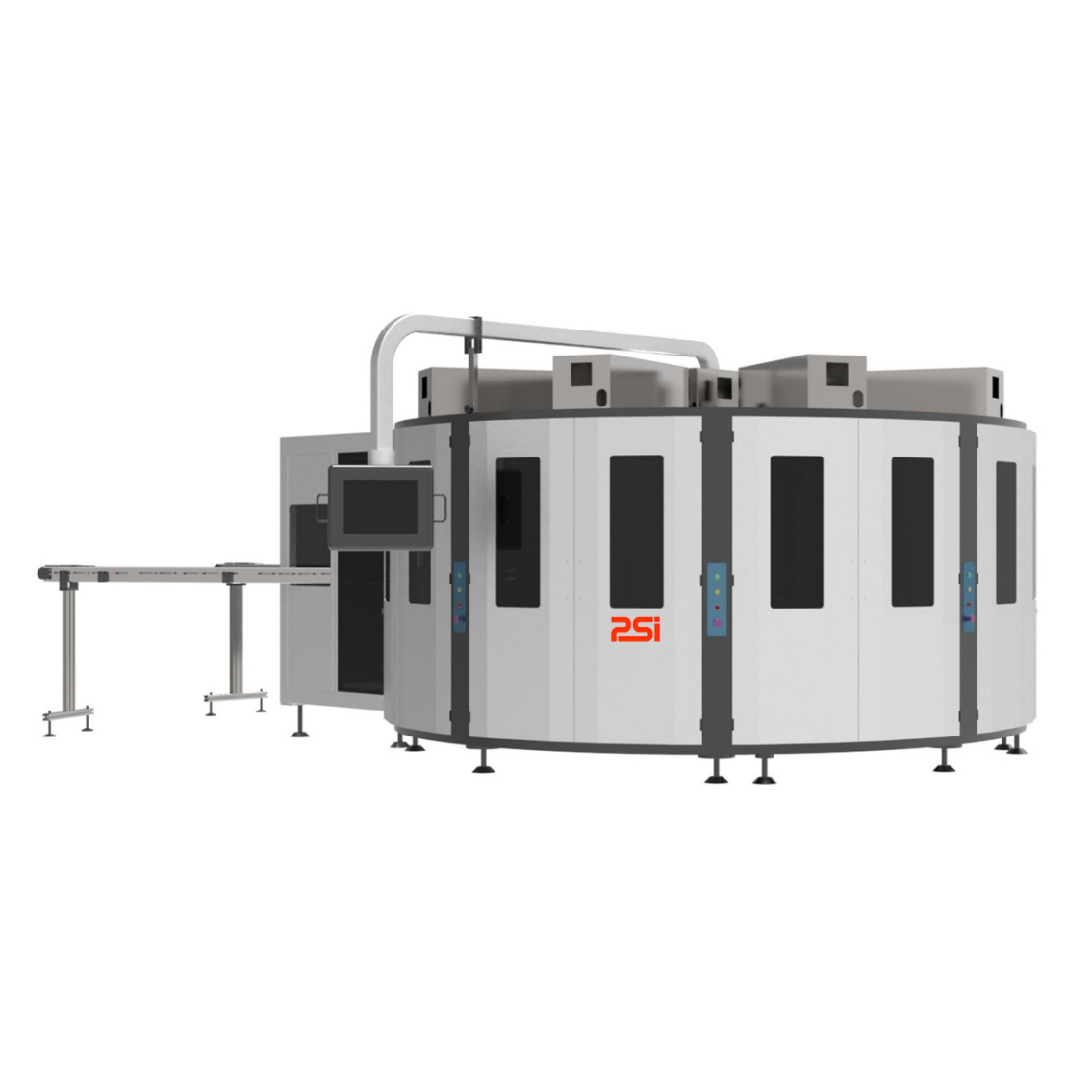
The substrate transport system of a digital inkjet printing machine is equally important to resolution stability. If the substrate moves at an inconsistent speed or develops lateral drift, the digital inkjet printing machine will place ink at incorrect positions relative to the intended design. This causes positional resolution errors that are distinct from nozzle-related defects. In a rotary digital inkjet printing machine, the coordination between the rotary drum speed and the printhead firing frequency must be perfectly synchronized at all times to maintain resolution integrity.
Mechanical vibration is another underestimated factor. A digital inkjet printing machine installed on an unstable surface or operating near heavy machinery is vulnerable to micro-vibrations that scatter ink droplets mid-flight. Even small vibrations degrade the effective resolution of a digital inkjet printing machine, particularly at higher native resolutions where placement tolerances are measured in micrometers.
Regular calibration is non-negotiable for any digital inkjet printing machine expected to maintain stable resolution over time. A properly calibrated digital inkjet printing machine will have its printhead firing timing, dot size settings, and media advance parameters verified and adjusted at defined intervals. Many modern digital inkjet printing machine platforms include built-in calibration wizards and automated compensation algorithms that detect and correct resolution drift before it becomes visible in output.
RIP (Raster Image Processor) software settings also have a direct impact on resolution stability. A digital inkjet printing machine that receives poorly optimized RIP data will produce output that does not match the intended design resolution, even if the hardware is perfectly maintained. Operators of a digital inkjet printing machine must ensure that halftone screens, pass counts, and resolution output settings in the RIP are matched precisely to the substrate and ink combination in use.
The operating environment of a digital inkjet printing machine has a measurable effect on long-term resolution stability. Temperature and humidity extremes cause dimensional changes in substrates, alter ink behavior, and affect electronic component reliability inside a digital inkjet printing machine. Maintaining a controlled production environment is especially important for a digital inkjet printing machine operating in high-volume or mission-critical print applications.
Long-term resolution reliability depends on selecting a digital inkjet printing machine built with high-grade mechanical components, robust printhead technology, and firmware that actively monitors print quality. A digital inkjet printing machine that integrates real-time resolution monitoring alerts operators to instability before defective output reaches the end of the production line, reducing waste and protecting production schedules.
Resolution instability in a digital inkjet printing machine is most commonly caused by clogged or worn printheads, incorrect ink viscosity, substrate feed inconsistencies, mechanical vibration, or misconfigured RIP software. Each of these factors affects how accurately the digital inkjet printing machine places ink droplets, which directly determines output sharpness and consistency.
The calibration frequency for a digital inkjet printing machine depends on production volume, substrate variety, and environmental conditions. In high-volume operations, a digital inkjet printing machine should undergo calibration checks at the start of each production shift. Lower-volume environments may calibrate weekly, but all digital inkjet printing machine operators should follow the manufacturer's recommended schedule and calibrate immediately after any hardware change or ink system flush.
Yes, directly. A digital inkjet printing machine with poor resolution stability produces higher rates of defective output, which increases ink consumption, substrate waste, and labor costs associated with rework and inspection. Maintaining resolution stability in a digital inkjet printing machine is therefore a direct cost-control measure, not merely a quality preference. Stable resolution reduces reprints, minimizes waste, and improves the overall efficiency of the digital inkjet printing machine across its operational lifespan.
 EN
EN
 AR
AR FR
FR DE
DE HI
HI IT
IT JA
JA KO
KO PT
PT RU
RU ES
ES IW
IW ID
ID VI
VI TH
TH TR
TR FA
FA
 Hot News