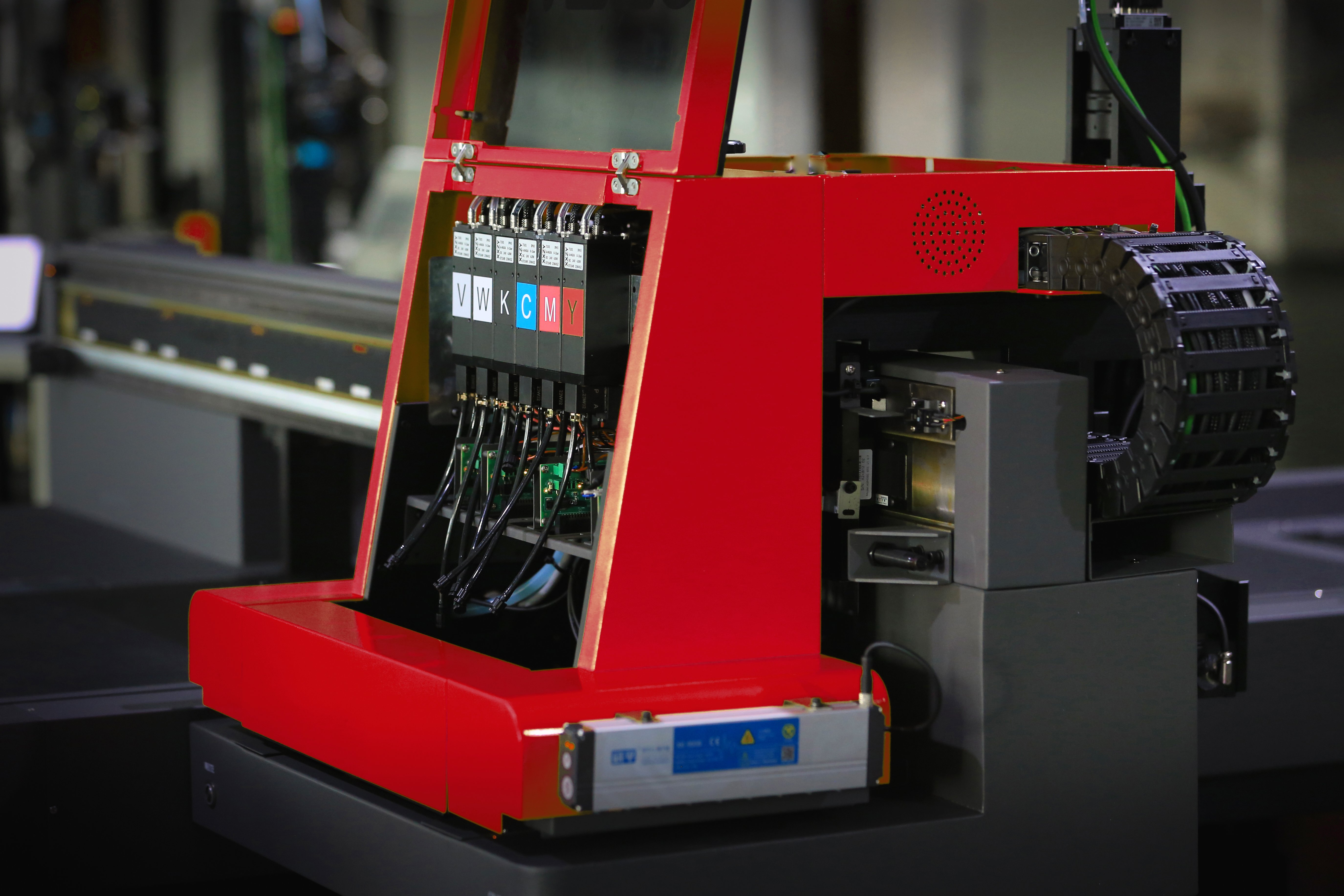
In today's fast-moving consumer goods market, packaging design changes are no longer rare events — they happen constantly. Brands update labels for seasonal promotions, regulatory compliance, regional markets, and product line extensions. The digital inkjet printing machine has become a critical tool for manufacturers who need to respond to these shifts quickly without sacrificing print quality or production efficiency. When design changes used to take days or even weeks with traditional plate-based methods, a digital inkjet printing machine compresses that timeline to hours.
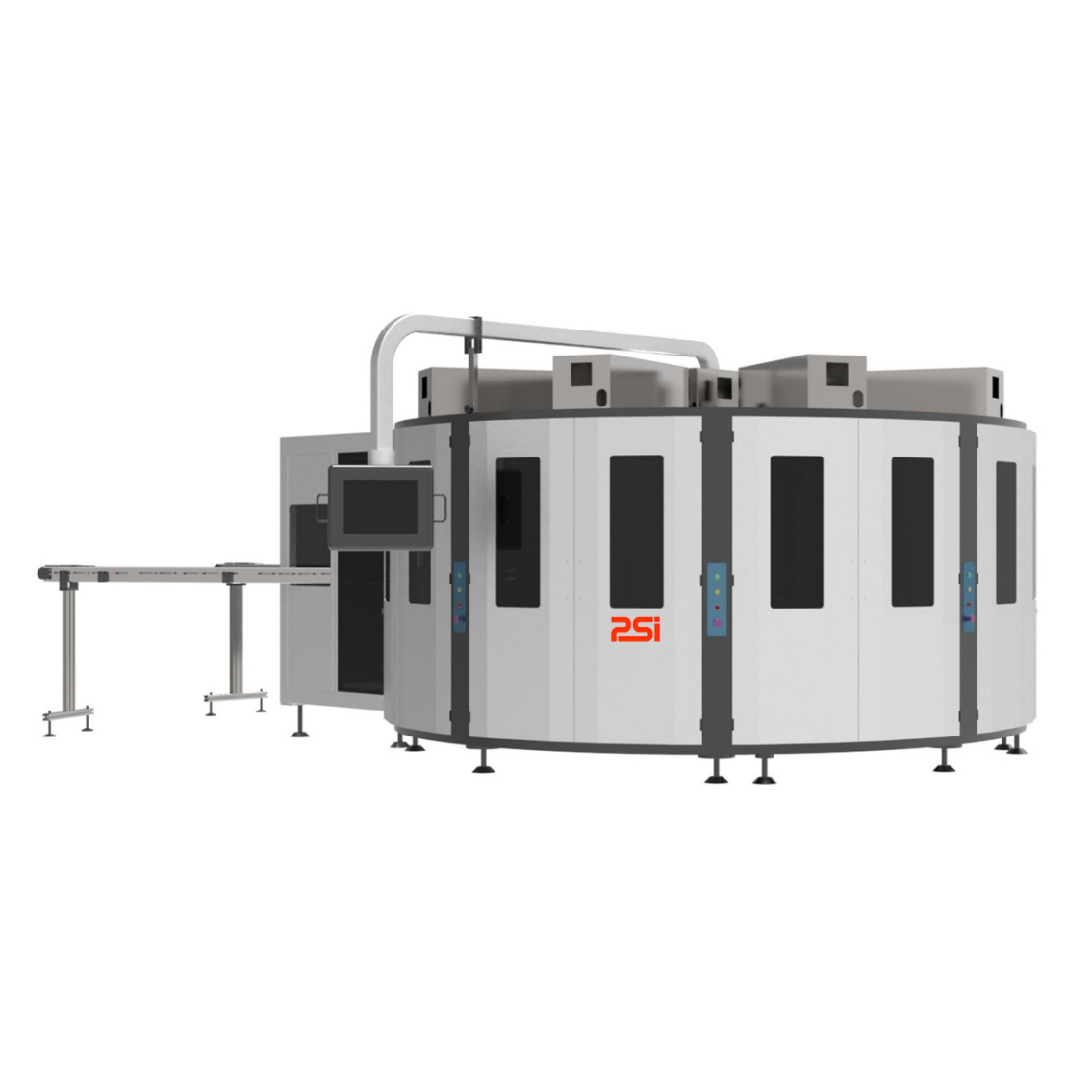
Every packaging line that relies on a digital inkjet printing machine gains a structural advantage: design files are stored and updated digitally, meaning the physical press never needs new plates when artwork changes. This plateless workflow is what makes a digital inkjet printing machine the backbone of agile packaging operations. As supply chain pressures and consumer expectations continue to evolve, understanding exactly how a digital inkjet printing machine supports fast design changes is essential for any production or brand manager making technology investment decisions.
Traditional flexographic and offset printing require physical plates for every design revision. Each plate must be engraved, mounted, and calibrated before a single unit rolls off the line. A digital inkjet printing machine removes this bottleneck entirely. Because a digital inkjet printing machine prints directly from digital data, a revised design file can be loaded and approved in minutes. This direct-to-substrate capability means a digital inkjet printing machine is not dependent on external plate suppliers or fixed tooling schedules.
When a brand needs to update a barcode, change a date code, add a compliance statement, or revise a logo, the digital inkjet printing machine handles all of these changes from a single software interface. No physical intervention on the press is needed. This is a defining reason why packaging converters investing in a digital inkjet printing machine report significantly shorter design-to-production cycles compared to plate-dependent systems.
Managing multiple product variants is one of the most demanding challenges in packaging production. A digital inkjet printing machine excels here because it can store and switch between hundreds of design templates without any hardware change. Each SKU variant — whether it differs in flavor, language, size designation, or regulatory text — can be queued and printed consecutively on the same digital inkjet printing machine run. This flexibility is impossible to replicate with conventional printing methods without incurring substantial changeover costs.
A digital inkjet printing machine is engineered for minimal downtime between jobs. Unlike systems that require ink-wash cycles, plate swaps, and extended registration setup, a digital inkjet printing machine can transition from one design to the next within a single production shift. Operators simply load the next approved file, verify registration parameters digitally, and resume printing. The result is that a digital inkjet printing machine supports packaging lines where multiple short runs are scheduled back-to-back — a pattern that is increasingly common in consumer goods manufacturing.
For co-packers and contract manufacturers, the speed of a digital inkjet printing machine directly translates into better capacity utilization. When a client requests a last-minute label change before a retail deadline, a digital inkjet printing machine allows the production team to accommodate the request without pulling the job from the line. This responsiveness is a measurable competitive advantage that a digital inkjet printing machine delivers consistently.
Modern digital inkjet printing machine solutions are designed to integrate with management information systems, artwork approval platforms, and ERP environments. When a design change is approved upstream in a brand's workflow, the updated file can be pushed directly to the digital inkjet printing machine queue without manual re-entry. This connectivity means a digital inkjet printing machine does not create a bottleneck in a digitally managed supply chain. Instead, the digital inkjet printing machine acts as the final execution point in a seamlessly connected production pipeline.
Variable data printing is another capability that distinguishes a digital inkjet printing machine from conventional presses. A digital inkjet printing machine can print unique serial numbers, QR codes, personalized messaging, and market-specific information on every single unit within the same run. This is particularly valuable for brands managing product authentication programs or regulatory traceability requirements across different distribution channels.
Speed means little if print quality is compromised. A digital inkjet printing machine is built to maintain consistent color accuracy and resolution even when switching between designs rapidly. Advanced digital inkjet printing machine platforms use closed-loop color management systems that continuously monitor ink density and dot placement. This ensures that a design change does not introduce visual inconsistencies between the previous run and the new version — a standard that brand owners require and that a digital inkjet printing machine is fully capable of meeting.
Packaging materials vary widely, from flexible films and folding cartons to corrugated surfaces and labels. A digital inkjet printing machine designed for packaging applications is configured to handle this range of substrates with appropriate ink formulations and print head technology. When a brand moves a product from one packaging format to another, the digital inkjet printing machine adapts to the new substrate without requiring a complete system reconfiguration.
Conventional plate-based systems generate significant material waste during design changeovers because operators must run through make-ready sheets until registration and color are stabilized. A digital inkjet printing machine dramatically reduces this waste. Because a digital inkjet printing machine reaches production-quality output almost immediately after a job change, the amount of substrate consumed before acceptable print quality is achieved is a fraction of what traditional presses require. Over a fiscal year, this waste reduction from using a digital inkjet printing machine represents a meaningful cost saving, particularly for high-frequency design change environments.
A digital inkjet printing machine can implement a new packaging design within minutes of receiving an approved digital file. Because a digital inkjet printing machine operates without physical plates, the setup process involves loading the file and confirming digital parameters, which takes far less time than plate-based changeovers that can span several hours.
Yes. A digital inkjet printing machine is particularly well-suited for short-run packaging because there are no plate costs or extended setup times to amortize across a large volume. A digital inkjet printing machine makes even very small runs economically viable, which is ideal for seasonal packaging, promotional campaigns, and test market launches.
A digital inkjet printing machine is fully capable of printing variable data — including unique codes, serial numbers, and region-specific text — on every individual unit within a single continuous run. This variable data capability is one of the most distinctive strengths of a digital inkjet printing machine in modern packaging production environments.
 EN
EN
 AR
AR FR
FR DE
DE HI
HI IT
IT JA
JA KO
KO PT
PT RU
RU ES
ES IW
IW ID
ID VI
VI TH
TH TR
TR FA
FA
 Hot News