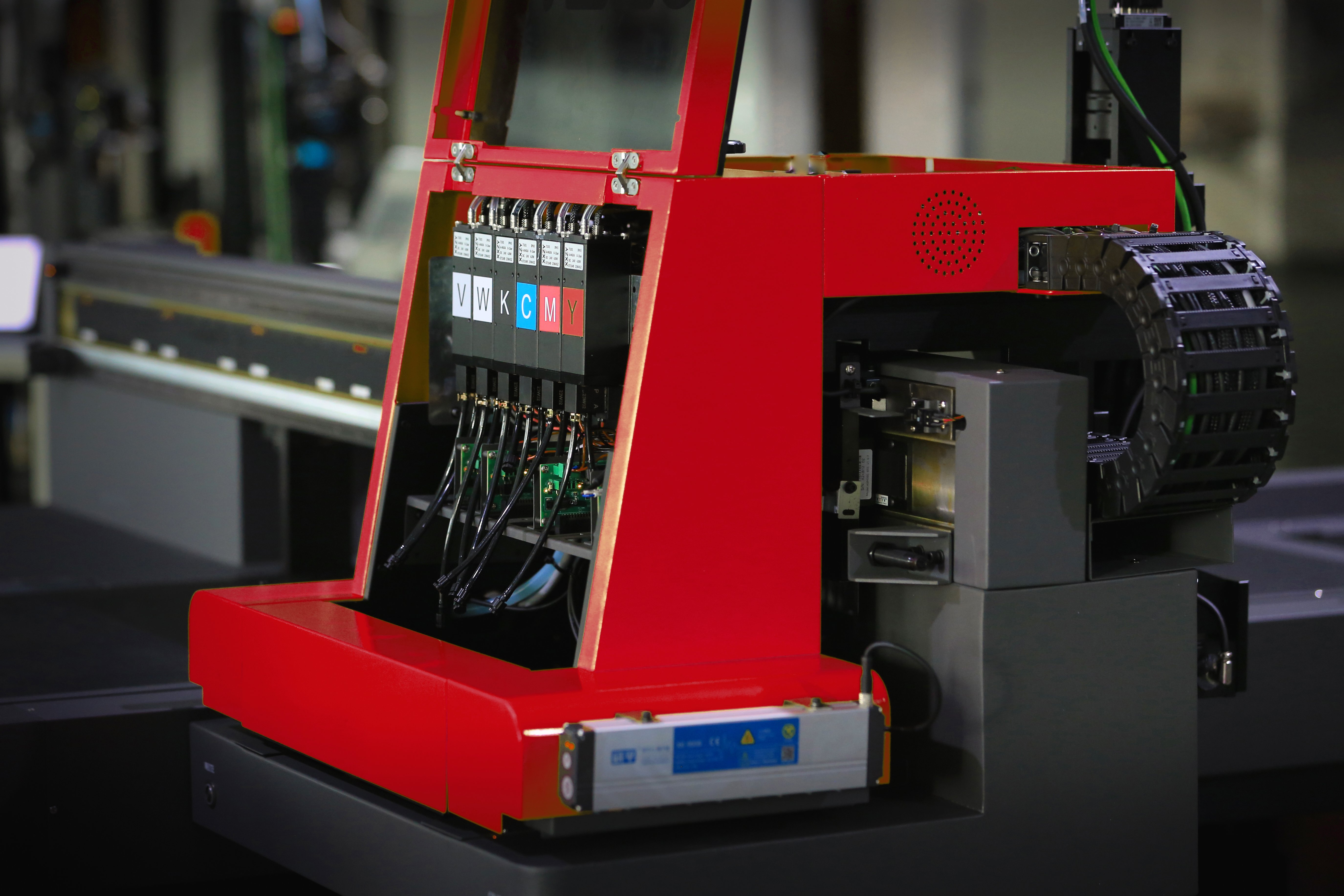
The rise of the digital inkjet printing machine has fundamentally changed how industries approach production, customization, and speed. From textiles to packaging, the digital inkjet printing machine delivers on-demand output, reduced setup time, and consistent print quality that traditional methods simply cannot match. As automation becomes a central driver of industrial competitiveness, understanding which sectors gain the most from this technology is essential for businesses evaluating their next investment.
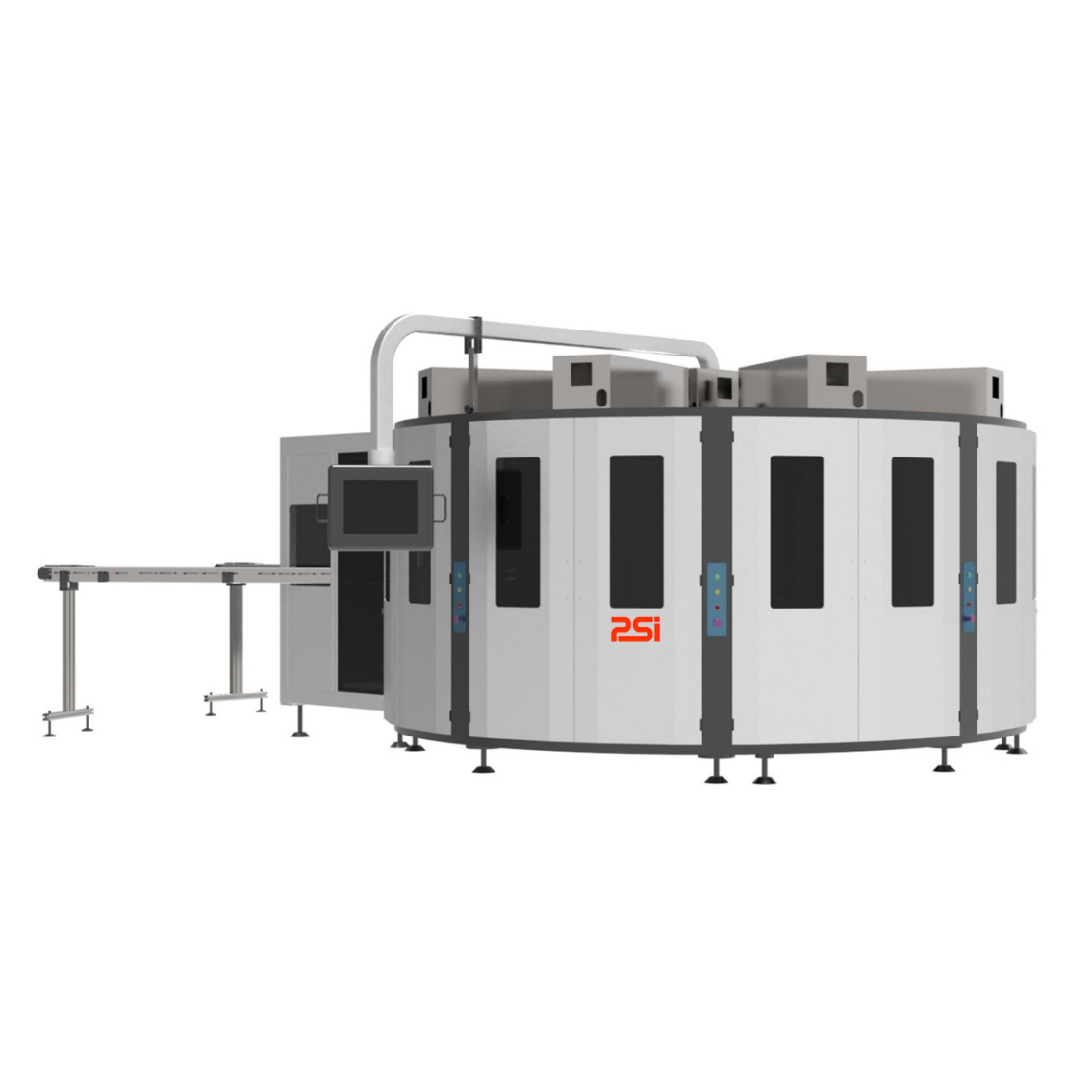
Automation built into a modern digital inkjet printing machine removes manual bottlenecks, reduces labor dependency, and enables continuous high-volume runs with minimal downtime. The digital inkjet printing machine is no longer a niche tool reserved for specialty printers. It has become a strategic asset across multiple industrial verticals, each benefiting in unique ways from what automated digital inkjet printing machine technology can deliver at scale.
The textile industry was among the earliest adopters of digital inkjet printing machine technology, and for good reason. Fashion cycles move fast, and brands now demand shorter run lengths with greater variety. A digital inkjet printing machine enables manufacturers to produce hundreds of distinct patterns in a single shift without requiring separate screens or plates. This flexibility directly addresses the high-mix, low-volume demand that characterizes modern apparel supply chains.
Automated digital inkjet printing machine systems handle fabric feeding, color profiling, and output drying in a continuous workflow. This removes the multi-step manual handoffs that once slowed production. The digital inkjet printing machine also supports sustainable production by applying ink precisely where needed, reducing fabric waste and water consumption compared to conventional dyeing processes. For textile mills managing tight margins, a digital inkjet printing machine offers both speed and resource efficiency.
Sportswear manufacturers rely on a digital inkjet printing machine to produce sublimated and reactive prints directly onto technical fabrics. These materials require precise ink placement and consistent color saturation, which a digital inkjet printing machine delivers reliably across large production volumes. Automation in this context means that a digital inkjet printing machine can execute complex gradient designs and photographic-quality images without operator intervention between jobs.
The packaging sector benefits enormously from digital inkjet printing machine automation because brand owners increasingly require versioned, personalized, or regionally adapted packaging. A digital inkjet printing machine can switch between label versions or packaging designs in seconds without physical plate changes. This capability makes the digital inkjet printing machine indispensable for contract packagers managing multiple SKUs for different clients.
Food and beverage brands use digital inkjet printing machine output for promotional packaging, limited-edition runs, and compliance labeling across different markets. The digital inkjet printing machine handles variable data printing natively, meaning each package or label can carry unique codes, batch numbers, or personalized messages. This level of flexibility is only achievable at production speed through a digital inkjet printing machine with integrated automation software.
Label converters operating at industrial scale use the digital inkjet printing machine to reduce makeready time and eliminate costly plate inventory. A digital inkjet printing machine integrated into a converting line can print, laminate, and cut labels in a single pass. The digital inkjet printing machine reduces total job turnaround from days to hours, giving converters a competitive advantage in rush-order markets. Automation features within a digital inkjet printing machine also maintain consistent color output across thousands of meters without manual recalibration.
Ceramic and tile manufacturers have embraced the digital inkjet printing machine as their primary decoration method. A digital inkjet printing machine can fire high-resolution designs onto uneven or textured tile surfaces with pinpoint accuracy. Automation in a digital inkjet printing machine eliminates the manual alignment and screen positioning that once introduced errors into high-volume tile production. As a result, manufacturers using a digital inkjet printing machine report significantly lower defect rates and higher throughput per shift.
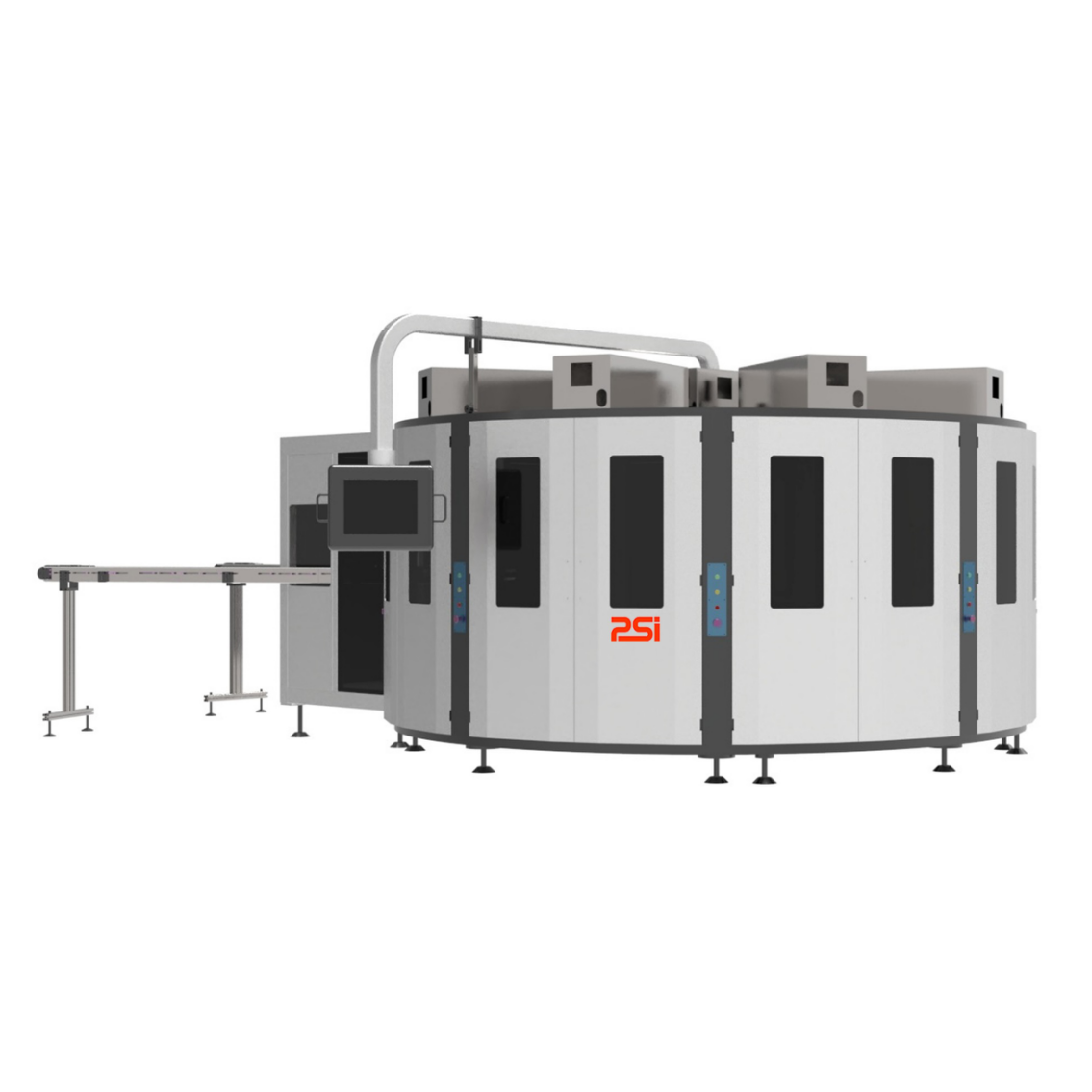
The digital inkjet printing machine also enables on-demand decoration, meaning tile plants can produce small custom batches for architects or interior designers alongside their standard catalog runs. This dual capability makes the digital inkjet printing machine a revenue-expanding tool rather than simply a production device. A digital inkjet printing machine equipped with rotary drum mechanisms, such as rotary digital inkjet systems, achieves seamless repeat patterns that are critical for flooring and wall applications.
Interior décor producers use the digital inkjet printing machine to print photorealistic murals, textured wallcoverings, and custom surface designs. The digital inkjet printing machine handles wide-format substrates at high speed while maintaining color fidelity across very long runs. Automation features within a digital inkjet printing machine allow these producers to manage complex color libraries and substrate profiles without dedicated color technicians on every shift. The digital inkjet printing machine effectively democratizes high-end décor production for mid-sized manufacturers.
A digital inkjet printing machine is suitable for automation because it operates from digital file inputs, requires no physical masters or plates, and integrates directly with production management software. This means a digital inkjet printing machine can switch jobs, adjust print parameters, and maintain output consistency without manual intervention, making it ideal for continuous industrial workflows.
A digital inkjet printing machine reduces packaging production costs by eliminating plate creation, reducing setup waste, and enabling short runs without cost penalties. Because a digital inkjet printing machine prints variable data natively, brands avoid overproduction of a single version and can respond quickly to market changes without scrapping existing inventory.
Yes, a digital inkjet printing machine is often configurable for multiple substrate types including fabric, paper, ceramic, film, and specialty coatings. Many industrial facilities operate a single digital inkjet printing machine platform across different production lines by adjusting ink sets and substrate handling systems, making the digital inkjet printing machine a versatile core asset across diverse manufacturing environments.
 EN
EN
 AR
AR FR
FR DE
DE HI
HI IT
IT JA
JA KO
KO PT
PT RU
RU ES
ES IW
IW ID
ID VI
VI TH
TH TR
TR FA
FA
 Hot News