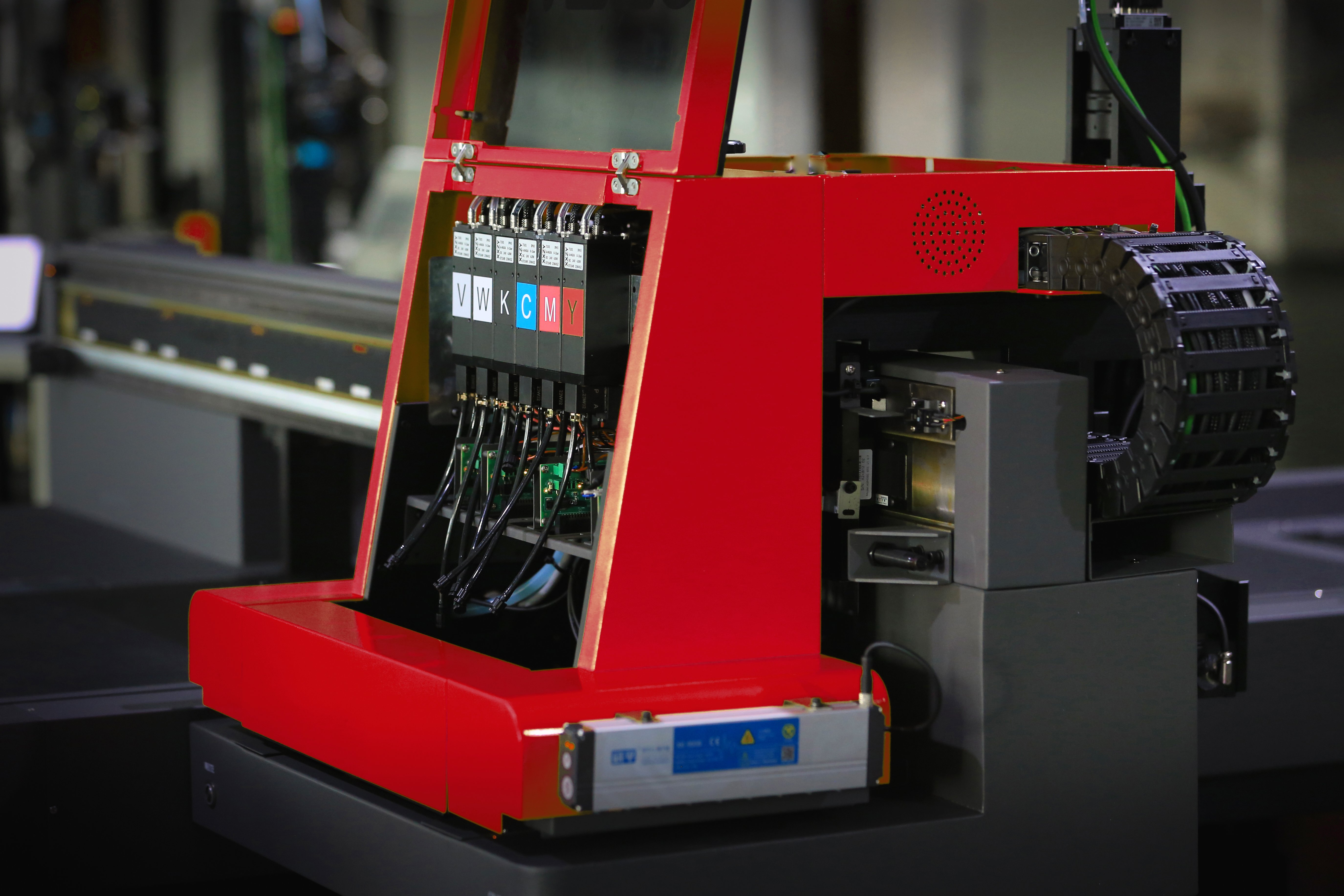
A hot stamping machine represents one of the most sophisticated finishing technologies in modern manufacturing, transforming ordinary products into premium items with metallic, holographic, or colored foil impressions. This precision equipment uses heat, pressure, and specialized foils to create permanent decorative finishes that enhance both aesthetic appeal and perceived value. Industries ranging from packaging and automotive to electronics and luxury goods rely on hot stamping technology to differentiate their products in competitive markets.
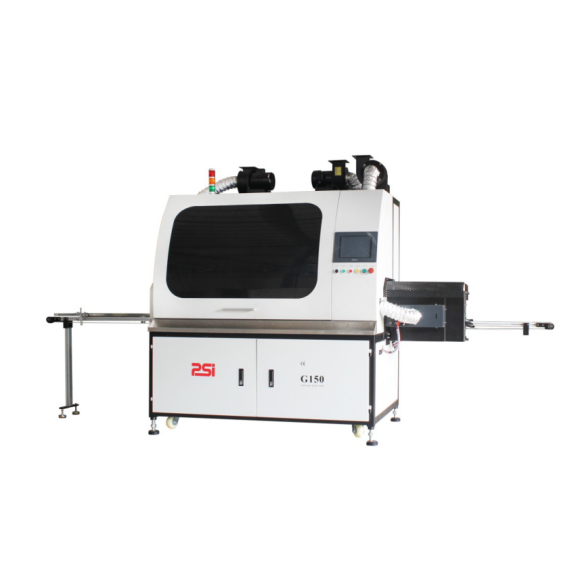
The fundamental principle behind hot stamping involves the controlled application of heat and pressure to transfer metallic or pigmented foil onto substrate surfaces. This process creates durable, high-quality finishes that resist fading, scratching, and environmental degradation. Modern hot stamping machines incorporate advanced temperature control systems, precision pressure mechanisms, and programmable positioning capabilities to ensure consistent results across production runs.
Manufacturing facilities worldwide have adopted hot stamping technology to meet increasing consumer demands for premium product presentation. The versatility of this finishing method allows manufacturers to apply decorative elements to diverse materials including plastics, metals, leather, paper, and textiles. Each application requires specific parameter adjustments, making machine flexibility and control precision critical factors in successful implementation.
The core mechanism of hot stamping relies on thermally activated adhesive layers within specialized foils that bond permanently to substrate surfaces under controlled conditions. These foils consist of multiple layers including a carrier film, release coat, decorative layer, and adhesive system. When heated to precise temperatures typically ranging from 120°C to 200°C, the adhesive becomes activated while the decorative layer separates from the carrier film and transfers to the target material.
Temperature control represents the most critical parameter in achieving successful transfers, as insufficient heat results in incomplete adhesion while excessive temperatures can cause foil degradation or substrate damage. Modern machines incorporate digital temperature controllers with thermocouple feedback systems that maintain heating element temperatures within ±2°C tolerances. This precision ensures consistent foil activation across varying production conditions and substrate materials.
Foil selection depends on substrate compatibility, desired appearance, and environmental requirements. Metallic foils containing aluminum particles create brilliant mirror-like finishes, while pigmented foils offer unlimited color options with matte or gloss characteristics. Holographic foils incorporate micro-embossed patterns that create rainbow effects under varying lighting conditions, adding security features for brand protection applications.
Pressure application during hot stamping ensures intimate contact between activated foil and substrate surfaces, facilitating complete adhesive bonding and eliminating air entrapment that could cause finish defects. Typical pressure ranges from 20 to 200 PSI depending on substrate hardness, foil type, and desired impression depth. Pneumatic or hydraulic systems provide consistent pressure distribution across stamping dies, accommodating irregular surfaces and maintaining uniform contact.
Dwell time, representing the duration of heat and pressure application, significantly influences transfer quality and production efficiency. Shorter cycle times increase throughput but may result in incomplete transfers, while excessive dwell times reduce productivity without improving finish quality. Optimal dwell times typically range from 0.5 to 3 seconds, varying with substrate thickness, thermal conductivity, and foil characteristics. Advanced machines feature programmable timing controllers that synchronize all process parameters for consistent results.
Die design and surface preparation directly impact pressure distribution and transfer uniformity. Precision-machined dies with appropriate surface textures ensure even contact while preventing excessive pressure concentrations that could damage delicate substrates. Surface preparation techniques including cleaning, degreasing, and corona treatment enhance adhesive bonding by removing contaminants and increasing surface energy levels.
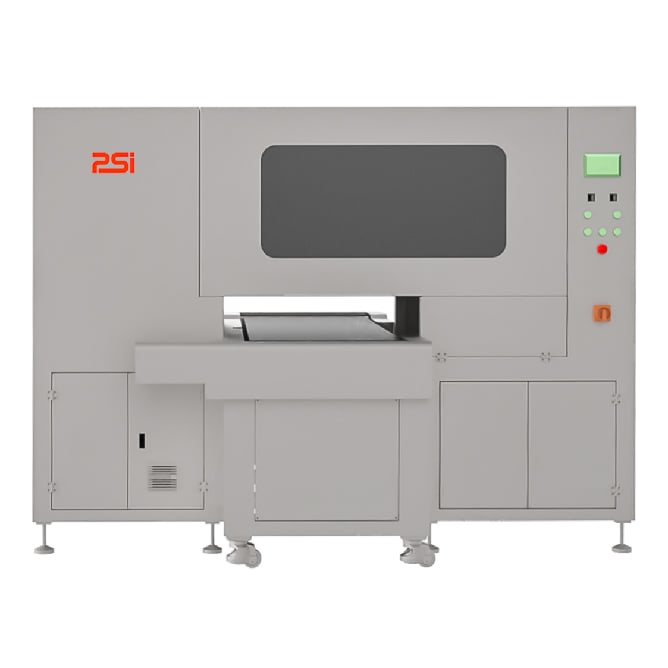
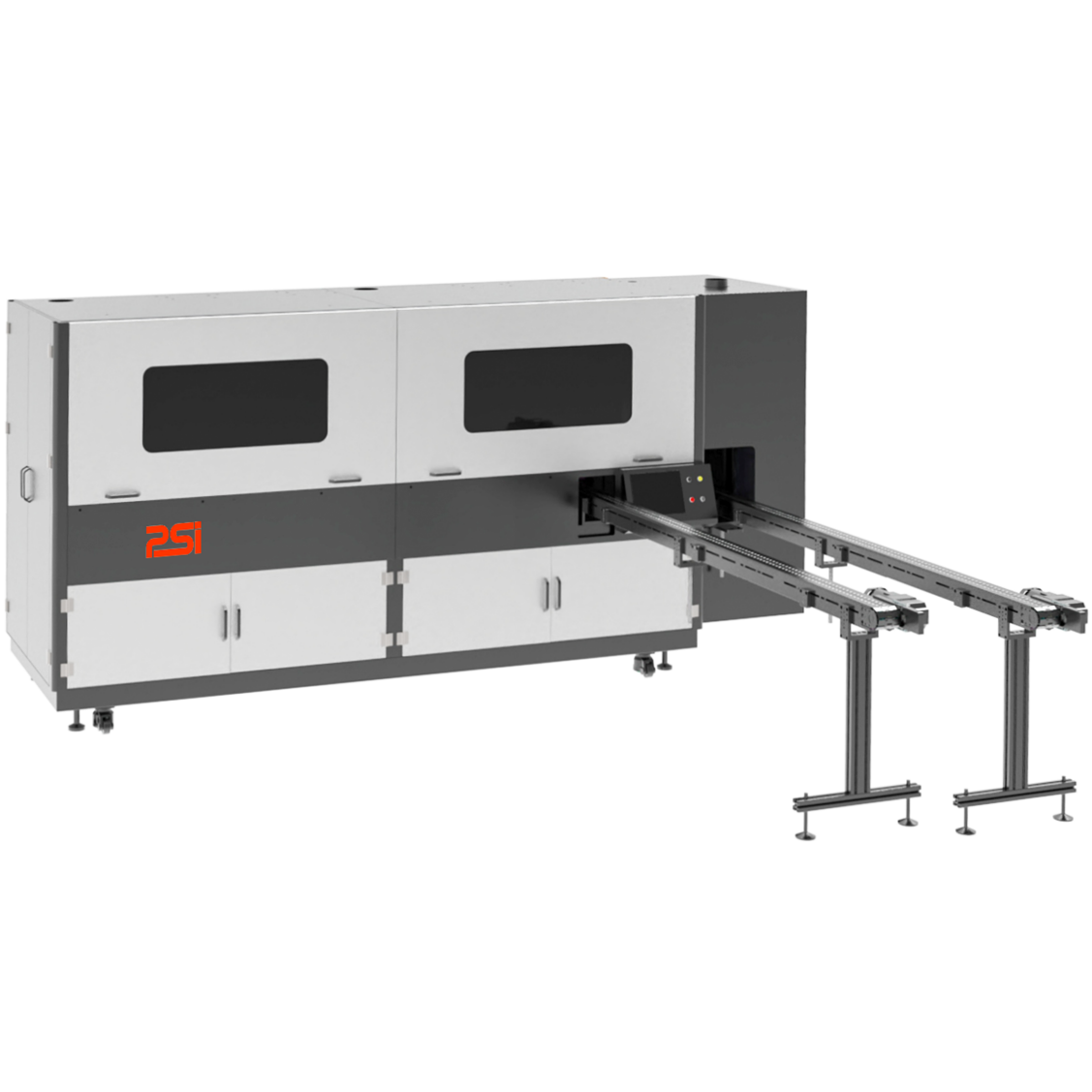
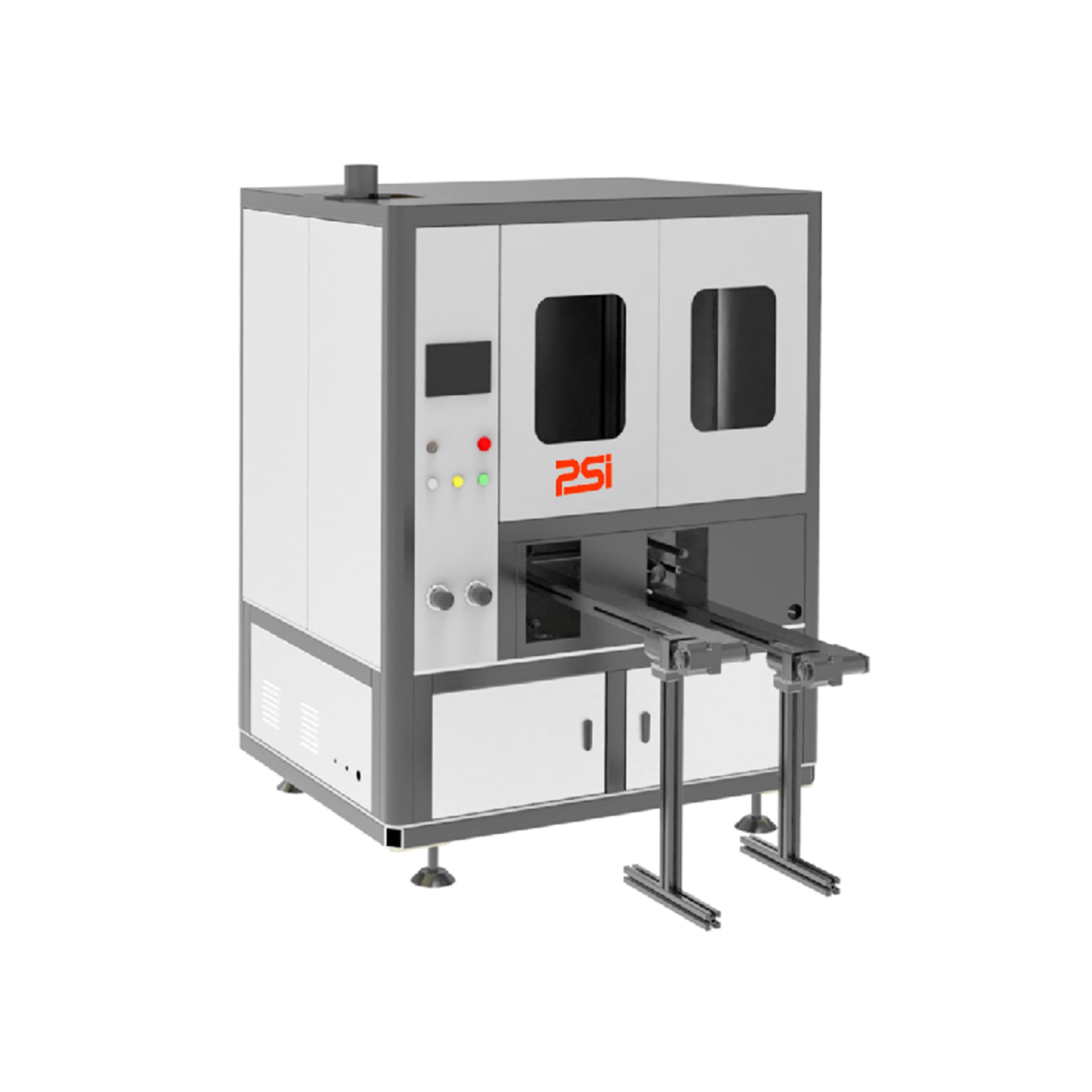
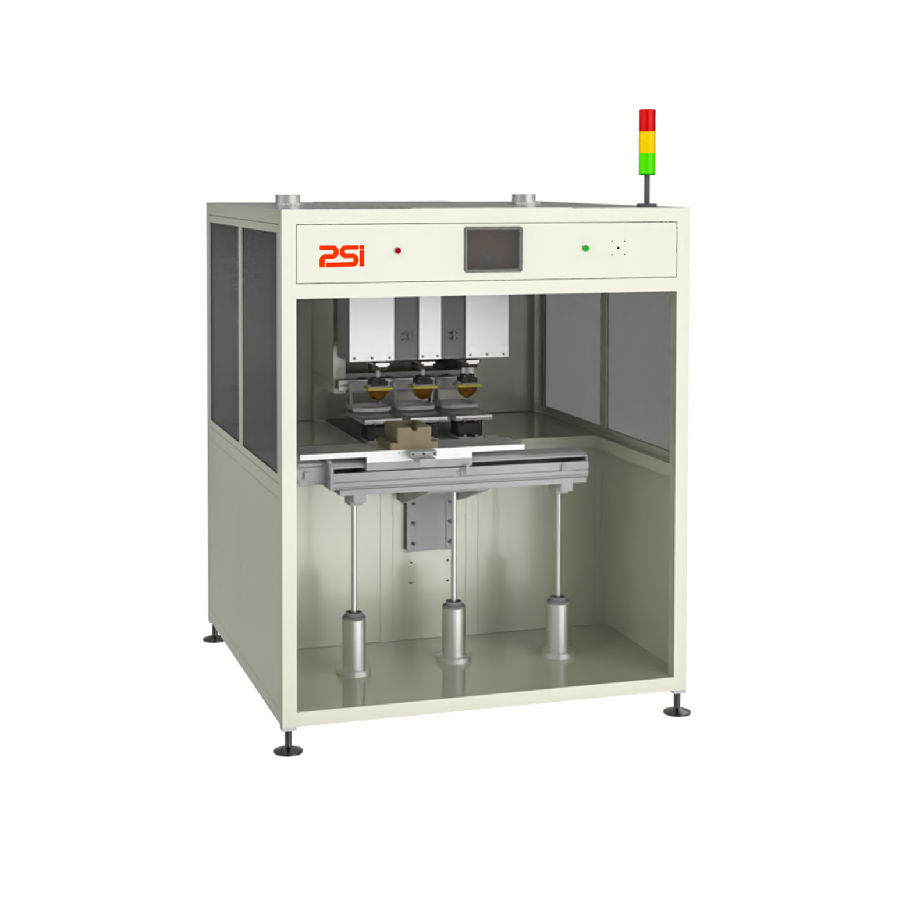
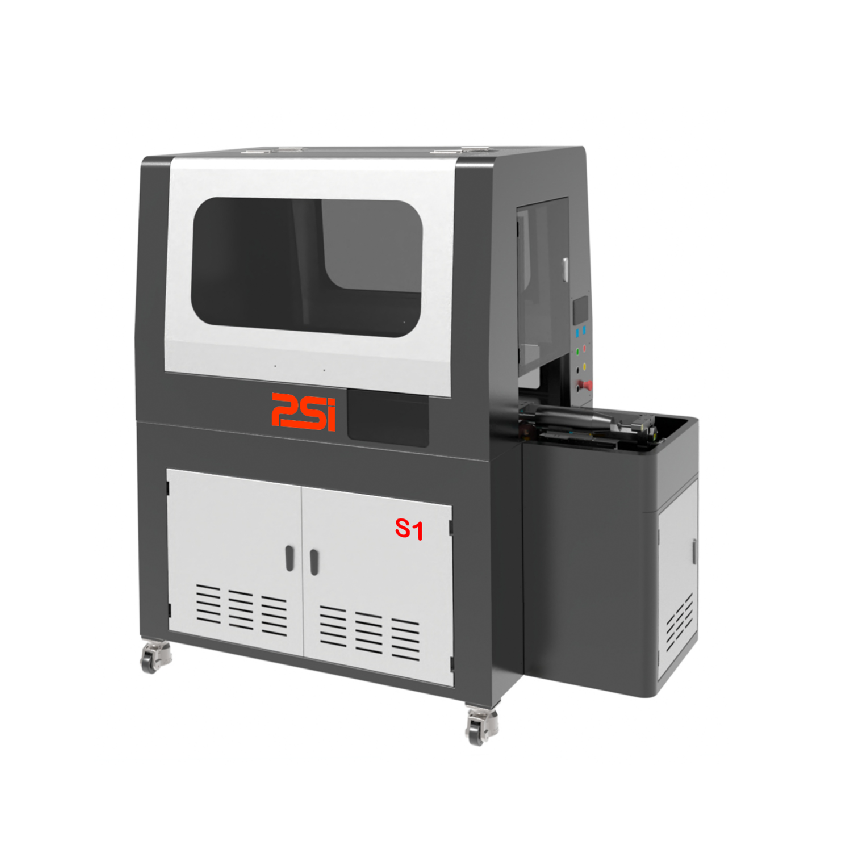
Flat bed hot stamping machines represent the most common configuration for decorating flat or slightly contoured surfaces with precise registration and consistent pressure distribution. These systems feature horizontal work surfaces with vertically actuated heating platens that apply controlled force through custom dies. The substrate positioning system ensures accurate placement while adjustable guides accommodate various part sizes and shapes without requiring extensive setup changes.
Registration accuracy in flat bed systems relies on mechanical stops, pneumatic clamps, or vision-guided positioning systems that maintain part location within tight tolerances. High-precision applications demand registration accuracies of ±0.1mm or better, achievable through servo-controlled positioning mechanisms with encoder feedback. Multiple stamping stations can be integrated into single machines, enabling simultaneous decoration of different areas or sequential application of multiple foil colors.
Production efficiency in flat bed configurations depends on cycle time optimization and material handling automation. Manual loading systems suit low-volume applications while automated feed mechanisms increase throughput for high-volume production. Integration with upstream and downstream processes through conveyor systems creates continuous production lines that maximize equipment utilization and minimize labor requirements.
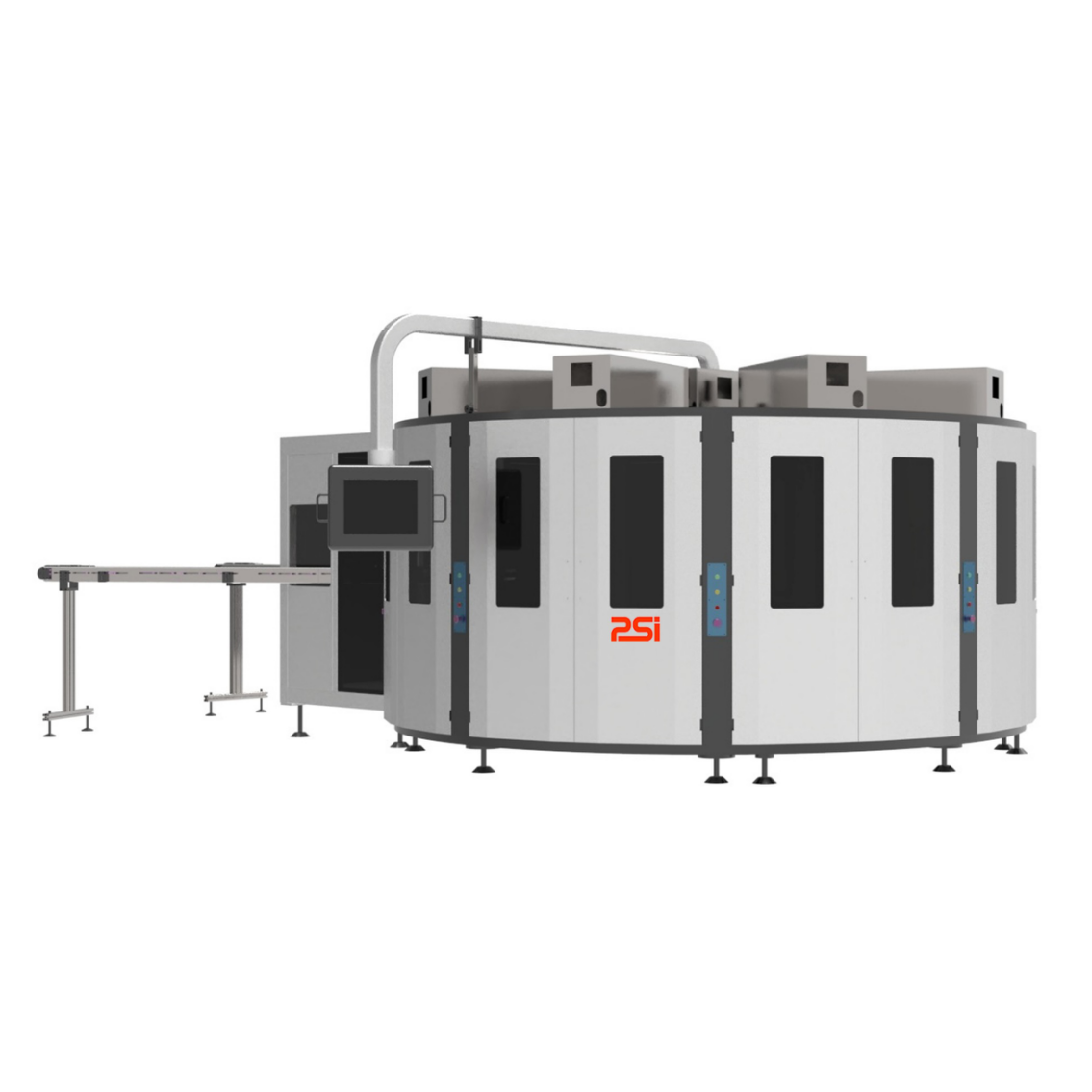
Rotary hot stamping machines excel in continuous web processing applications where materials pass between heated rollers under constant pressure and speed. These systems provide exceptional productivity for decorating flexible packaging films, labels, ribbons, and textile materials that can be processed in continuous formats. The cylindrical heating elements maintain consistent temperature distribution while pressure rollers ensure uniform contact across web widths.
Web tension control represents a critical factor in rotary hot stamping quality, as variations in material tension affect foil transfer consistency and registration accuracy. Dancer roller systems with load cells provide constant tension feedback while automatic splice detection prevents production interruptions during roll changes. Speed synchronization between web transport and foil advance mechanisms ensures proper foil utilization without waste or overlap.
Temperature profiling across roller surfaces accommodates varying web thicknesses and material properties through zone-controlled heating elements. Independent temperature control zones allow optimization for different substrate areas while maintaining overall process stability. Advanced systems incorporate infrared temperature monitoring that provides real-time feedback for automatic adjustment of heating parameters based on actual surface temperatures.
Plastic substrates require specific preparation techniques and parameter adjustments to achieve optimal hot stamping machine results due to varying thermal properties and surface characteristics. Thermoplastic materials including ABS, polycarbonate, and acrylic respond well to hot stamping when surface energy levels exceed 38 dynes per centimeter. Corona treatment, flame treatment, or chemical primers increase surface energy and improve foil adhesion on low-energy plastics such as polyethylene and polypropylene.
Temperature sensitivity varies significantly among plastic types, requiring careful selection of stamping parameters to prevent substrate deformation or degradation. Heat-sensitive materials benefit from lower temperature applications with extended dwell times, while high-temperature plastics accommodate rapid cycle processing with elevated temperatures. Material thickness influences heat transfer rates and required pressure levels, with thin films requiring gentler handling than rigid plastic components.
Mold release agents and surface contaminants commonly found on plastic parts interfere with foil adhesion and must be removed through appropriate cleaning procedures. Solvent cleaning, ultrasonic washing, or alkaline degreasing effectively removes oils, fingerprints, and processing aids that could compromise finish quality. Static elimination equipment prevents dust attraction and ensures clean substrate surfaces during stamping operations.
Metal substrates present unique challenges for hot stamping applications due to high thermal conductivity and potential surface oxidation that affects foil adhesion. Aluminum, steel, brass, and zinc alloys each require specific preparation techniques to achieve durable finishes. Surface roughness specifications typically range from 0.5 to 2.0 micrometers Ra for optimal foil conformance without excessive texture interference.
Oxide removal through chemical etching, mechanical abrasion, or laser cleaning creates reactive metal surfaces that form strong bonds with foil adhesive systems. Anodized aluminum requires special foil formulations designed for enhanced adhesion to oxide layers, while bare aluminum benefits from chromate conversion coatings that improve corrosion resistance and adhesive bonding. Stainless steel applications often utilize plasma treatment to activate surface chemistry without affecting base material properties.
Thermal management becomes critical when hot stamping metal components due to rapid heat conduction that can affect temperature distribution and cycle times. Preheating substrate materials or using higher initial temperatures compensates for thermal losses while maintaining consistent foil activation. Insulated tooling and temperature-controlled fixtures help maintain optimal processing conditions throughout production runs.
Quality assurance in hot stamping operations requires comprehensive testing protocols that evaluate both immediate transfer quality and long-term durability under service conditions. Tape pull tests provide immediate feedback on adhesive bonding strength, while crosshatch adhesion testing assesses coating integrity and substrate compatibility. These standardized test methods enable rapid process adjustments during production setup and ongoing quality monitoring.
Environmental durability testing simulates actual service conditions through accelerated aging protocols including temperature cycling, humidity exposure, and ultraviolet radiation. Salt spray testing evaluates corrosion resistance on metal substrates, while thermal shock testing assesses adhesive performance under extreme temperature variations. Abrasion resistance testing determines surface durability under mechanical wear conditions typical of handling and use.
Color consistency monitoring ensures uniform appearance across production lots through spectrophotometric measurements and visual comparison standards. Digital color management systems track color variations and provide automatic adjustments to maintain specifications. Gloss measurements using calibrated gloss meters verify surface finish characteristics and detect process variations that could affect product appearance.
Systematic documentation of optimal process parameters for different substrate and foil combinations enables consistent reproduction of quality results across production runs and equipment changeovers. Temperature profiles, pressure settings, dwell times, and positioning coordinates form the foundation of process recipes that can be stored and recalled through machine control systems. Statistical process control charts track parameter variations and identify trends that require corrective action.
Preventive maintenance schedules ensure continued machine performance and process consistency through regular calibration of temperature controllers, pressure sensors, and positioning systems. Heating element condition monitoring prevents temperature variations that could affect finish quality, while die inspection identifies wear patterns that require replacement or reconditioning. Foil handling system maintenance prevents contamination and ensures proper material advance during operations.
Operator training programs emphasize the relationship between process parameters and finish quality, enabling skilled personnel to make appropriate adjustments based on observed results. Standard operating procedures document setup requirements, quality standards, and troubleshooting guidelines that maintain consistency across different shifts and operators. Continuous improvement initiatives capture operator feedback and process observations to refine techniques and enhance productivity.
Foil selection depends primarily on substrate material properties and desired finish characteristics. Metallic foils containing aluminum particles work exceptionally well on most plastics, paper, and treated metals, providing brilliant mirror-like finishes. Pigmented foils offer broader color options and better adhesion to difficult substrates like polyethylene and polypropylene when combined with appropriate primers or surface treatments. Holographic foils require specific adhesive formulations and work best on smooth, flat surfaces that can reproduce fine optical patterns without distortion.
Temperature directly controls foil adhesive activation, with insufficient heat resulting in poor adhesion and excessive temperatures causing substrate damage or foil degradation. Optimal temperature ranges vary from 120°C to 200°C depending on foil type and substrate material. Pressure ensures intimate contact between foil and substrate, with typical ranges from 20 to 200 PSI based on material hardness and required impression depth. Balanced temperature and pressure combinations create strong, durable bonds while maintaining substrate integrity and finish appearance.
Regular calibration of temperature controllers, pressure sensors, and positioning systems maintains process accuracy and prevents quality variations. Heating element inspection and replacement prevent temperature inconsistencies that affect foil transfer quality. Die cleaning and reconditioning ensure proper surface contact and prevent contamination buildup. Foil handling system maintenance including roller cleaning and tension adjustment prevents material feeding problems and waste. Scheduled lubrication of mechanical components and replacement of wear items maintains smooth operation and extends equipment life.
Production efficiency optimization requires balancing cycle time reduction with quality maintenance through proper parameter selection and process control. Automated material handling systems eliminate manual loading delays while maintaining part positioning accuracy. Multi-station configurations enable simultaneous processing of multiple parts or sequential application of different foil colors. Preventive maintenance scheduling minimizes unplanned downtime while statistical process control identifies optimization opportunities. Operator training ensures efficient setup procedures and rapid response to process variations that could affect productivity or quality.
 EN
EN
 AR
AR FR
FR DE
DE HI
HI IT
IT JA
JA KO
KO PT
PT RU
RU ES
ES IW
IW ID
ID VI
VI TH
TH TR
TR FA
FA
 Hot News