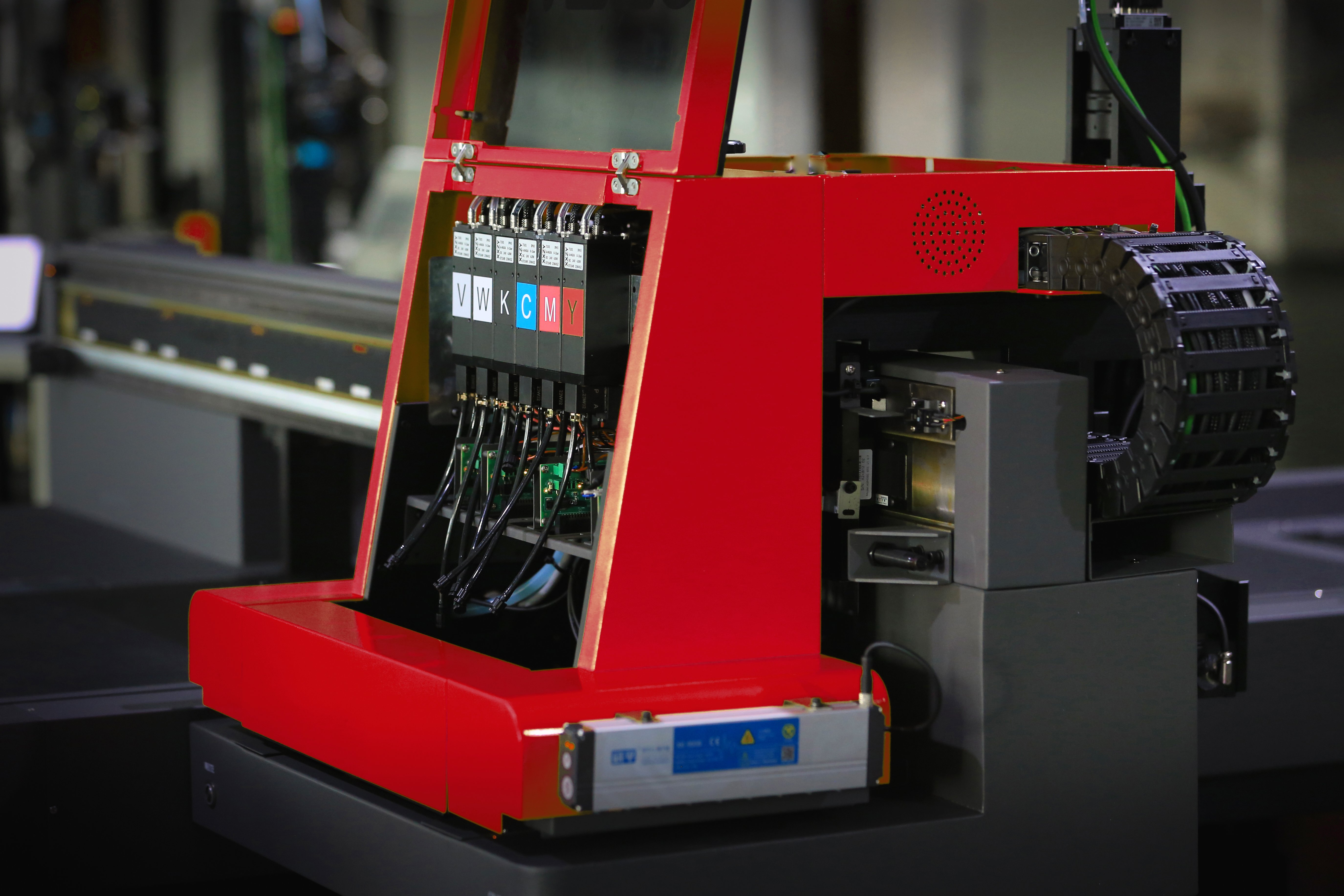
Selecting the appropriate inkjet printing supplies is crucial for maintaining optimal print quality, reducing operational costs, and ensuring the longevity of your printing equipment. The wrong choice of consumables can lead to poor print results, increased maintenance requirements, and premature wear of critical components. Understanding the various factors that influence supply selection helps businesses make informed decisions that directly impact their printing operations and bottom line results.
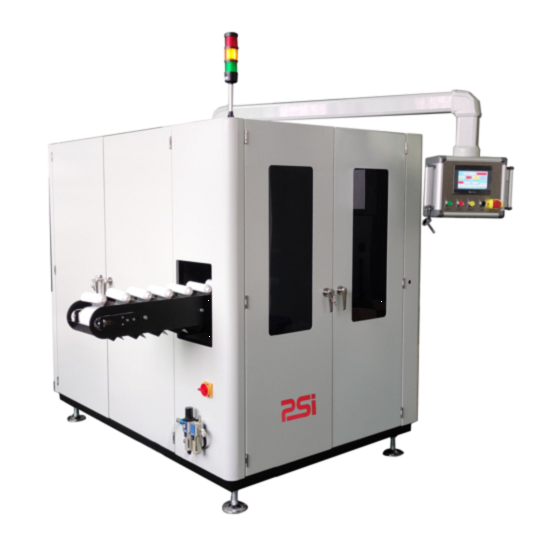
Water-based inkjet printing supplies offer excellent versatility for standard printing applications across various substrates. These formulations provide vibrant color reproduction while maintaining cost-effectiveness for high-volume operations. The water carrier allows for easy cleanup and reduced environmental impact compared to solvent-based alternatives. Most commercial printers designed for general-purpose applications perform optimally with water-based ink systems that deliver consistent droplet formation and reliable jetting performance.
The compatibility between water-based inks and specific printhead technologies determines overall system performance and longevity. Modern formulations include additives that prevent bacterial growth, reduce surface tension, and enhance substrate adhesion properties. Quality water-based inkjet printing supplies incorporate pH stabilizers and viscosity modifiers that maintain consistent performance across varying environmental conditions and extended storage periods.
Solvent-based inkjet printing supplies excel in applications requiring superior durability, weather resistance, and adhesion to challenging substrates. These formulations penetrate substrate surfaces more effectively than water-based alternatives, creating bonds that withstand harsh environmental conditions. Industrial applications often demand solvent-based inks for outdoor signage, automotive parts marking, and packaging applications where longevity is paramount.
UV-curable inkjet printing supplies represent advanced technology that instantly polymerizes upon exposure to ultraviolet light sources. This rapid curing process eliminates drying time constraints while producing extremely durable prints with exceptional scratch and chemical resistance. The instant curing capability enables printing on heat-sensitive substrates that cannot withstand traditional thermal drying processes, expanding application possibilities significantly.
The absorption characteristics of target substrates directly influence the selection of appropriate inkjet printing supplies for optimal results. Porous materials such as paper, cardboard, and untreated textiles readily absorb ink formulations, requiring specific viscosity and surface tension properties for proper penetration and color development. The capillary action within porous substrates affects ink distribution patterns and final print quality outcomes.
Non-porous substrates including metals, plastics, and coated surfaces present different challenges that require specialized ink formulations with enhanced adhesion properties. These materials resist ink penetration, necessitating surface treatments or specially formulated inkjet printing supplies that create mechanical or chemical bonds with substrate surfaces. Proper ink selection ensures adequate adhesion without compromising print resolution or durability requirements.
Operating temperature ranges significantly impact ink performance characteristics and substrate compatibility during the printing process. High-temperature applications require thermally stable inkjet printing supplies that maintain viscosity and jetting properties without degrading or causing printhead damage. Cold environments may increase ink viscosity beyond acceptable parameters, requiring heated ink systems or cold-weather formulations.
Humidity levels affect ink drying rates and substrate dimensional stability during printing operations. Excessive moisture can cause ink bleeding, poor adhesion, and extended drying times that reduce production throughput. Conversely, extremely dry conditions may lead to rapid ink evaporation, increased viscosity, and potential printhead clogging issues that interrupt production workflows.
Achieving consistent color reproduction requires inkjet printing supplies that meet strict quality standards for pigment concentration, particle size distribution, and color stability over time. Professional applications demand inks that maintain color accuracy across extended production runs without significant drift or variation. Spectrophotometric testing ensures that ink batches meet specified color gamut requirements and maintain consistency between supply lots.
The relationship between ink formulation and printhead technology affects droplet formation consistency and placement accuracy on target substrates. Premium inkjet printing supplies undergo extensive testing to verify compatibility with specific printhead models and firing frequencies. Consistent droplet volume and trajectory ensure uniform print density and eliminate banding or streaking artifacts that compromise print quality.
Different applications require varying levels of print durability ranging from temporary marking to permanent identification systems. Fade resistance testing determines how well printed images maintain color integrity under ultraviolet exposure, heat cycling, and chemical contact conditions. Industrial marking applications often specify minimum durability requirements that printed codes must meet throughout product lifecycles.
Adhesion testing evaluates how effectively inkjet printing supplies bond with target substrates under stress conditions including flexing, temperature cycling, and moisture exposure. Proper adhesion prevents ink removal during handling, shipping, or end-use applications. Quality supplies include additives that enhance substrate wetting and promote strong interfacial bonds without compromising other performance characteristics.
Implementing strategic purchasing approaches for inkjet printing supplies can significantly reduce per-unit costs while ensuring adequate inventory levels for uninterrupted production. Bulk purchasing agreements often provide substantial cost savings through volume discounts and reduced per-delivery charges. However, inventory turnover rates must balance cost savings against storage requirements and ink shelf-life limitations.
Consumption forecasting based on historical usage patterns helps optimize ordering schedules and prevent emergency purchases at premium pricing. Regular analysis of print volumes, seasonal variations, and production growth trends enables more accurate supply planning. Just-in-time delivery arrangements can reduce inventory carrying costs while maintaining production continuity for operations with predictable consumption patterns.
Evaluating the complete cost structure for inkjet printing supplies extends beyond initial purchase prices to include operational efficiency factors. Higher-quality inks may command premium pricing but deliver superior coverage rates, reduced maintenance requirements, and fewer production interruptions. The total cost analysis should incorporate factors such as waste reduction, rework elimination, and extended printhead service life.
Maintenance cost implications vary significantly between different ink formulations and quality levels. Premium inkjet printing supplies often include cleaning agents and stabilizers that reduce printhead maintenance frequency and extend component service life. The reduced downtime and lower maintenance costs can offset higher supply costs, particularly in high-volume production environments where operational continuity is critical.
Replacement frequency depends on usage volume, storage conditions, and ink formulation shelf life. Most inkjet printing supplies maintain optimal performance for 12-24 months when stored properly in controlled temperature and humidity conditions. Monitor print quality regularly and replace supplies when color accuracy, droplet formation, or substrate adhesion begins to deteriorate noticeably.
Store inkjet printing supplies in cool, dry environments away from direct sunlight and temperature extremes. Ideal storage temperatures range from 15-25°C with relative humidity below 60%. Maintain supplies in original sealed containers until use and implement first-in-first-out rotation to prevent expiration. Avoid freezing temperatures that can permanently damage ink formulations.
Never mix different ink brands or formulations as this can cause chemical reactions, precipitation, or performance degradation. Different manufacturers use varying additive packages and base formulations that may be incompatible. Always flush printing systems completely when changing ink suppliers or formulations to prevent contamination and ensure optimal performance with new supplies.
Calculate consumption rates by monitoring actual usage over representative time periods including various print jobs and substrate types. Track volume per printed area, coverage percentages, and waste factors to establish baseline consumption patterns. Factor in seasonal variations, production growth projections, and efficiency improvements when planning future supply requirements for accurate forecasting.
 EN
EN
 AR
AR FR
FR DE
DE HI
HI IT
IT JA
JA KO
KO PT
PT RU
RU ES
ES IW
IW ID
ID VI
VI TH
TH TR
TR FA
FA
 Hot News