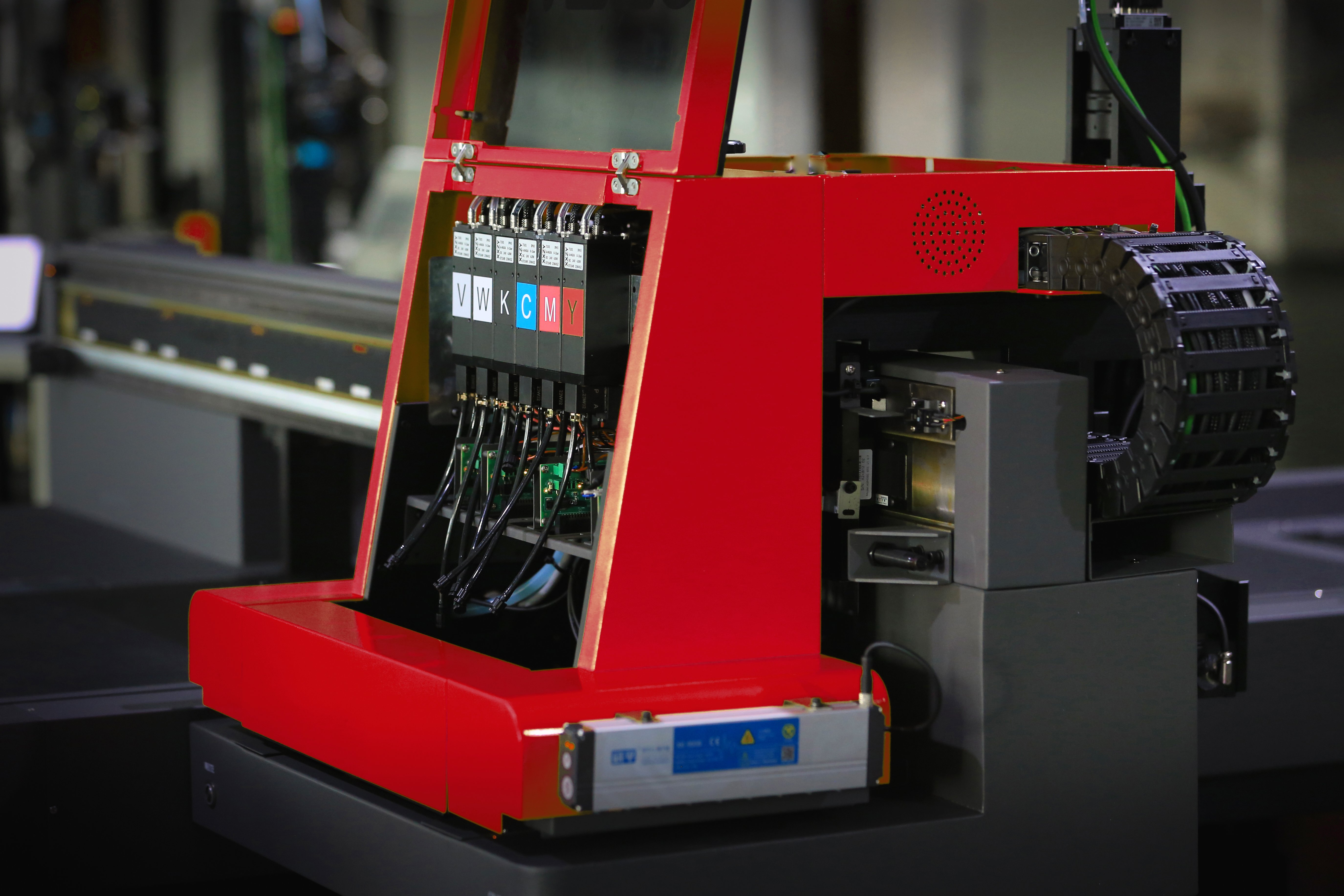
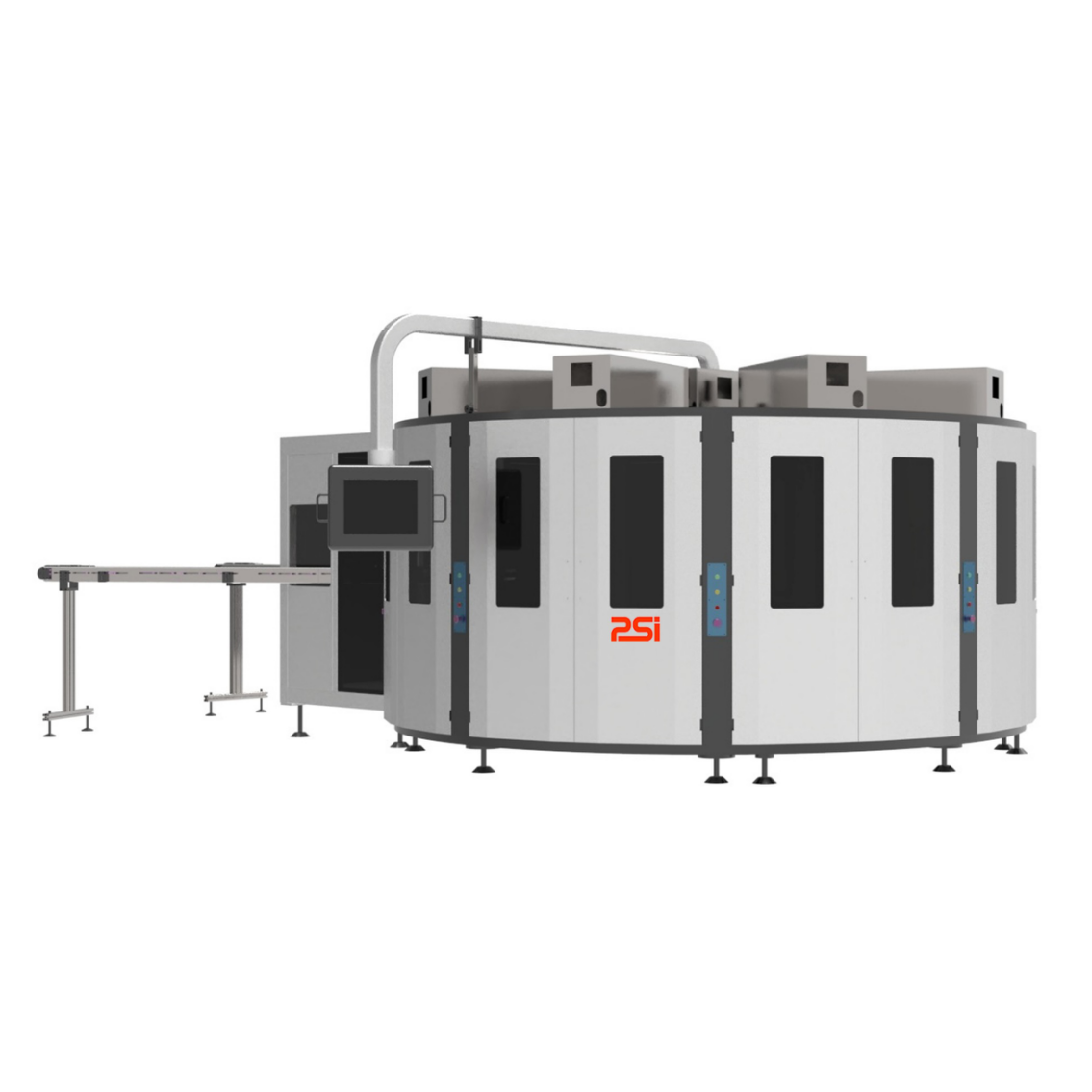
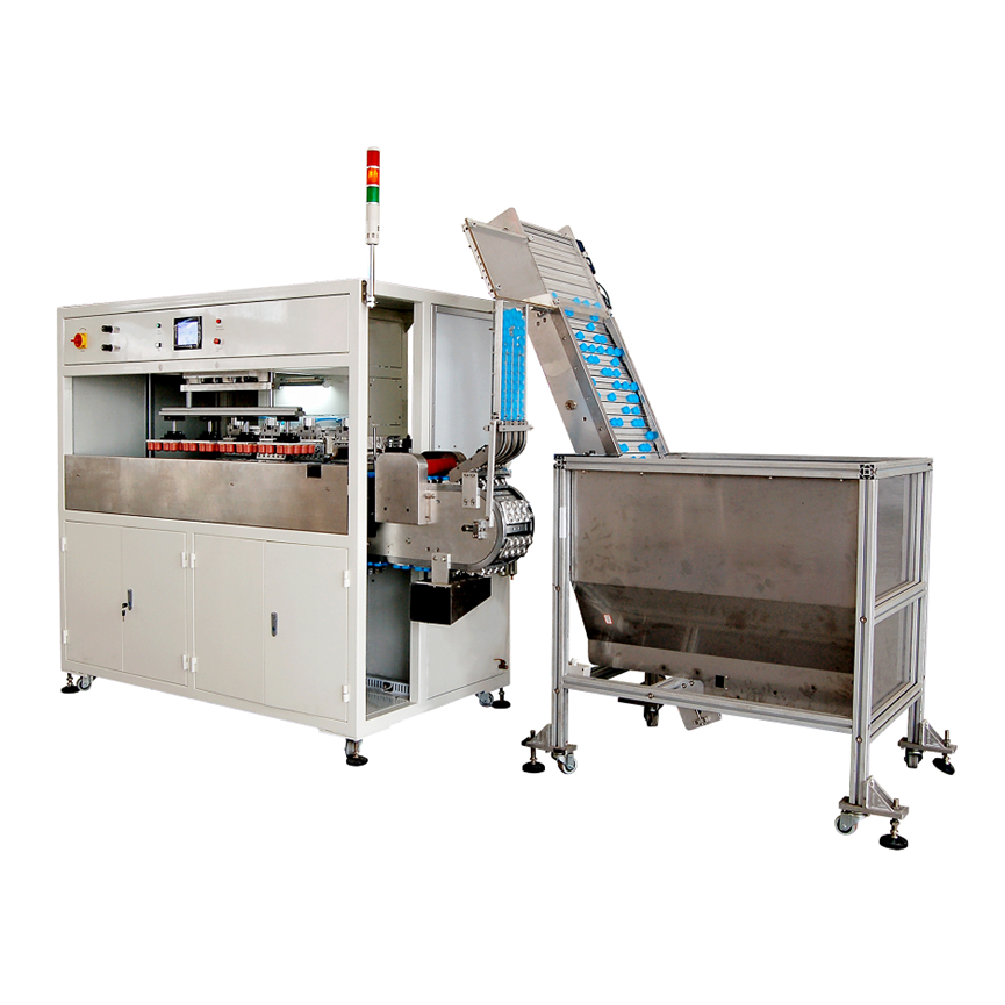
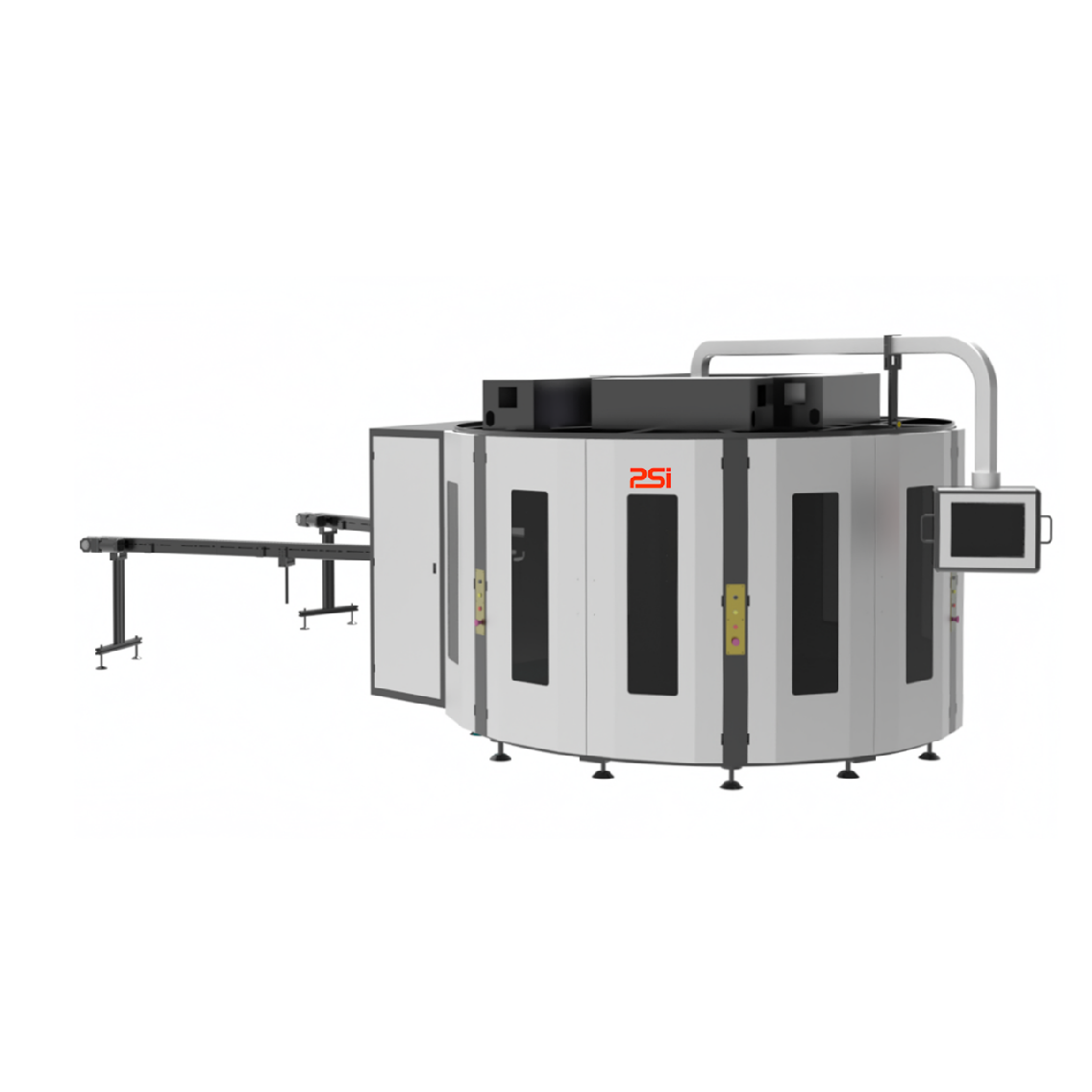
Sustainability has become a defining priority across modern manufacturing, and the screen printing machine has evolved significantly to meet this challenge. Today's industrial screen printing machine designs are engineered with environmental responsibility in mind, integrating precision control systems, reduced chemical consumption, and energy-efficient drive mechanisms. As factories face increasing pressure to lower their carbon footprint, the screen printing machine has become a central piece of equipment in sustainable production planning.
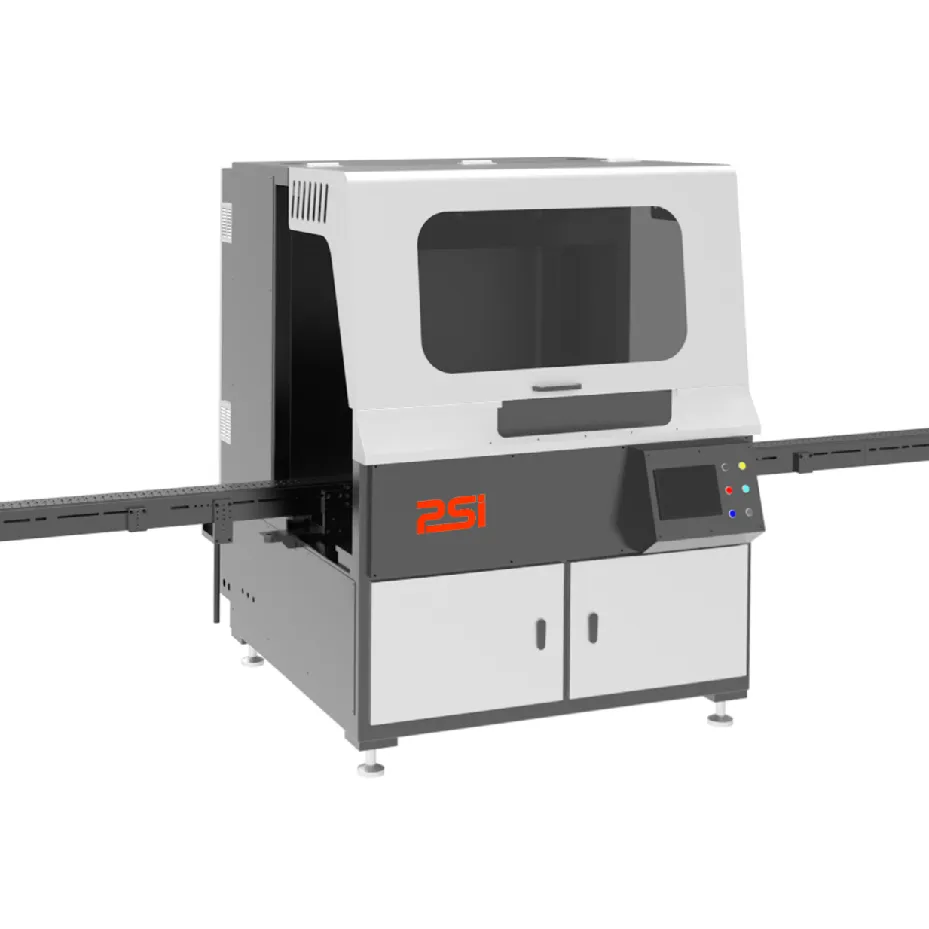
Understanding how a screen printing machine directly supports sustainability goals requires looking beyond surface-level claims. The real value lies in how modern screen printing machine technology reduces material waste, cuts energy use, and improves process repeatability. Each of these factors contributes to a cleaner, more cost-effective production cycle. This article examines exactly how the screen printing machine accomplishes these goals across different manufacturing environments.
One of the most impactful changes in screen printing machine technology is the shift from traditional pneumatic or hydraulic systems to fully servo-driven mechanisms. A servo-driven screen printing machine uses motion control motors that consume power only when active movement is required. This is fundamentally different from older systems that maintain constant pressure or run continuous motors regardless of production state. The result is a screen printing machine that consumes significantly less electricity per production cycle, directly reducing the energy footprint of every printed unit.
All-servo screen printing machine platforms also deliver smoother acceleration and deceleration during print strokes. This precision reduces mechanical wear, extends the lifespan of the machine, and lowers long-term material replacement costs. A screen printing machine built on servo architecture supports both operational efficiency and sustainable production lifecycle management. Fewer replacements and lower energy bills reinforce the sustainability case for investing in advanced screen printing machine technology.
Heat is a major source of energy waste in printing production environments. A well-designed screen printing machine incorporates controlled curing systems that apply heat precisely where and when it is needed. Rather than running full-capacity ovens continuously, modern screen printing machine curing integration uses sensor feedback to maintain optimal temperatures. This reduces excess heat generation, lowers utility costs, and minimizes the thermal impact on surrounding equipment and workspace conditions.
Ink waste is one of the most significant environmental concerns in industrial printing. A high-precision screen printing machine addresses this through tight registration control and consistent squeegee pressure management. When a screen printing machine applies ink with repeatable accuracy, overprinting, smearing, and substrate rejects are minimized. Every substrate that passes through a well-calibrated screen printing machine receives the correct ink volume, which means less ink is wasted on failed prints and rejected materials.
Advanced screen printing machine models also support closed-loop ink circulation within the print head zone. This prevents ink from drying prematurely during production pauses, reducing the need to purge and discard unused ink. For manufacturers using specialty inks such as UV-curable or solvent-based formulations, this screen printing machine feature has a direct and measurable impact on chemical waste reduction. Lower chemical waste means reduced disposal costs and a cleaner environmental compliance record for the facility.
Material waste extends beyond ink. A screen printing machine with poor registration accuracy causes substrate misalignment, which results in wasted panels, films, or printed sheets. A modern screen printing machine uses vision alignment systems and motorized registration tables to ensure that every substrate is positioned correctly before the print cycle begins. This level of accuracy in a screen printing machine dramatically reduces raw material waste across high-volume production runs. When less substrate is wasted, fewer raw materials are consumed, and supply chain efficiency improves alongside the facility's sustainability metrics.
A screen printing machine equipped with digital process controls can log cycle data, monitor print quality in real time, and trigger alerts when parameters drift outside acceptable ranges. This means a screen printing machine operator can catch quality deviations before large batches of material are ruined. Preventing rework is one of the most direct ways a screen printing machine supports sustainability goals. Every batch that is corrected before completion rather than scrapped after the fact represents saved energy, saved materials, and saved labor resources.
Process intelligence in a modern screen printing machine also supports predictive maintenance scheduling. When a screen printing machine signals that a component is approaching end-of-life, maintenance teams can plan interventions during planned downtime rather than reacting to sudden breakdowns. This reduces emergency repair waste, prevents production interruptions, and extends the overall service life of the screen printing machine. A longer-lasting screen printing machine means fewer units manufactured, delivered, and eventually disposed of — a meaningful contribution to industrial sustainability.
Modern screen printing machine platforms are designed to handle a wide range of ink chemistries, including water-based and UV-curable formulations that carry a lower environmental impact than older solvent-heavy alternatives. A screen printing machine with flexible ink viscosity handling can accommodate these greener materials without requiring extensive hardware modifications. This compatibility makes the screen printing machine a practical tool for manufacturers transitioning away from high-VOC processes. Choosing a screen printing machine that supports sustainable ink types is a concrete step toward meeting environmental compliance standards without sacrificing print quality or throughput.
A modern screen printing machine uses precision pressure control and registration systems to apply ink consistently on every cycle. This reduces reject rates and overprinting errors, which are the primary sources of ink waste in older screen printing machine designs. Closed-loop ink management within the screen printing machine further prevents premature drying and unnecessary purging.
Yes. A well-engineered screen printing machine is designed with adjustable ink viscosity handling that allows operators to use water-based, UV-curable, and other low-VOC formulations. Transitioning to these ink types on a compatible screen printing machine supports both environmental compliance goals and worker safety standards without requiring a complete equipment overhaul.
Servo motors in a screen printing machine only draw power during active motion cycles, unlike continuous-run pneumatic systems. This on-demand energy consumption model makes the screen printing machine far more efficient per printed unit. Additionally, servo precision extends the mechanical lifespan of the screen printing machine by reducing wear on moving components, which lowers long-term resource consumption tied to maintenance and replacement.
 EN
EN
 AR
AR FR
FR DE
DE HI
HI IT
IT JA
JA KO
KO PT
PT RU
RU ES
ES IW
IW ID
ID VI
VI TH
TH TR
TR FA
FA
 Hot News