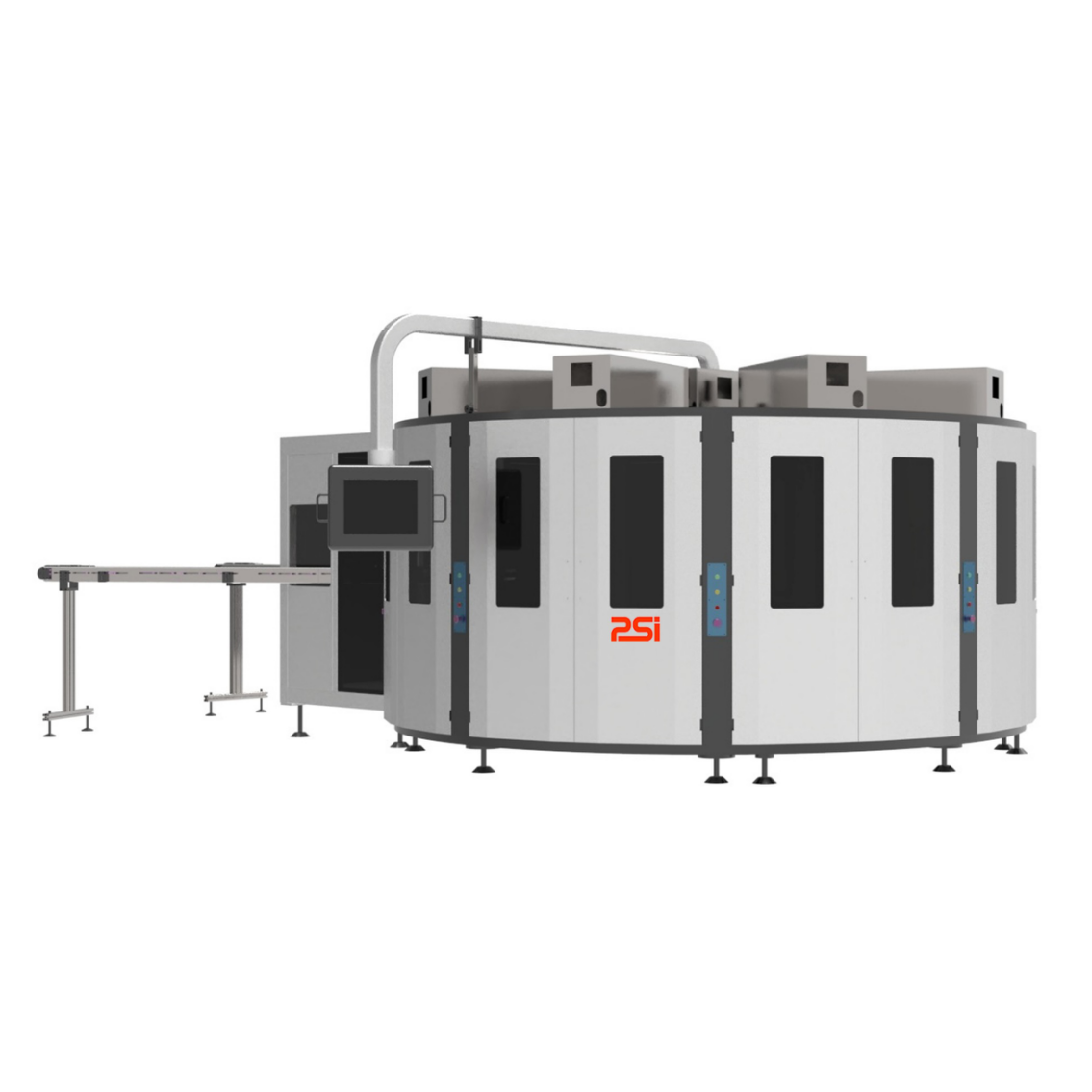
Modern manufacturing is rapidly evolving, and the screen printing machine sits at the center of that transformation. As production floors grow more complex and client demands more precise, one question is gaining serious traction among print shop managers and production engineers alike: could cloud connectivity genuinely improve how a screen printing machine integrates into a larger, coordinated workflow? The short answer is yes, and the reasons are both practical and strategically significant.
Workflow coordination across a screen printing machine environment has historically relied on manual scheduling, paper-based job tracking, and operator-to-operator communication. These methods introduce delays, miscommunication, and costly rework. Cloud connectivity replaces those fragile links with real-time data sharing, remote monitoring, and centralized process visibility, fundamentally changing how each screen printing machine interacts with the rest of the production line.
Every screen printing machine generates a continuous stream of operational data: print speed, squeegee pressure, ink viscosity feedback, cycle counts, and alarm events. Without cloud integration, this data stays locked in a local controller or is never captured at all. When a screen printing machine is connected to a cloud platform, all of this information becomes instantly accessible to production supervisors, quality teams, and maintenance engineers regardless of their physical location.
This visibility allows teams to act on live data rather than end-of-shift reports. If one screen printing machine on a multi-unit line begins showing cycle time deviations, a supervisor can identify the issue before it cascades into a bottleneck. Real-time data sharing also means job parameters can be pushed remotely to a screen printing machine, reducing the time spent manually keying in settings between job changeovers.
Unplanned downtime is one of the most disruptive events in any screen printing machine environment. Cloud connectivity enables continuous health monitoring of each screen printing machine, tracking motor performance, servo drive status, temperature trends, and lubrication cycles. When sensor data signals an anomaly, automated alerts reach maintenance teams before a breakdown occurs.
Predictive maintenance supported by cloud analytics extends the operational lifespan of each screen printing machine. Rather than replacing components on a fixed calendar schedule, teams can act on actual wear data. This targeted approach reduces parts waste and keeps every screen printing machine running at peak efficiency, which directly benefits workflow continuity across the entire production facility.
A connected screen printing machine can receive job assignments directly from a cloud-based MES or ERP system, eliminating the handoff errors that occur when production staff manually transfer order details. When a new job enters the production queue, the cloud platform pushes the relevant parameters to the designated screen printing machine automatically, ensuring the correct ink colors, substrate settings, and registration values are loaded without manual intervention.
For facilities running multiple screen printing machine units simultaneously, cloud-based scheduling ensures that jobs are distributed optimally across available machines. Capacity utilization improves, idle time drops, and the risk of double-booking a screen printing machine against conflicting jobs is eliminated through automated conflict detection logic built into modern cloud platforms.
Workflow coordination extends beyond the screen printing machine itself. Pre-press teams, ink preparation staff, and post-print quality inspectors all need timely information to perform their roles effectively. A cloud-connected screen printing machine can trigger automated notifications when a job is approaching completion, prompting downstream departments to prepare for the next stage without waiting for a manual call or email.
Quality control data captured at the screen printing machine, such as vision inspection results or ink coverage readings, can be uploaded to the cloud and made available to quality managers in real time. This creates a traceable, digital quality record for every job processed on each screen printing machine, supporting audit requirements and helping teams identify recurring print defects before they affect larger production runs.
Implementing cloud connectivity for a screen printing machine environment requires careful attention to the existing network infrastructure. Industrial-grade Wi-Fi, wired Ethernet connections, and edge computing gateways are all potential pathways for connecting a screen printing machine to a cloud platform. The choice depends on the physical layout of the production floor, the number of screen printing machine units involved, and the data latency requirements of the application.
Protocol compatibility is another critical factor. Many modern screen printing machine controllers support OPC-UA, MQTT, or proprietary API interfaces. Selecting a cloud platform that natively supports the communication protocol of your screen printing machine ensures smoother integration and reduces the need for costly custom middleware development.
Connecting a screen printing machine to an external cloud environment introduces cybersecurity responsibilities that production managers must address proactively. Role-based access controls, encrypted data transmission, and regular security audits are essential safeguards. Ensuring that proprietary job files and production parameters stored by each screen printing machine remain protected from unauthorized access is a non-negotiable requirement for any serious implementation.
Data ownership policies should also be clearly established before deployment. Print facilities must understand what data their screen printing machine sends to the cloud platform, how long it is retained, and what rights the platform provider holds over that data. Transparent contractual terms protect the facility and ensure that sensitive production intelligence tied to the screen printing machine operation remains under the facility's control.
Not necessarily. Many cloud connectivity solutions use external edge gateways or IoT adapters that connect to an existing screen printing machine controller without requiring hardware replacement. The feasibility depends on the communication interfaces available on your current screen printing machine model and the capabilities of the chosen cloud platform.
Most facilities begin observing measurable improvements within the first few weeks of deployment. Reduced job changeover times, fewer scheduling conflicts, and faster maintenance response are among the earliest benefits reported after a screen printing machine is integrated into a cloud-based workflow coordination system.
Yes. While large multi-machine facilities gain the most immediate scale benefits, even a small operation running a single screen printing machine can benefit from remote monitoring, digital job tracking, and cloud-based quality records. Entry-level cloud connectivity packages are available that scale with production volume and do not require significant upfront infrastructure investment.
 EN
EN
 AR
AR FR
FR DE
DE HI
HI IT
IT JA
JA KO
KO PT
PT RU
RU ES
ES IW
IW ID
ID VI
VI TH
TH TR
TR FA
FA
 Hot News