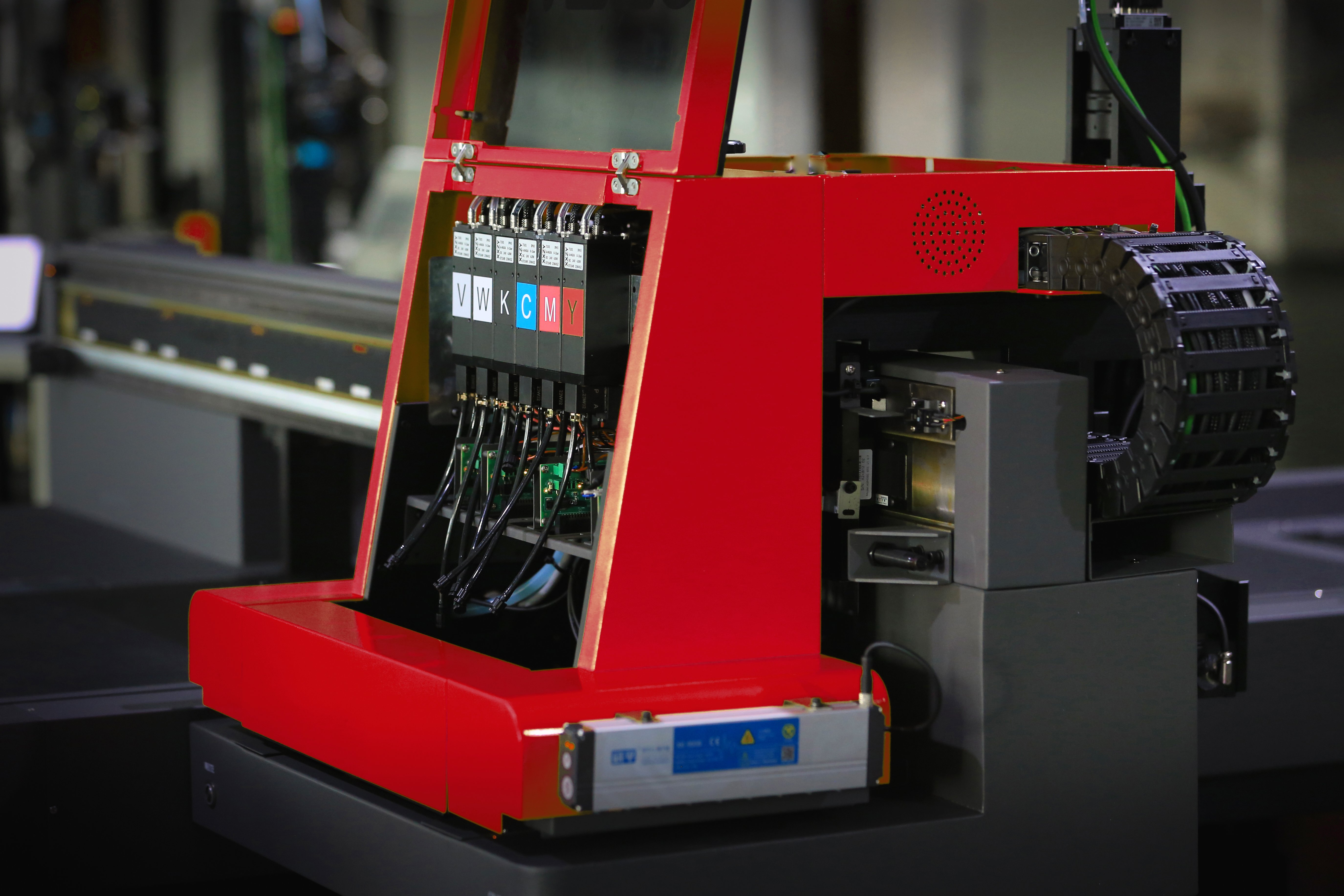
Industrial printing equipment plays an important role in modern manufacturing environments where efficiency, accuracy, and stable production output are essential. A digital inkjet printing machine is designed to provide precise printing performance, flexible production capabilities, and consistent results across different applications. However, like any industrial equipment, regular maintenance is necessary to ensure long-term reliability and maintain printing quality.
For manufacturers, B2B buyers, wholesalers, distributors, contractors, and engineering companies, equipment lifespan directly affects production costs and operational efficiency. A properly maintained digital inkjet printing machine can reduce unexpected downtime, improve printing consistency, and protect the overall investment value.
Modern digital printing systems include multiple precision components, including print heads, ink delivery systems, control units, mechanical structures, and software systems. Each part requires appropriate maintenance methods to ensure smooth operation.
For companies using industrial printing equipment, maintenance is not only about repairing problems after they occur. A professional maintenance strategy focuses on prevention, regular inspection, and optimized operating conditions. By establishing a systematic approach, manufacturers can keep their digital inkjet printing machine performing efficiently for a longer service period.
Cleaning is one of the most important maintenance activities for industrial printing equipment. Ink residue, dust, and environmental particles can affect printing accuracy if they accumulate over time.
The print head is one of the most important components of a digital inkjet printing machine. It controls ink distribution and directly affects image quality.
During continuous operation, ink particles may build up around the print head surface. If not properly cleaned, these deposits can cause uneven ink flow, blocked nozzles, or reduced printing accuracy.
Regular print head cleaning helps maintain consistent ink delivery and prevents performance issues.
Manufacturers should follow recommended cleaning procedures instead of using unsuitable cleaning methods that may damage precision components.
A proper cleaning schedule helps extend print head service life and reduces the frequency of replacement.
The ink supply system plays a critical role in ensuring stable printing performance. Ink lines, cartridges, and related components need regular inspection.
If ink dries inside the system, it may create blockages that affect printing quality.
For a digital inkjet printing machine, maintaining proper ink flow helps ensure smooth operation and consistent output.
Operators should check ink conditions regularly and use compatible materials recommended for the equipment.
For industrial users, preventive ink system maintenance reduces production interruptions and improves workflow efficiency.
The environment where a digital inkjet printing machine operates can significantly influence equipment performance. Temperature, humidity, dust levels, and workspace conditions all affect machine stability.
Industrial printing systems often require stable environmental conditions. Extreme temperatures or excessive humidity may affect ink performance and electronic components.
High humidity can influence drying processes, while low humidity may increase the risk of static electricity or ink-related problems.
Maintaining suitable operating conditions helps protect sensitive parts and supports consistent printing quality.
For companies running production lines, environmental control should be included in daily equipment management.
A stable working environment allows a digital inkjet printing machine to operate more efficiently and reduces unnecessary maintenance issues.
Dust accumulation can affect moving parts, sensors, and printing mechanisms. Even small particles may influence precision performance.
Regular cleaning of the surrounding workspace helps reduce contamination risks.
Manufacturers should avoid placing printing equipment in environments with excessive dust or uncontrolled conditions.
A clean production area contributes to longer equipment lifespan and better printing results.
Ink selection and handling are essential factors in maintaining industrial printing systems.
Different printing machines are designed for specific ink types and application requirements. Using unsuitable ink may affect print quality and damage internal components.
A digital inkjet printing machine requires compatible ink materials to ensure stable operation.
Incorrect ink selection can cause clogging, poor adhesion, or inconsistent printing results.
For B2B buyers and production managers, choosing suitable consumables is an important part of equipment maintenance.
Reliable suppliers usually provide guidance on ink compatibility and operating requirements.
Running equipment with insufficient ink supply may affect printing performance.
Operators should monitor ink levels and refill materials before production problems occur.
Regular inspection prevents unexpected downtime and keeps production schedules stable.
For manufacturers handling large orders, proper ink management supports continuous operation.
A digital inkjet printing machine contains mechanical structures that require regular inspection to maintain accuracy.
Mechanical components such as rails, belts, rollers, and positioning systems experience repeated movement during operation.
Over time, these parts may experience wear or require adjustment.
Regular inspection helps identify early signs of damage before they become major failures.
Lubrication and component adjustments should be performed according to manufacturer recommendations.
For industrial users, preventive mechanical maintenance reduces repair costs and improves machine availability.
Printing precision depends on accurate positioning and calibration.
Changes in mechanical alignment may affect image placement, color accuracy, or printing consistency.
Regular calibration ensures that the equipment continues producing high-quality results.
For businesses using a digital inkjet printing machine for detailed designs or customized production, calibration is especially important.
Proper calibration supports stable output and reduces material waste.
Modern industrial printing equipment relies heavily on digital control systems. Software maintenance is an important part of keeping equipment reliable.
Manufacturers may release software improvements that enhance machine performance, stability, or compatibility.
Keeping control systems updated helps maintain efficient operation.
Operators should follow recommended update procedures to avoid unnecessary system problems.
A well-maintained software system allows a digital inkjet printing machine to communicate effectively with production workflows.
Printing equipment often requires customized settings for different materials and applications.
Backing up important parameters helps prevent production delays if system issues occur.
Saved configurations allow operators to quickly restore working conditions.
For companies managing multiple production requirements, organized software management improves efficiency.
Human operation has a major impact on equipment lifespan. Proper training helps prevent mistakes and improves daily maintenance.
Operators should understand basic equipment functions, cleaning procedures, and warning indicators.
Incorrect operation can lead to unnecessary wear or printing problems.
Training helps employees respond correctly to minor issues before they become serious failures.
For companies investing in a digital inkjet printing machine, operator knowledge is an important factor in protecting equipment value.
A clear operating process ensures consistent machine usage.
Operators should follow startup, shutdown, cleaning, and inspection procedures.
Standard practices reduce accidental damage and improve production stability.
For industrial environments, documented procedures support better equipment management.
A professional maintenance plan is more effective than waiting for equipment failure.
Manufacturers should establish maintenance schedules based on production frequency and operating conditions.
Regular checks help identify problems early.
Inspection items may include print heads, ink systems, mechanical parts, and software performance.
A structured maintenance plan helps keep a digital inkjet printing machine operating efficiently.
For production managers, scheduled maintenance is easier to manage than unexpected repairs.
Some components naturally wear out after long-term use.
Replacing parts before complete failure prevents production interruptions.
Preventive replacement reduces the risk of sudden equipment breakdown.
For businesses relying on continuous manufacturing, this approach improves productivity and cost control.
Maintenance strategies create direct business value by improving equipment performance and reducing operational risks.
Well-maintained printing equipment consumes resources more efficiently.
Reduced breakdowns mean fewer repair expenses and less production downtime.
A properly maintained digital inkjet printing machine provides better return on investment.
For manufacturers, long-term equipment reliability supports stable business operations.
Customers expect consistent printing results across every order.
Regular maintenance helps maintain color accuracy, image quality, and production stability.
This is especially important for businesses producing customized or high-value products.
Reliable printing performance strengthens customer satisfaction and business reputation.
Maintenance efficiency also depends on equipment quality and supplier support.
A professional supplier should provide technical guidance, maintenance recommendations, and service support.
Proper support helps users understand how to operate and maintain equipment correctly.
PSI provides industrial digital printing solutions and technical information to support different printing applications. (psi-print.com)
High-quality equipment usually includes better engineering design, stable components, and reliable performance.
Choosing a trusted digital inkjet printing machine supplier helps reduce future maintenance challenges.
For B2B buyers, evaluating supplier experience, technical capability, and service support is an important purchasing step.
Maintenance frequency depends on machine usage, production environment, and operating conditions. Regular cleaning, inspection, and preventive checks should be included in daily and scheduled maintenance plans.
The print head directly controls ink output. Proper cleaning and maintenance help prevent clogging, improve printing quality, and extend the service life of the equipment.
Yes. Temperature, humidity, and dust levels can influence ink behavior, mechanical performance, and overall printing stability.
Companies should focus on cleaning, ink management, mechanical inspection, software maintenance, operator training, and preventive maintenance schedules.
 EN
EN
 AR
AR FR
FR DE
DE HI
HI IT
IT JA
JA KO
KO PT
PT RU
RU ES
ES IW
IW ID
ID VI
VI TH
TH TR
TR FA
FA
 Hot News