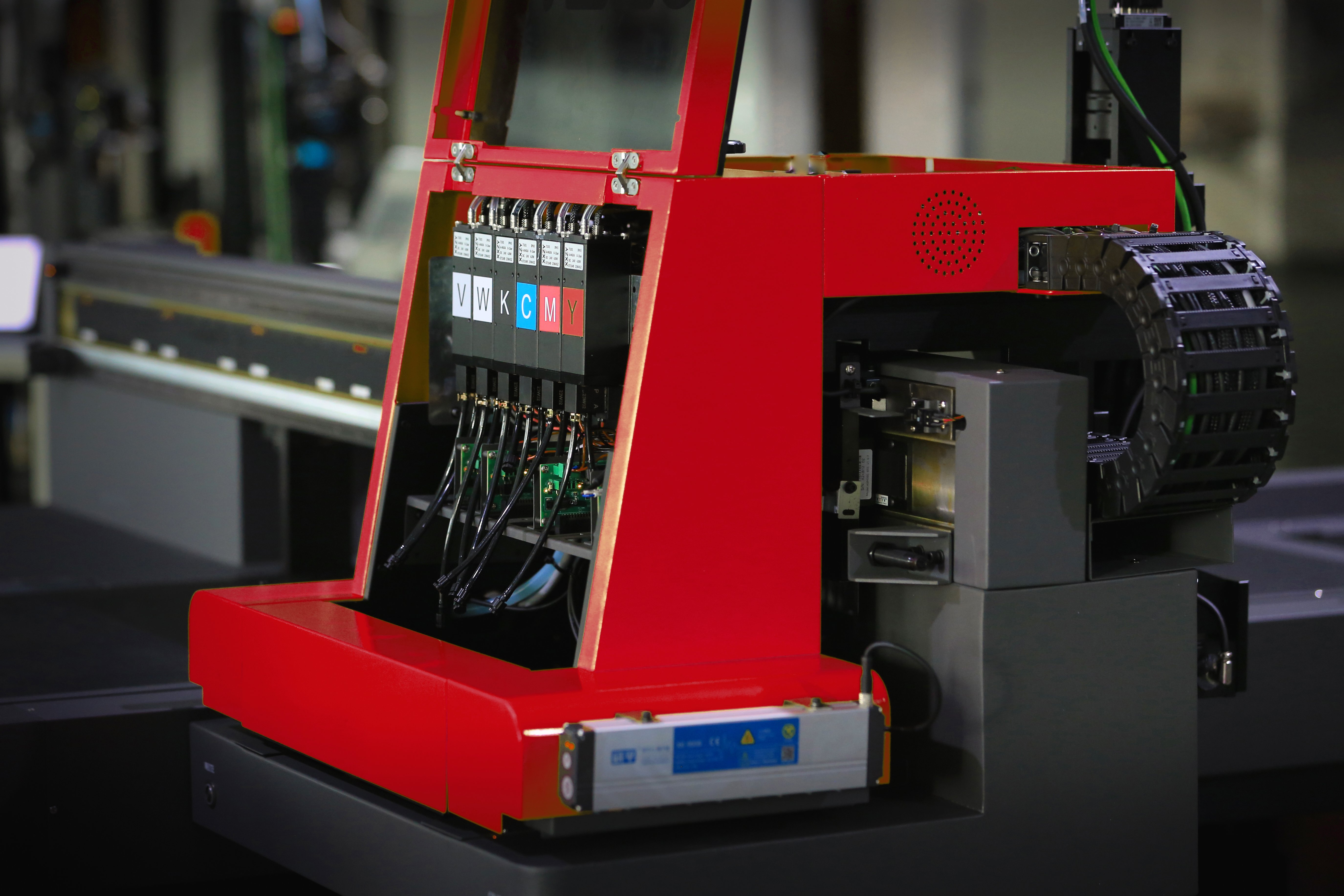
Smart manufacturing is changing how industrial companies manage production, customization, quality control, and operational efficiency. As manufacturers move toward more flexible and intelligent production models, printing technology has become an important part of industrial upgrading. A digital inkjet printing machine system provides advanced solutions for businesses that need high-quality printing, faster production cycles, and adaptable manufacturing processes.
Unlike traditional printing methods that may require complex preparation, fixed plates, or longer setup procedures, a digital inkjet printing machine uses digital control technology to transfer designs directly onto different materials. This allows manufacturers to respond faster to changing market requirements and produce customized products more efficiently.
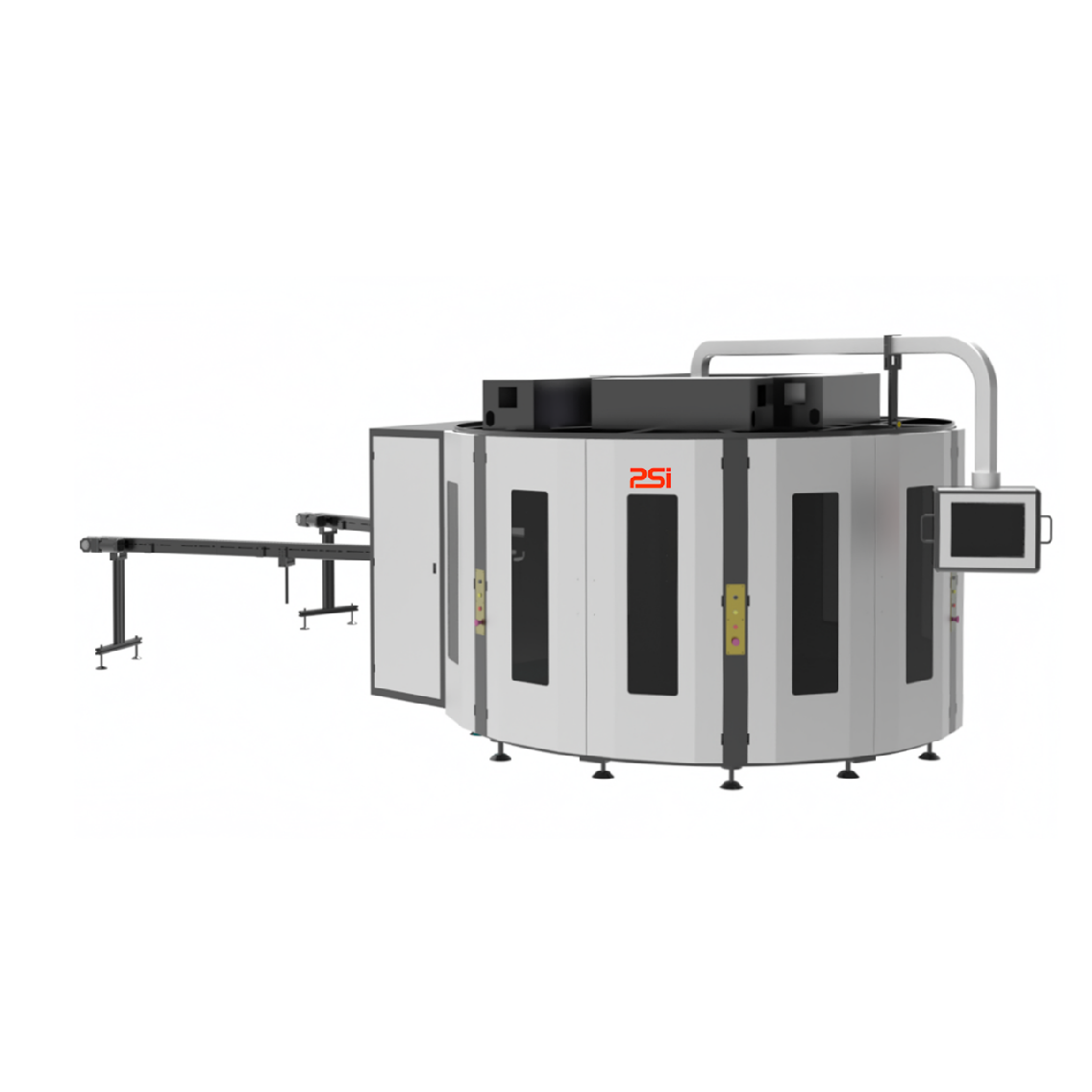
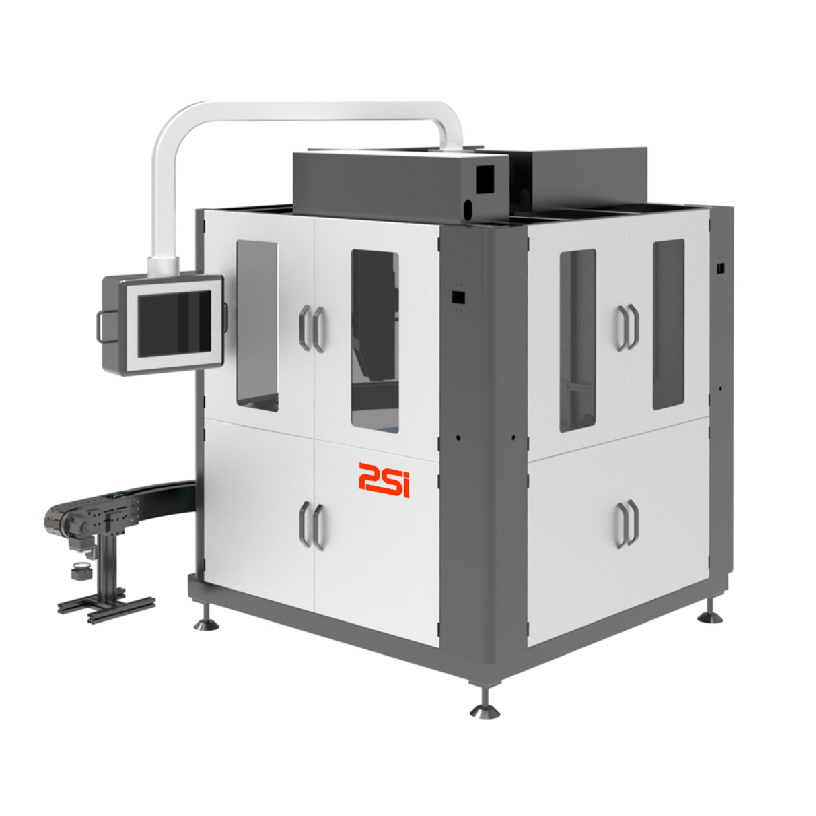
For B2B buyers, wholesalers, distributors, contractors, architects, and engineering companies, selecting the right printing equipment is essential for improving production capability and business competitiveness. Modern industrial printing systems need to deliver consistent quality, flexible applications, and stable operation. PSI provides industrial printing solutions designed for different applications, including digital printing technologies that support high-quality output on various substrates. (PSI)
In smart manufacturing environments, a digital inkjet printing machine is not only a printing device but also a key component that connects design, production, and customization processes. By integrating digital workflows, manufacturers can reduce manual operations and improve production efficiency.
One of the most important advantages of a digital inkjet printing machine is its ability to support flexible production. Modern industries no longer rely only on large-volume standardized manufacturing. Many businesses now require smaller batches, customized designs, and faster response times.
Traditional printing methods often require preparation steps before production begins. These steps can include plate creation, setup adjustments, and material preparation.
A digital inkjet printing machine allows digital files to be sent directly to the equipment, reducing preparation time. Manufacturers can quickly switch between different designs without rebuilding printing tools.
This flexibility is especially valuable for companies producing customized products, packaging materials, promotional items, and industrial components.
For wholesalers and distributors, flexible printing capability allows suppliers to respond to different customer requirements without maintaining excessive inventory.
In smart manufacturing, production systems need to adapt quickly to changing demands. Digital printing technology makes design updates easier because changes can be completed through software adjustments.
Manufacturers can modify patterns, colors, graphics, or product information without changing physical printing structures.
This improves production efficiency and helps companies manage customized orders more effectively.
A reliable digital inkjet printing machine supports this approach by connecting digital design systems with actual production processes.
Quality consistency is a major concern in industrial manufacturing. Printing errors, color differences, or uneven output can affect product value and customer satisfaction.
A high-quality digital inkjet printing machine uses precise control systems to manage ink delivery, printing position, and image output.
Advanced control technology helps maintain stable printing quality across different production batches.
For manufacturers, consistent output reduces waste and improves production reliability.
PSI digital printing solutions focus on precise printing performance and high-quality image output for industrial applications. (PSI)
Product appearance plays an important role in many industries. Clear graphics, accurate colors, and detailed designs can improve product presentation.
A digital inkjet printing machine can create detailed images and complex patterns directly onto different surfaces.
This is useful for industries where visual quality influences purchasing decisions, including packaging, decoration, and customized products.
For architects and engineering companies, high-quality printing technology can also support decorative surface applications and specialized design projects.
Modern manufacturing often involves different materials and product categories. A flexible printing system can provide more business opportunities.
A major benefit of digital inkjet technology is its ability to work with different materials depending on machine configuration and application requirements.
Industrial digital printing solutions can support applications involving materials such as plastics, metals, glass, textiles, and other surfaces. (PSI)
This flexibility allows companies to expand product ranges without investing in multiple separate printing systems.
For B2B buyers, a versatile digital inkjet printing machine provides greater return on investment because one system can support multiple production needs.
Different industries have different printing requirements. Some companies need decorative printing, while others require functional markings or product identification.
Digital printing technology allows manufacturers to develop customized solutions according to application needs.
This helps businesses create differentiated products and improve their market positioning.
For contractors and engineering companies, flexible printing systems provide more options for project-based manufacturing.
Automation is a core part of smart manufacturing. Printing systems that integrate digital controls help companies reduce manual work and improve operational efficiency.
Traditional processes may require multiple manual adjustments during production. Automated digital printing systems simplify many of these operations.
A digital inkjet printing machine can receive digital instructions and execute printing tasks with less manual intervention.
This reduces the possibility of human errors and improves workflow consistency.
For manufacturers managing large production lines, automation helps improve productivity and resource utilization.
Smart factories rely on connected systems that allow better production monitoring and management.
Digital printing equipment can become part of a larger manufacturing workflow by connecting design files, production schedules, and quality control processes.
This creates a more organized production environment.
For businesses upgrading their manufacturing systems, digital printing technology provides an important step toward more intelligent operations.
Investment decisions in industrial equipment require consideration of both performance and operating costs.
Because digital printing reduces preparation requirements, manufacturers can save time when switching between different products or designs.
Shorter setup periods improve machine utilization and reduce production interruptions.
This is especially valuable for companies handling customized or small-batch orders.
A digital inkjet printing machine helps manufacturers achieve better efficiency without sacrificing output quality.
Digital printing technology allows more precise control of ink usage and printing processes.
Better control helps reduce unnecessary material consumption and improves overall production efficiency.
For companies focused on sustainable manufacturing practices, efficient resource use is an important advantage.
Industrial buyers need equipment that supports current production requirements while creating future opportunities.
Customers increasingly expect personalized products and faster delivery times.
A digital inkjet printing machine enables manufacturers to provide more flexible solutions for different customer groups.
This helps wholesalers and distributors support a wider range of clients.
For businesses working with multiple industries, adaptable printing technology creates stronger service capabilities.
Manufacturing companies compete through quality, speed, and flexibility.
Digital printing systems help businesses improve these areas by providing efficient and reliable production solutions.
PSI develops industrial printing equipment for applications requiring quality, efficiency, and dependable operation. (PSI)
Selecting the right supplier is an important decision for industrial equipment buyers. Equipment quality, technical support, and customization ability all affect long-term results.
A professional supplier should have strong experience in industrial printing technology and understand different application requirements.
Buyers should evaluate machine performance, printing accuracy, production capability, and technical support.
PSI has specialized in industrial printing technologies and provides solutions covering digital printing and other industrial printing methods. (PSI)
Different production environments require different solutions. Suppliers that provide customization services can better match customer requirements.
Technical training, maintenance support, and application guidance are also important factors.
Reliable support helps companies maximize equipment value throughout the product lifecycle.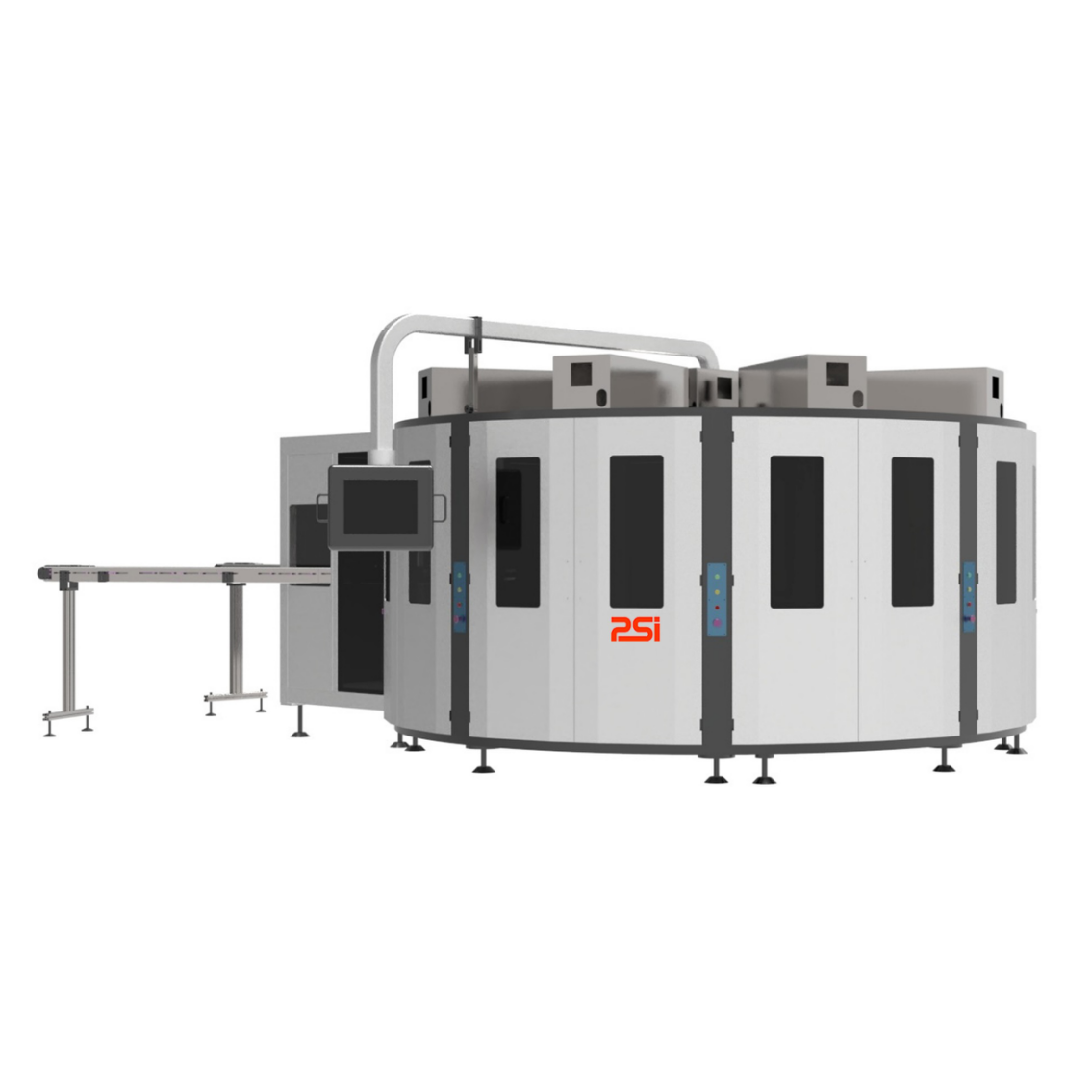
A digital inkjet printing machine can be used in many industries, including packaging, decoration, manufacturing, promotional products, and industrial product marking. Its flexible printing capability allows businesses to adapt it to different applications.
Digital inkjet printing supports smart manufacturing by improving flexibility, reducing manual processes, enabling quick design changes, and connecting digital workflows with production operations.
Buyers should evaluate printing accuracy, material compatibility, automation features, production efficiency, supplier experience, and after-sales support before making a decision.
Yes. A digital inkjet printing machine is suitable for customized production because digital files can be updated quickly without complex preparation, making it ideal for flexible manufacturing needs.
 EN
EN
 AR
AR FR
FR DE
DE HI
HI IT
IT JA
JA KO
KO PT
PT RU
RU ES
ES IW
IW ID
ID VI
VI TH
TH TR
TR FA
FA
 Hot News