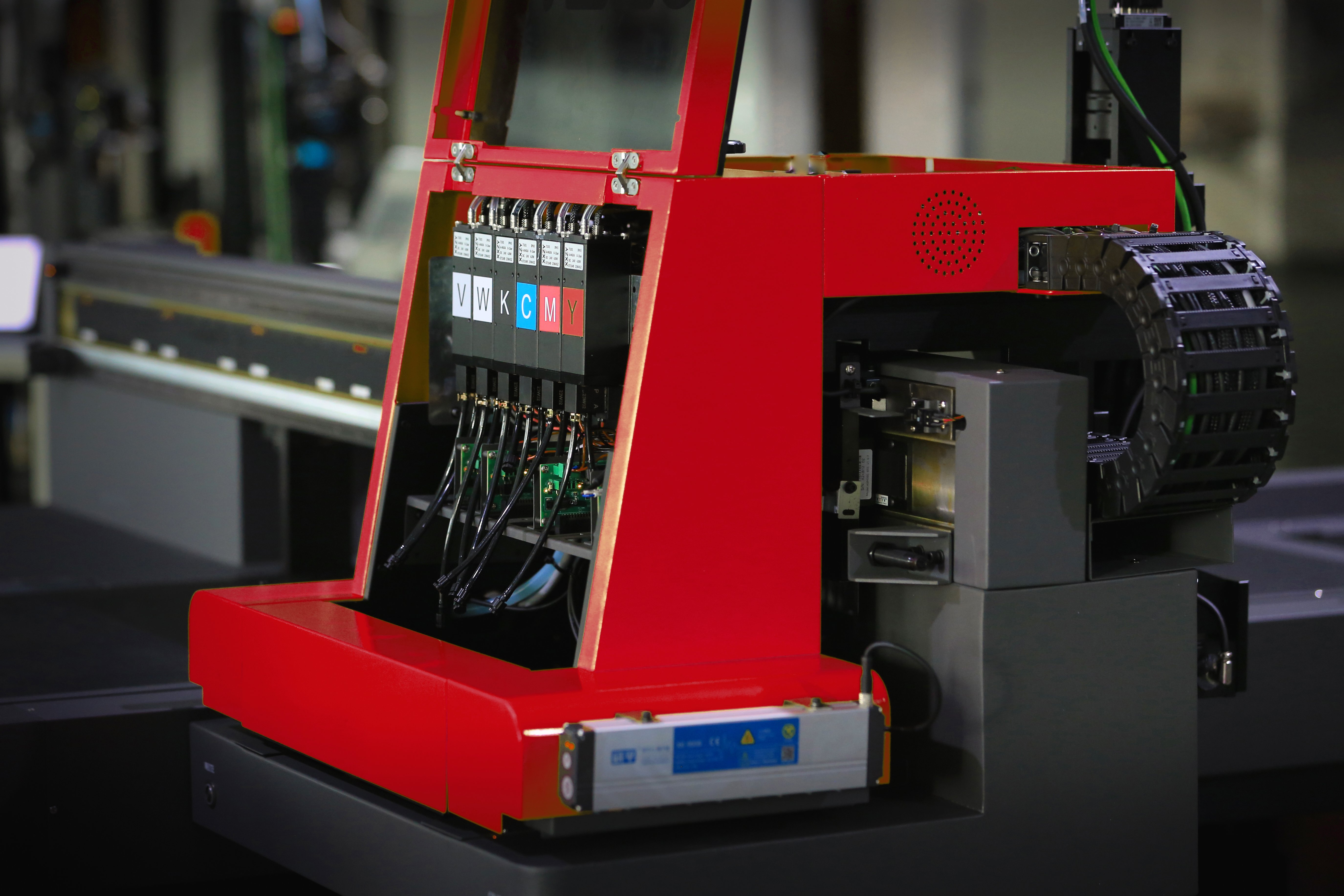
The consumer goods sector is undergoing a rapid visual transformation, and the digital inkjet printing machine sits at the center of this change. Brands that once relied on analog or screen-based printing are now shifting their production workflows toward digital solutions at a pace that surprises even industry veterans. Understanding why this acceleration is happening requires a close look at market pressures, production demands, and the unique technical advantages that a digital inkjet printing machine delivers over legacy alternatives.
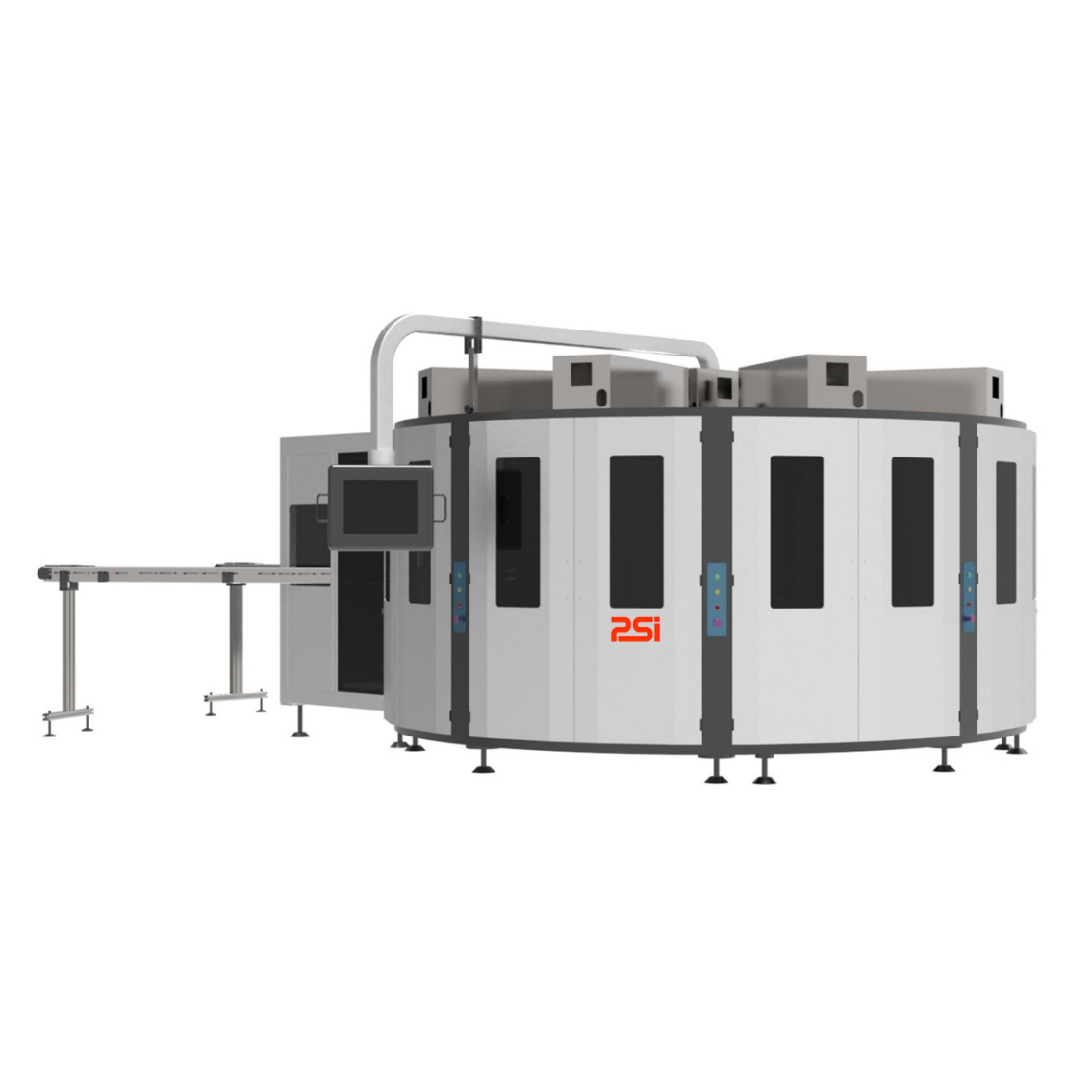
Consumer brands today operate in an environment where agility, personalization, and sustainability are not optional extras but core competitive requirements. A digital inkjet printing machine addresses all three of these imperatives simultaneously. As brand managers, packaging engineers, and marketing directors search for printing technology that can keep pace with shorter product cycles and more demanding retail standards, the digital inkjet printing machine has become the default answer across categories ranging from beverage labels to cosmetic packaging and apparel decoration.
One of the strongest forces pushing consumer brands toward a digital inkjet printing machine is the structural shift toward shorter, more frequent production runs. Retailers now expect brands to refresh packaging seasonally, respond to promotional opportunities in days rather than weeks, and support regional or limited-edition product variants without triggering massive minimum order quantities. Traditional printing methods require costly plate setups and long lead times that make short runs economically unviable. A digital inkjet printing machine eliminates plate costs entirely, allowing brands to print as few or as many units as the campaign demands without sacrificing per-unit economics. This flexibility has made the digital inkjet printing machine indispensable for brands competing in fast-moving consumer goods categories.
Mass personalization has moved from a marketing novelty to a proven revenue driver, and the digital inkjet printing machine is the technology that makes it operationally feasible at scale. When a brand decides to print thousands of unique SKUs, each carrying a different name, graphic, or promotional code, only a digital inkjet printing machine can handle that level of variable-data complexity without slowing production. The ability of a digital inkjet printing machine to switch designs between print cycles without any mechanical changeover means that personalized product lines can be produced on the same equipment and in the same timeframe as standard runs. Brands that have adopted this capability report measurable uplift in consumer engagement and retail sell-through rates.
Consumer brands invest heavily in brand identity, and color consistency across every touchpoint is a non-negotiable standard. A digital inkjet printing machine delivers precise, repeatable color output that meets strict brand guidelines without the color drift commonly associated with analog systems. Modern digital inkjet printing machine platforms support wide color gamuts using advanced ink formulations, enabling vivid results on substrates ranging from flexible film and paper to rigid board and textile. This substrate versatility means that a single digital inkjet printing machine can serve multiple packaging or decoration applications across a brand portfolio, reducing capital investment and simplifying supplier management. The technical consistency of a digital inkjet printing machine also reduces waste from color-match rejects, which contributes directly to cost reduction and sustainability targets.
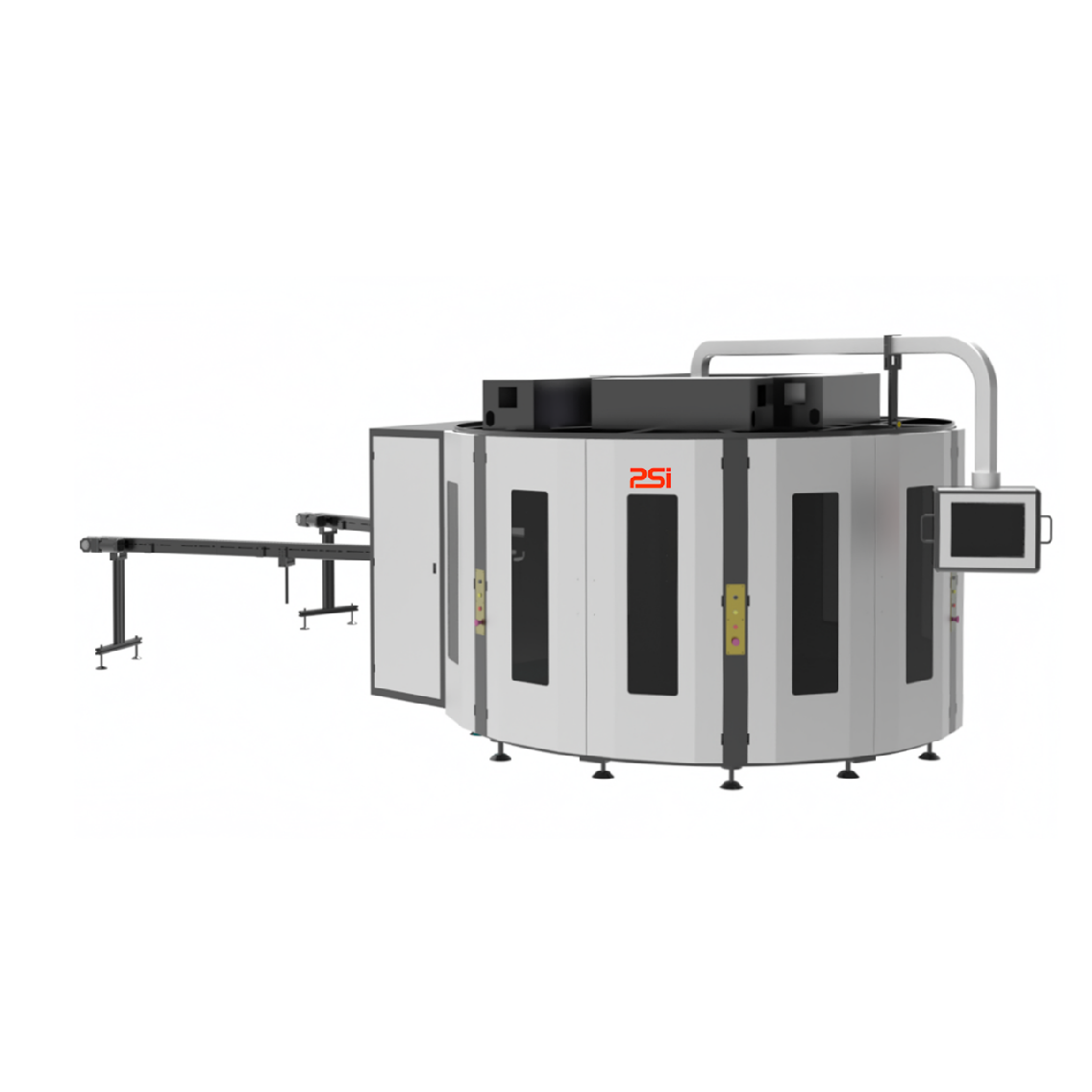
Modern consumer supply chains demand speed at every stage, and a digital inkjet printing machine is engineered to deliver high throughput without compromising quality. Rotary digital inkjet printing machine configurations, in particular, support continuous web printing at speeds that rival or exceed traditional analog equipment while retaining full digital flexibility. Beyond raw speed, a digital inkjet printing machine integrates cleanly into digital prepress and workflow automation platforms, enabling brands to move from approved artwork to finished print with minimal manual intervention. This end-to-end digital workflow supported by a digital inkjet printing machine reduces the risk of human error, compresses time-to-market, and gives brand teams greater control over production scheduling. For consumer brands managing complex global calendars, this level of workflow efficiency is a decisive adoption driver.
Sustainability commitments are now embedded in the brand strategies of virtually every major consumer goods company, and the digital inkjet printing machine supports these goals in several concrete ways. Because a digital inkjet printing machine prints only the exact quantity required, it eliminates the overrun waste that is endemic to plate-based printing where minimum run lengths force brands to produce and then discard excess inventory. Ink consumption on a digital inkjet printing machine is demand-driven, meaning that ink is deposited precisely where the design requires it rather than being applied across an entire plate surface. Many digital inkjet printing machine systems are also compatible with water-based or low-VOC ink chemistries that align with tightening environmental regulations and retailer sustainability scorecards. Brands that can demonstrate responsible production practices through the use of a digital inkjet printing machine gain a measurable advantage in both consumer perception and retail partnership negotiations.
As brands commit to recyclable mono-material packaging, the digital inkjet printing machine plays an enabling role by printing directly onto these substrates without requiring lamination layers that complicate recycling streams. A digital inkjet printing machine that can decorate recyclable packaging without adding non-recyclable print layers helps brands close the gap between their sustainability commitments and their operational reality. This alignment between packaging design goals and digital inkjet printing machine capability is an increasingly important factor in purchase decisions across the consumer goods sector.
A digital inkjet printing machine offers a combination of substrate flexibility, low setup costs, and seamless workflow integration that other digital printing technologies cannot fully match. The absence of plates or screens means that a digital inkjet printing machine can be operational on new jobs within minutes, and its compatibility with existing digital prepress tools reduces the learning curve for brand and production teams.
Yes. Modern rotary digital inkjet printing machine configurations are engineered for continuous high-volume production and can sustain output speeds that meet the demands of large consumer brands. A digital inkjet printing machine designed for industrial-scale use combines the throughput of conventional presses with the flexibility and precision unique to digital technology, making it viable for both short and long production runs.
A digital inkjet printing machine reduces waste by enabling on-demand production, minimizing overruns, and using ink only where the design requires it. Many digital inkjet printing machine systems also support environmentally responsible ink chemistries and can print on recyclable mono-material substrates, directly supporting a brand's packaging sustainability commitments and circular economy targets.
 EN
EN
 AR
AR FR
FR DE
DE HI
HI IT
IT JA
JA KO
KO PT
PT RU
RU ES
ES IW
IW ID
ID VI
VI TH
TH TR
TR FA
FA
 Hot News