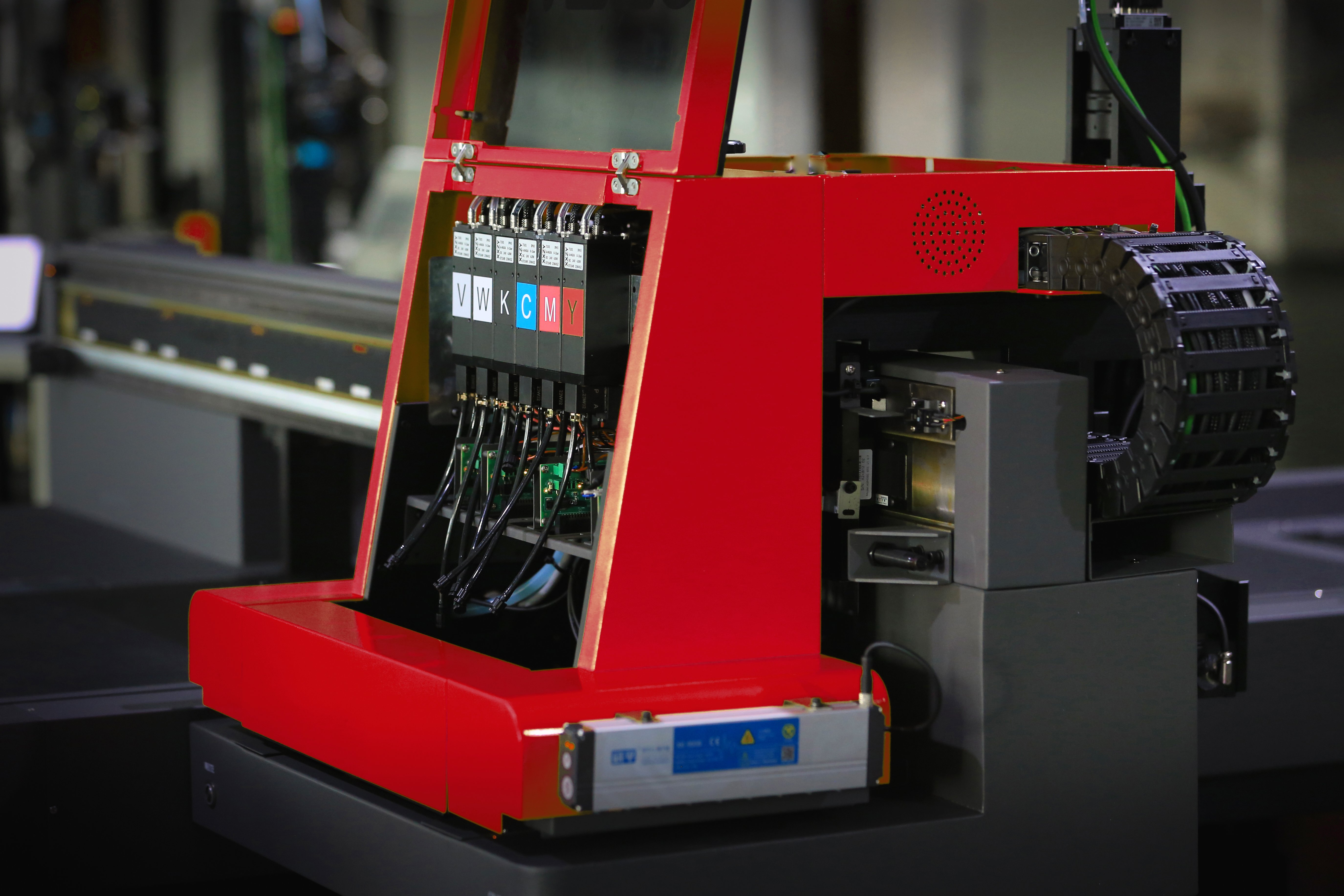
In modern manufacturing and label production environments, the ability to respond quickly to changing print demands is a critical competitive advantage. A digital inkjet printing machine is engineered precisely to meet this challenge by eliminating many of the rigid constraints that traditional printing methods impose. Whether a facility handles short runs, variable data, or frequent design changes, the digital inkjet printing machine delivers the adaptability that today's custom print operations require. Understanding how this technology enables greater flexibility is essential for any B2B decision-maker evaluating their production capabilities.
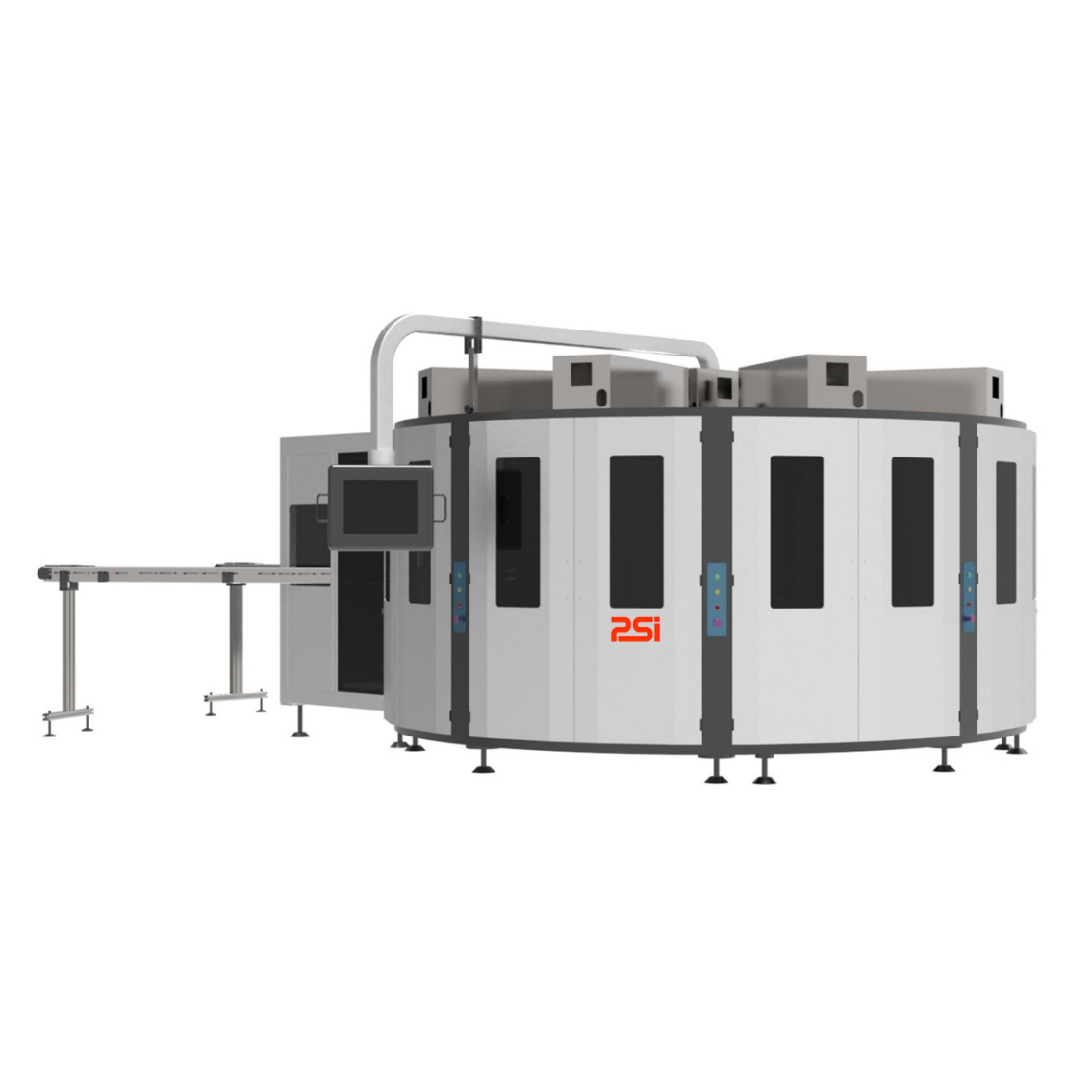
The growing demand for personalized packaging, short-run labels, and on-demand printing has pushed manufacturers to rethink their equipment investments. A digital inkjet printing machine supports these shifting demands without requiring physical plate changes or lengthy changeover procedures. Because a digital inkjet printing machine operates from digital files directly, operators can switch between jobs rapidly, adjust design parameters instantly, and maintain consistent output quality across variable production volumes. This combination of speed and flexibility redefines what custom printing can look like on a modern production floor.
One of the most significant limitations of conventional flexographic or offset printing is the reliance on physical printing plates. Each new design or color variation requires a new plate, which adds both cost and lead time to every job. The digital inkjet printing machine removes this barrier entirely by printing directly from digital artwork files. This means a digital inkjet printing machine can move from one design to the next within minutes, not hours or days. For operations handling multiple SKUs or frequent seasonal campaigns, this capability dramatically reduces the cost per changeover and compresses overall project timelines.
The digital inkjet printing machine is uniquely suited to variable data printing, a capability that traditional systems cannot match without substantial rework. Variable data printing allows each printed unit to carry unique information, such as serial numbers, QR codes, personalized names, or location-specific content. A digital inkjet printing machine processes this type of job seamlessly because its software-driven print head simply references the next data set in the queue for each successive print. This makes the digital inkjet printing machine an indispensable tool for industries like pharmaceutical labeling, logistics, food packaging, and promotional printing where individualized output is increasingly standard.
Flexibility in custom printing extends beyond job variety — it also includes the ability to print on a wide range of substrates without compromising quality. The digital inkjet printing machine is designed to handle films, papers, textiles, foils, and specialty materials with consistent resolution and color accuracy. This versatility is especially valuable for brand owners who need identical visual output across packaging formats made from different materials. Because a digital inkjet printing machine controls droplet size and placement with high precision, it maintains sharp detail and vibrant color even when switching between substrate types mid-production.
Custom printing frequently demands fine detail, gradient reproduction, and tight registration, especially in premium product categories. The digital inkjet printing machine delivers high-resolution output that captures intricate artwork reliably across every printed unit. Unlike analog processes where dot gain and plate wear introduce variability over a run, the digital inkjet printing machine maintains stable print quality from the first unit to the last. This consistency reduces waste, minimizes inspection overhead, and gives production teams confidence when fulfilling high-value print orders with complex visual requirements.
Short-run orders have historically been economically challenging because setup costs were spread across fewer units. The digital inkjet printing machine changes this calculation fundamentally. Since the digital inkjet printing machine requires no plates, no physical setup, and minimal makeready time, the fixed cost per job is dramatically reduced. Operators can accept smaller orders profitably, respond to urgent client requests, and maintain tight delivery windows without sacrificing margin. This makes the digital inkjet printing machine a core enabler of agile business models in sectors where speed-to-market is directly tied to customer satisfaction.
Traditional printing methods generate significant waste during setup, including spoiled substrate, unused ink, and time spent on proof cycles. The digital inkjet printing machine minimizes these losses by printing accurately from the first unit of a run. Ink is deposited precisely where needed, and the digital inkjet printing machine's software-controlled system prevents overuse. Over time, this efficiency compounds into meaningful cost savings, particularly for operations that run diverse job mixes throughout the day. The digital inkjet printing machine also supports on-demand production workflows, which reduces the need to carry large inventories of pre-printed stock and lowers storage costs across the supply chain.
Industries with high SKU diversity, short-run requirements, or variable data needs benefit the most. These include food and beverage packaging, pharmaceutical labeling, logistics and shipping, textiles, and promotional products. The digital inkjet printing machine is well-suited to any sector where customization, speed, and consistent quality are all simultaneously required.
A digital inkjet printing machine uses software-driven color management systems that calibrate output based on substrate type and ink profile. This means that even when switching between very different materials or design files, the digital inkjet printing machine maintains accurate color rendering. Regular calibration routines and closed-loop color control features help operators achieve repeatable results across every production run.
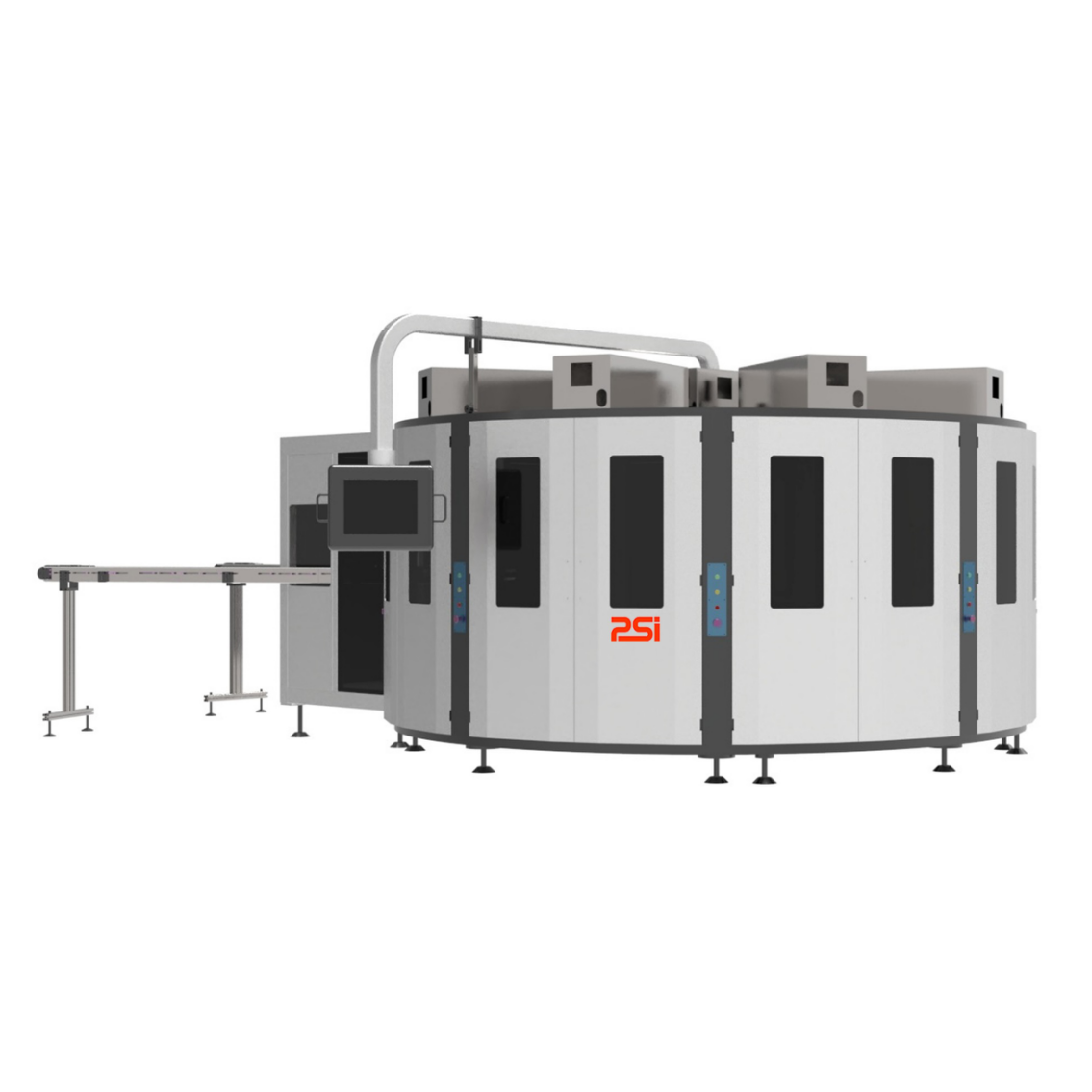
Yes, modern rotary digital inkjet printing machine configurations are engineered to support both short-run flexibility and continuous high-volume output. Advanced print head arrays and high-speed web handling allow the digital inkjet printing machine to maintain throughput rates comparable to conventional systems while retaining all the flexibility benefits. Production teams can scale usage according to order volume without investing in additional plate-based equipment.
 EN
EN
 AR
AR FR
FR DE
DE HI
HI IT
IT JA
JA KO
KO PT
PT RU
RU ES
ES IW
IW ID
ID VI
VI TH
TH TR
TR FA
FA
 Hot News