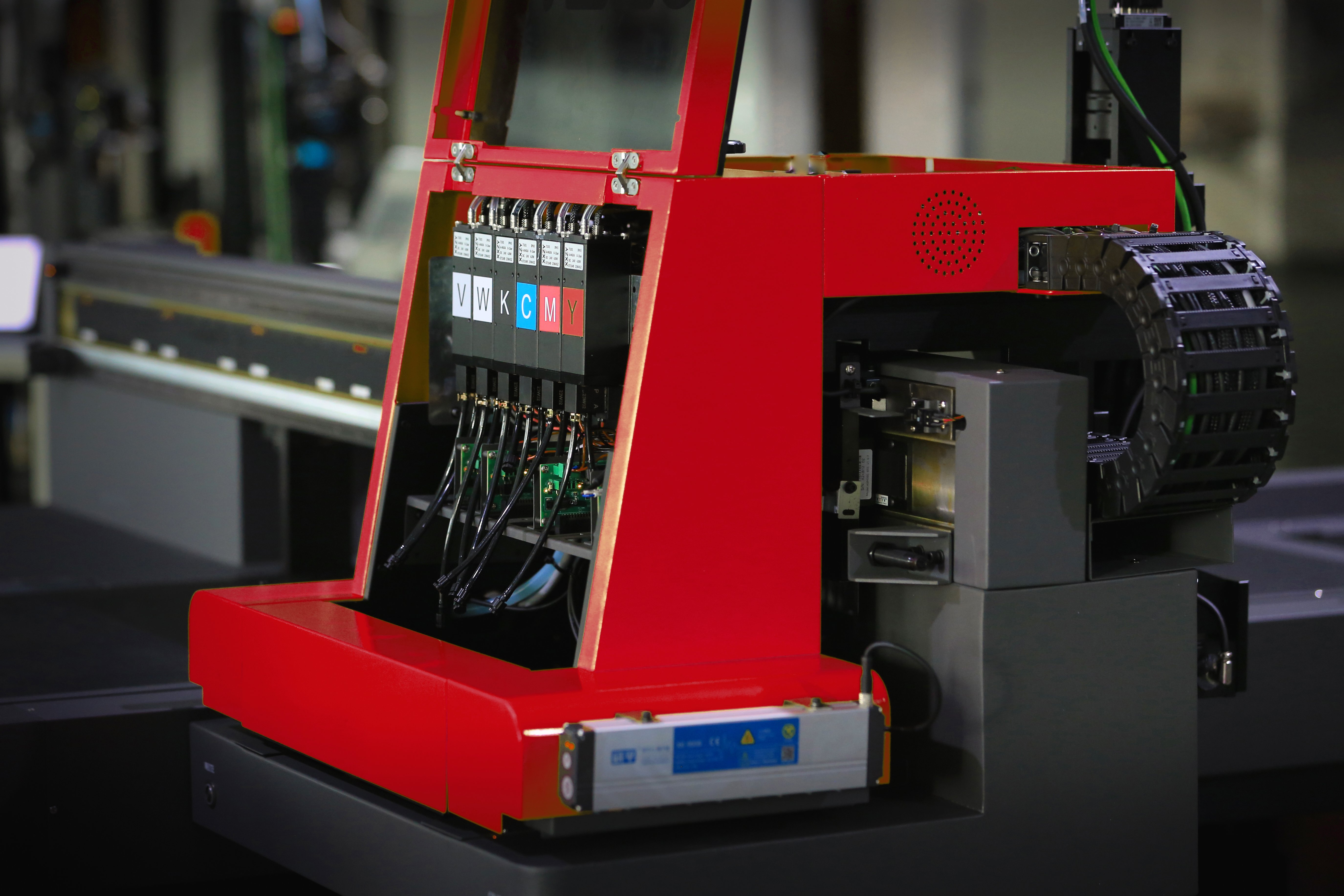
The electronics manufacturing sector is undergoing a significant capacity shift, and the screen printing machine sits at the center of this transformation. Across printed circuit board production, membrane switch fabrication, and flexible electronics assembly, manufacturers are actively investing in additional screen printing machine units to meet surging demand. This is not a temporary market fluctuation — it reflects a structural change in how electronics are designed, produced, and scaled globally.
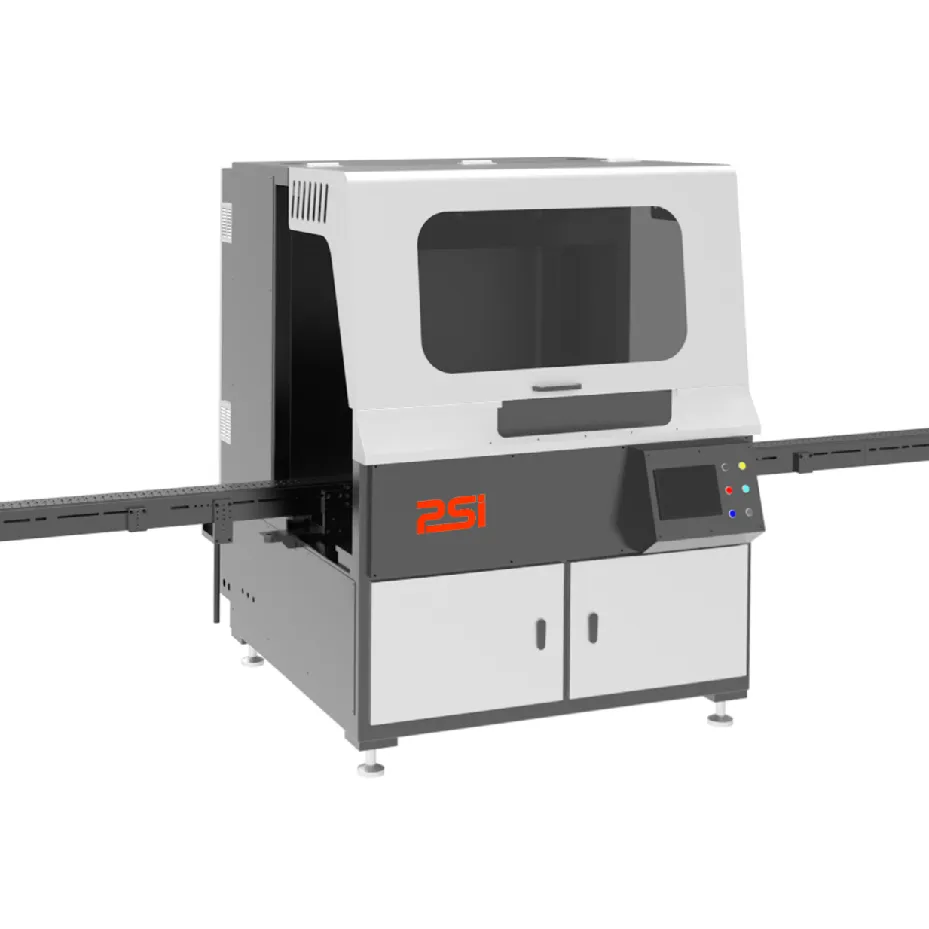
Understanding why electronics manufacturers are expanding screen printing machine capacity requires examining several converging pressures: the growth of consumer electronics, the rise of electric vehicles, the proliferation of IoT devices, and the ongoing miniaturization of electronic components. Each of these factors creates direct downstream demand for more screen printing machine output, pushing plant managers and procurement teams to justify capacity expansion projects that would have seemed premature just a few years ago.
The global appetite for smartphones, wearables, smart appliances, and connected devices has not slowed. Each of these products relies on printed electronics components where a screen printing machine applies conductive inks, solder pastes, or dielectric layers with the precision that modern circuit design demands. When order volumes spike — as they regularly do ahead of product launch cycles — manufacturers without sufficient screen printing machine capacity face delivery bottlenecks that can cost millions in delayed revenue.
Expanding screen printing machine capacity allows production teams to run parallel lines, shorten lead times, and absorb new contracts without rescheduling existing customers. A single additional screen printing machine in a high-throughput environment can represent hundreds of thousands of additional unit outputs per month. For electronics manufacturers competing on delivery reliability, that capacity buffer is a strategic asset, not just an operational convenience.
The electric vehicle industry has become one of the fastest-growing end markets for printed electronics. Battery management systems, sensor arrays, and interior control panels all incorporate components produced with a screen printing machine. As EV production targets climb across every major automotive market, the electronics suppliers feeding those supply chains must scale their screen printing machine fleets proportionally. A manufacturer that cannot match the production cadence of an EV platform risks losing its position in the supply chain entirely.
Modern screen printing machine platforms are significantly more automated than their predecessors. Vision alignment systems, servo-driven squeegee mechanisms, and real-time ink viscosity monitoring have transformed what a screen printing machine can deliver in terms of both speed and repeatability. When manufacturers evaluate capacity expansion, they are not simply adding more legacy equipment — they are deploying advanced screen printing machine technology that improves yield rates while reducing operator dependency.
Higher automation in a screen printing machine directly reduces the per-unit cost of production. Fewer defects mean less rework, less material waste, and higher throughput per shift. For electronics manufacturers managing tight margins, investing in a new screen printing machine with superior automation pays back faster than maintaining a larger fleet of older, less capable equipment. This efficiency argument is one of the most compelling reasons capacity expansion projects gain internal approval.
A versatile screen printing machine allows manufacturers to run multiple product types across the same line without lengthy changeover procedures. Modern screen printing machine designs accommodate a wide range of substrate materials — from rigid PCBs to flexible polymer films — enabling electronics producers to respond quickly to new product development requests. This flexibility means that investing in screen printing machine capacity is not just about handling existing volume; it is about positioning the facility to serve a broader client base and a wider range of application categories.
Process flexibility also supports just-in-time manufacturing models. When a screen printing machine can switch between jobs rapidly, manufacturers reduce work-in-progress inventory and improve cash flow. This operational agility is particularly valuable for contract electronics manufacturers serving multiple OEM customers with different production schedules.
The past several years have demonstrated how vulnerable extended supply chains can be. Electronics manufacturers have responded by investing in domestic or near-shore production capabilities, and the screen printing machine is a foundational piece of that infrastructure. Expanding screen printing machine capacity at regional facilities reduces dependence on single-source suppliers and shortens the distance between component production and final assembly. This resilience logic makes screen printing machine investment a risk management decision as much as a growth decision.
Government incentive programs supporting domestic electronics manufacturing have further accelerated this trend. When subsidies or tax advantages apply to capital equipment purchases, the financial case for adding a screen printing machine becomes considerably stronger. Procurement teams are actively timing screen printing machine acquisitions to align with available incentive windows, making capacity expansion a financially optimized move.
As electronics grow smaller and more densely packed, the tolerance requirements for every screen printing machine operation become tighter. A screen printing machine that achieves consistent registration accuracy at fine-pitch dimensions protects manufacturers from field failures, warranty claims, and costly recalls. Investing in a newer generation screen printing machine ensures that quality standards can be maintained even as product complexity increases. This forward-looking quality argument is increasingly central to capacity planning decisions within electronics manufacturing organizations.
A screen printing machine is used across a broad range of electronics products including printed circuit boards, membrane keypads, RFID antennas, flexible heaters, touch sensors, and battery electrodes. Anywhere that conductive, resistive, or dielectric materials must be deposited with precision onto a substrate, a screen printing machine is typically involved in the production process.
Adding screen printing machine capacity allows manufacturers to run multiple jobs simultaneously or extend production hours without overloading existing lines. This directly reduces lead times by eliminating scheduling bottlenecks. Customers benefit from faster delivery commitments, and manufacturers gain the ability to accept larger orders without risking on-time performance across their full customer base.
Yes, even smaller electronics manufacturers can justify a screen printing machine investment when the equipment supports process automation, reduces rework rates, or enables entry into higher-margin product categories. The key is aligning the screen printing machine specification with actual production requirements and projected growth. Many manufacturers find that a well-chosen screen printing machine pays back its capital cost within a reasonable production cycle when yield improvements and labor savings are fully accounted for.
 EN
EN
 AR
AR FR
FR DE
DE HI
HI IT
IT JA
JA KO
KO PT
PT RU
RU ES
ES IW
IW ID
ID VI
VI TH
TH TR
TR FA
FA
 Hot News