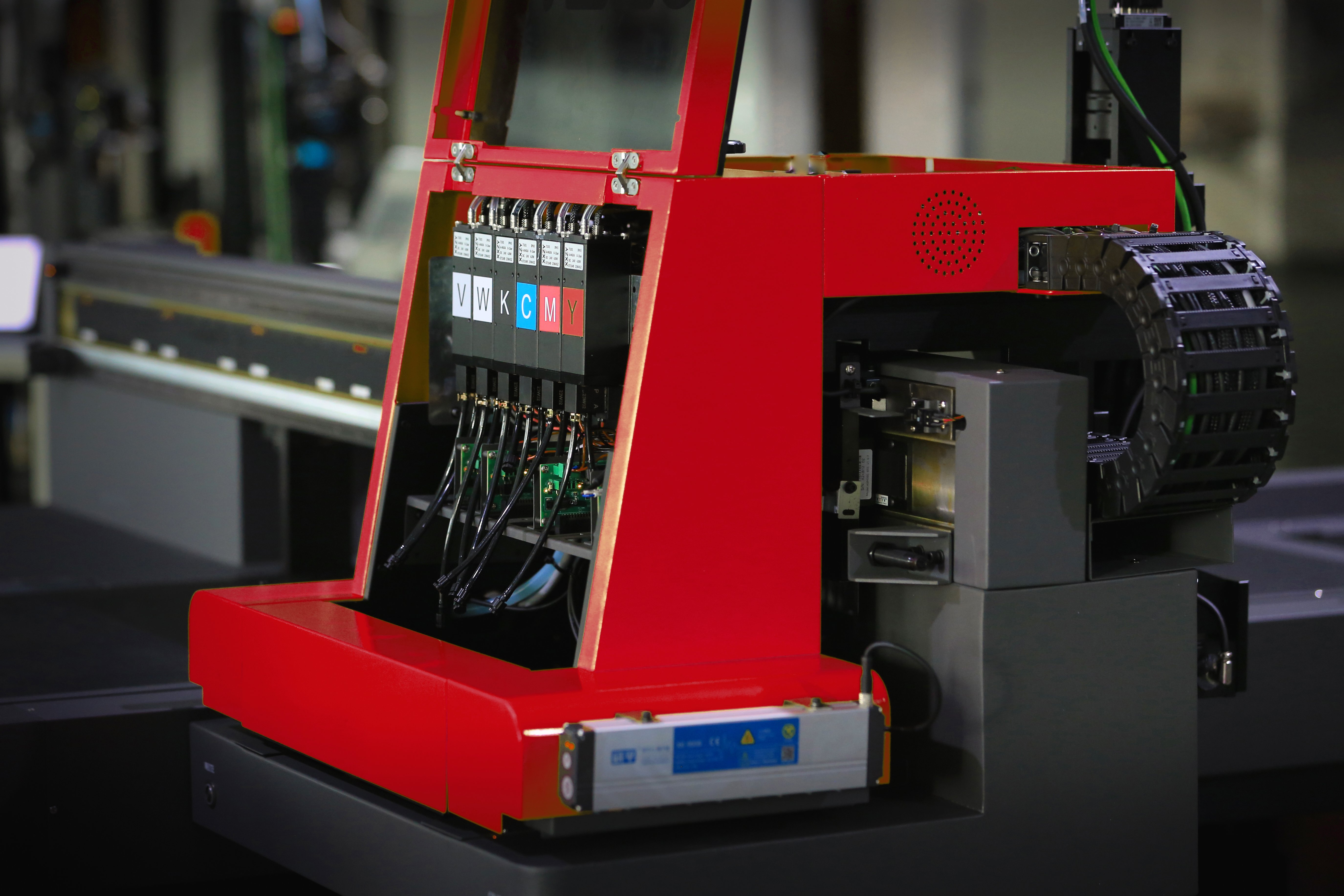
In large-scale manufacturing environments, operational complexity is one of the biggest threats to productivity and profitability. A modern screen printing machine is no longer just a tool for applying ink to substrates — it is an integrated system engineered to simplify every stage of the production workflow. Factories that manage high-volume orders across multiple product lines face compounding setup challenges that, without the right equipment, consume enormous time and skilled labor.
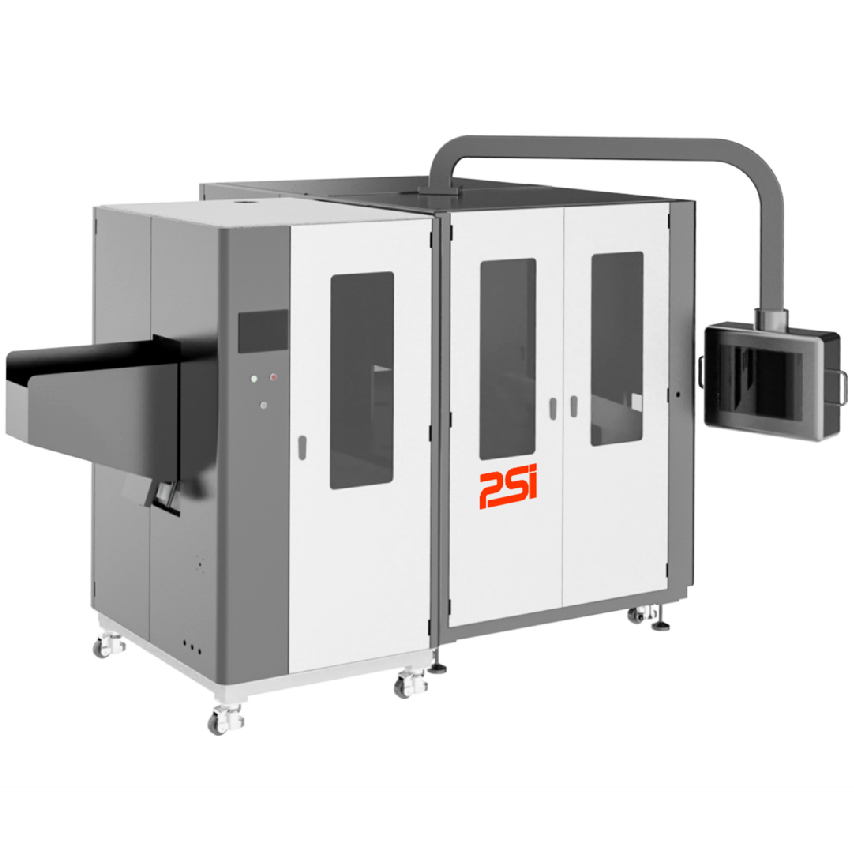
This is precisely why advanced screen printing machine systems have become central investments for factory managers seeking consistent output quality, faster changeovers, and reduced dependency on operator expertise. Understanding how these systems mechanically and digitally reduce complexity helps decision-makers justify capital expenditure and plan long-term production infrastructure with greater confidence.
Large factories typically run multiple production lines simultaneously, each requiring its own screen printing machine configuration. Every time a job changes — whether that means a new substrate, a different ink color, or an alternate registration target — setup time multiplies. Traditional screen printing machine models demanded manual registration adjustments, physical screen swaps, and individual calibration for each line. In a facility running dozens of jobs per shift, this manual overhead becomes a critical bottleneck that erodes throughput.
Modern screen printing machine systems address this by incorporating programmable job memory. Operators can store and recall complete setup profiles digitally, meaning that switching from one job to another on a screen printing machine no longer requires starting the calibration process from scratch. The screen printing machine retrieves the saved parameters — squeegee pressure, stroke speed, off-contact distance — and applies them instantly. This alone can reduce changeover time by a significant margin across a full production day.
Maintaining consistent registration across thousands of cycles is a persistent challenge for any screen printing machine operating in a high-volume factory. Thermal expansion, mechanical wear, and substrate variation all introduce alignment drift over time. When a screen printing machine lacks active compensation mechanisms, these small deviations accumulate into visible defects, increased waste rates, and costly rework cycles.
Servo-driven screen printing machine platforms counter this directly. Servo motors provide closed-loop positional feedback, meaning the screen printing machine continuously monitors and corrects its own alignment during operation. This level of self-regulation means that a screen printing machine can maintain tight registration tolerances throughout an entire production run without requiring manual intervention. For large factories where one screen printing machine may process tens of thousands of units per day, this automated precision is not a luxury — it is a production necessity.
One of the most underappreciated contributors to setup complexity is the interface design of the screen printing machine itself. When a screen printing machine requires operators to navigate fragmented controls or manually document setup parameters, human error and training time both increase. Modern screen printing machine systems consolidate all control functions into a single touchscreen interface, allowing operators to monitor, adjust, and confirm every parameter from one point.
This centralized approach means that a screen printing machine can be operated competently with far less specialized training than older models required. A large factory deploying multiple screen printing machine units across different production zones benefits from standardized interfaces, since operators can transition between any screen printing machine on the floor without relearning different control layouts. Consistency in interface design directly reduces setup errors and speeds up production readiness.
A screen printing machine does not function in isolation inside a large factory. It sits within a broader production line that may include feeding systems, UV curing units, inspection stations, and conveyor networks. When a screen printing machine communicates electronically with surrounding equipment, the entire line can synchronize automatically. Substrate feed rates, drying intervals, and inspection triggers all adjust in coordination with the screen printing machine output speed.
This integration capability transforms a screen printing machine from a standalone unit into a node within an intelligent production network. The practical result is that factory engineers spend less time manually aligning the throughput of each station. When a screen printing machine signals its current cycle rate to downstream equipment, the whole line self-regulates, reducing idle time and minimizing the risk of bottlenecks. This systems-level thinking is what separates an advanced screen printing machine from earlier generation models.
In industrial markets where skilled screen printing technicians are scarce, relying on expert-only operation is a structural vulnerability. A well-designed screen printing machine system mitigates this risk by embedding technical knowledge into the machine itself. Setup guidance, error alerts, and automated diagnostics mean that a screen printing machine can flag problems before they escalate, allowing less experienced operators to manage the equipment confidently.
This shift from operator-dependent to system-dependent production is a major strategic advantage for large factories. When a screen printing machine handles calibration, alignment, and speed regulation autonomously, factory managers can allocate skilled labor to higher-value tasks rather than routine setup oversight. The screen printing machine effectively becomes a self-supervising production asset that delivers reliable output regardless of which operator is present during a given shift.
Growth in a factory typically means adding more production capacity, and each new screen printing machine added to a facility introduces potential for additional complexity. However, when all screen printing machine units share the same architecture, control logic, and job management framework, scaling up does not scale complexity at the same rate. A factory expanding from five screen printing machine units to fifteen gains capacity while keeping the management overhead manageable because each screen printing machine behaves consistently within the established system.
This scalability logic is particularly relevant for contract manufacturers and OEM suppliers who regularly onboard new product types. Each new job profile stored on the screen printing machine system becomes available to every compatible screen printing machine on the floor, meaning institutional knowledge accumulates inside the equipment rather than residing only with individual technicians. Over time, the screen printing machine network becomes smarter and more efficient as the job library grows.
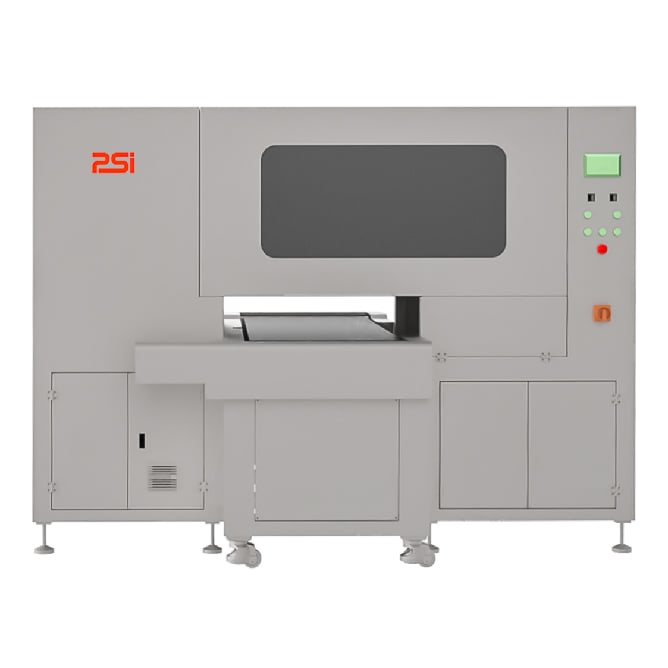
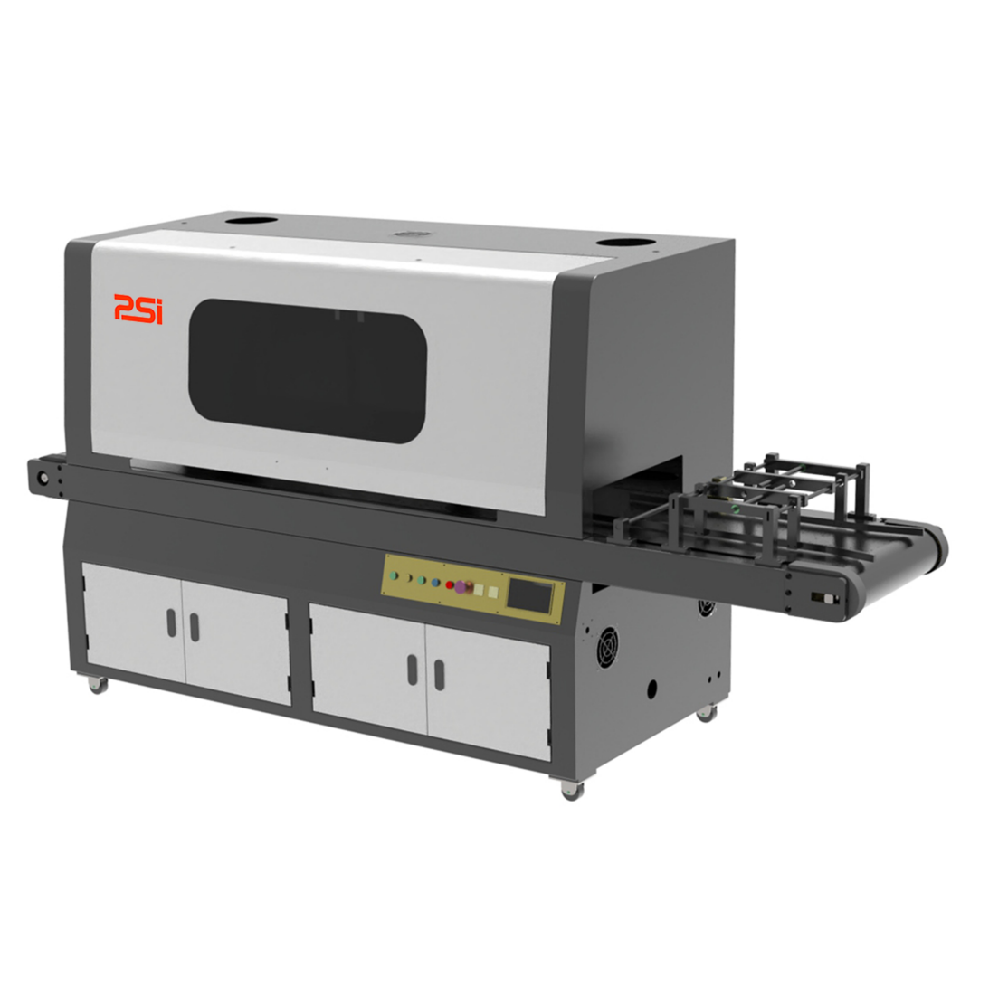
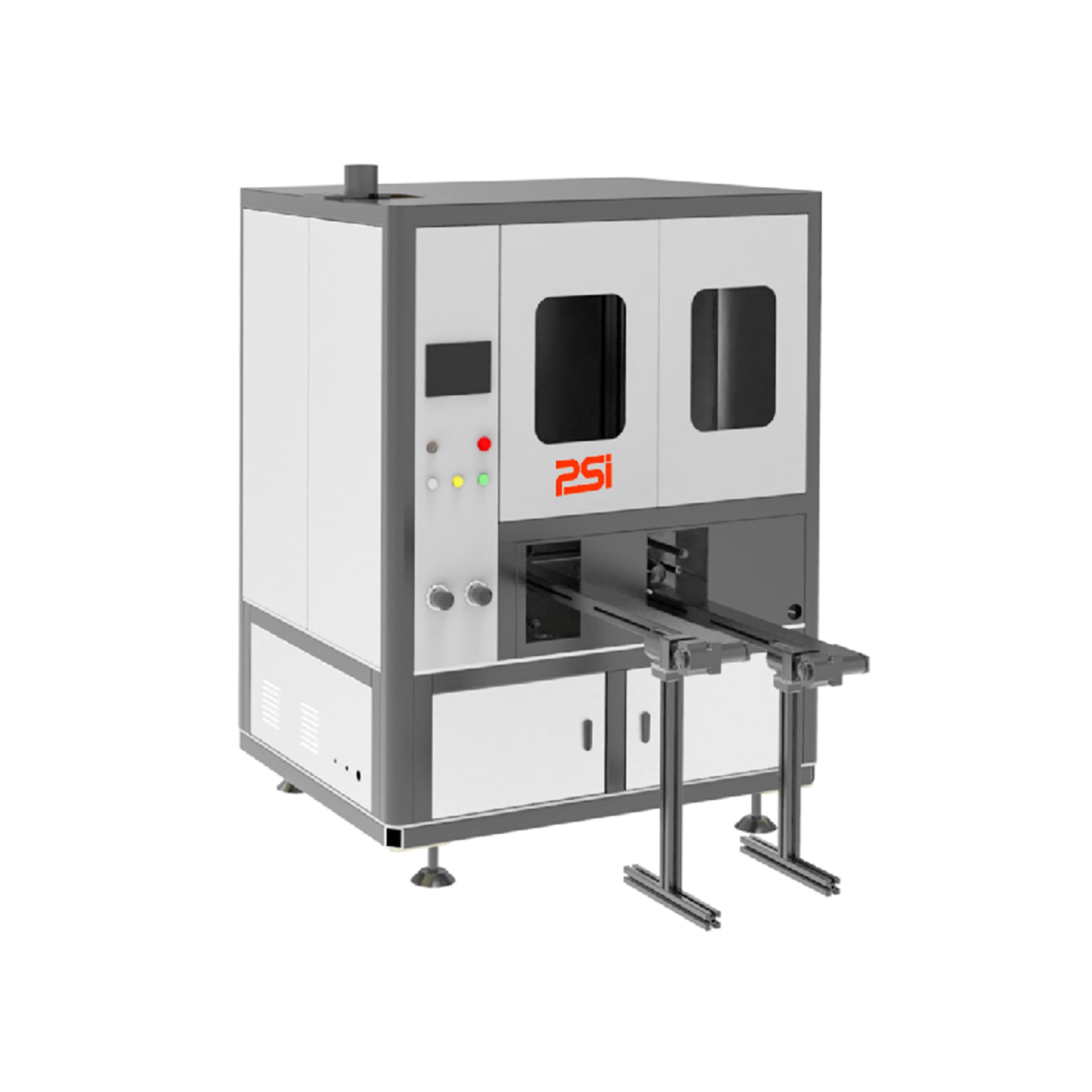
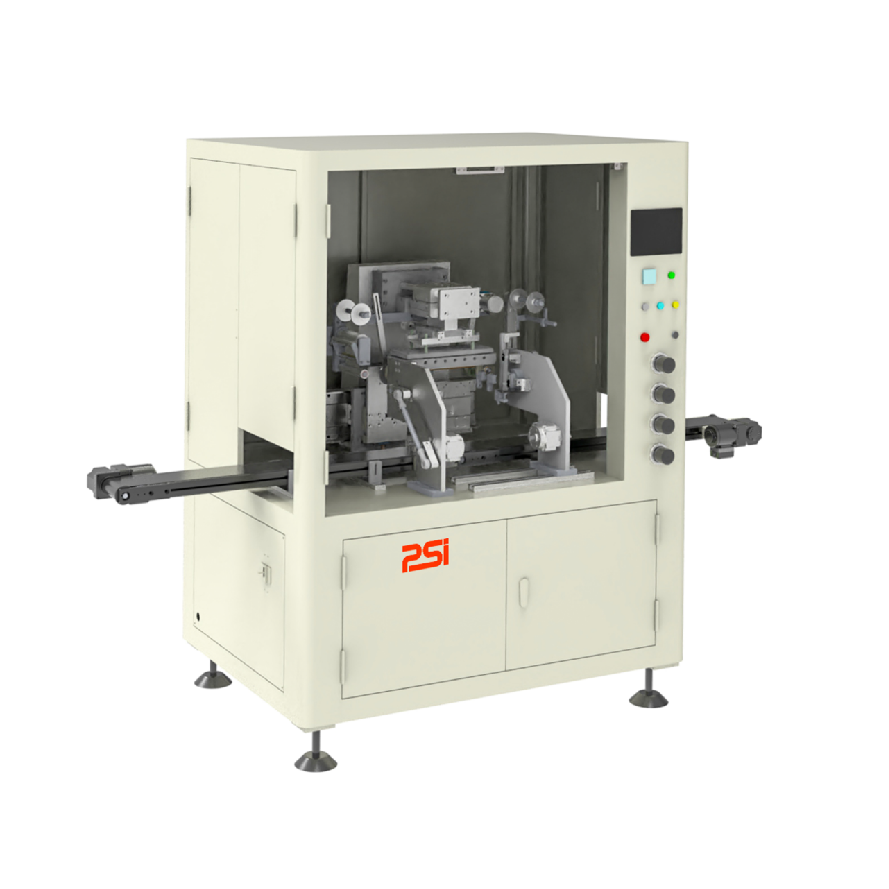
A screen printing machine designed for large factories typically features servo-driven motion control, programmable job memory, a centralized touchscreen interface, and integration ports for line communication. These capabilities ensure the screen printing machine can handle high volumes with consistent quality and minimal manual intervention.
A modern screen printing machine stores complete job profiles digitally. When an operator selects a saved profile, the screen printing machine automatically applies the correct parameters — including pressure, speed, and registration — without manual recalibration. This feature dramatically shortens the time between production runs.
Yes. A flexible screen printing machine platform with adjustable tooling, variable off-contact settings, and broad substrate compatibility can handle different product formats within a single factory. By storing format-specific profiles, the screen printing machine can switch between product types efficiently, supporting diverse production schedules without requiring separate dedicated equipment for each format.
 EN
EN
 AR
AR FR
FR DE
DE HI
HI IT
IT JA
JA KO
KO PT
PT RU
RU ES
ES IW
IW ID
ID VI
VI TH
TH TR
TR FA
FA
 Hot News