A digital inkjet printing machine is a sophisticated piece of industrial equipment that relies on exact mechanical and software alignment to deliver consistent, high-quality output. In demanding B2B production environments, even minor deviations in calibration can cascade into significant quality failures, wasted materials, and costly downtime. Understanding why precision calibration is so critical helps operators, production managers, and procurement professionals make smarter decisions about maintenance, setup, and machine investment.
Every digital inkjet printing machine operates through a precise coordination of printhead positioning, ink droplet timing, substrate feed speed, and color management software. When any one of these variables drifts out of alignment, the final printed result suffers. Precision calibration is not a one-time setup task — it is an ongoing operational discipline that directly determines the performance ceiling of any digital inkjet printing machine on the production floor.
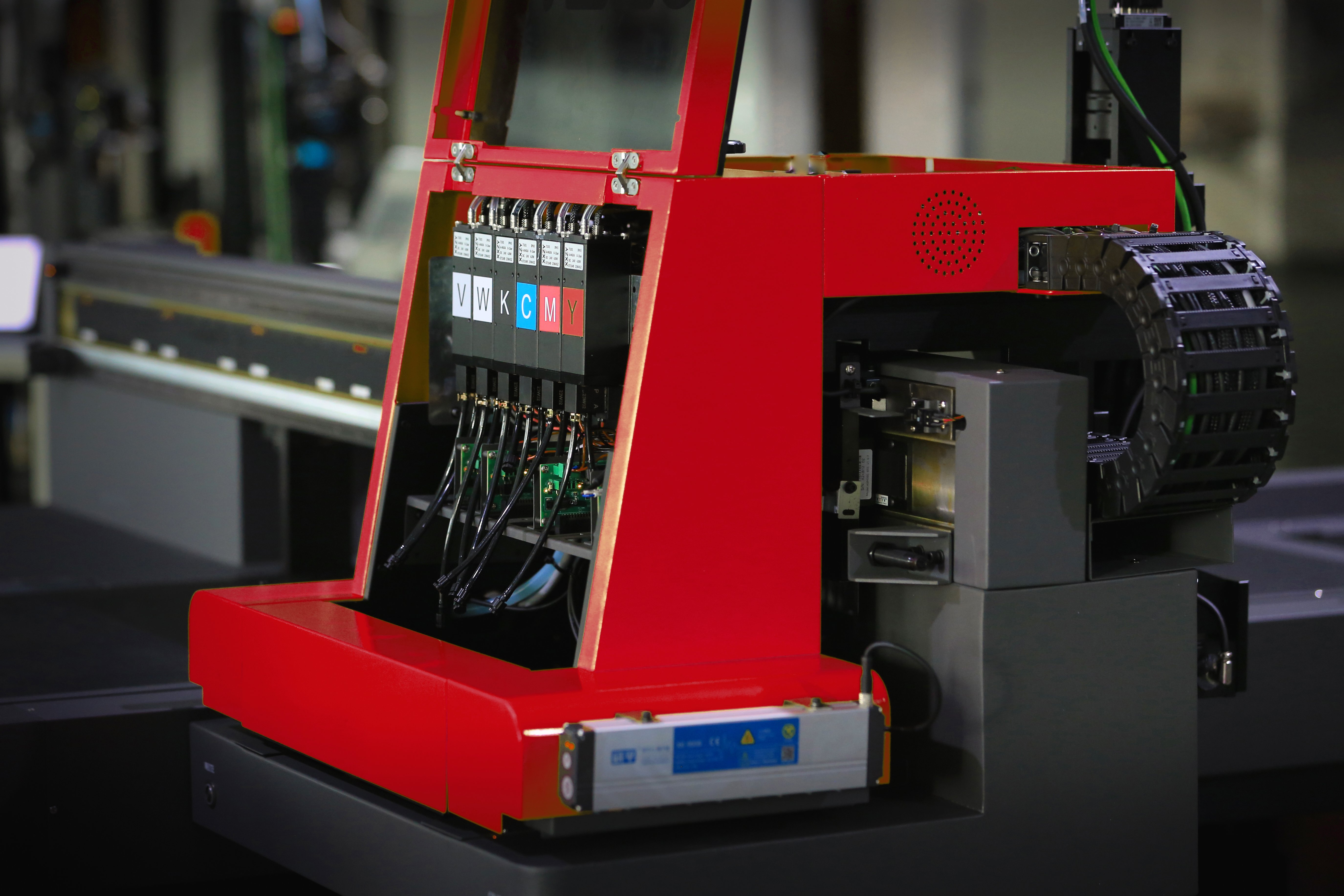
The printhead is the most sensitive component in any digital inkjet printing machine. It controls where each microscopic ink droplet lands on the substrate surface. When printhead alignment is even slightly off, the result is visible banding, color misregistration, and blurred edges — defects that are immediately apparent in finished products. Regular calibration of the printhead ensures that the digital inkjet printing machine maintains sharp definition and consistent color across the entire print width.
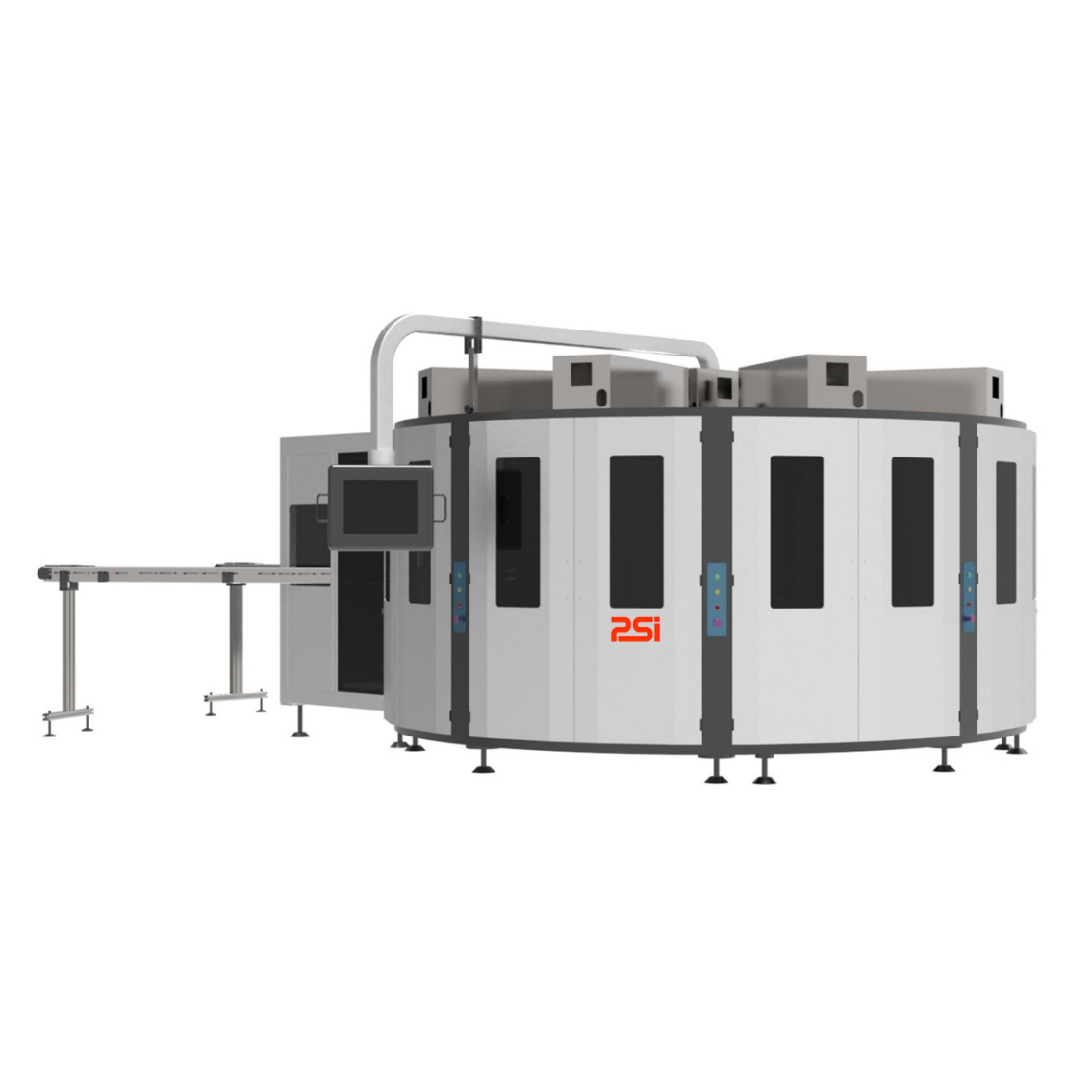
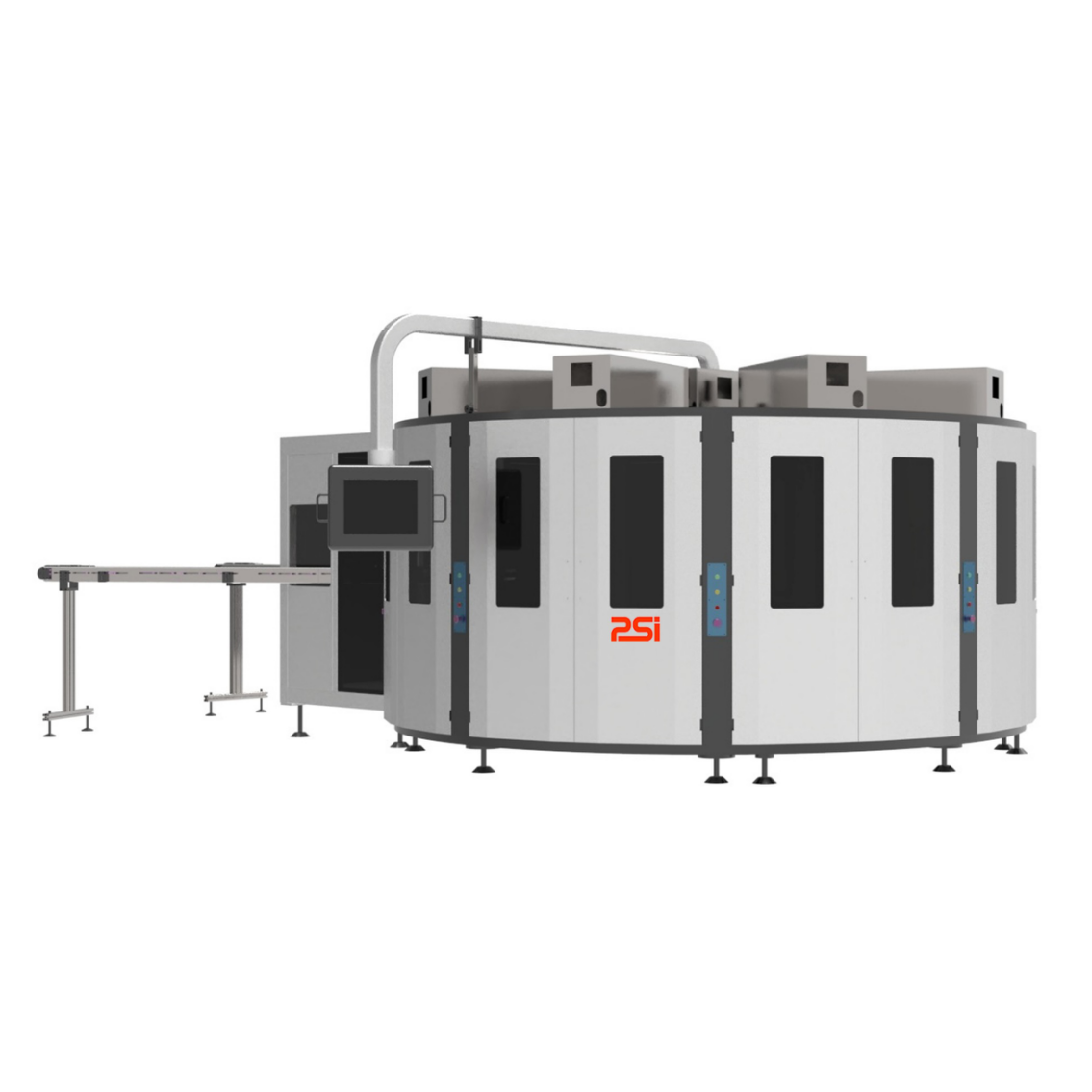
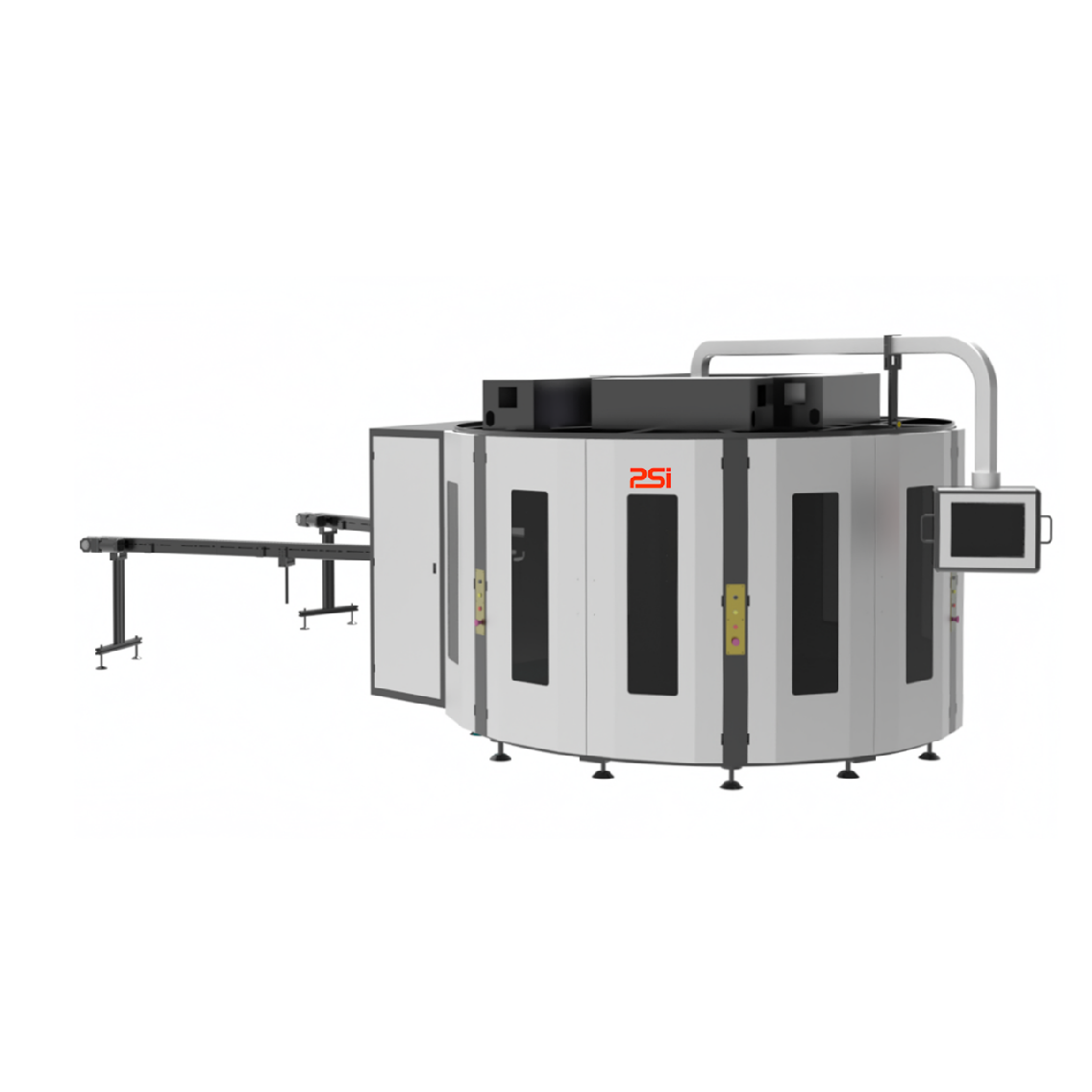
In rotary digital inkjet printing machine configurations, where the substrate moves continuously through the system, printhead alignment must account for both horizontal and vertical positioning relative to substrate travel. A digital inkjet printing machine operating in rotary mode demands tighter calibration tolerances than flatbed alternatives, because substrate velocity and repeat registration directly affect pattern alignment from one rotation cycle to the next.
Color consistency is one of the most commercially critical performance factors for any digital inkjet printing machine. Clients in textile, label, packaging, and industrial print markets expect color output to match approved standards precisely. Without proper ICC profile calibration, a digital inkjet printing machine may produce color drift between jobs or even within a single long print run. Calibrating color output involves measuring printed test charts, adjusting ink density curves, and validating that the digital inkjet printing machine reproduces target colors within acceptable tolerance limits. This process must be repeated whenever inks, substrates, or environmental conditions change.
A well-calibrated digital inkjet printing machine uses ink far more efficiently than an out-of-spec system. When ink droplet volume, firing frequency, and waveform parameters are correctly tuned, the digital inkjet printing machine deposits exactly the right amount of ink for full coverage without oversaturation. Oversaturation caused by poor calibration not only increases ink consumption but can also cause drying problems, smearing, and substrate damage. Precision calibration of ink delivery parameters in a digital inkjet printing machine can meaningfully reduce per-unit ink costs over large production volumes.
Substrate waste is another direct consequence of poor calibration. When a digital inkjet printing machine is not correctly calibrated, early meters of a new job often require reprinting due to color or registration errors. By establishing a strict pre-production calibration routine, facilities can reduce the number of wasted meters at job startup and maintain tighter yield rates across the working life of the digital inkjet printing machine.
Calibration is also a diagnostic tool. Experienced technicians use calibration test prints to detect early signs of printhead clogging, ink system pressure inconsistencies, and encoder drift in a digital inkjet printing machine. Catching these issues during a calibration check — before they cause a full production failure — reduces unplanned downtime significantly. Proactive calibration routines for a digital inkjet printing machine support predictive maintenance strategies, extending equipment service life and protecting production schedules. Facilities that treat calibration as a reactive measure rather than a preventive discipline consistently report higher rates of unexpected downtime and greater repair costs for their digital inkjet printing machine assets.
The appropriate calibration frequency for a digital inkjet printing machine depends on production volume, substrate variety, and the precision demands of the application. High-volume operations running a digital inkjet printing machine continuously may require daily printhead checks and weekly full-system calibration cycles. Lower-volume facilities that run a digital inkjet printing machine on diverse substrate types may calibrate at job changeover points. Regardless of schedule, every digital inkjet printing machine should undergo a documented calibration cycle before commencing any new production job, especially when switching between substrate materials or ink sets.
Operators should log every calibration event for a digital inkjet printing machine, recording date, conditions, results, and any adjustments made. These records create a performance baseline that reveals gradual drift trends over time. Comparing calibration logs allows maintenance teams to anticipate when a digital inkjet printing machine component is approaching end-of-life and schedule replacement before production quality is compromised.
Temperature and humidity conditions in the production facility directly affect the behavior of inks and substrates in a digital inkjet printing machine. Ink viscosity changes with temperature, altering droplet formation characteristics. Substrates expand and contract with humidity changes, affecting feed precision in a digital inkjet printing machine. Facilities that maintain stable environmental conditions report more consistent calibration results and less frequent recalibration requirements. Investing in climate control for the area surrounding a digital inkjet printing machine is a practical measure that supports sustained calibration stability and long-term output quality.
The calibration frequency for a digital inkjet printing machine depends on production volume and substrate diversity. High-volume operations typically calibrate daily or at every major job change. At minimum, every digital inkjet printing machine should be calibrated before starting any new production batch to confirm color accuracy and mechanical alignment.
An improperly calibrated digital inkjet printing machine produces visible print defects including banding, color shifts, and registration errors. Beyond quality issues, poor calibration causes increased ink waste, higher substrate rejection rates, and accelerated wear on printhead components, all of which raise the total operating cost of the digital inkjet printing machine.
Yes. Regular calibration acts as a diagnostic process that identifies component wear and ink system issues early in a digital inkjet printing machine. By resolving minor deviations before they escalate, calibration routines reduce mechanical stress, prevent printhead damage, and support a longer operational lifespan for the digital inkjet printing machine overall.
 EN
EN
 AR
AR FR
FR DE
DE HI
HI IT
IT JA
JA KO
KO PT
PT RU
RU ES
ES IW
IW ID
ID VI
VI TH
TH TR
TR FA
FA
 Hot News