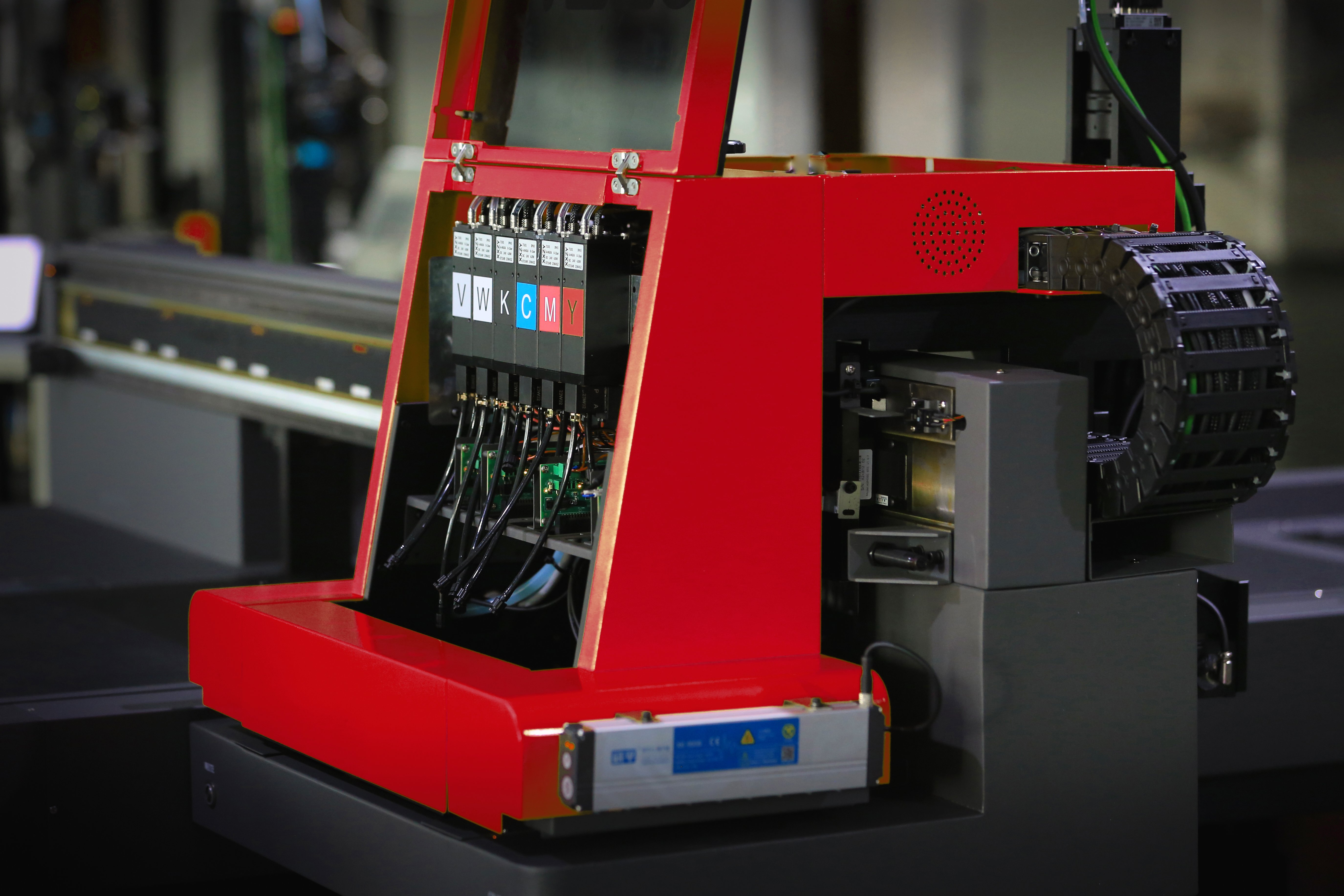
In any production environment that relies on a screen printing machine, the ability to place ink precisely where it belongs is not optional — it is the foundation of every successful print. Print registration accuracy refers to the exact alignment of each color layer or design element across the printed substrate. When this alignment is off, even by a fraction of a millimeter, the finished product may show blurred edges, color shifts, or misaligned patterns that make the item unsellable. Understanding why registration accuracy matters helps operators, production managers, and procurement teams make better decisions about the equipment they choose and the standards they maintain.
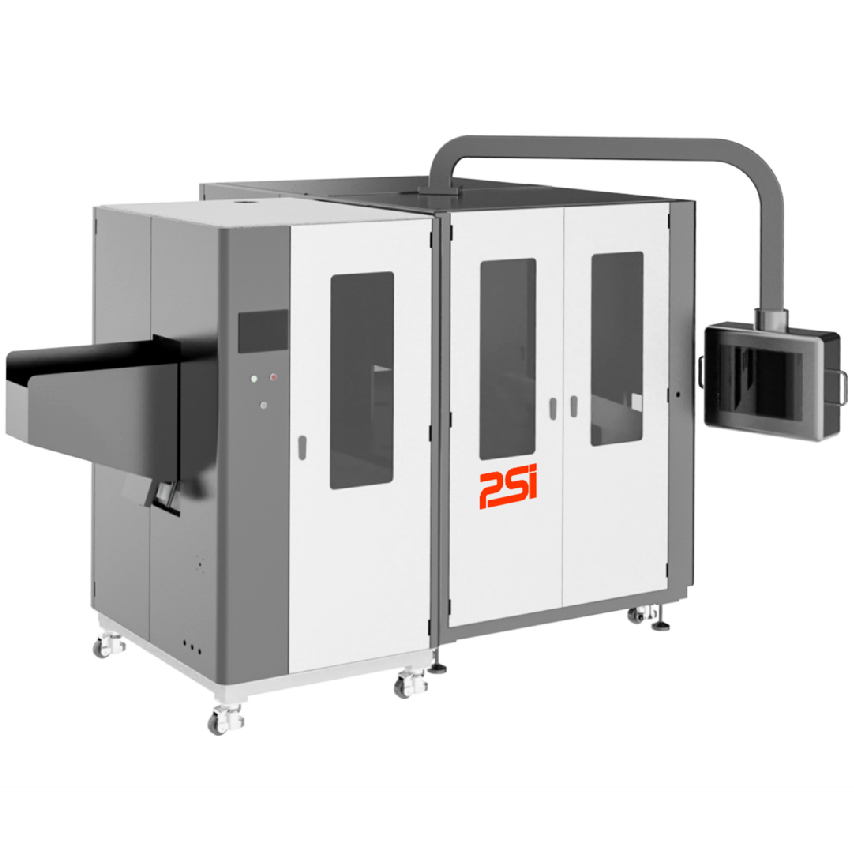
A screen printing machine is expected to perform consistently across hundreds or thousands of print cycles. Whether the application involves electronics, textiles, packaging, or industrial components, the quality of each printed piece directly reflects the registration capability of the machine. This article explores why print registration accuracy is central to screen printing machine performance, what factors affect it, and how modern machine design addresses these challenges in real production scenarios.
Every screen printing machine operator knows that registration errors translate directly into waste. When ink layers fail to align correctly, the printed substrate must often be discarded or reworked, both of which increase production costs. In high-volume runs, even a small percentage of misregistered prints can represent a significant financial loss. For businesses producing electronics components or branded packaging with a screen printing machine, the tolerance for visual defects is extremely narrow, and any registration failure can trigger a full batch rejection from the customer.
Beyond the immediate cost of wasted materials, registration errors also consume machine time. Operators must pause production, diagnose the cause of the misalignment, and recalibrate the screen printing machine before resuming. This downtime reduces throughput and can disrupt delivery schedules. In competitive B2B environments, consistent on-time delivery depends on the screen printing machine maintaining tight registration tolerances without frequent interruption.
For companies printing brand marks, safety labels, or regulatory text onto products, registration accuracy is also a compliance issue. A screen printing machine that shifts color placement or misaligns critical symbols may produce items that fail industry or regulatory standards. In sectors such as medical device labeling, automotive component marking, or consumer electronics, a misregistered print is not simply an aesthetic problem — it may render the item non-compliant and unfit for distribution. Maintaining strict registration accuracy with a reliable screen printing machine protects both product integrity and the company's legal standing.
The accuracy of a screen printing machine begins with how securely and consistently the substrate is positioned before each print cycle. If the material shifts even slightly between cycles, the resulting print will be misregistered. High-quality screen printing machine designs incorporate precision clamping systems, vacuum tables, or registration pins that hold the substrate firmly in a repeatable position. The rigidity and reliability of these positioning components directly determine how tight the registration tolerance can be maintained across a full production run.
In automatic or servo-driven screen printing machine models, substrate handling is often controlled by motorized systems that move the printing pallet or substrate carrier to a pre-programmed position with high repeatability. This eliminates the variability introduced by manual positioning and ensures that every print cycle starts from exactly the same reference point. The more precisely a screen printing machine can position the substrate, the more consistently it can reproduce registration accuracy across thousands of units.
The screen frame itself is another critical variable in screen printing machine registration. A screen that is not tensioned evenly across its surface will distort the image during the squeegee stroke, causing the ink deposit to shift slightly from its intended position. Professional-grade screen printing machine setups use calibrated screen tensioning methods and precision frame mounting systems to minimize this distortion. When the screen is mounted in a screen printing machine with proper tension and alignment, the ink transfers to the substrate with predictable, repeatable accuracy.
Micro-adjustment mechanisms on the screen printing machine allow operators to fine-tune the screen position in the X, Y, and rotational axes before locking it into production. This level of control is essential when printing multi-color designs that require each color to land within a very narrow tolerance zone. A screen printing machine that lacks fine registration adjustment forces operators to rely on manual estimation, which inevitably introduces inconsistency over time.
Modern screen printing machine designs increasingly rely on servo motor technology to achieve and maintain registration accuracy. Unlike pneumatic or cam-driven systems, servo-driven screen printing machine platforms use closed-loop feedback to confirm the actual position of moving components before each print stroke. This means the screen printing machine can detect and correct any positional deviation in real time, rather than assuming the mechanism has reached its target. The result is dramatically improved repeatability, which directly translates to tighter registration across extended production runs.
An all-servo screen printing machine also allows operators to program precise motion profiles for each axis, reducing vibration and overshoot that can affect registration. When the screen printing machine moves the substrate, squeegee, or screen mount at controlled speeds with precise stopping positions, the entire print cycle becomes more stable. This stability is especially important for screen printing machine applications involving fine-line graphics, small text, or multi-layer circuit patterns where misregistration of even 0.1 mm is unacceptable.
Advanced screen printing machine models may incorporate machine vision systems that capture an image of the substrate or a reference mark before each print cycle. The vision system compares the captured image to a reference position and sends correction data to the screen printing machine motion control system. This automated registration correction eliminates the need for manual checking between cycles and ensures the screen printing machine maintains alignment even when substrates have minor dimensional variation. Vision-assisted screen printing machine operation represents the highest level of registration control currently available in industrial production.
Registration errors in a screen printing machine are typically caused by inconsistent substrate positioning, uneven screen tension, worn mechanical components, or thermal expansion during long production runs. Using a screen printing machine with precise clamping systems and servo-driven axes significantly reduces the likelihood of these errors occurring.
In multi-color screen printing machine applications, each color layer must align precisely with the previous one to produce a sharp, accurate final image. If the screen printing machine allows any positional drift between color passes, the colors will appear blurred or offset. Tight registration control in a screen printing machine is therefore essential for producing professional-quality multi-color printed items.
Yes, a well-engineered screen printing machine can maintain registration accuracy even at high cycle speeds. Servo-driven screen printing machine designs are specifically built to achieve this by controlling motion precisely at each stage of the print cycle. However, maintaining accuracy at speed requires that the screen printing machine is properly calibrated, the substrate is positioned consistently, and the mechanical components are in good working condition.
 EN
EN
 AR
AR FR
FR DE
DE HI
HI IT
IT JA
JA KO
KO PT
PT RU
RU ES
ES IW
IW ID
ID VI
VI TH
TH TR
TR FA
FA
 Hot News