Professional Auto Screen Printing Solutions - Advanced Automated Printing Technology

Contact me immediately if you encounter problems!

All Categories

auto screen printing

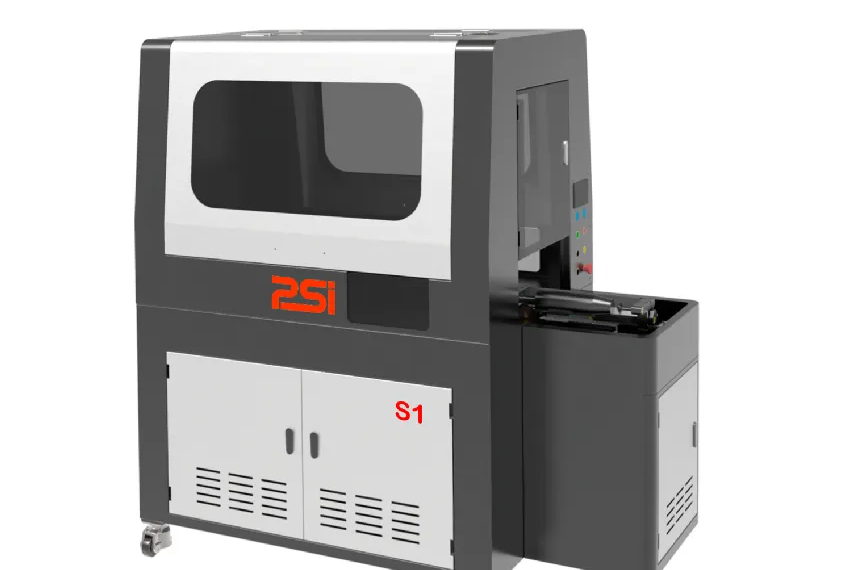
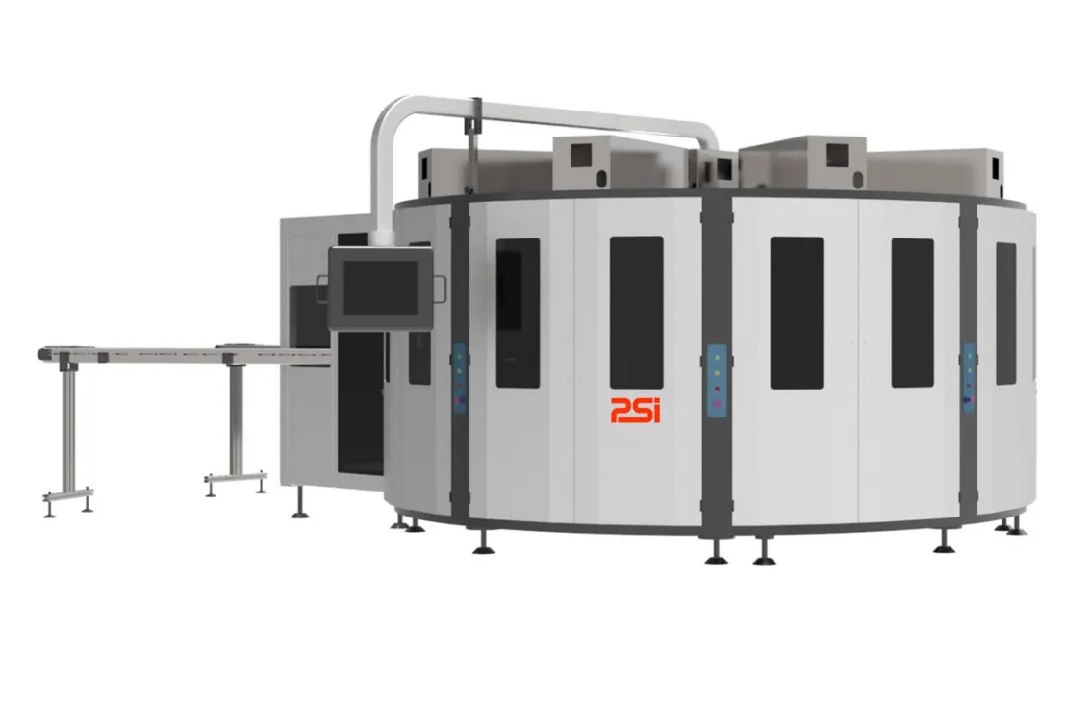
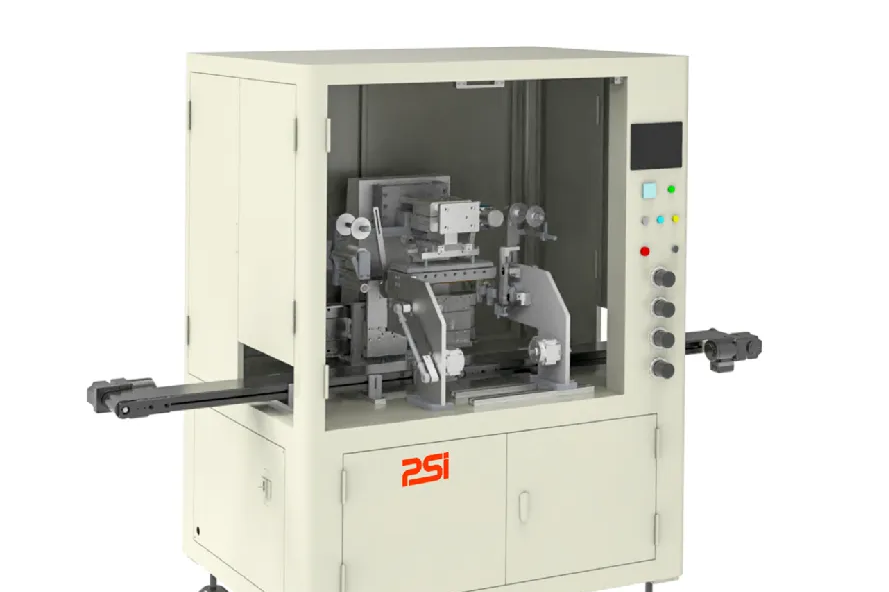
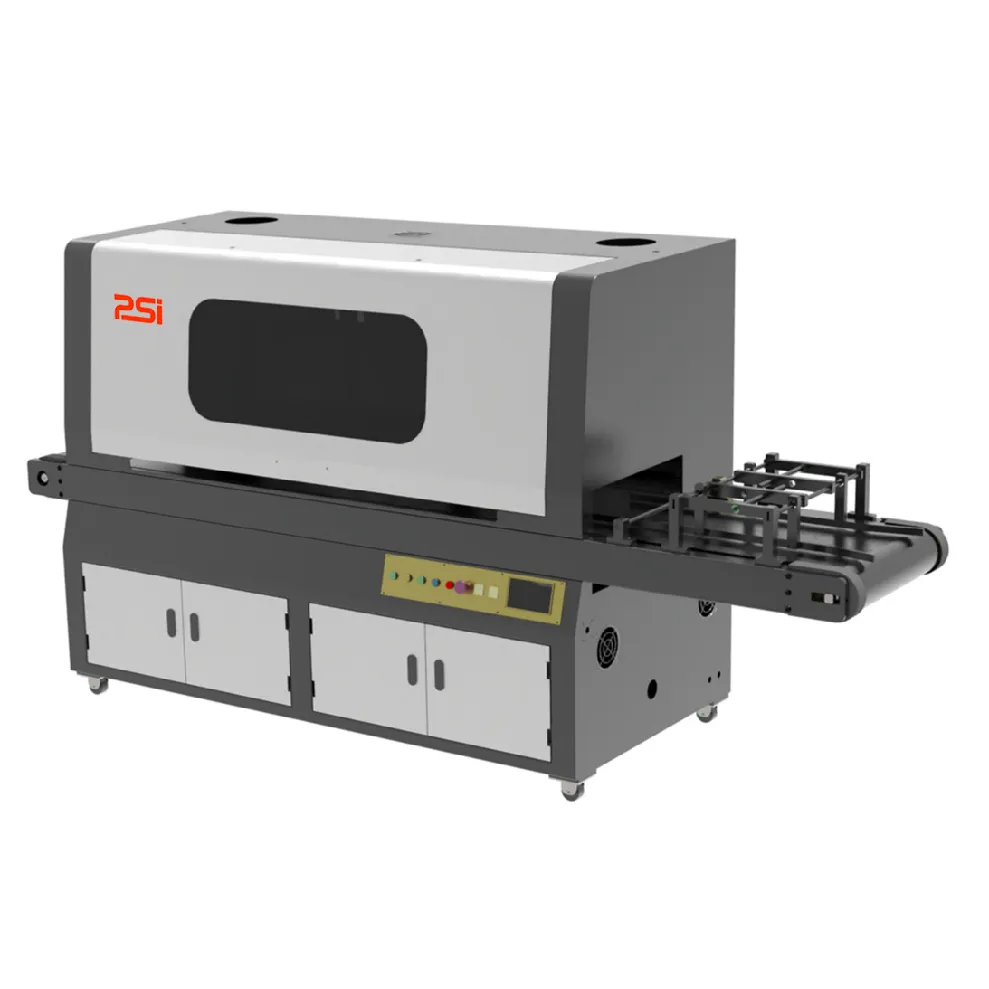
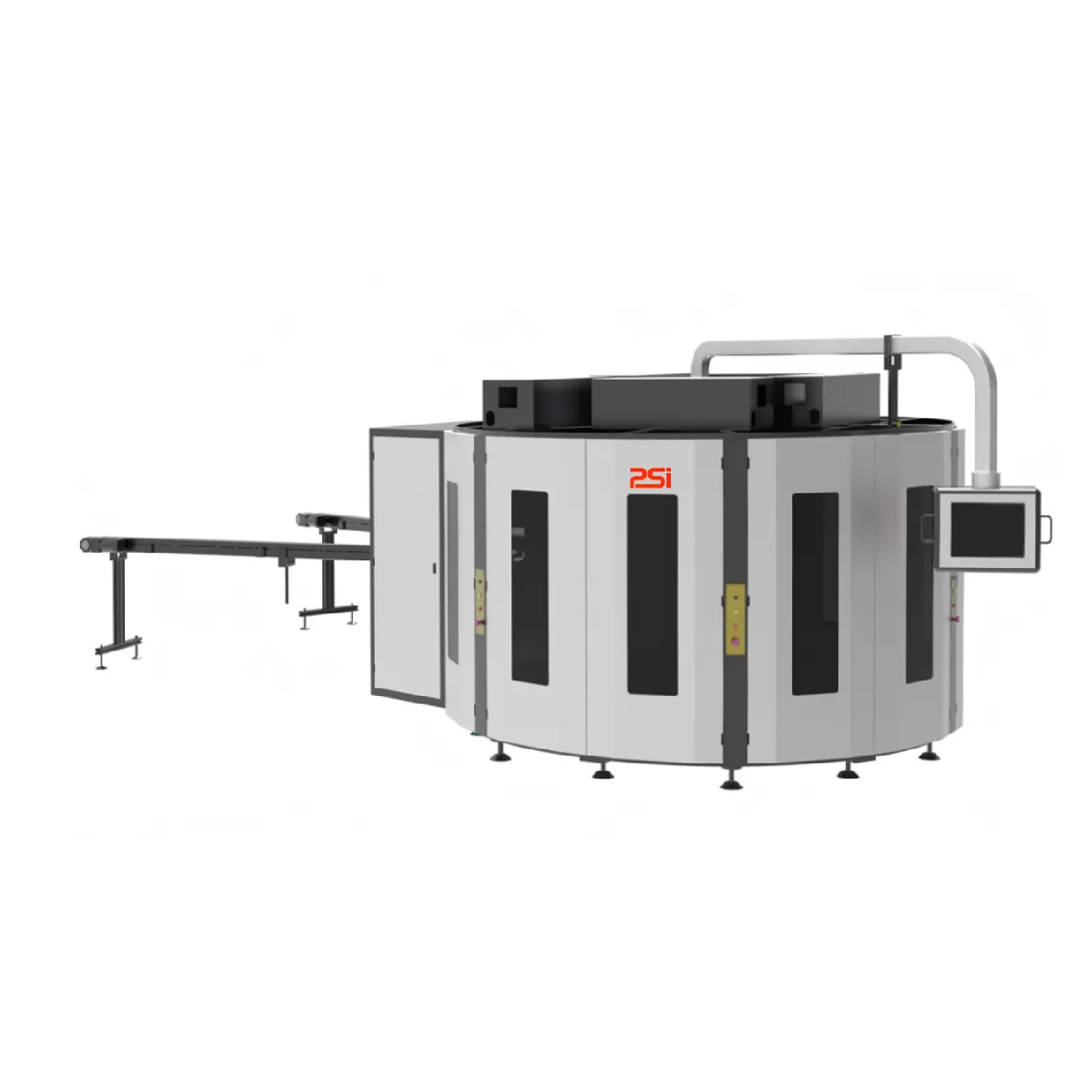
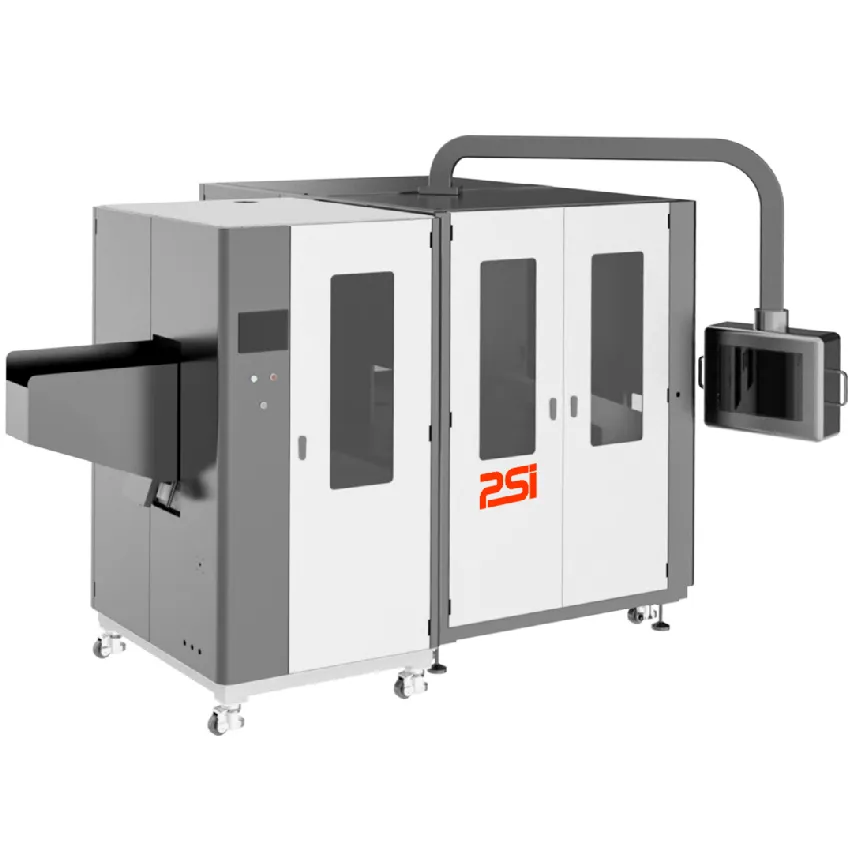
Auto screen printing represents a revolutionary advancement in the printing industry, combining precision engineering with cutting-edge automation technology to deliver exceptional results across diverse applications. This sophisticated printing method utilizes automated machinery to transfer ink through mesh screens onto various substrates, creating high-quality prints with remarkable consistency and efficiency. The auto screen printing process begins with the preparation of screens containing specific designs or patterns, which are then mounted onto automated equipment that controls every aspect of the printing operation. Modern auto screen printing systems feature computer-controlled registration, automated ink dispensing, and precise squeegee pressure management, ensuring each print meets exact specifications. The technology incorporates advanced sensors and monitoring systems that continuously track print quality, ink viscosity, and substrate positioning throughout the production process. These automated systems can handle multiple colors simultaneously, switching between different ink formulations and screen configurations with minimal operator intervention. The versatility of auto screen printing extends to numerous materials including textiles, plastics, metals, glass, and paper products, making it an invaluable solution for manufacturers across various industries. Contemporary auto screen printing equipment often includes integrated drying systems, automatic substrate loading mechanisms, and real-time quality control features that detect and correct printing defects instantaneously. The precision achieved through automation eliminates human error variables that traditionally affected manual screen printing operations, resulting in superior print uniformity and reduced waste. Additionally, modern auto screen printing systems incorporate eco-friendly technologies such as water-based ink systems and energy-efficient curing processes, aligning with sustainable manufacturing practices while maintaining exceptional output quality.

Popular Products

Auto screen printing delivers substantial cost savings by dramatically reducing labor requirements and minimizing material waste through precise ink application and consistent print quality. The automated nature of this technology eliminates the need for skilled manual operators while significantly increasing production speeds, allowing businesses to fulfill large orders within tight deadlines without compromising quality standards. Companies utilizing auto screen printing experience enhanced profitability through reduced per-unit production costs and improved operational efficiency. The consistency achieved through automation ensures every printed item meets identical quality specifications, eliminating variations that commonly occur in manual printing processes and reducing costly reprints or rejected products. Auto screen printing systems operate continuously with minimal supervision, enabling round-the-clock production schedules that maximize equipment utilization and accelerate return on investment. The technology provides exceptional versatility by accommodating various substrate materials and thicknesses without requiring extensive setup modifications, making it ideal for businesses handling diverse product lines. Quality control becomes more manageable with auto screen printing systems that incorporate real-time monitoring and adjustment capabilities, instantly detecting and correcting printing irregularities before they affect large production runs. Environmental benefits emerge from the precise ink application methods that reduce chemical waste and support sustainable manufacturing practices, helping companies meet environmental compliance requirements while reducing disposal costs. The scalability of auto screen printing allows businesses to adjust production volumes efficiently, handling both small batch runs and high-volume orders with equal effectiveness. Maintenance requirements for modern auto screen printing equipment are minimal due to robust construction and self-diagnostic features that alert operators to potential issues before they cause production disruptions. Training requirements for operating auto screen printing systems are considerably lower compared to manual alternatives, enabling businesses to quickly onboard new staff and maintain consistent production capabilities. The digital integration capabilities of contemporary auto screen printing equipment facilitate seamless workflow management and production tracking, providing valuable data insights for optimizing manufacturing processes and predicting maintenance needs.

Tips And Tricks

Enhancing Your Brand's Impact with PSI's Cutting-Edge Inkjet Digital Printing Machines

27

Sep

Enhancing Your Brand's Impact with PSI's Cutting-Edge Inkjet Digital Printing Machines

In the domain of industrial digital printing, under the commonly used terminology of the PSI Company, high-quality inkjet digital printing machines have been successfully produced and introduced to a wide range of industries. The performance of the c...
View More
PSI Cutting-Edge Digital Inkjet and Screen Printing Machines

27

Sep

PSI Cutting-Edge Digital Inkjet and Screen Printing Machines

In today's fast-paced business environment, the impact of visual communication cannot be overstated. Brands are constantly seeking ways to stand out and connect with their audience through eye-catching designs and high-quality prints. PSI, a leading ...
View More
PSI Heat Transfer Machines:  in Customized Branding Solutions

27

Sep

PSI Heat Transfer Machines: in Customized Branding Solutions

In the realm of printing and branding, PSI  stands out as a beacon of innovation and excellence. Specializing in heat transfer machines, PSI  offers a range of products that cater to various industries, from textiles to plastics, ensuring t...
View More

Get a Free Quote

Our representative will contact you soon.
Email
Name
Company Name
Message
0/1000

auto screen printing

Precision Engineering and Quality Consistency

Precision Engineering and Quality Consistency

The precision engineering inherent in auto screen printing systems represents a quantum leap forward in manufacturing accuracy and quality assurance. These sophisticated machines utilize advanced servo motors, precision-guided registration systems, and computer-controlled squeegee mechanisms to achieve tolerances measured in fractions of millimeters, ensuring every print maintains identical positioning, ink density, and color accuracy. The automated registration system continuously monitors substrate positioning and makes real-time adjustments to maintain perfect alignment throughout extended production runs, eliminating the drift and inconsistencies that plague manual printing operations. This level of precision becomes particularly crucial when producing multi-color designs or products requiring exact color matching across large quantities. The consistency delivered by auto screen printing systems extends beyond mere positioning accuracy to encompass ink application uniformity, with computer-controlled squeegee pressure ensuring optimal ink transfer while preventing over-application that leads to bleeding or under-application resulting in incomplete coverage. Advanced sensors monitor ink viscosity and automatically adjust application parameters to maintain consistent print characteristics regardless of environmental conditions or extended operation periods. The quality assurance capabilities built into modern auto screen printing equipment include vision systems that inspect each printed item in real-time, immediately flagging any deviations from established quality standards and preventing defective products from continuing through the production line. This automated quality control eliminates the subjective nature of human inspection while providing comprehensive documentation of quality metrics for compliance and improvement purposes. The engineering excellence of auto screen printing systems also encompasses thermal management features that maintain optimal operating temperatures for both equipment and substrates, ensuring consistent curing and adhesion properties across all printed materials. These precision capabilities translate directly into reduced waste, lower rejection rates, and enhanced customer satisfaction through consistently superior product quality that meets or exceeds expectations.
Enhanced Production Efficiency and Speed

Enhanced Production Efficiency and Speed

Auto screen printing systems revolutionize production efficiency by delivering dramatically increased throughput while maintaining superior quality standards that traditional manual methods cannot match. These automated systems operate at speeds that can exceed manual printing rates by factors of three to five times, depending on the complexity and size of the printed design, enabling manufacturers to fulfill large orders within compressed timeframes without sacrificing quality or accuracy. The efficiency gains stem from elimination of manual substrate handling, automated ink application, and seamless integration of drying and curing processes within the production line. Modern auto screen printing equipment incorporates rapid setup and changeover capabilities that minimize downtime between different jobs or product variations, with computer-stored setup parameters allowing operators to switch between configurations in minutes rather than hours. The continuous operation capabilities of auto screen printing systems enable businesses to maintain production schedules around the clock, maximizing equipment utilization and accelerating order fulfillment while reducing per-unit production costs through improved throughput. Automated substrate feeding and removal systems eliminate bottlenecks associated with manual handling, ensuring smooth material flow throughout the printing process and preventing production interruptions that commonly occur with manual operations. The integration of multiple printing stations within auto screen printing systems allows simultaneous processing of different colors or design elements, further enhancing production speed while maintaining precise registration and color accuracy across complex multi-color applications. Predictive maintenance features built into modern auto screen printing equipment monitor operational parameters and component wear patterns, scheduling maintenance activities during planned downtime to prevent unexpected failures that could disrupt production schedules. The efficiency benefits extend to resource utilization, with auto screen printing systems optimizing ink consumption, reducing substrate waste, and minimizing energy consumption through intelligent process control and automated shutdown features during idle periods. These efficiency improvements translate directly into competitive advantages, enabling businesses to offer shorter lead times, competitive pricing, and reliable delivery schedules that strengthen customer relationships and market position.
Versatile Material Compatibility and Application Range

Versatile Material Compatibility and Application Range

The versatile material compatibility of auto screen printing systems opens unprecedented opportunities for manufacturers across diverse industries, accommodating an extensive range of substrates from delicate fabrics to rigid industrial materials with equal precision and effectiveness. This adaptability stems from sophisticated substrate handling mechanisms that automatically adjust pressure, speed, and positioning parameters based on material characteristics, ensuring optimal print quality regardless of whether the substrate is flexible textile, rigid plastic, smooth metal, or textured ceramic. Auto screen printing systems excel at processing materials with varying thicknesses, from ultra-thin films to substantial boards, through adjustable print tables and adaptive squeegee systems that maintain consistent contact pressure across uneven surfaces. The temperature control capabilities integrated into modern auto screen printing equipment enable processing of heat-sensitive materials alongside high-temperature applications, with precise thermal management preventing substrate damage while ensuring proper ink curing and adhesion. Chemical compatibility features allow auto screen printing systems to work with diverse ink formulations including water-based, solvent-based, UV-curable, and specialty inks designed for specific applications such as conductive printing or food-safe packaging. The application range extends from traditional textile printing and promotional products to advanced industrial applications including electronic circuit boards, automotive components, medical devices, and architectural panels, demonstrating the remarkable versatility of modern auto screen printing technology. Substrate size flexibility represents another significant advantage, with auto screen printing systems accommodating everything from small electronic components to large architectural panels through modular design approaches and adjustable print areas. The ability to handle both flat and curved surfaces expands application possibilities to include cylindrical containers, curved automotive parts, and three-dimensional promotional items that would be impossible to print using traditional methods. Advanced auto screen printing systems incorporate multiple ink delivery options, enabling simultaneous application of different ink types or special effects such as raised textures, metallic finishes, or security features within a single production run. This versatility eliminates the need for multiple specialized printing systems, reducing capital investment requirements while maximizing production flexibility and enabling businesses to pursue diverse market opportunities with a single comprehensive printing solution.