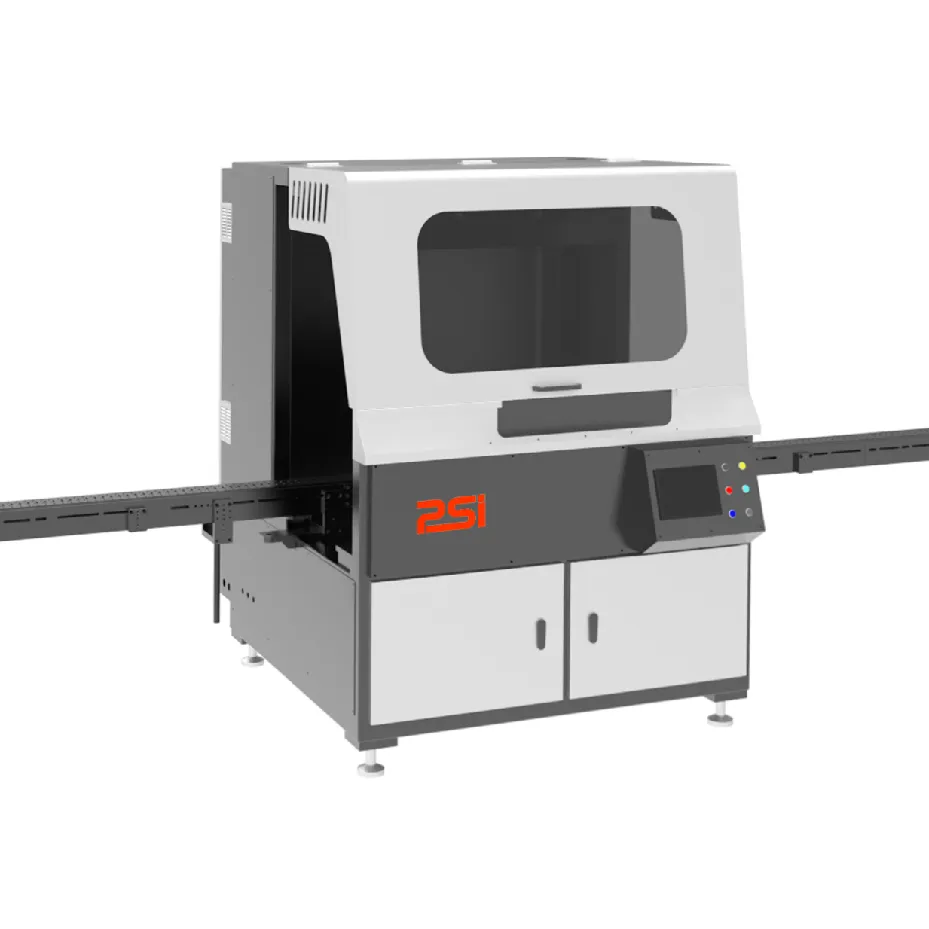
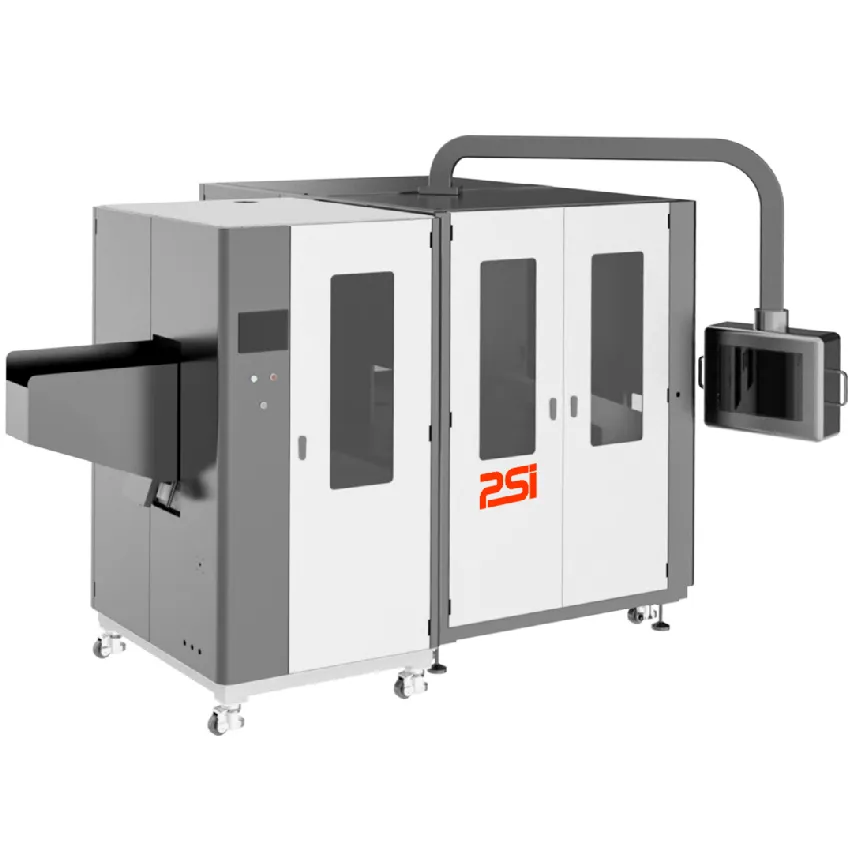
screen printing machine design
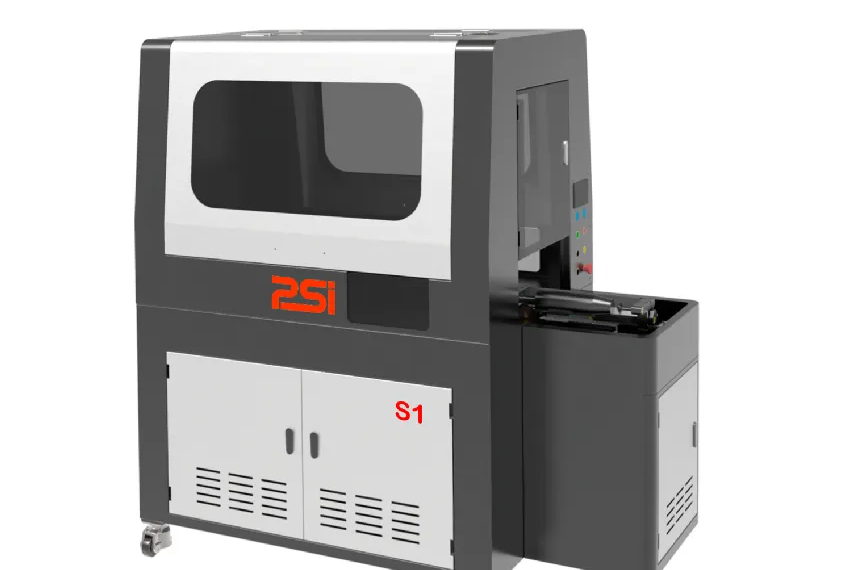
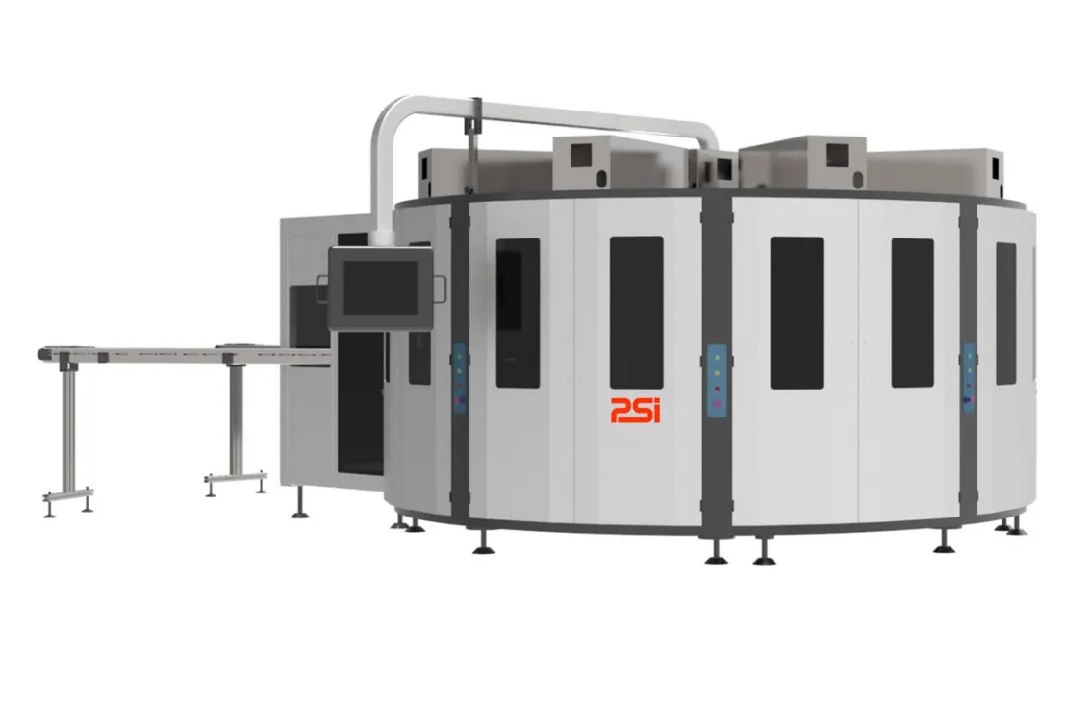
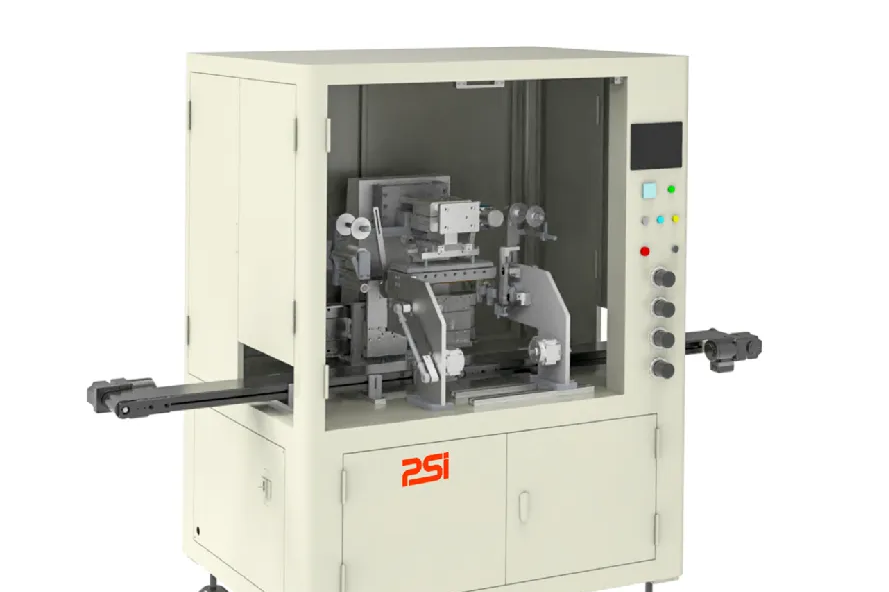
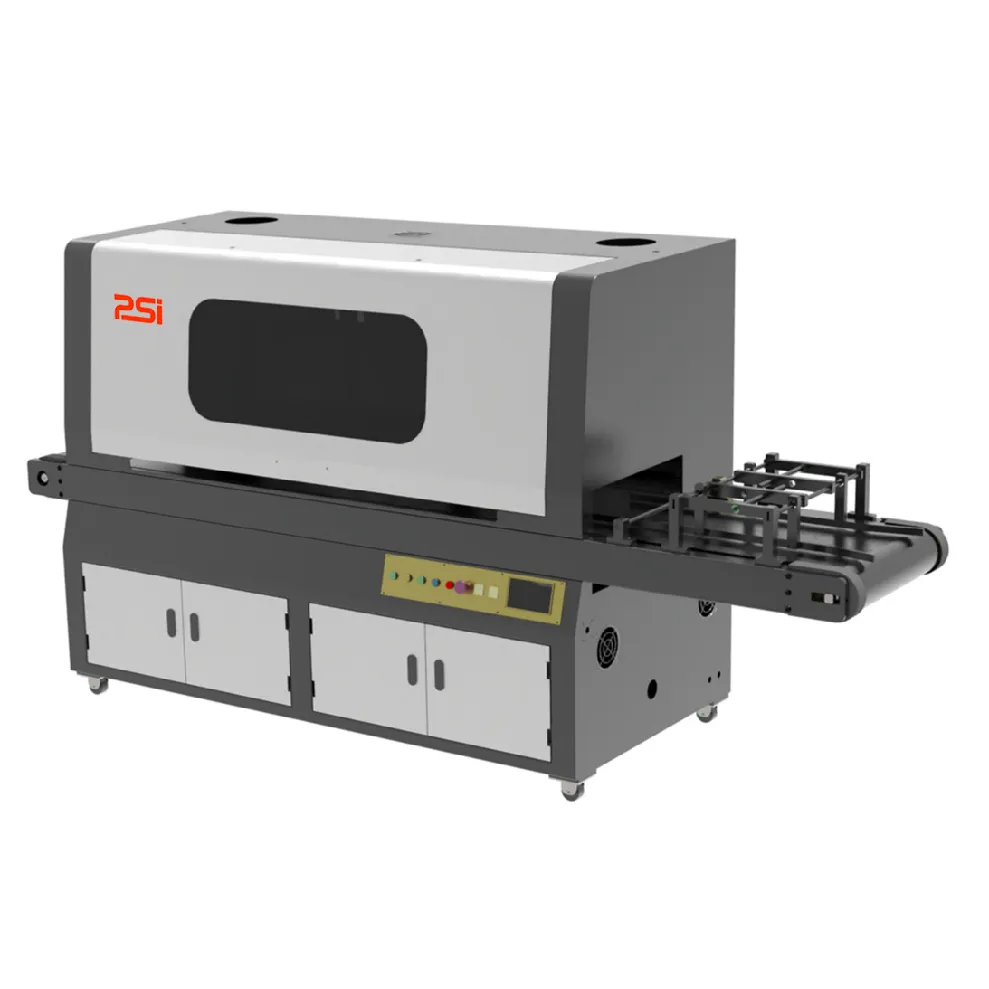
Screen printing machine design represents a sophisticated approach to creating high-quality printed materials across diverse industries. These machines incorporate advanced engineering principles to deliver consistent, reliable printing results through a mesh-based stencil process. The fundamental screen printing machine design utilizes a fine mesh screen stretched over a rigid frame, where ink passes through designated areas to create precise images on substrates. Modern screen printing machine design integrates automated features that enhance productivity while maintaining exceptional print quality. The core functionality revolves around a squeegee mechanism that forces ink through the mesh screen onto the target material, creating sharp, vibrant prints with excellent durability. Contemporary screen printing machine design incorporates pneumatic systems for consistent pressure application, ensuring uniform ink distribution across the entire print area. These machines feature adjustable registration systems that allow operators to align multiple colors with precision, enabling complex multi-color designs. The screen printing machine design includes sophisticated control panels that manage printing speed, pressure settings, and drying cycles automatically. Temperature control systems within the screen printing machine design ensure optimal ink curing, resulting in prints that resist fading, cracking, and wear over time. Versatile substrate handling capabilities make screen printing machine design suitable for printing on textiles, plastics, glass, metal, and paper materials. The modular construction of modern screen printing machine design allows for easy maintenance and component replacement, minimizing downtime and operational costs. Advanced screen printing machine design incorporates digital interfaces that store printing parameters for different jobs, enabling quick setup changes and consistent reproduction of previous work. Safety features integrated into screen printing machine design include emergency stops, protective barriers, and ventilation systems that protect operators from harmful fumes and mechanical hazards.
 EN
EN
 AR
AR FR
FR DE
DE HI
HI IT
IT JA
JA KO
KO PT
PT RU
RU ES
ES IW
IW ID
ID VI
VI TH
TH TR
TR FA
FA