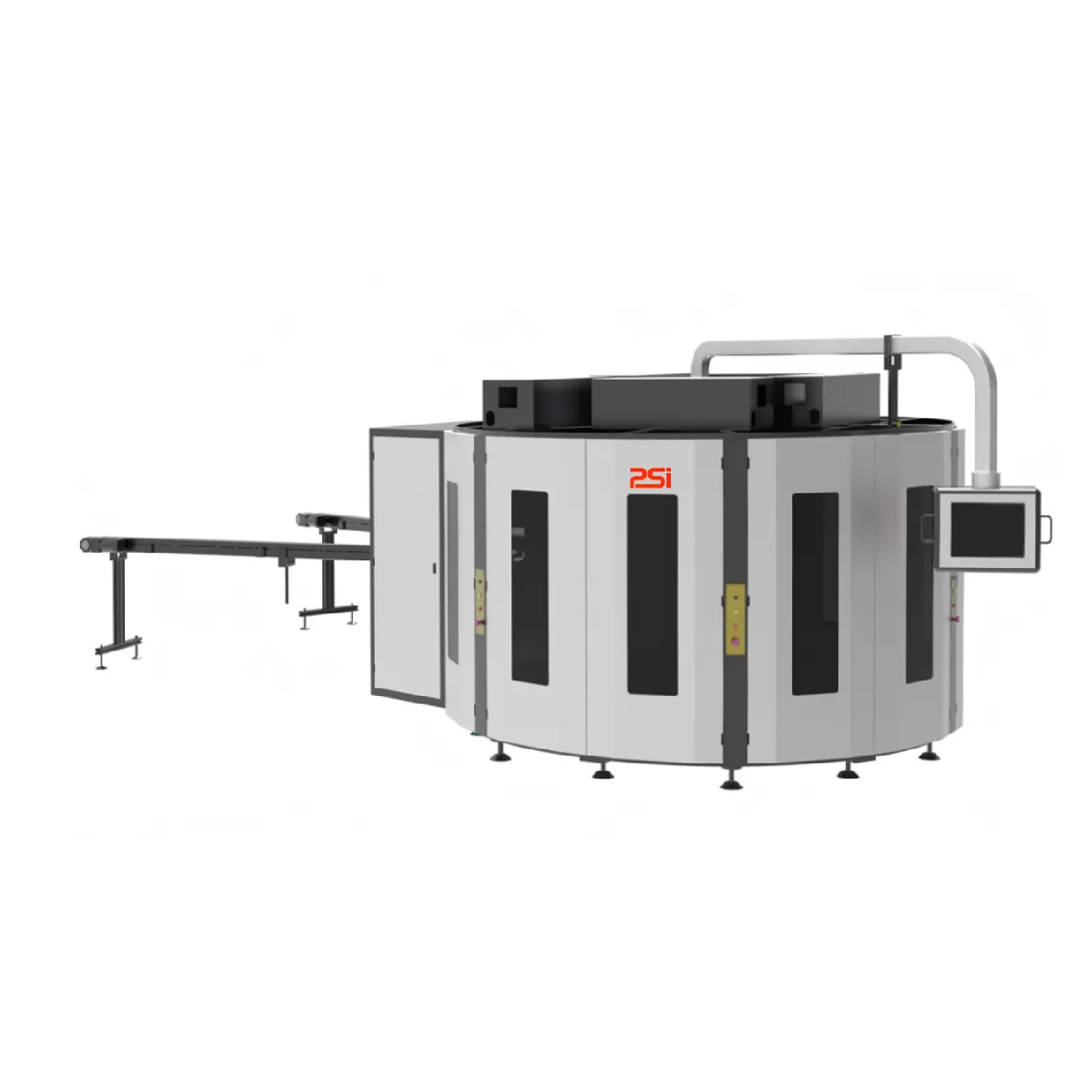
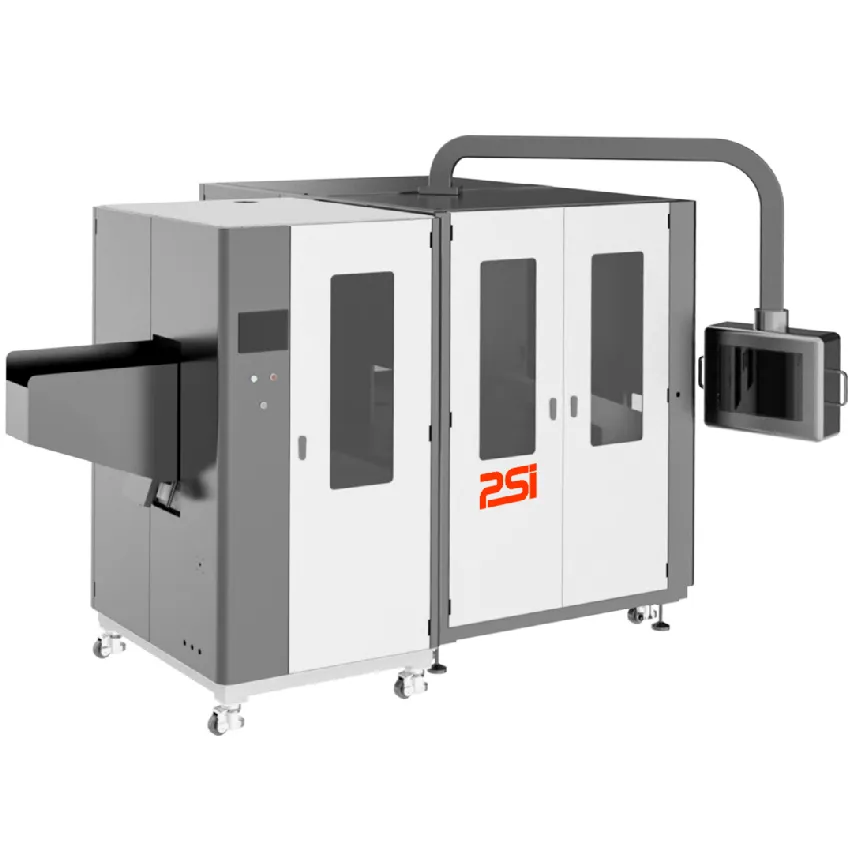
Advanced Automatic Digital Inkjet Printer - Precision Printing Solutions for Industrial Applications

Contact me immediately if you encounter problems!

All Categories

automatic digital inkjet printer

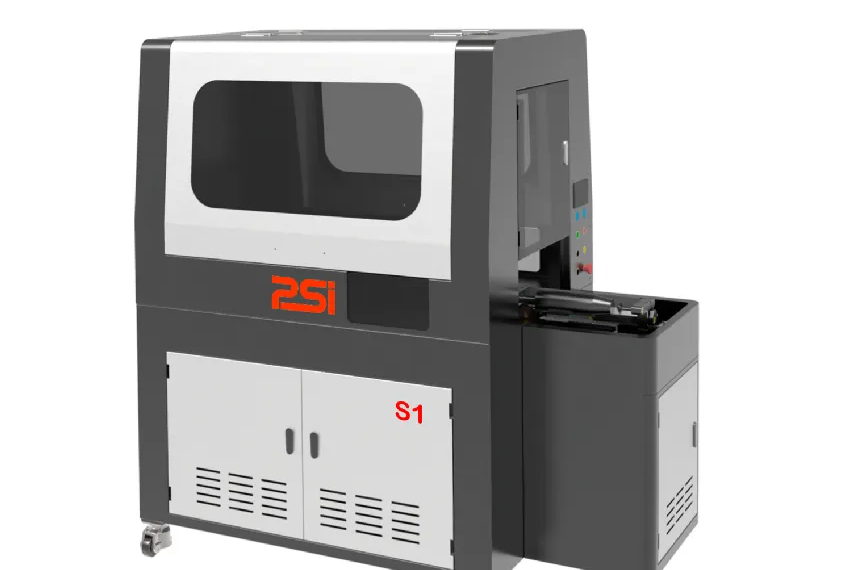
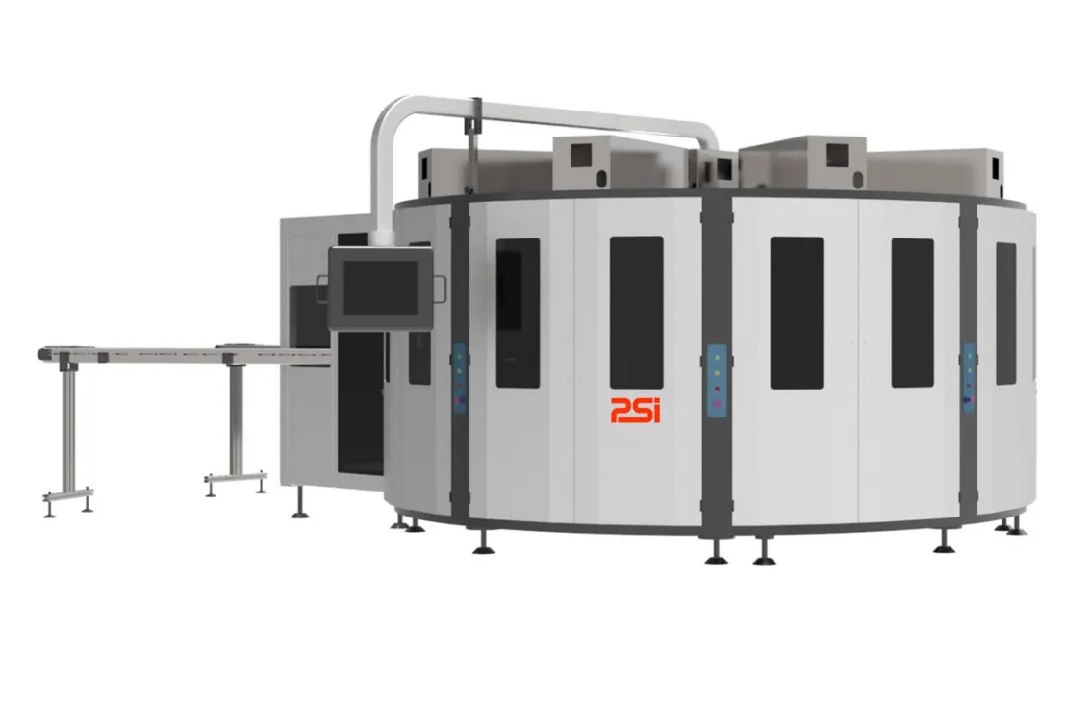
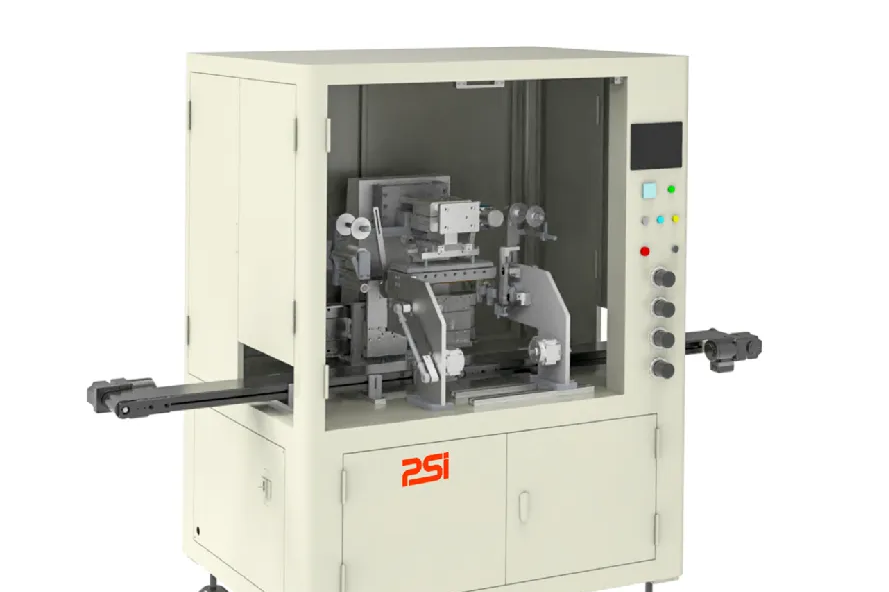
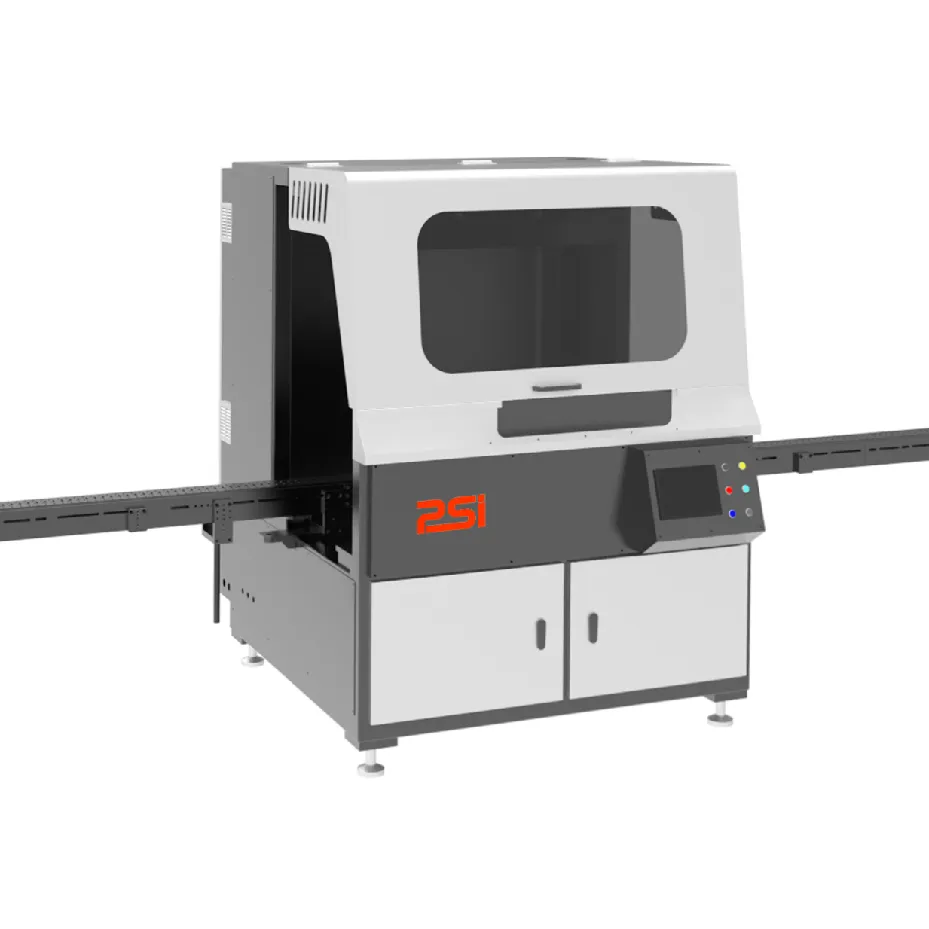
The automatic digital inkjet printer represents a revolutionary advancement in modern printing technology, combining precision engineering with cutting-edge digital innovation to deliver exceptional results across diverse applications. This sophisticated printing system utilizes advanced inkjet technology to deposit precise droplets of ink onto various substrates, creating high-quality images, text, and graphics with remarkable accuracy and consistency. At its core, the automatic digital inkjet printer operates through a computerized control system that manages every aspect of the printing process, from ink delivery to substrate handling, ensuring optimal performance and minimal human intervention. The main functions of this versatile equipment include high-speed printing capabilities, multi-color reproduction, variable data printing, and seamless integration with digital workflows. These printers excel in producing everything from simple text documents to complex photographic reproductions, making them invaluable tools for commercial printing operations, packaging industries, and specialized manufacturing processes. The technological features that distinguish the automatic digital inkjet printer include precision nozzle arrays, advanced ink formulations, intelligent color management systems, and sophisticated substrate handling mechanisms. These components work in harmony to achieve exceptional print quality while maintaining consistent output throughout extended production runs. The printer's automated features encompass automatic head cleaning, ink level monitoring, substrate alignment, and quality control systems that continuously monitor and adjust printing parameters to maintain optimal results. Applications for the automatic digital inkjet printer span numerous industries, including commercial printing, packaging, textiles, ceramics, glass decoration, and industrial marking. In commercial printing environments, these systems produce marketing materials, business documents, and personalized communications with remarkable efficiency. The packaging industry relies on automatic digital inkjet printers for creating vibrant product labels, flexible packaging designs, and corrugated box printing. Textile applications include fashion printing, home decor fabrics, and specialty garments that benefit from the printer's ability to handle various fabric types and produce intricate designs with exceptional color fidelity.
New Product Recommendations

The automatic digital inkjet printer delivers substantial benefits that transform how businesses approach their printing requirements, offering unmatched flexibility and efficiency that traditional printing methods cannot match. One primary advantage lies in the elimination of setup costs and time-consuming plate preparation, allowing users to begin printing immediately upon receiving digital files. This capability proves particularly valuable for short-run printing projects and on-demand production scenarios where traditional offset printing becomes economically unfeasible. The automatic digital inkjet printer excels in variable data printing applications, enabling businesses to customize each printed piece with unique information, personalized messages, or targeted marketing content without interrupting the production flow. Cost-effectiveness emerges as another significant benefit, particularly for small to medium print volumes where the automatic digital inkjet printer eliminates the substantial setup expenses associated with conventional printing methods. Users experience immediate cost savings through reduced waste, as digital printing produces only the required quantity without excess inventory or obsolete materials. The printer's ability to handle diverse substrate materials expands creative possibilities and application ranges, accommodating everything from standard paper stocks to specialty materials including plastics, metals, ceramics, and textiles. Speed advantages become apparent in both job turnaround and production efficiency, as the automatic digital inkjet printer processes files directly from digital sources without intermediate steps or lengthy preparation procedures. Quality consistency represents another crucial benefit, with advanced color management systems ensuring accurate color reproduction throughout entire print runs while maintaining precise registration and sharp detail definition. Environmental benefits contribute to the printer's appeal, as digital inkjet technology typically requires fewer chemicals, generates less waste, and consumes reduced energy compared to traditional printing processes. Maintenance simplicity enhances operational efficiency, with automated cleaning cycles, predictive maintenance alerts, and user-friendly interfaces minimizing downtime and technical expertise requirements. The automatic digital inkjet printer's compact footprint optimizes floor space utilization while delivering industrial-grade performance, making it suitable for various facility sizes and configurations. Integration capabilities allow seamless connection with existing workflow systems, enabling automated job processing, remote monitoring, and comprehensive production tracking that enhances overall operational visibility and control.

Tips And Tricks

Enhancing Your Brand's Impact with PSI's Cutting-Edge Inkjet Digital Printing Machines

27

Sep

Enhancing Your Brand's Impact with PSI's Cutting-Edge Inkjet Digital Printing Machines

In the domain of industrial digital printing, under the commonly used terminology of the PSI Company, high-quality inkjet digital printing machines have been successfully produced and introduced to a wide range of industries. The performance of the c...
View More
PSI Cutting-Edge Digital Inkjet and Screen Printing Machines

27

Sep

PSI Cutting-Edge Digital Inkjet and Screen Printing Machines

In today's fast-paced business environment, the impact of visual communication cannot be overstated. Brands are constantly seeking ways to stand out and connect with their audience through eye-catching designs and high-quality prints. PSI, a leading ...
View More
PSI Heat Transfer Machines:  in Customized Branding Solutions

27

Sep

PSI Heat Transfer Machines: in Customized Branding Solutions

In the realm of printing and branding, PSI  stands out as a beacon of innovation and excellence. Specializing in heat transfer machines, PSI  offers a range of products that cater to various industries, from textiles to plastics, ensuring t...
View More

Get a Free Quote

Our representative will contact you soon.
Email
Name
Company Name
Message
0/1000

automatic digital inkjet printer

Advanced Precision Control Technology

Advanced Precision Control Technology

The automatic digital inkjet printer incorporates sophisticated precision control technology that sets new standards for printing accuracy and consistency across all applications. This advanced system employs state-of-the-art piezoelectric printheads that deliver incredibly precise ink droplet placement, ensuring sharp detail reproduction and consistent color density throughout every print job. The precision control mechanism operates through multiple layers of technological innovation, beginning with high-resolution nozzle arrays that can produce droplets as small as a few picoliters, enabling fine detail reproduction that rivals traditional photographic processes. The automatic digital inkjet printer's control system continuously monitors and adjusts printing parameters in real-time, compensating for environmental variables such as temperature, humidity, and substrate variations that could affect print quality. This intelligent monitoring extends to ink viscosity management, automatically adjusting ink flow rates and droplet formation to maintain optimal printing conditions regardless of operating environment changes. The precision extends beyond basic droplet placement to encompass advanced color management algorithms that ensure accurate color reproduction across different substrate types and printing conditions. These algorithms work in conjunction with spectrophotometric feedback systems that measure actual printed colors and make instantaneous adjustments to maintain color consistency throughout extended production runs. The automatic digital inkjet printer's precision control technology also includes advanced substrate handling mechanisms that maintain exact registration and positioning accuracy, preventing misalignment issues that can compromise print quality. The system's ability to handle various substrate thicknesses and surface textures while maintaining consistent print quality demonstrates the sophistication of its precision control capabilities. Furthermore, the technology incorporates predictive maintenance features that monitor printhead performance, ink system integrity, and mechanical component wear, providing early warning alerts that prevent quality degradation before it becomes apparent in finished products. This comprehensive approach to precision control ensures that every print produced by the automatic digital inkjet printer meets the highest quality standards while minimizing waste and maximizing production efficiency.
Versatile Multi-Substrate Compatibility

Versatile Multi-Substrate Compatibility

The automatic digital inkjet printer demonstrates exceptional versatility through its remarkable multi-substrate compatibility, enabling users to print on an extensive range of materials that would challenge or exceed the capabilities of conventional printing systems. This versatility stems from advanced ink formulation technology and sophisticated substrate handling mechanisms that adapt to various material characteristics, surface textures, and dimensional properties. The automatic digital inkjet printer accommodates traditional paper stocks ranging from lightweight newsprint to heavy cardstock, while extending its capabilities to include synthetic materials, films, foils, and specialty substrates that require specific ink adhesion properties. The printer's ability to handle rigid substrates such as corrugated cardboard, plastic sheets, metal panels, and ceramic tiles opens new possibilities for direct product decoration and industrial marking applications. Fabric printing capabilities enable the automatic digital inkjet printer to process various textile materials including cotton, polyester, silk, and blended fabrics, producing vibrant colors and intricate designs that maintain durability through washing and wear cycles. The system's substrate compatibility extends to three-dimensional objects and irregular surfaces through adjustable printhead positioning and advanced substrate detection systems that automatically configure optimal printing parameters for each material type. Specialized ink formulations designed for specific substrate categories ensure proper adhesion, color vibrancy, and longevity across all compatible materials, while UV-curable inks provide additional durability and weather resistance for outdoor applications. The automatic digital inkjet printer's material handling system incorporates adjustable vacuum tables, precision registration systems, and variable substrate thickness accommodation mechanisms that maintain print quality consistency regardless of material variations. This versatility eliminates the need for multiple specialized printing systems, consolidating production capabilities into a single platform that reduces equipment investment, maintenance requirements, and operator training needs. The printer's ability to switch between different substrate types quickly and efficiently maximizes production flexibility while minimizing setup time and material waste, making it an ideal solution for businesses requiring diverse printing capabilities within a single operational framework.
Streamlined Automated Production Workflow

Streamlined Automated Production Workflow

The automatic digital inkjet printer revolutionizes production efficiency through its comprehensive automated workflow system that minimizes manual intervention while maximizing output quality and consistency. This sophisticated automation encompasses every aspect of the printing process, from initial file preparation through final product delivery, creating a seamless production environment that reduces labor costs and eliminates human error potential. The automated workflow begins with intelligent file processing capabilities that automatically optimize digital files for optimal printing performance, adjusting resolution, color profiles, and print parameters based on substrate type and quality requirements. The automatic digital inkjet printer's workflow management system integrates with popular design software and production management platforms, enabling direct job submission and automated queue management that prioritizes production based on deadline requirements and material availability. Advanced job nesting algorithms maximize substrate utilization by automatically arranging multiple print elements to minimize waste while maintaining optimal print quality and production speed. The system's automated color management ensures consistent color reproduction across different print runs and substrate types, eliminating the need for manual color adjustments and reducing setup time between jobs. Substrate handling automation includes automatic feeding mechanisms, precise positioning systems, and integrated quality control sensors that detect and correct alignment issues before they affect print quality. The automatic digital inkjet printer incorporates intelligent ink management systems that monitor consumption rates, predict refill requirements, and automatically adjust ink flow based on print density and coverage requirements. Production monitoring capabilities provide real-time visibility into job progress, equipment status, and quality metrics through intuitive dashboard interfaces that enable remote monitoring and management from any connected device. Automated maintenance routines perform regular printhead cleaning, calibration procedures, and system diagnostics without interrupting production schedules, while predictive maintenance algorithms analyze performance data to schedule preventive maintenance activities before equipment issues arise. The workflow system's integration capabilities extend to finishing equipment, enabling automated coordination between printing and post-processing operations such as cutting, folding, and binding to create complete production solutions that require minimal manual intervention from job initiation through final product delivery.