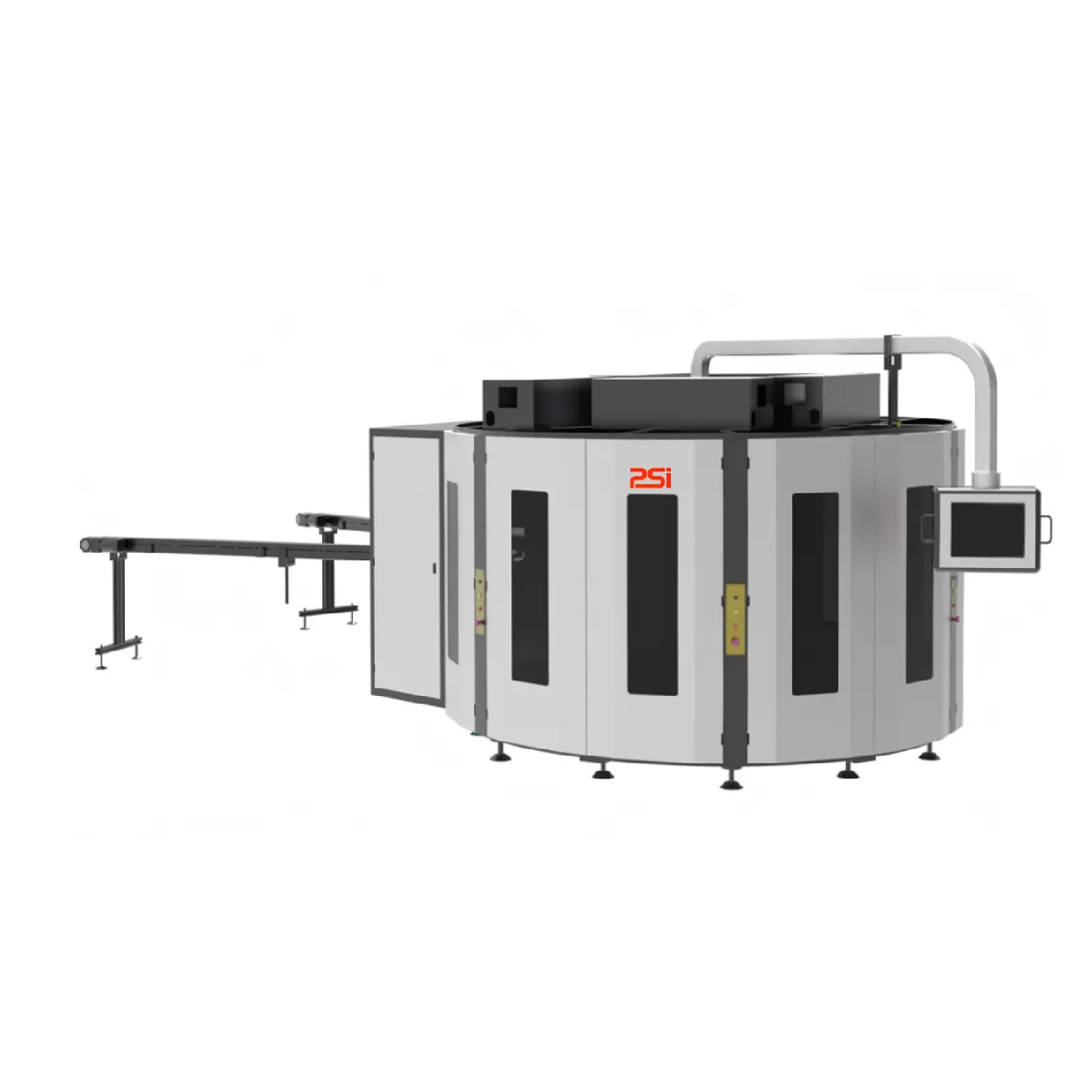
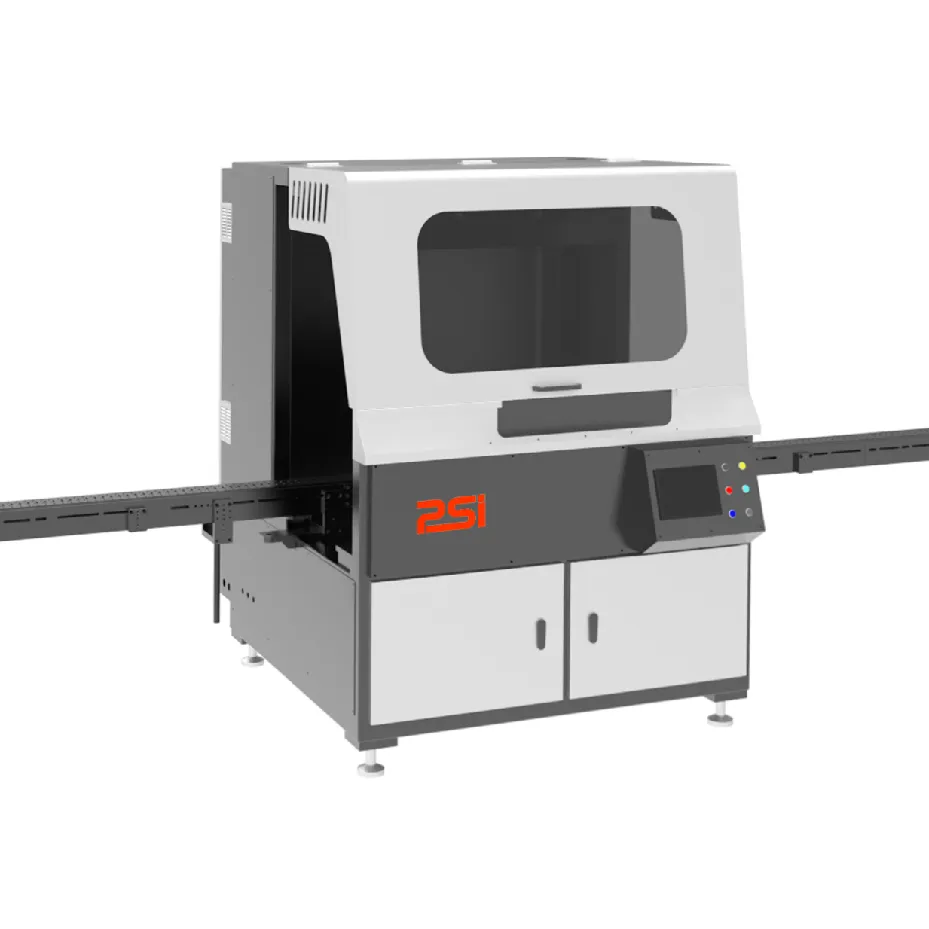
automatic silk screen printing machine
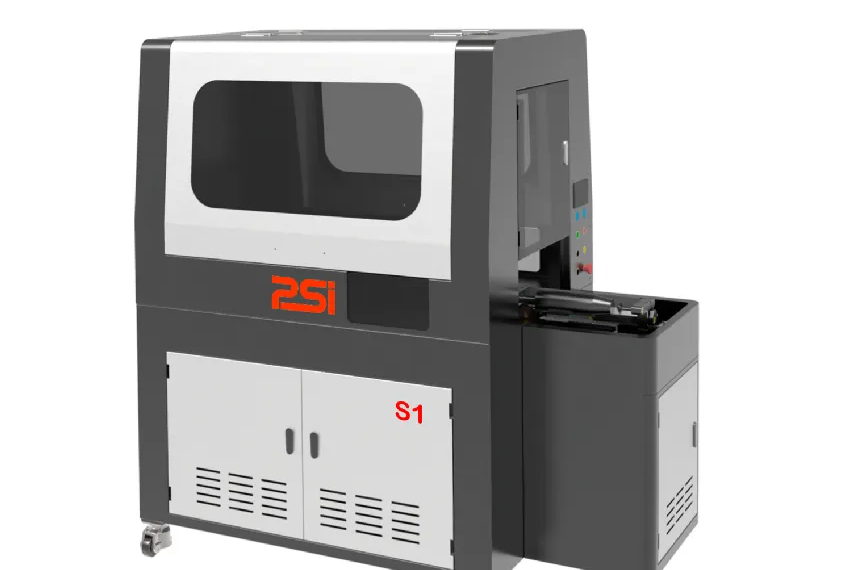
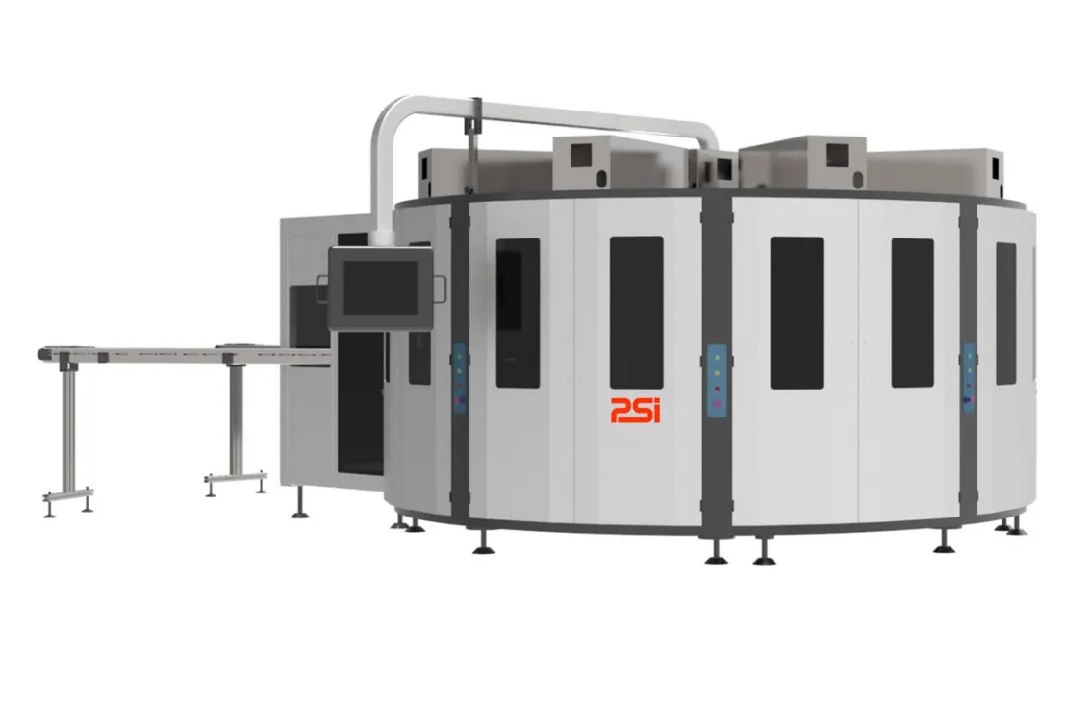
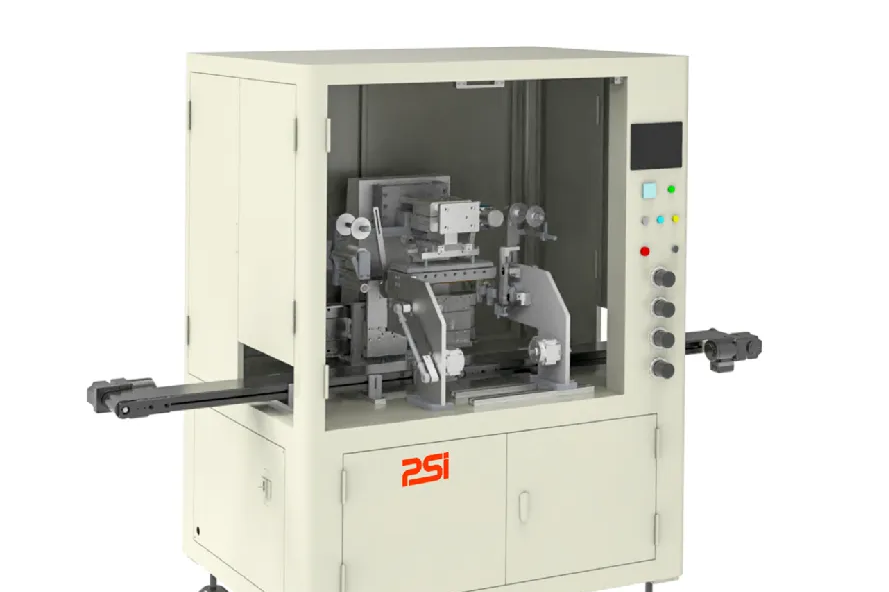
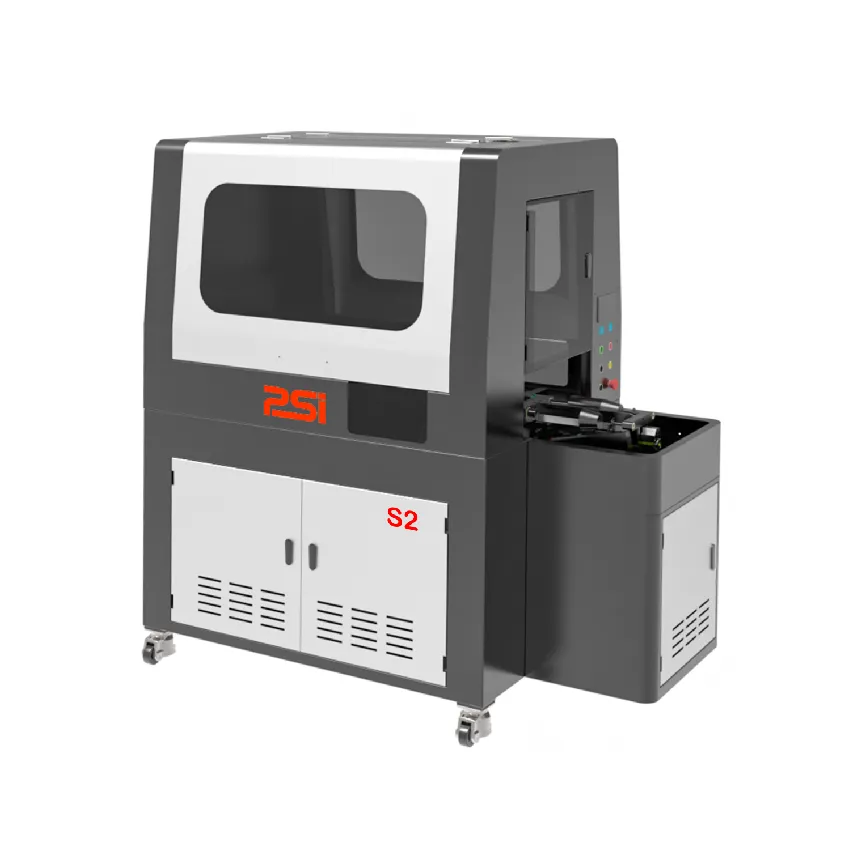
An automatic silk screen printing machine represents a cutting-edge solution for high-volume printing operations, designed to deliver consistent, professional results across various substrates and applications. This sophisticated equipment combines precision engineering with advanced automation technology to streamline the printing process while maintaining exceptional quality standards. The machine operates through a systematic approach that eliminates manual intervention in most stages of production, significantly reducing labor costs and human error. At its core, the automatic silk screen printing machine utilizes a motorized squeegee system that applies ink through a fine mesh screen onto the target material with predetermined pressure and speed settings. The printing cycle begins with substrate positioning, where materials are automatically aligned using registration systems and pneumatic clamping mechanisms. The screen then lowers into contact with the substrate, and the squeegee travels across the surface, forcing ink through the mesh openings to create the desired image or pattern. Advanced models incorporate multi-color capabilities, allowing for complex designs with precise color registration between successive layers. Temperature control systems maintain optimal ink viscosity throughout the printing process, while UV curing stations can be integrated for instant drying and enhanced durability. The machine's control panel features intuitive interfaces that allow operators to adjust parameters such as printing speed, squeegee pressure, screen gap distance, and cycle timing. Safety features include emergency stop buttons, protective guards, and automatic fault detection systems that prevent damage to both equipment and materials. Modern automatic silk screen printing machines often include integrated quality control systems with vision cameras that inspect each print for defects, ensuring consistent output quality. The equipment's modular design allows for customization based on specific production requirements, with options for different bed sizes, multiple printing stations, and specialized handling systems for various substrate types including textiles, electronics, signage materials, and industrial components.
 EN
EN
 AR
AR FR
FR DE
DE HI
HI IT
IT JA
JA KO
KO PT
PT RU
RU ES
ES IW
IW ID
ID VI
VI TH
TH TR
TR FA
FA