Commercial Screen Printing Machine - High-Speed Precision Printing Equipment for Professional Applications

Contact me immediately if you encounter problems!

All Categories

commercial screen printing machine

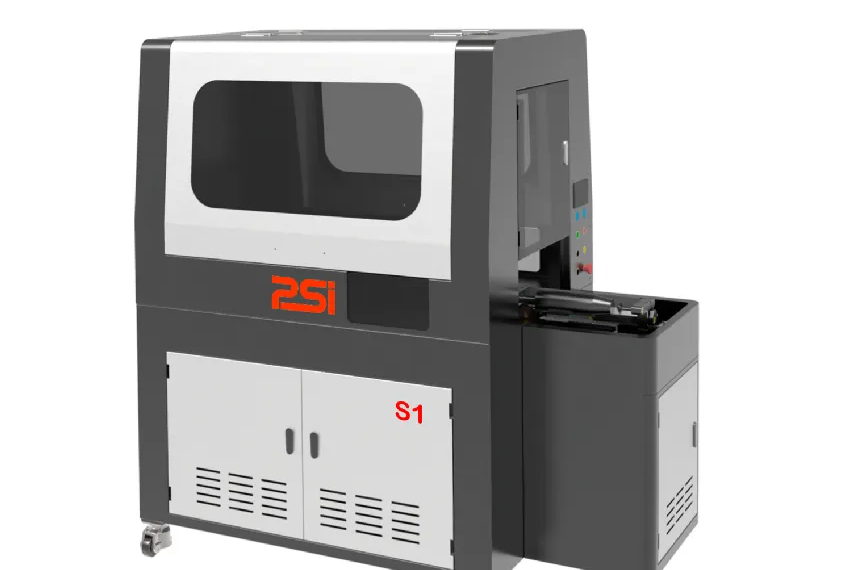
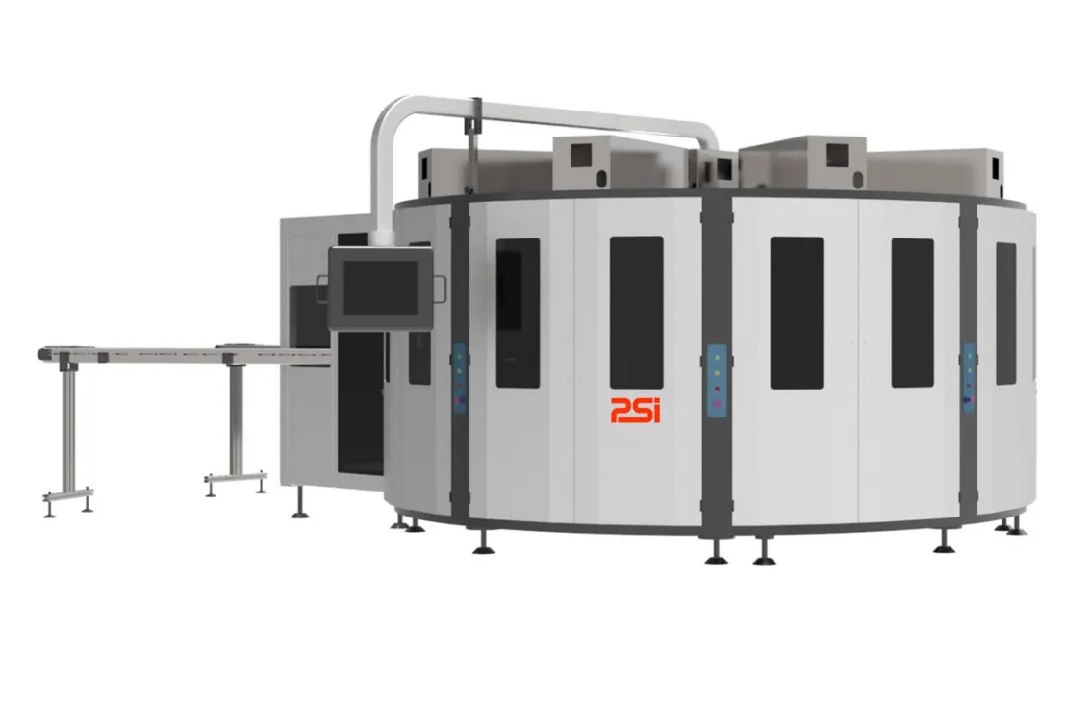
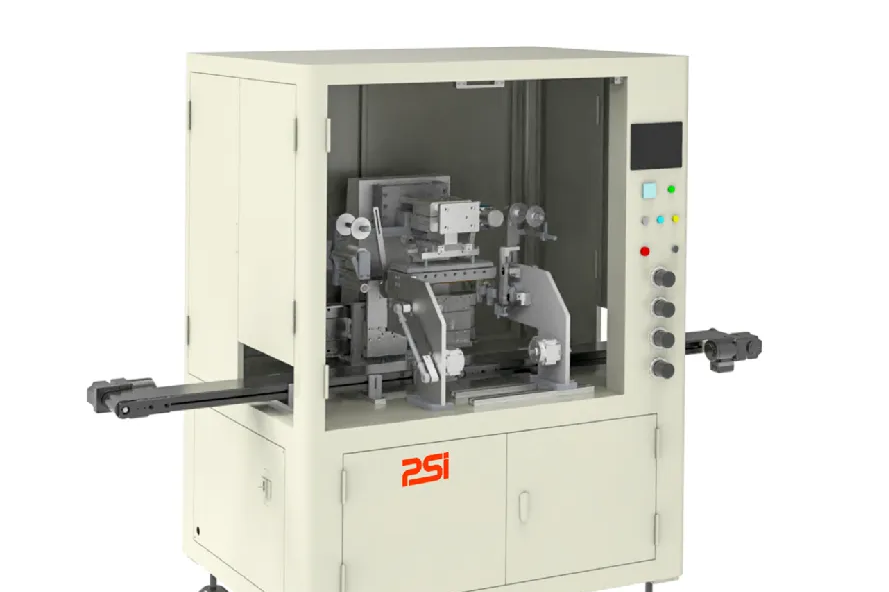
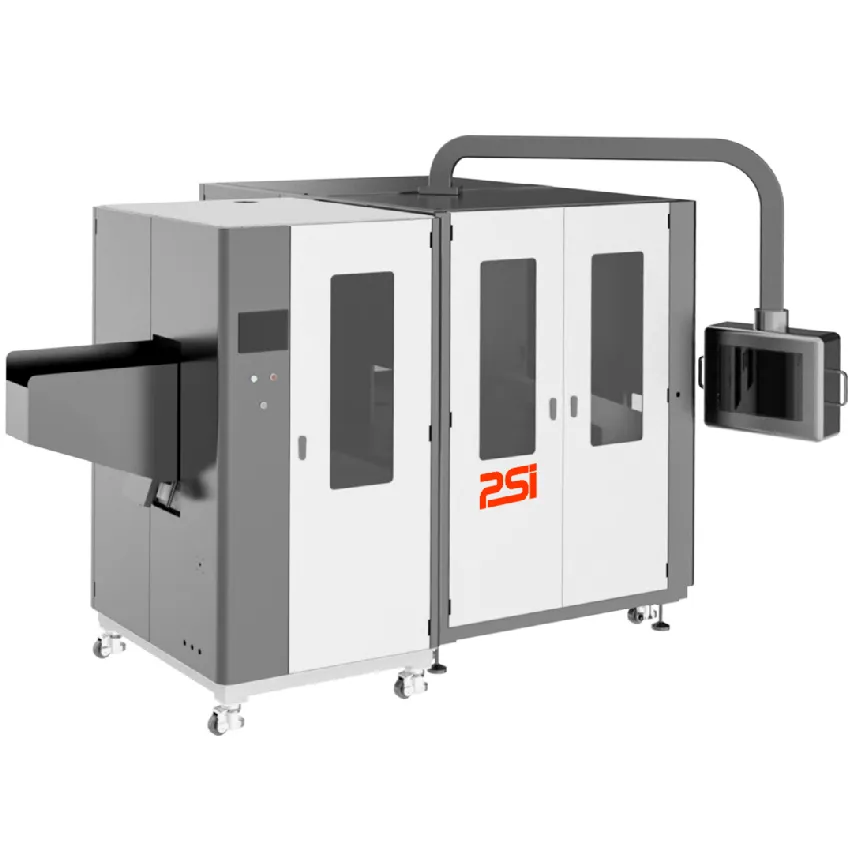
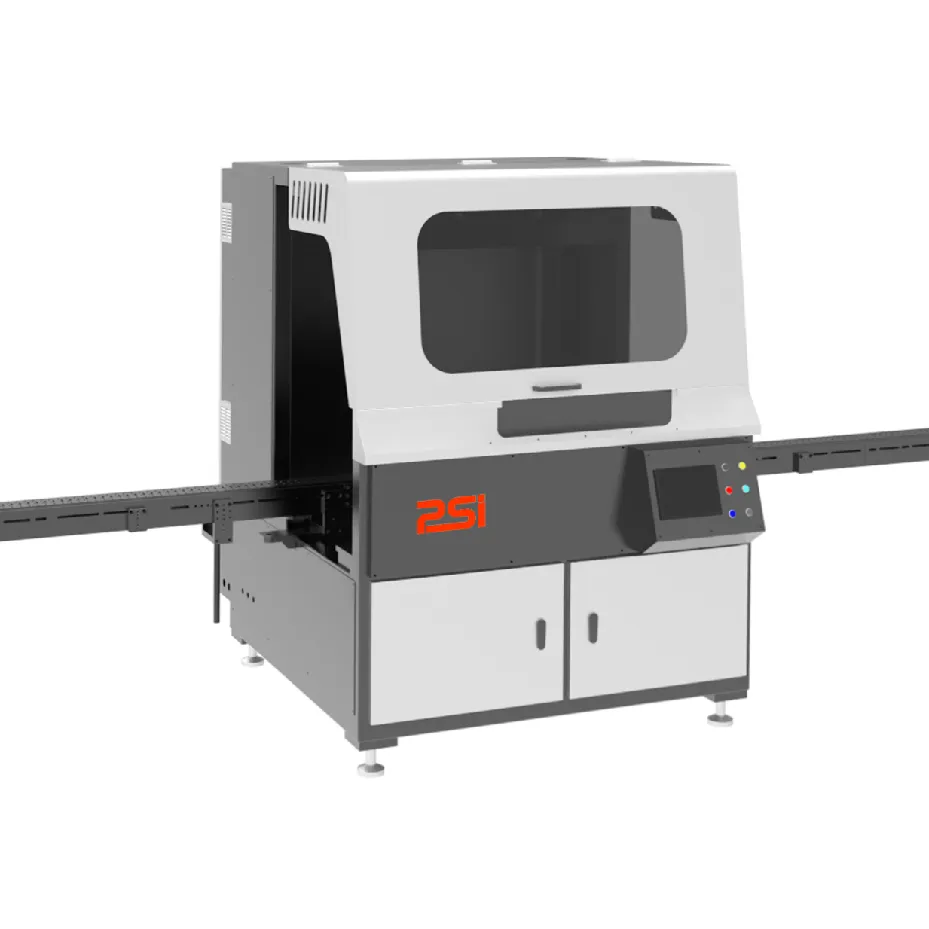
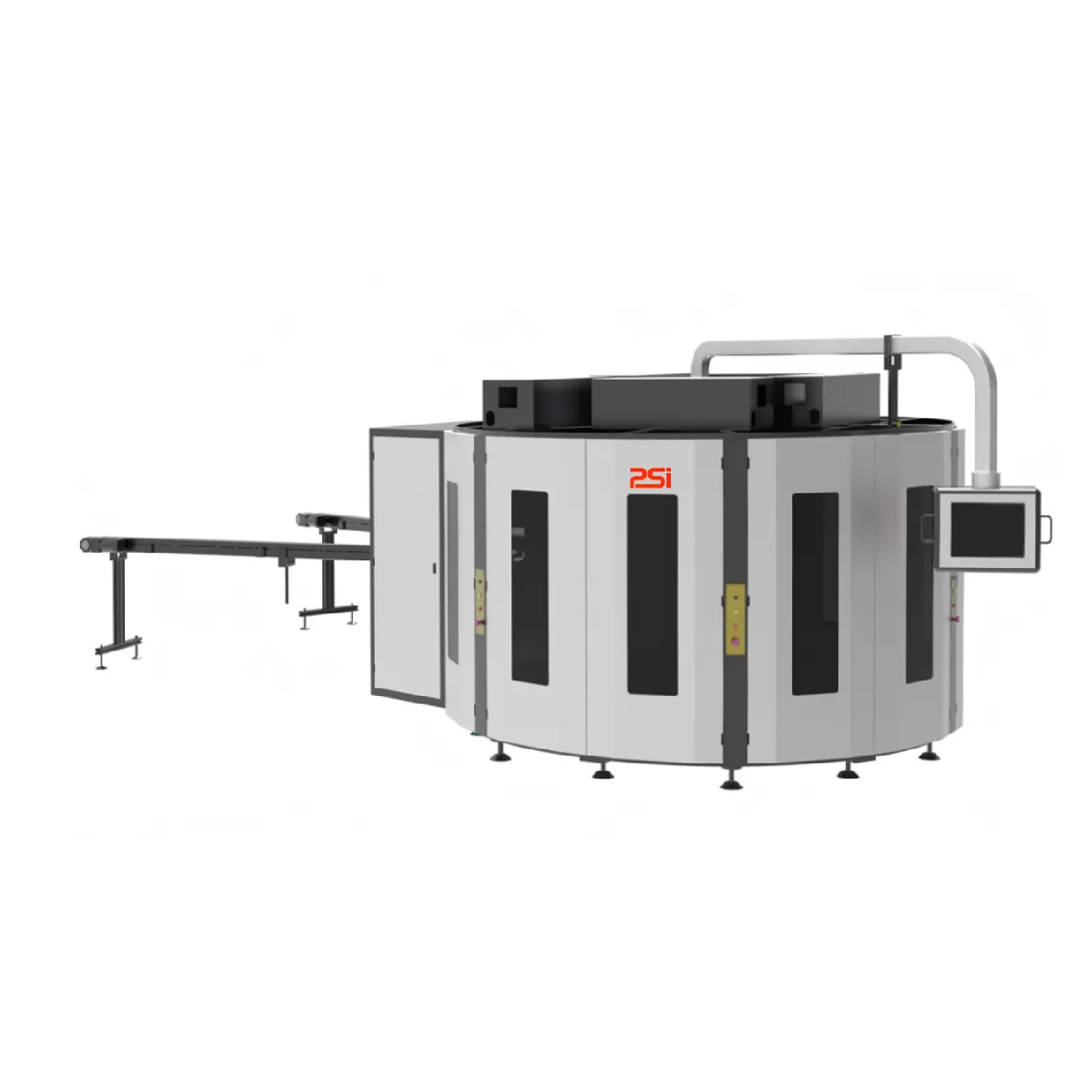
A commercial screen printing machine represents the pinnacle of modern textile and substrate decoration technology, engineered to deliver exceptional print quality while maximizing production efficiency. These sophisticated systems transform raw materials into professionally branded merchandise through precise ink application processes. The commercial screen printing machine operates using a mesh screen stretched over a rigid frame, where specialized inks pass through designated openings to create vibrant, durable designs on various surfaces including textiles, plastics, metals, and paper products. The fundamental mechanism involves positioning the substrate beneath the screen, applying ink to the mesh surface, and using a squeegee to force ink through open areas onto the material below. Modern commercial screen printing machines incorporate advanced registration systems that ensure perfect alignment across multiple colors, enabling complex multi-layered designs with exceptional precision. The technological backbone includes pneumatic or servo-driven squeegee systems that maintain consistent pressure and speed throughout the printing cycle. Temperature control mechanisms manage ink viscosity and curing processes, while automated substrate feeding systems streamline material handling. These machines feature adjustable print heads accommodating various substrate thicknesses and surface textures. Digital control panels provide operators with real-time monitoring capabilities, tracking production metrics, ink consumption, and quality parameters. The commercial screen printing machine excels in producing large quantities of identical prints, making it indispensable for promotional merchandise, corporate apparel, signage, and packaging applications. Advanced models incorporate quick-change screen systems that minimize setup time between different designs or colors. Vacuum tables secure substrates during printing, preventing movement that could compromise print quality. The versatility extends to specialty inks including metallics, glow-in-the-dark formulations, and eco-friendly water-based alternatives. Quality assurance features include optical sensors that detect registration errors and automatic rejection systems for defective prints. These comprehensive capabilities position the commercial screen printing machine as an essential tool for businesses seeking professional-grade output with operational efficiency.
New Product Recommendations

The commercial screen printing machine delivers unmatched production speed that transforms business operations by processing hundreds of units per hour, significantly outpacing manual methods and smaller desktop alternatives. This enhanced throughput directly translates to increased revenue potential and faster order fulfillment, enabling businesses to accept larger contracts and meet tight deadlines with confidence. The precision engineering ensures consistent print quality across every single item, eliminating the variations commonly associated with hand-printing techniques. Every commercial screen printing machine incorporates advanced registration systems that maintain perfect color alignment, producing professional results that enhance brand credibility and customer satisfaction. The substantial cost savings become apparent through reduced labor requirements, as one operator can manage output that would typically require multiple workers using traditional methods. Ink efficiency represents another significant advantage, as the commercial screen printing machine optimizes ink usage through controlled application systems, reducing waste and lowering material costs per unit produced. The durability of prints created by these machines surpasses alternative printing methods, with inks penetrating deeply into substrates to create long-lasting designs that withstand repeated washing, exposure to elements, and heavy use. This durability reduces customer complaints and returns, protecting business reputation while building customer loyalty. Versatility stands as a cornerstone benefit, allowing operators to print on diverse materials ranging from cotton and polyester fabrics to rigid substrates like metal, glass, and plastic components. The commercial screen printing machine adapts to various ink types including specialty formulations for specific applications such as outdoor signage or food-safe packaging. Setup flexibility enables quick transitions between different designs, colors, and substrate types, maximizing machine utilization and responding rapidly to changing customer demands. Maintenance requirements remain minimal due to robust construction and quality components, ensuring consistent operation with reduced downtime and repair costs. The scalability allows businesses to grow production capacity without proportional increases in operational complexity. Training requirements are reasonable, with most operators achieving proficiency within days rather than weeks or months. The return on investment typically materializes within the first year of operation through improved efficiency, reduced labor costs, and expanded production capabilities that enable businesses to pursue previously unattainable market opportunities.

Practical Tips

Enhancing Your Brand's Impact with PSI's Cutting-Edge Inkjet Digital Printing Machines

27

Sep

Enhancing Your Brand's Impact with PSI's Cutting-Edge Inkjet Digital Printing Machines

In the domain of industrial digital printing, under the commonly used terminology of the PSI Company, high-quality inkjet digital printing machines have been successfully produced and introduced to a wide range of industries. The performance of the c...
View More
PSI Cutting-Edge Digital Inkjet and Screen Printing Machines

27

Sep

PSI Cutting-Edge Digital Inkjet and Screen Printing Machines

In today's fast-paced business environment, the impact of visual communication cannot be overstated. Brands are constantly seeking ways to stand out and connect with their audience through eye-catching designs and high-quality prints. PSI, a leading ...
View More
PSI Heat Transfer Machines:  in Customized Branding Solutions

27

Sep

PSI Heat Transfer Machines: in Customized Branding Solutions

In the realm of printing and branding, PSI  stands out as a beacon of innovation and excellence. Specializing in heat transfer machines, PSI  offers a range of products that cater to various industries, from textiles to plastics, ensuring t...
View More

Get a Free Quote

Our representative will contact you soon.
Email
Name
Company Name
Message
0/1000

commercial screen printing machine

Advanced Automatic Registration System for Flawless Multi-Color Printing

Advanced Automatic Registration System for Flawless Multi-Color Printing

The commercial screen printing machine features a revolutionary automatic registration system that eliminates the guesswork and manual adjustments traditionally required for multi-color printing projects. This sophisticated technology utilizes precision servo motors and optical sensors to achieve microscopic accuracy in color placement, ensuring that each subsequent color layer aligns perfectly with previous applications. The system continuously monitors print positioning throughout the production run, making real-time adjustments to compensate for any substrate movement or mechanical variations that could affect print quality. This level of precision becomes increasingly critical when producing complex designs featuring fine details, gradients, or photographic reproductions where even minimal misalignment would be immediately noticeable and unacceptable to customers. The automatic registration capability significantly reduces setup time by eliminating the trial-and-error process typically associated with manual registration methods, allowing operators to achieve perfect alignment within minutes rather than hours. This efficiency gain translates directly into increased profitability through higher production volumes and reduced material waste during setup procedures. The commercial screen printing machine maintains registration accuracy regardless of substrate variations, automatically compensating for thickness differences, surface irregularities, or dimensional inconsistencies that would challenge manual systems. The technology proves invaluable when transitioning between different material types or when processing mixed batches containing items of varying specifications. Quality control becomes more predictable and consistent, as the automated system eliminates human error variables that can compromise print results during long production runs. Operators benefit from reduced fatigue and stress, as they no longer need to perform constant manual adjustments or maintain intense focus on registration accuracy throughout extended printing sessions. The system includes comprehensive monitoring capabilities that alert operators to any registration drift before it affects print quality, enabling preventive corrections that maintain production flow without generating defective products. This proactive approach protects profit margins by preventing waste and ensuring that every printed item meets quality standards. The automatic registration system also enables the commercial screen printing machine to handle more complex projects that would be impractical or impossible with manual equipment, expanding business opportunities into higher-value markets requiring exceptional precision and quality standards.
High-Speed Production Capability with Consistent Quality Output

High-Speed Production Capability with Consistent Quality Output

The commercial screen printing machine transforms production environments through its exceptional high-speed capabilities that maintain unwavering quality standards throughout extended operation periods. This advanced equipment processes substrates at rates exceeding 1000 impressions per hour, depending on design complexity and substrate characteristics, representing a dramatic improvement over manual methods that typically achieve only 50-100 pieces hourly with comparable quality levels. The speed advantage stems from precisely engineered mechanical components including high-torque servo drives, optimized squeegee systems, and streamlined substrate handling mechanisms that work in perfect synchronization to minimize cycle times while maximizing print precision. Each commercial screen printing machine incorporates sophisticated motion control algorithms that optimize acceleration and deceleration profiles, reducing mechanical stress while maintaining peak performance throughout the production cycle. The consistent quality output results from advanced pressure regulation systems that maintain uniform squeegee force across the entire print area, ensuring identical ink deposit characteristics for every impression regardless of production speed or duration. Temperature management systems preserve optimal ink viscosity and curing conditions, preventing quality variations that could occur due to environmental changes or extended operation periods. The high-speed capability enables businesses to accept larger orders with confidence, knowing they can deliver substantial quantities within compressed timeframes without compromising quality standards that customers expect. This production capacity expansion often leads to economies of scale that improve per-unit profitability while making businesses more competitive in bid situations against competitors using slower equipment. The commercial screen printing machine includes intelligent monitoring systems that continuously assess print quality parameters during high-speed operation, automatically adjusting settings to maintain optimal results without operator intervention. This autonomous quality management eliminates the traditional trade-off between speed and quality that characterizes many manufacturing processes. Maintenance intervals are optimized for high-volume operation, with component specifications designed to withstand the demands of continuous production without premature wear or performance degradation. The reliability ensures that businesses can commit to aggressive delivery schedules with confidence, building reputation for dependability that generates repeat customers and referral opportunities. Energy efficiency remains optimized even at peak production speeds, controlling operational costs that might otherwise offset the benefits of increased throughput.
Versatile Substrate Compatibility and Multi-Application Flexibility

Versatile Substrate Compatibility and Multi-Application Flexibility

The commercial screen printing machine excels in its remarkable versatility to accommodate an extensive range of substrates and applications, making it an invaluable asset for businesses seeking to diversify their service offerings and market reach. This exceptional adaptability extends far beyond traditional textile printing to encompass rigid materials such as metal sheets, plastic components, glass panels, ceramic tiles, and composite materials used in industrial applications. The machine's adjustable print bed systems accommodate substrates ranging from paper-thin materials to items several inches thick, while maintaining consistent print quality across this diverse thickness spectrum. Specialized clamping and vacuum systems secure irregularly shaped items during the printing process, enabling decoration of three-dimensional objects that would challenge other printing technologies. The commercial screen printing machine supports various ink chemistries including standard plastisols, water-based formulations, UV-curable inks, conductive inks for electronic applications, and specialty compounds for unique effects such as thermochromic or photochromic properties. This ink compatibility opens opportunities in electronics manufacturing, automotive component marking, architectural signage, and artistic applications that require specialized material properties. The temperature control systems adapt to different ink curing requirements, from ambient air-dry formulations to high-temperature cure cycles exceeding 300 degrees Fahrenheit, ensuring optimal adhesion and durability regardless of the chosen ink system. Quick-change tooling systems enable rapid transitions between different substrate types and sizes, maximizing equipment utilization by minimizing setup time between diverse job requirements. The commercial screen printing machine includes modular components that can be reconfigured for specific applications such as cylindrical printing for bottles and tubes, or flat-bed printing for sheets and panels. This modularity extends the machine's useful life by allowing upgrades and modifications as business needs evolve or new market opportunities emerge. Quality assurance systems adapt automatically to different substrate characteristics, adjusting pressure, speed, and ink deposit parameters to optimize results for each material type without requiring extensive operator expertise or trial-and-error procedures. The versatility enables businesses to serve multiple market segments from a single equipment investment, improving return on investment while reducing the facility space and maintenance overhead associated with operating multiple specialized machines for different applications.