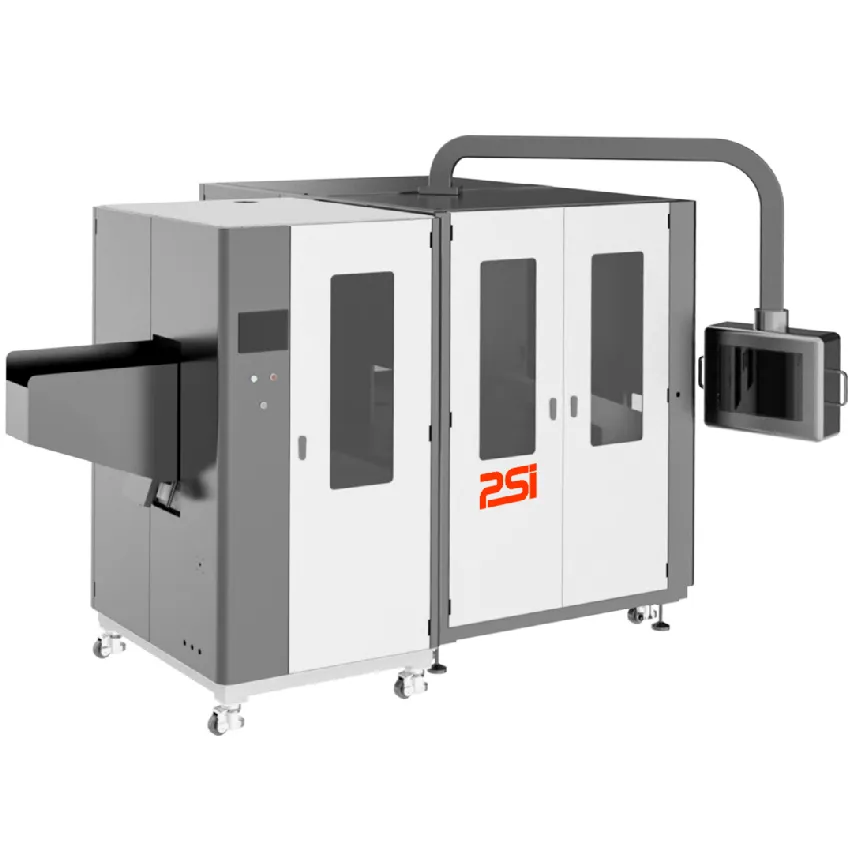
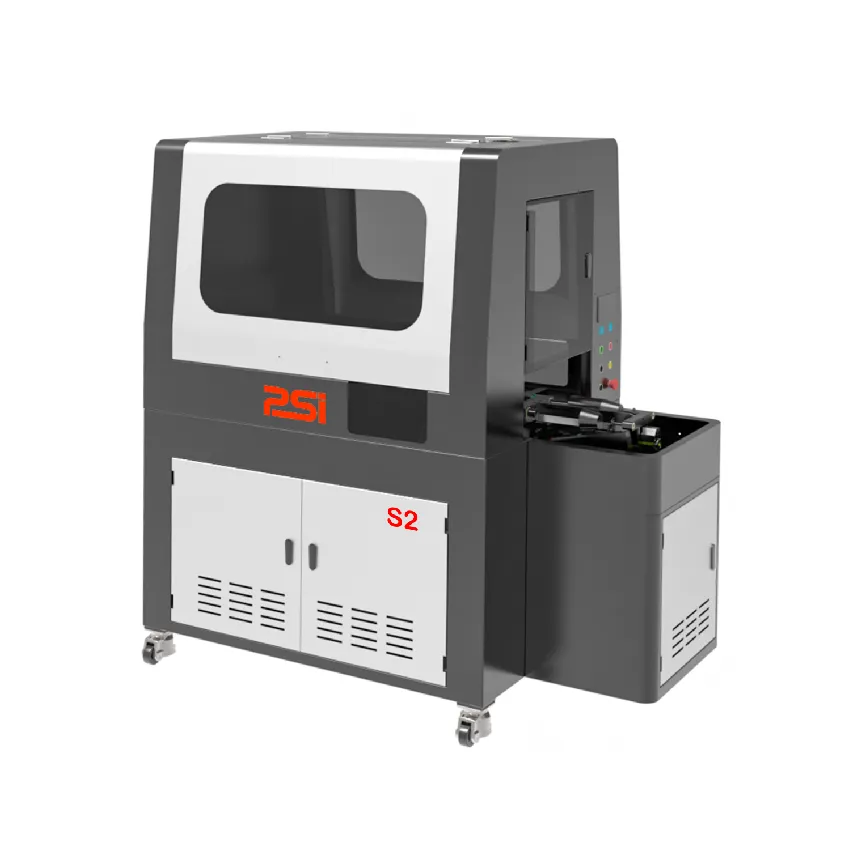
Multi-Substrate Compatibility Expands Business Opportunities
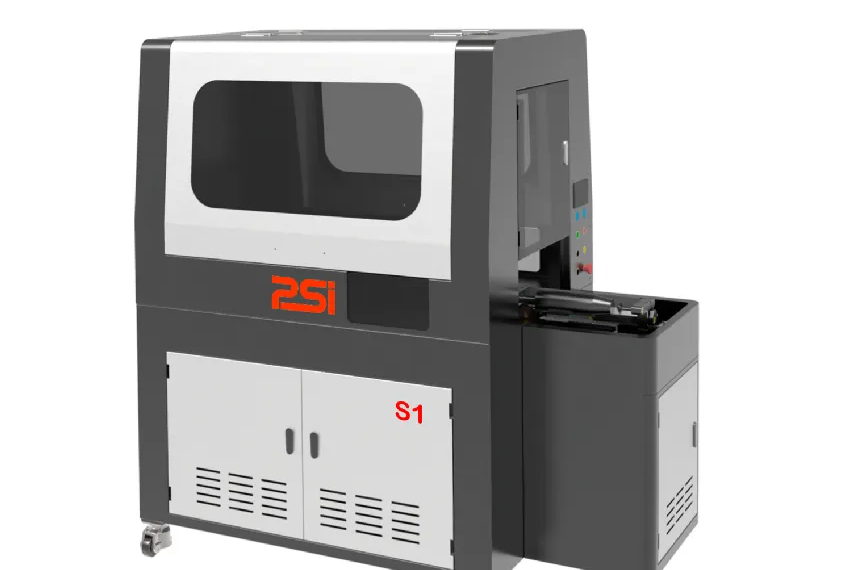
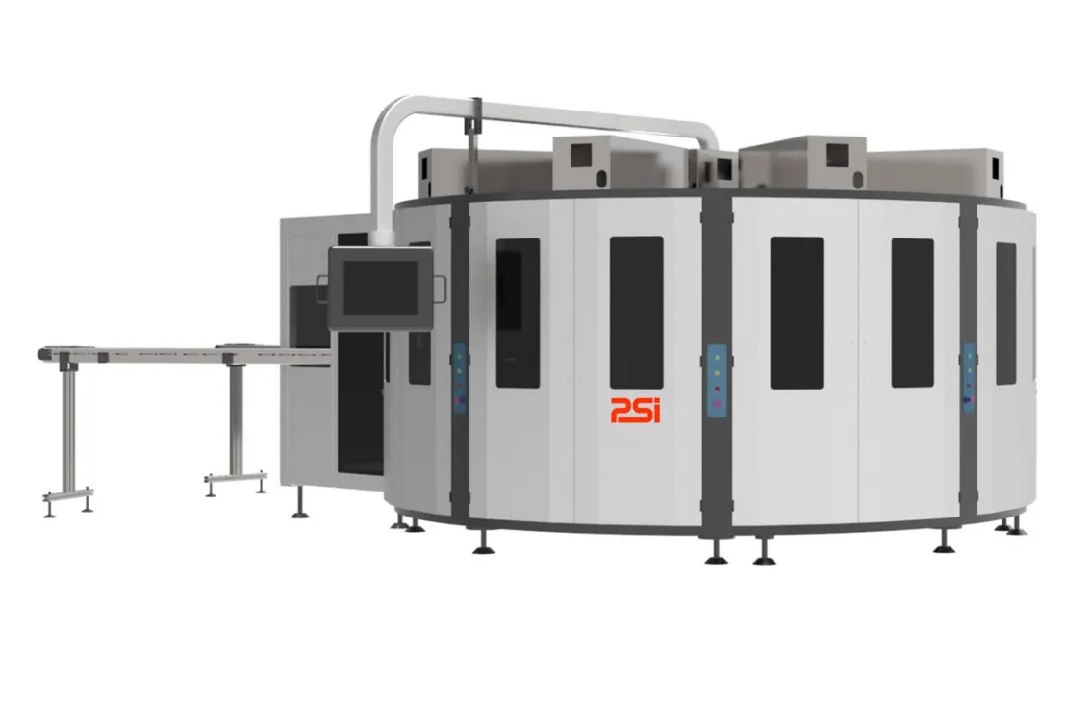
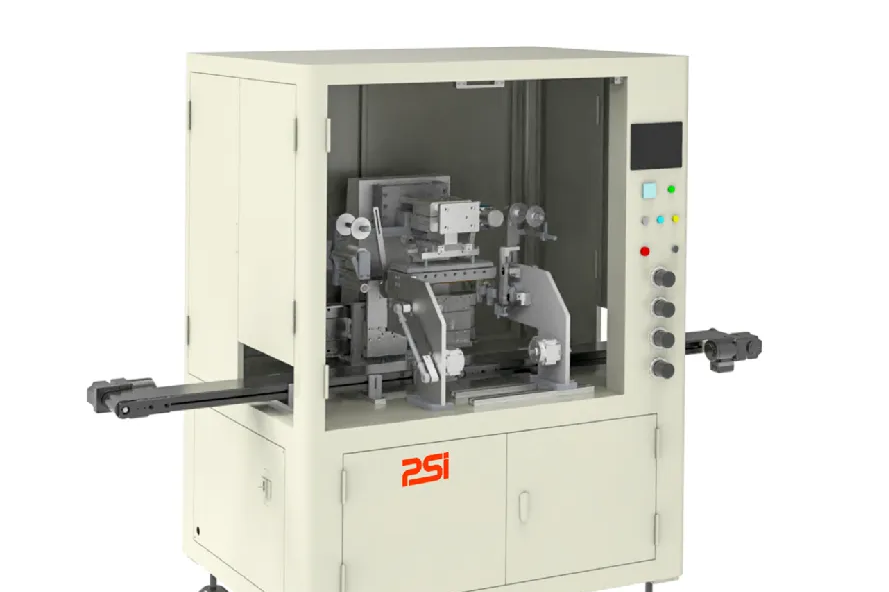
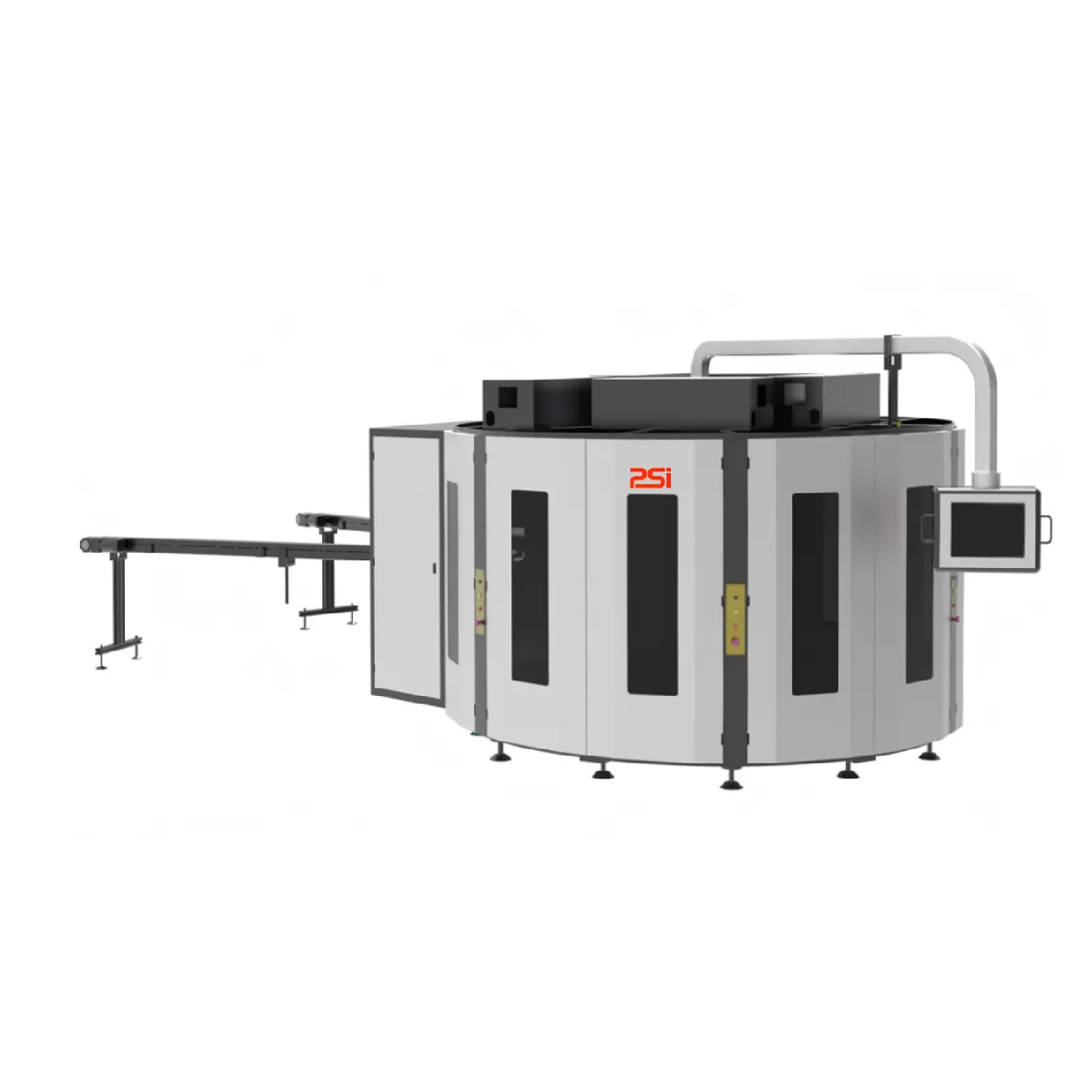
The latest screen printing machine demonstrates exceptional versatility through its ability to handle an unprecedented range of substrate materials, opening new revenue streams and market opportunities for printing businesses. This advanced equipment accommodates everything from delicate fabrics and flexible films to rigid plastics and metal surfaces, all without requiring time-consuming changeovers or specialized attachments. The machine's adjustable vacuum hold-down system securely grips materials of varying thicknesses, from ultra-thin films measuring just 0.1mm to thick substrates exceeding 25mm, ensuring stable positioning throughout the printing process. Temperature-controlled platens maintain optimal conditions for different material types, preventing warping, shrinkage, or other distortions that can compromise print quality. The precision registration system adapts automatically to different substrate sizes and shapes, maintaining perfect alignment whether printing on standard rectangular sheets or complex die-cut forms. Specialized squeegee profiles and pressure settings optimize ink transfer for each material type, ensuring proper adhesion and coverage without damaging delicate surfaces or overpenetrating porous materials. The machine handles both flat and slightly curved surfaces, expanding possibilities for printing on bottles, tubes, and other three-dimensional objects. Quick-release substrate guides allow operators to switch between different material types in minutes rather than hours, maximizing production time and enabling businesses to accept diverse orders without scheduling complications. The latest screen printing machine supports various substrate feeding methods, including manual loading, semi-automatic feeding, and fully automated material handling systems that maintain consistent registration and positioning. Quality control sensors automatically adjust printing parameters based on substrate characteristics, ensuring optimal results regardless of material composition or surface texture. This versatility allows printing businesses to serve multiple industries simultaneously, from textiles and packaging to electronics and automotive applications, significantly expanding their customer base and reducing dependence on any single market segment. The ability to process diverse materials with consistent quality positions businesses to capitalize on emerging trends and specialized applications that command premium pricing.
 EN
EN
 AR
AR FR
FR DE
DE HI
HI IT
IT JA
JA KO
KO PT
PT RU
RU ES
ES IW
IW ID
ID VI
VI TH
TH TR
TR FA
FA