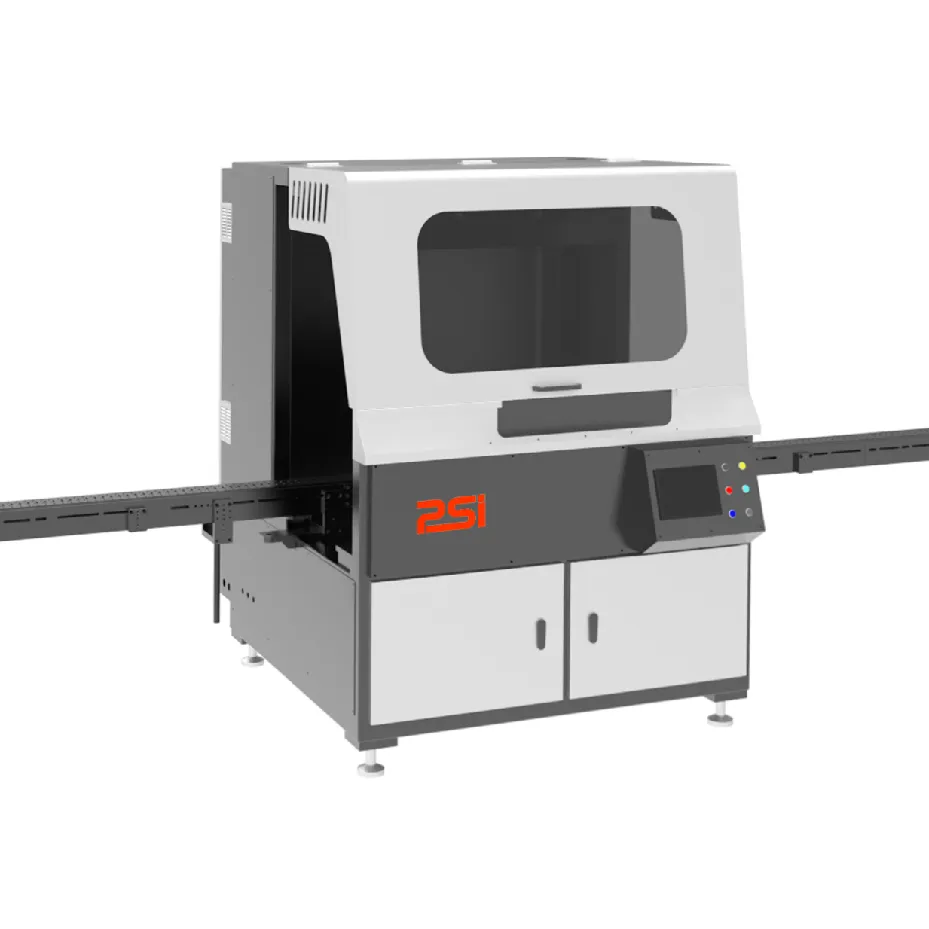
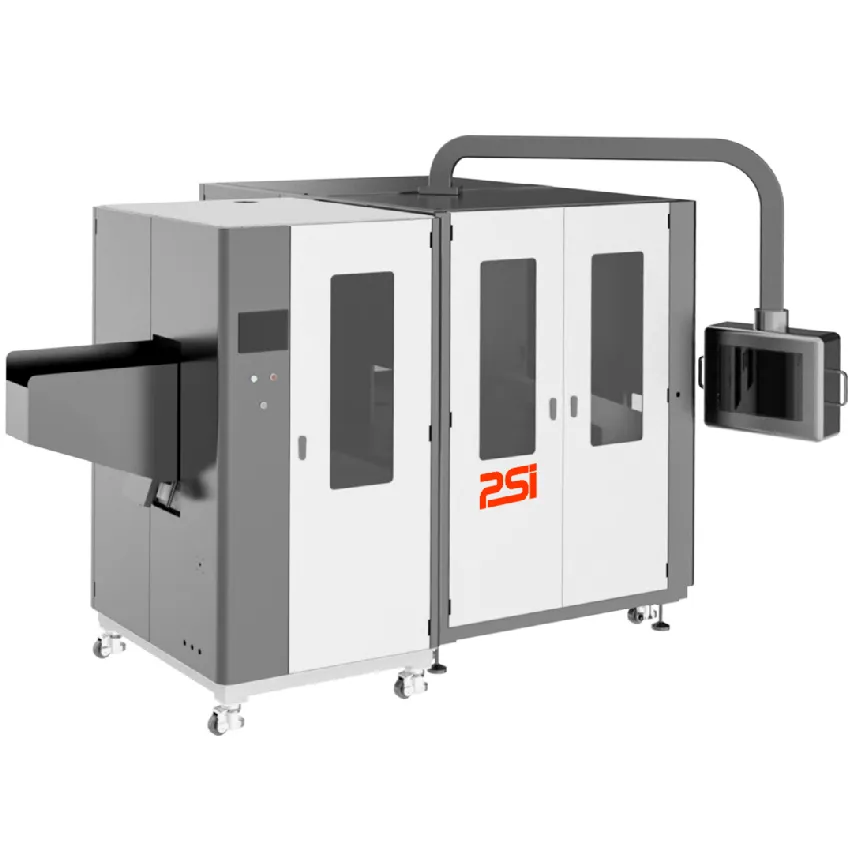
custom hot stamping machine
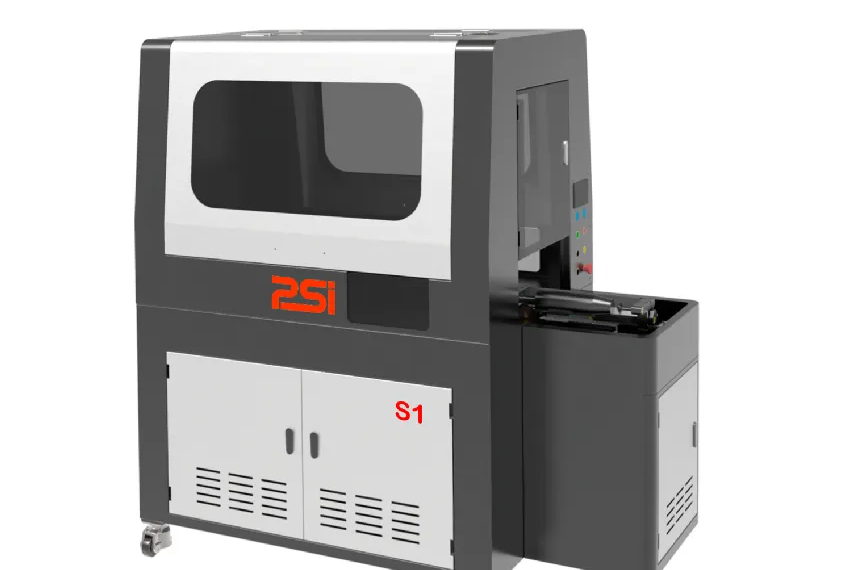
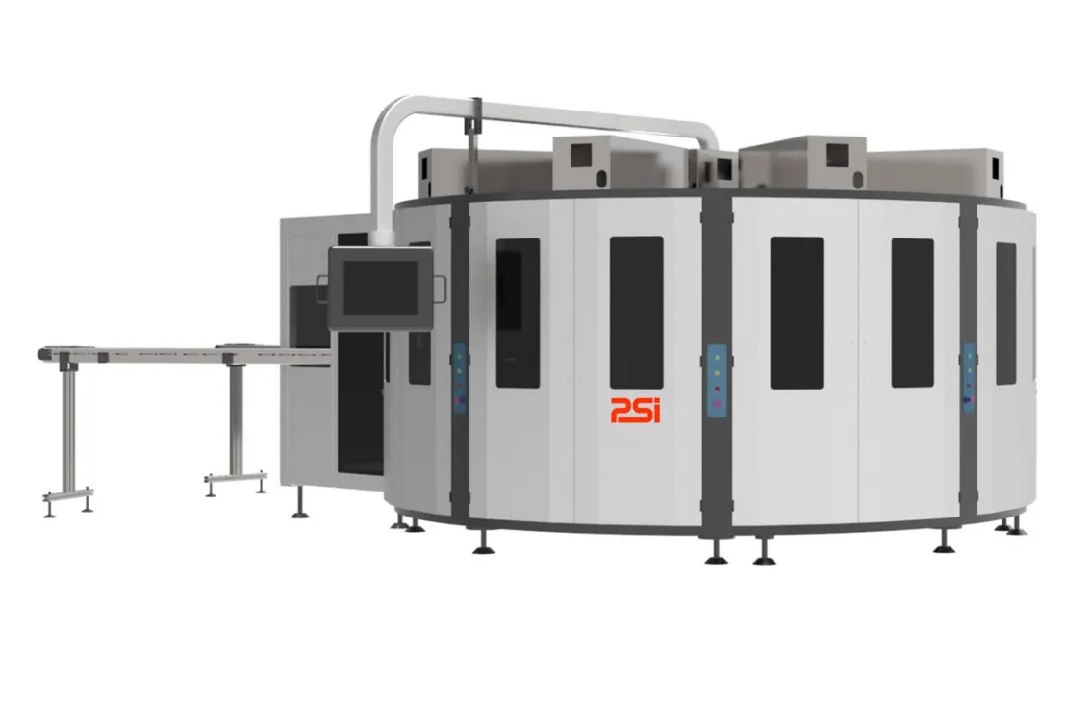
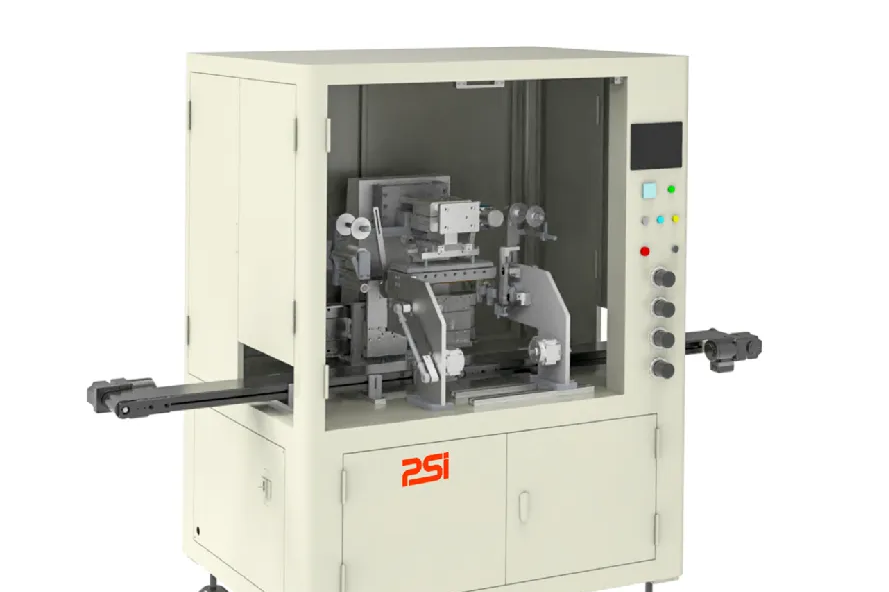
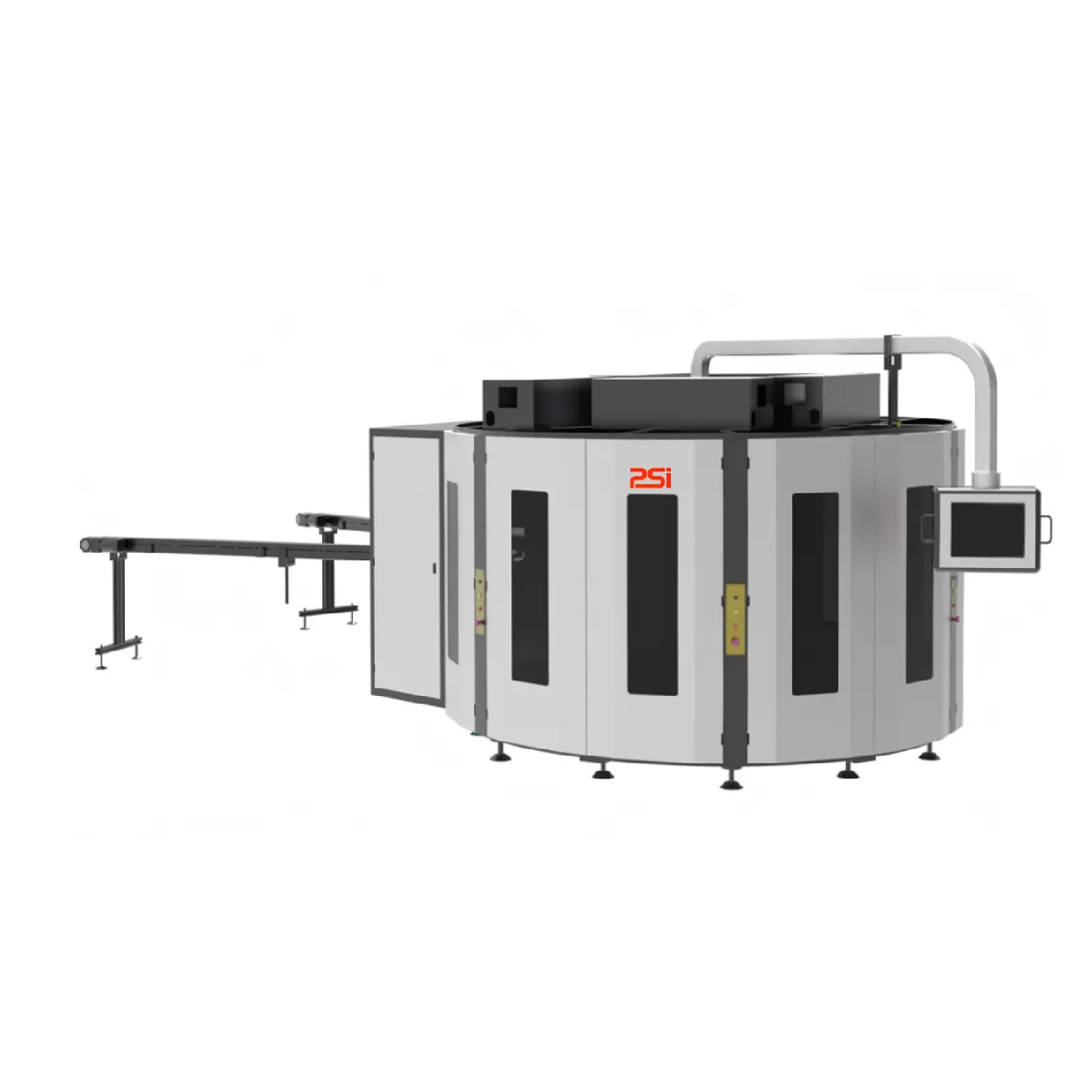
A custom hot stamping machine represents a specialized manufacturing solution designed to transfer metallic or colored foils onto various substrates through controlled heat and pressure application. This sophisticated equipment utilizes precise temperature control systems, typically ranging from 80°C to 400°C, combined with adjustable pressure mechanisms to ensure optimal foil adhesion. The custom hot stamping machine incorporates advanced digital controls that allow operators to fine-tune parameters including temperature, pressure, and dwell time for different materials and applications. The machine's modular design enables manufacturers to configure specific tooling arrangements, heating elements, and feeding systems according to their unique production requirements. Modern custom hot stamping machines feature automated feeding mechanisms, computerized control panels, and safety interlocks to ensure consistent quality output while maintaining operator safety. The technological framework includes servo-driven positioning systems that guarantee precise registration and repeatability across production runs. These machines accommodate various substrate materials including paper, cardboard, plastic films, leather, textiles, and wood products. The custom hot stamping machine's versatility extends to decorative applications, security printing, packaging enhancement, and industrial marking processes. Advanced models incorporate vision systems for quality inspection and automatic reject mechanisms for defective products. The heating system typically employs electric or gas-powered elements with uniform temperature distribution across the stamping area. Pressure application systems range from pneumatic to hydraulic configurations, providing force levels from light decorative stamping to heavy industrial applications. The custom hot stamping machine's frame construction utilizes robust materials to withstand continuous operation while maintaining dimensional accuracy. Integration capabilities allow these machines to function within automated production lines, communicating with upstream and downstream equipment through standard industrial protocols. This manufacturing solution addresses the growing demand for high-quality surface decoration and functional marking across diverse industries while offering the flexibility to adapt to changing production requirements and emerging market trends.
 EN
EN
 AR
AR FR
FR DE
DE HI
HI IT
IT JA
JA KO
KO PT
PT RU
RU ES
ES IW
IW ID
ID VI
VI TH
TH TR
TR FA
FA