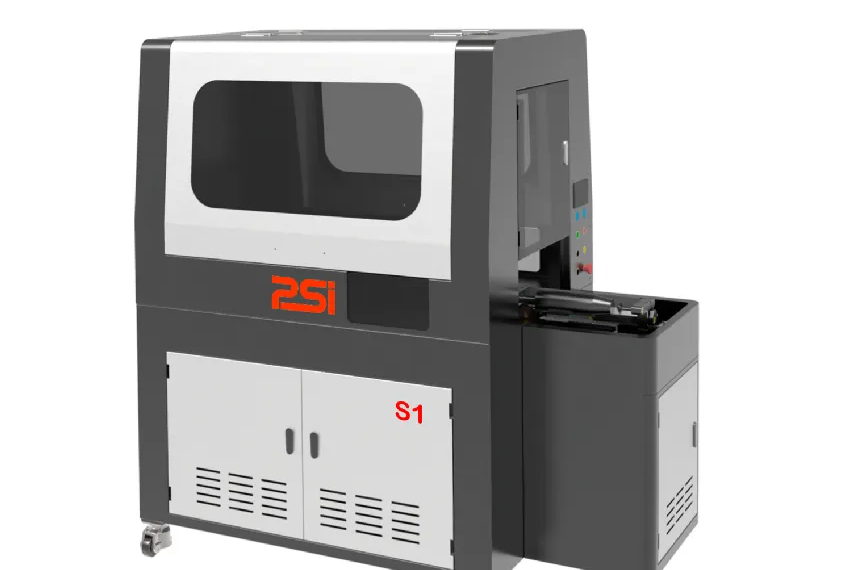
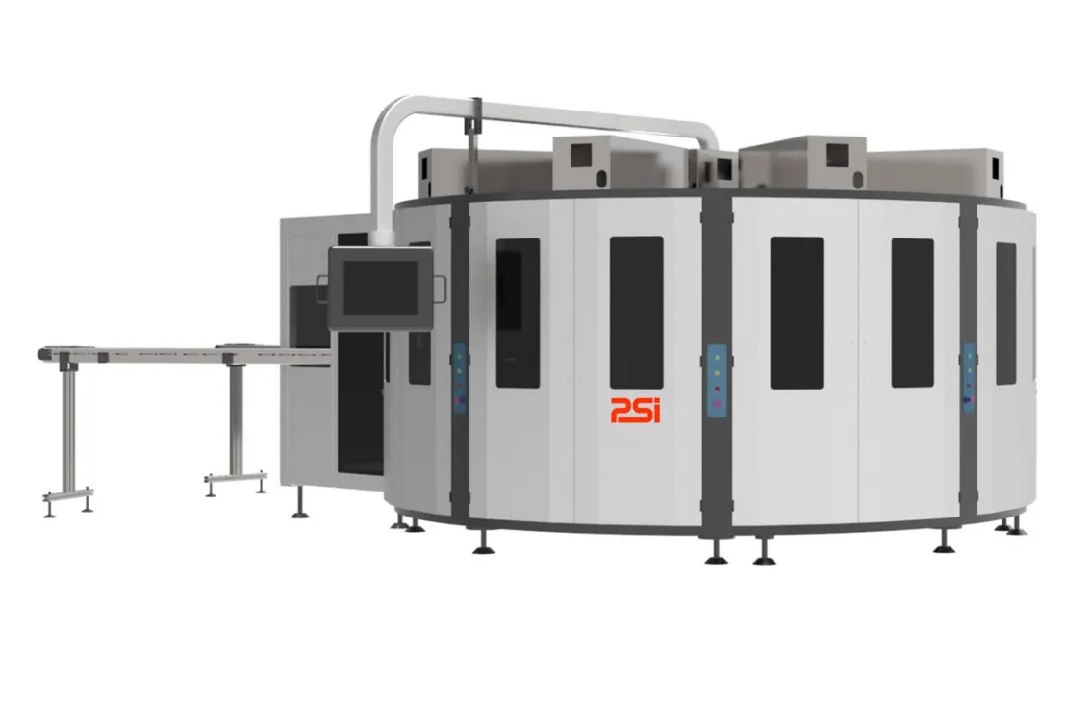
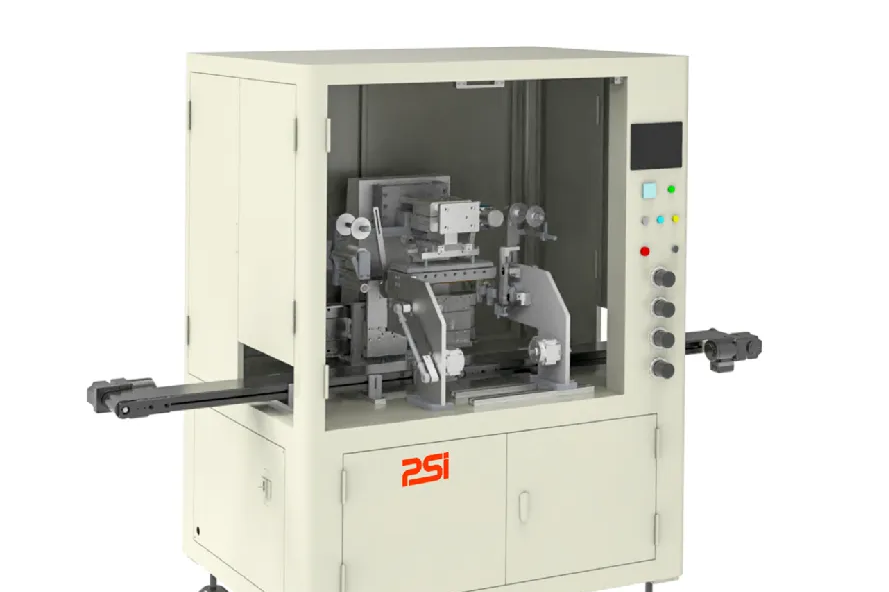
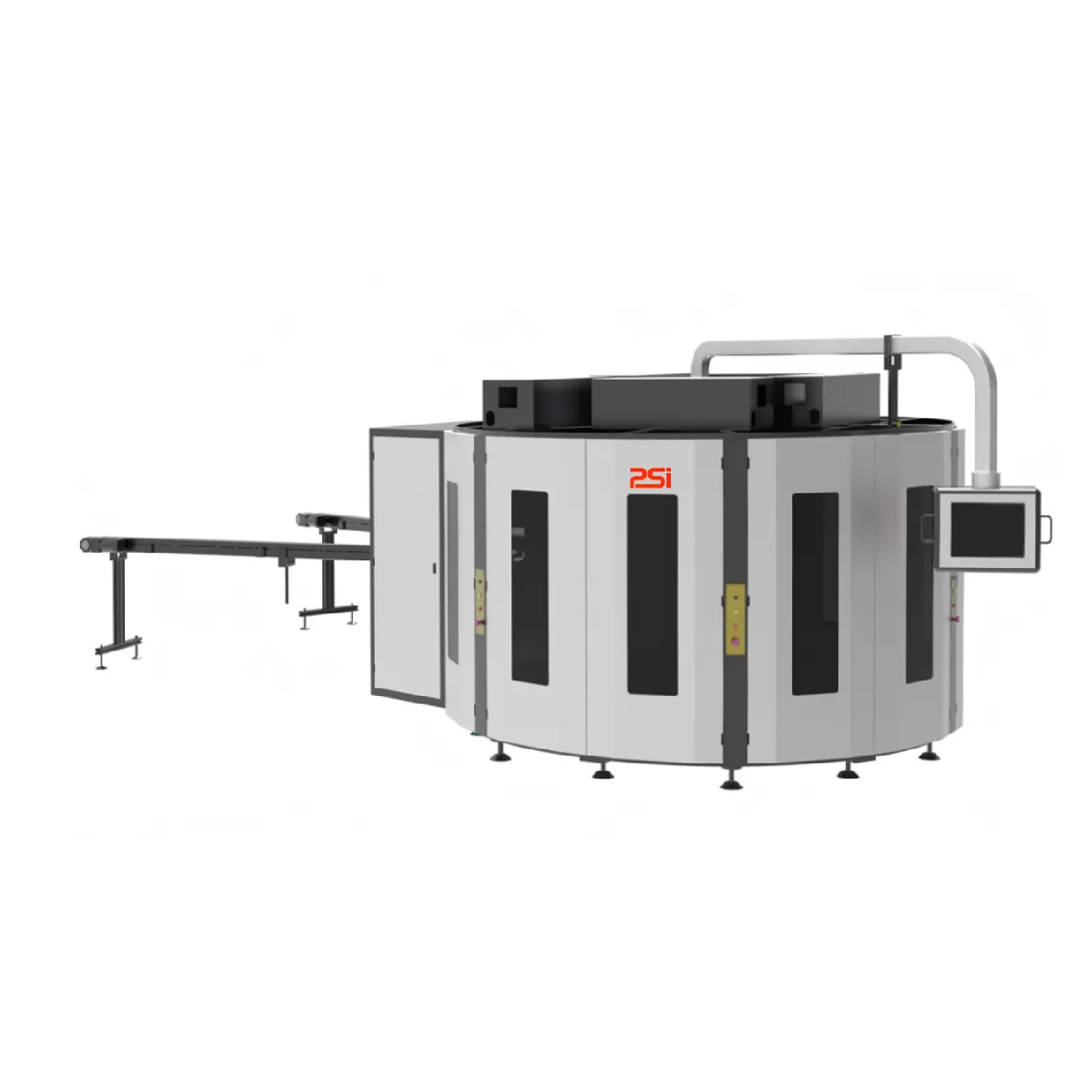
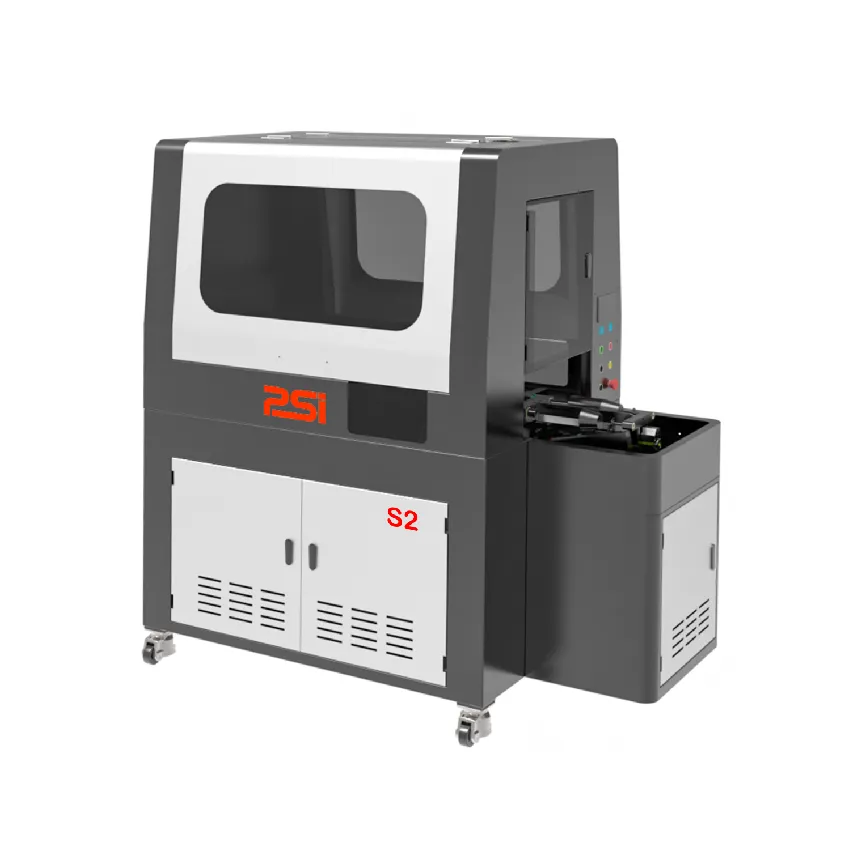
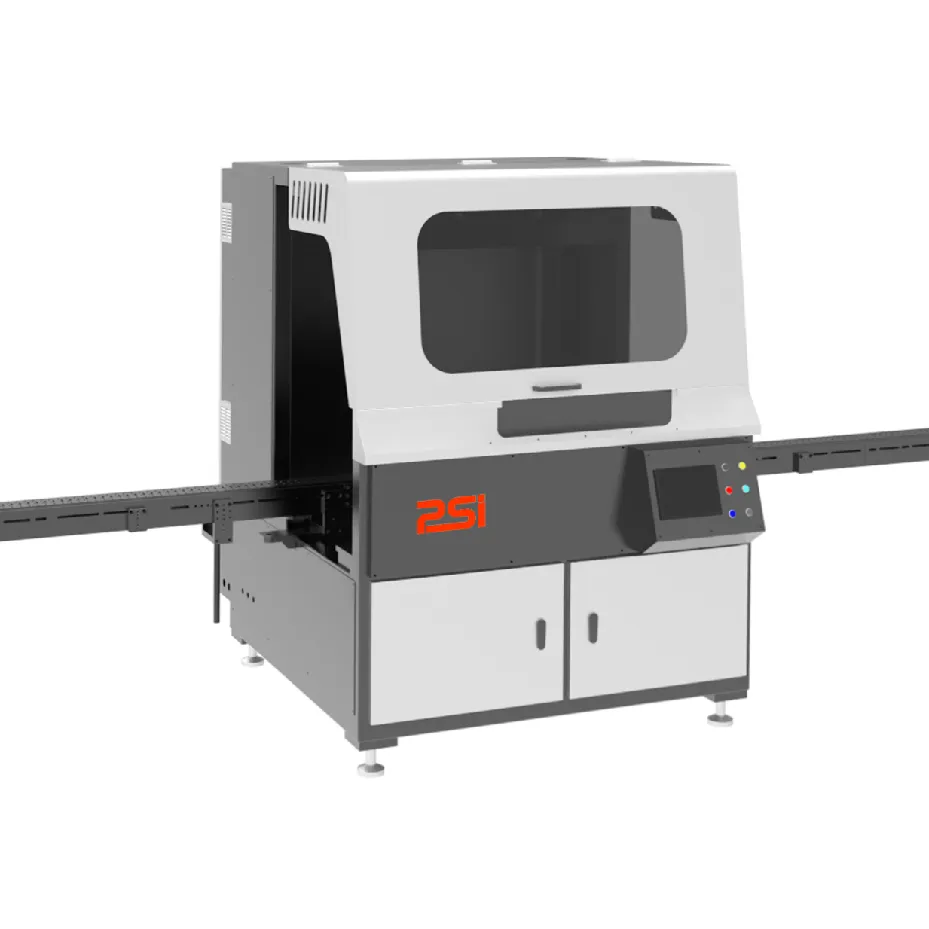
industrial hot stamping machine
An industrial hot stamping machine represents a sophisticated manufacturing solution that transforms metalworking operations through precision heat application and mechanical force. This advanced equipment utilizes controlled thermal processes to permanently imprint designs, logos, text, or decorative patterns onto metal surfaces with exceptional accuracy and consistency. The industrial hot stamping machine operates by heating specialized foils or direct contact elements to optimal temperatures, typically ranging from 150°C to 400°C, before applying predetermined pressure to create lasting impressions on workpieces. Modern systems incorporate programmable logic controllers that manage temperature regulation, pressure distribution, and timing sequences with microscopic precision. The technological framework includes servo-driven positioning systems that ensure exact alignment during each stamping cycle, while integrated safety mechanisms protect operators and prevent equipment damage. These machines accommodate various metal substrates including aluminum, steel, brass, and specialized alloys commonly used in automotive, aerospace, and consumer electronics industries. The stamping process achieves remarkable detail reproduction, enabling manufacturers to produce intricate patterns with line widths as narrow as 0.1 millimeters. Advanced models feature multi-zone heating systems that maintain uniform temperature distribution across large stamping areas, ensuring consistent quality throughout production runs. Digital control interfaces provide real-time monitoring of operational parameters, allowing operators to adjust settings instantly based on material requirements or design specifications. The industrial hot stamping machine integrates seamlessly into automated production lines through programmable communication protocols, enabling synchronized operation with upstream and downstream equipment. Quality assurance systems include integrated vision inspection capabilities that verify stamping accuracy and detect potential defects before products advance to subsequent manufacturing stages. These machines deliver exceptional versatility by accommodating both continuous roll-fed operations and individual part processing, making them suitable for high-volume production environments as well as specialized prototype development applications.
 EN
EN
 AR
AR FR
FR DE
DE HI
HI IT
IT JA
JA KO
KO PT
PT RU
RU ES
ES IW
IW ID
ID VI
VI TH
TH TR
TR FA
FA