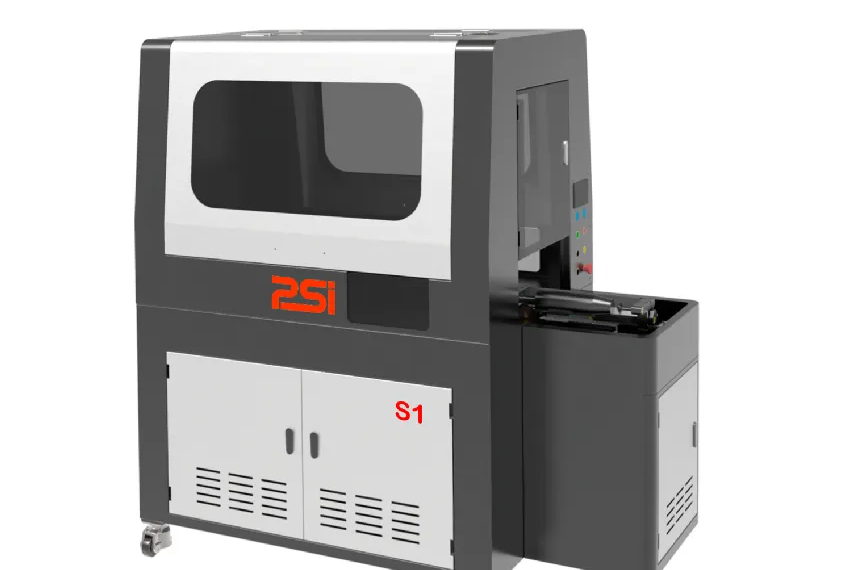
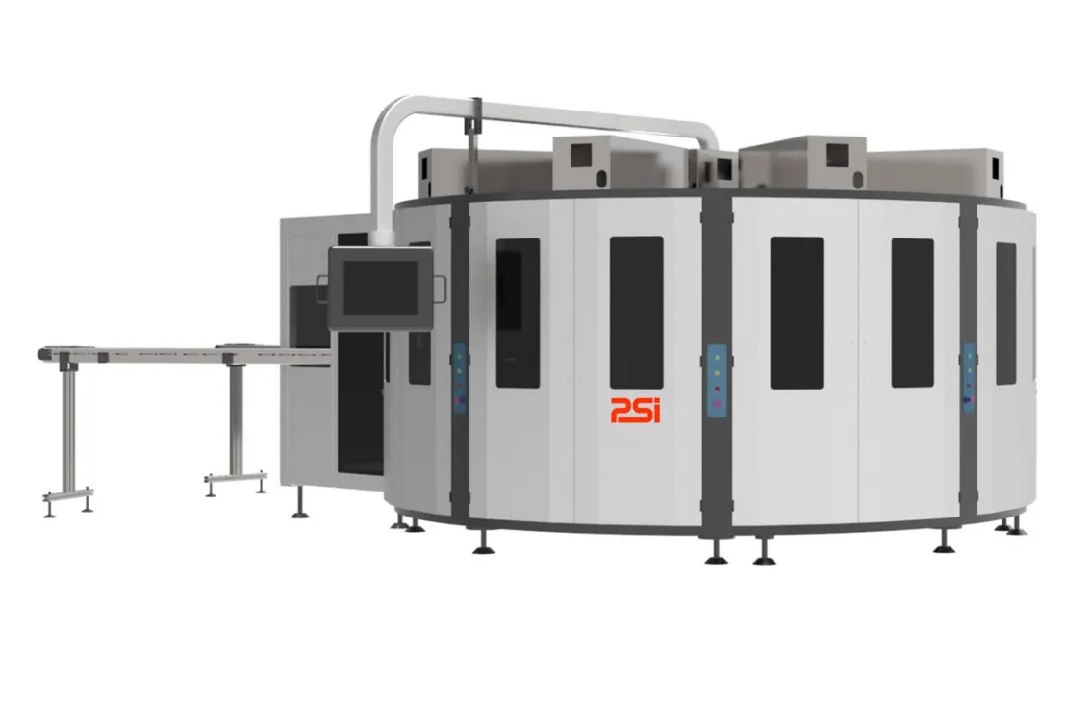
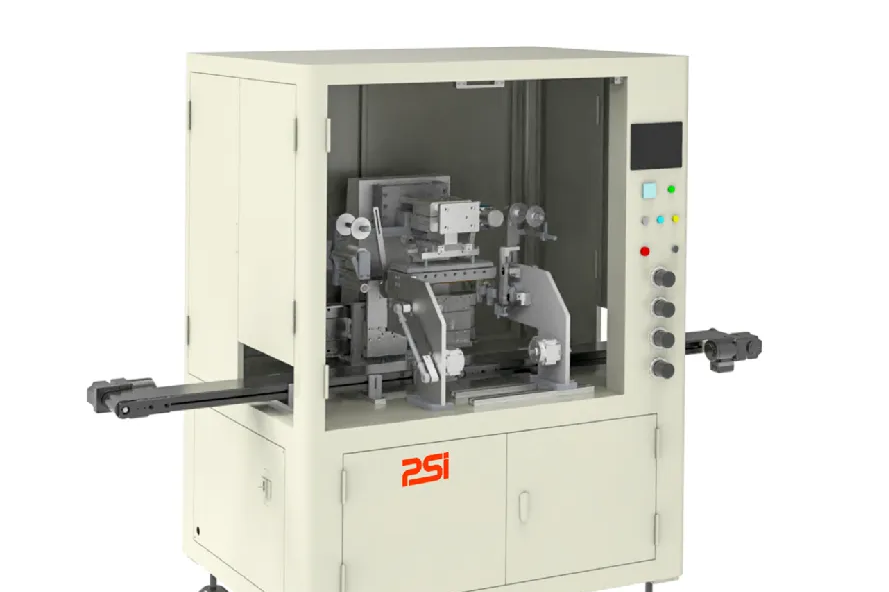
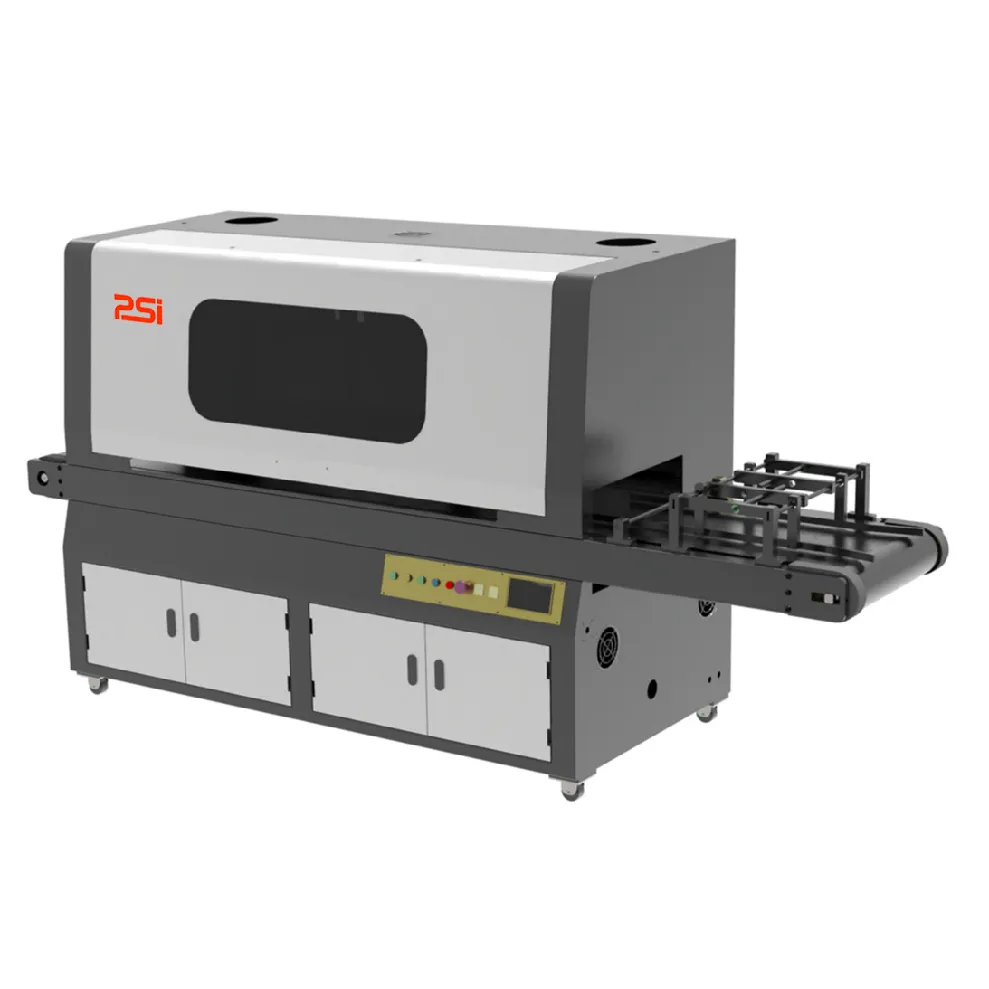
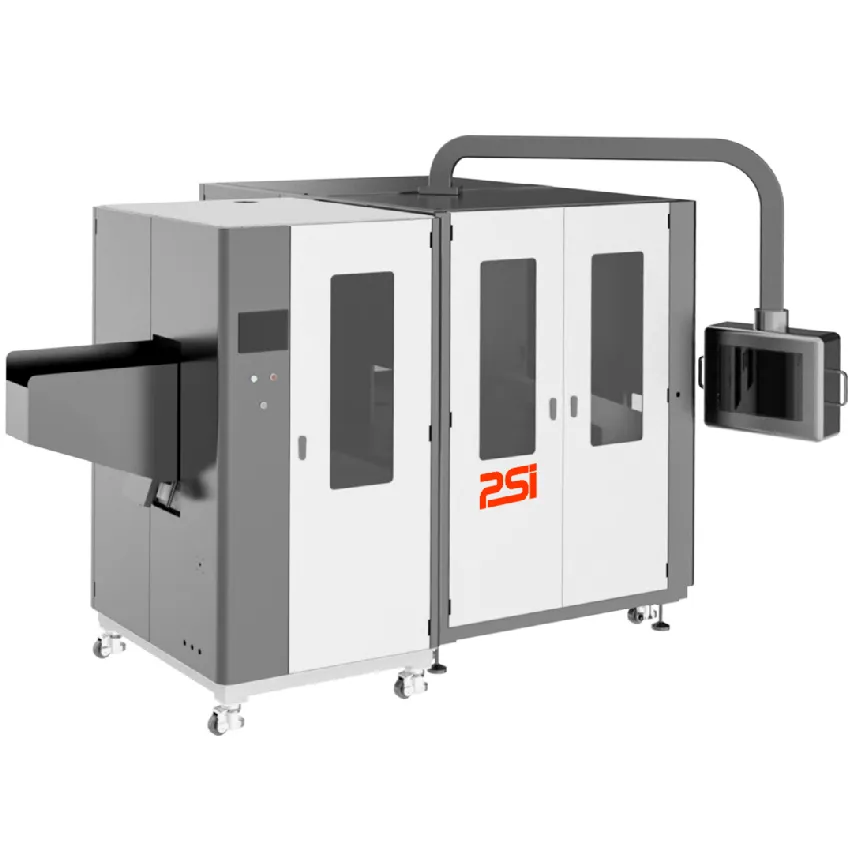
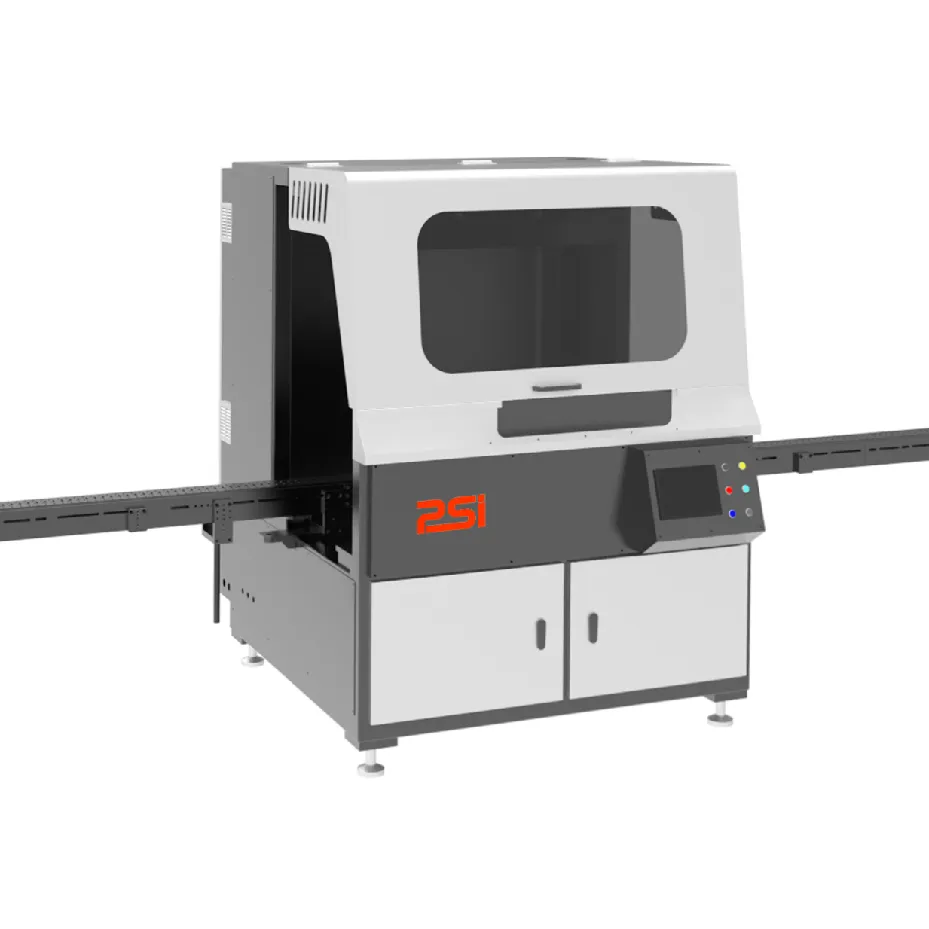
digital inkjet printer for tubes
The digital inkjet printer for tubes represents a revolutionary advancement in industrial printing technology, specifically designed to meet the demanding requirements of tube manufacturing and customization processes. This sophisticated printing system combines cutting-edge digital printing capabilities with specialized tube handling mechanisms to deliver exceptional print quality on cylindrical surfaces. The primary function of a digital inkjet printer for tubes centers around applying high-resolution graphics, text, barcodes, and variable data directly onto tube surfaces with remarkable precision and consistency. These advanced machines utilize state-of-the-art inkjet technology that can accommodate various tube materials including plastic, metal, cardboard, and composite materials. The technological features of modern digital inkjet printers for tubes include multi-color printing capabilities, variable data printing functionality, and automated tube positioning systems that ensure perfect alignment during the printing process. Advanced models incorporate sophisticated software solutions that enable seamless integration with existing production lines and quality control systems. The printing resolution typically ranges from 300 to 1200 DPI, ensuring crisp and vibrant output suitable for demanding applications. Applications for digital inkjet printers for tubes span across numerous industries including cosmetics, pharmaceuticals, food and beverage, automotive, and industrial manufacturing. In the cosmetics industry, these printers create stunning product labels and promotional graphics on tubes containing creams, lotions, and other beauty products. Pharmaceutical companies rely on digital inkjet printers for tubes to print critical information such as dosage instructions, expiration dates, and regulatory compliance data. The food and beverage sector utilizes these machines for printing nutritional information, branding elements, and promotional campaigns on various tube packaging formats. Industrial applications include printing technical specifications, safety warnings, and identification codes on tubes used in manufacturing processes.
 EN
EN
 AR
AR FR
FR DE
DE HI
HI IT
IT JA
JA KO
KO PT
PT RU
RU ES
ES IW
IW ID
ID VI
VI TH
TH TR
TR FA
FA