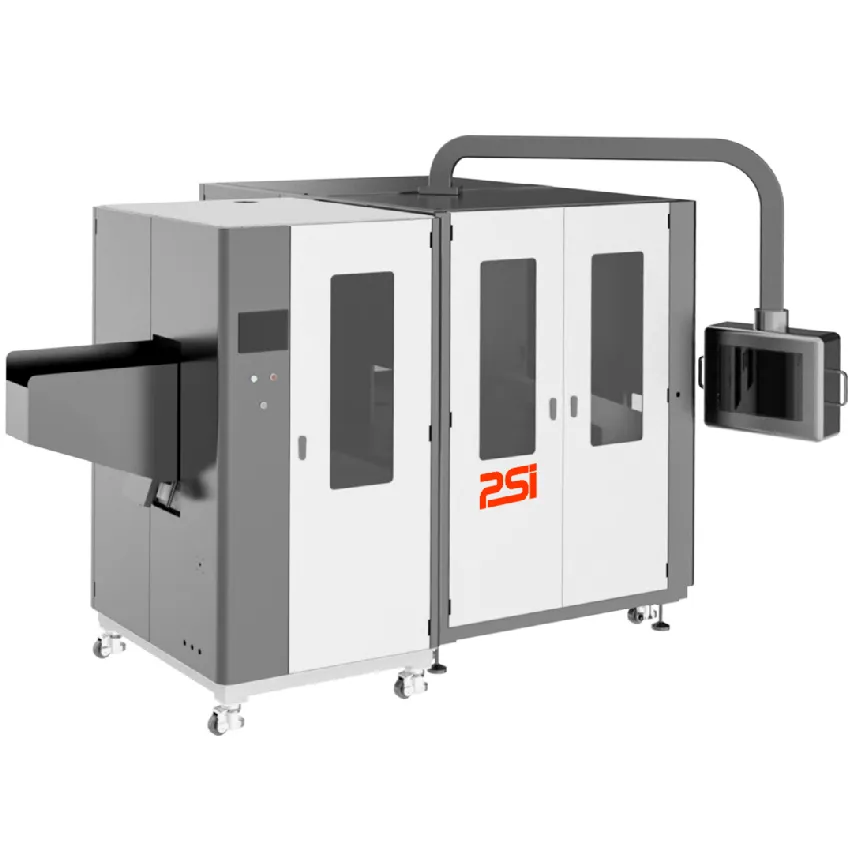
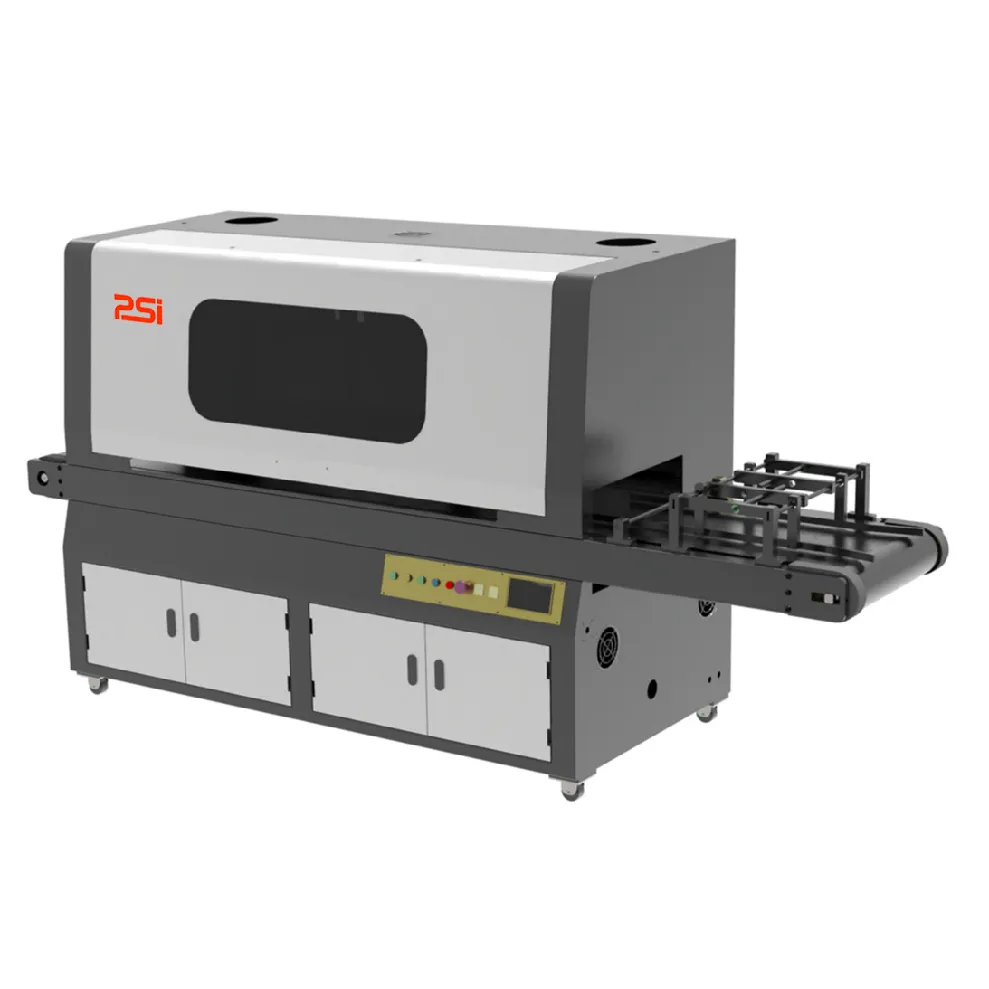
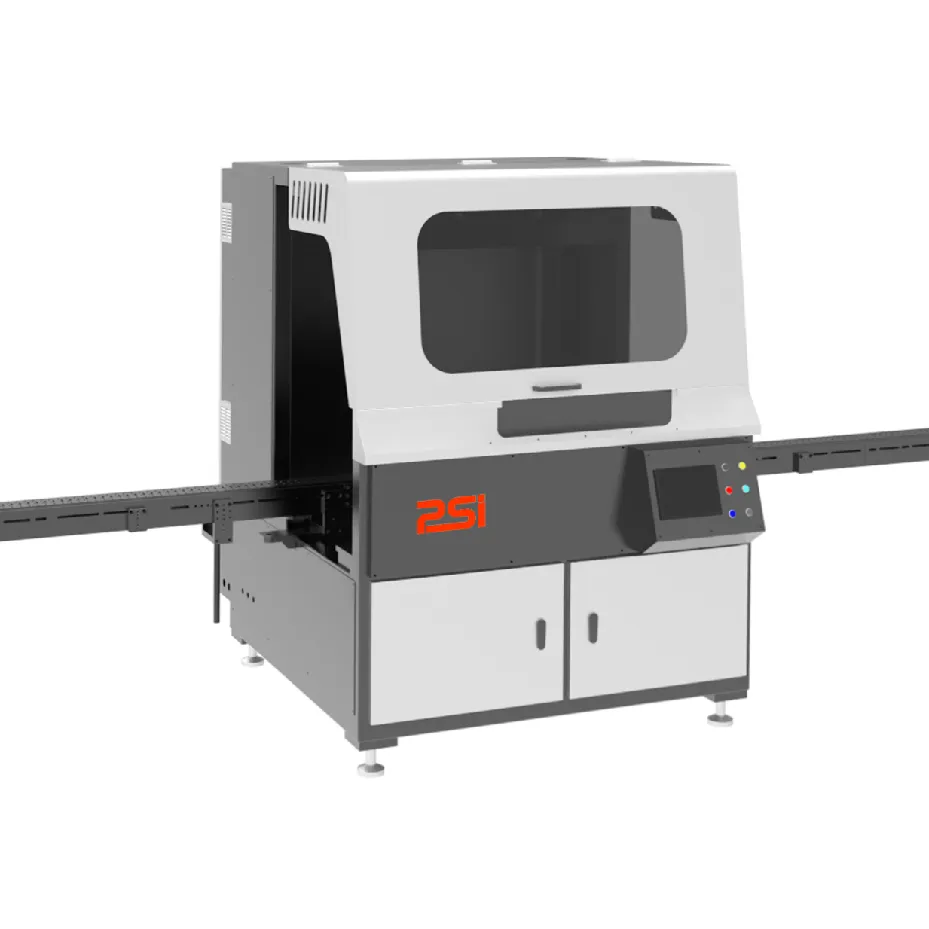
Good Digital Inkjet Printing Machine: Advanced Technology for Superior Print Quality and Versatility

Contact me immediately if you encounter problems!

All Categories

good digital inkjet printing machine

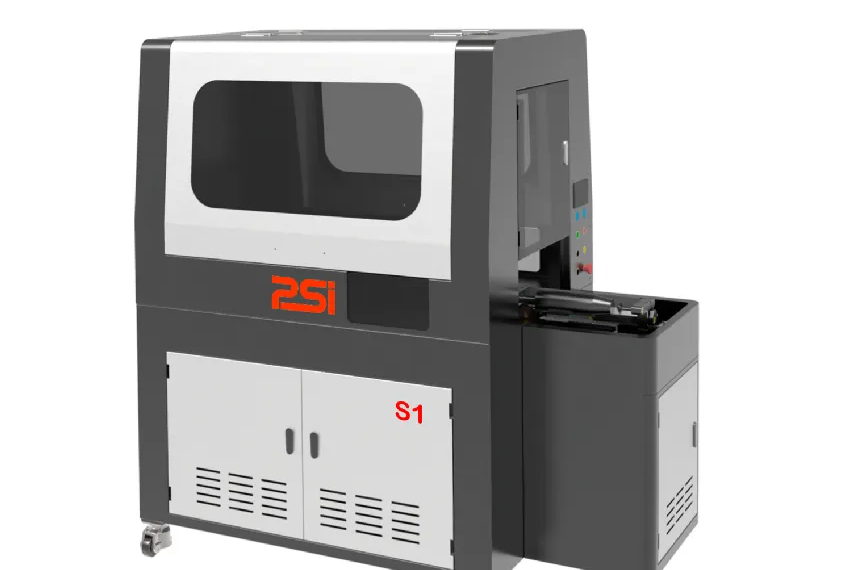
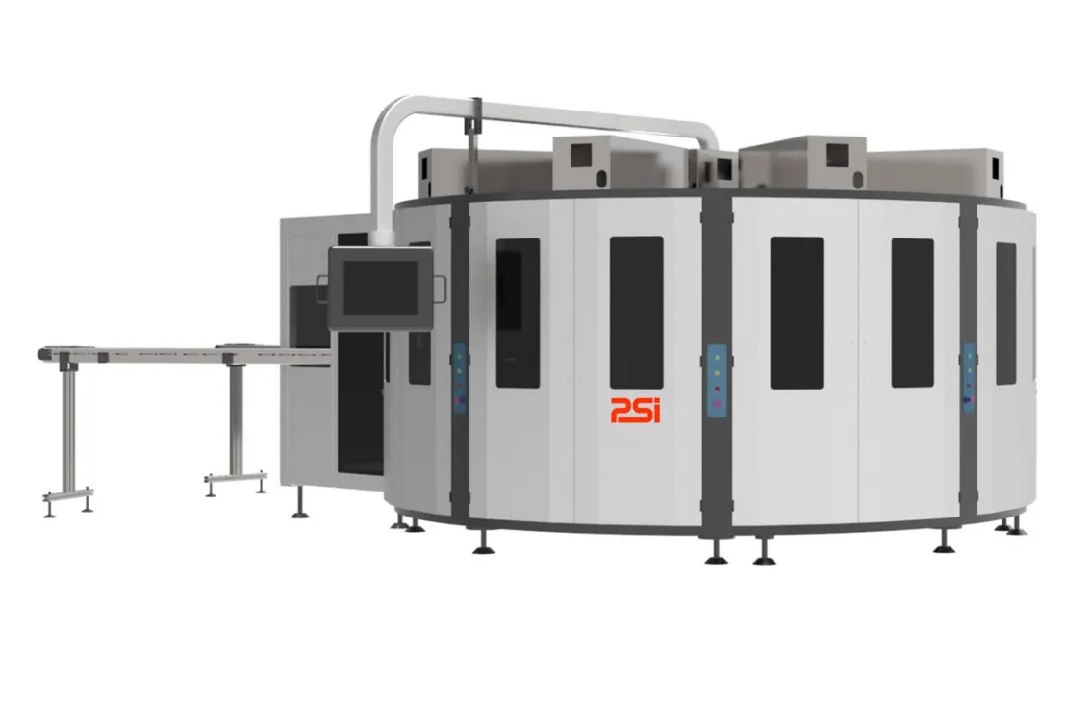
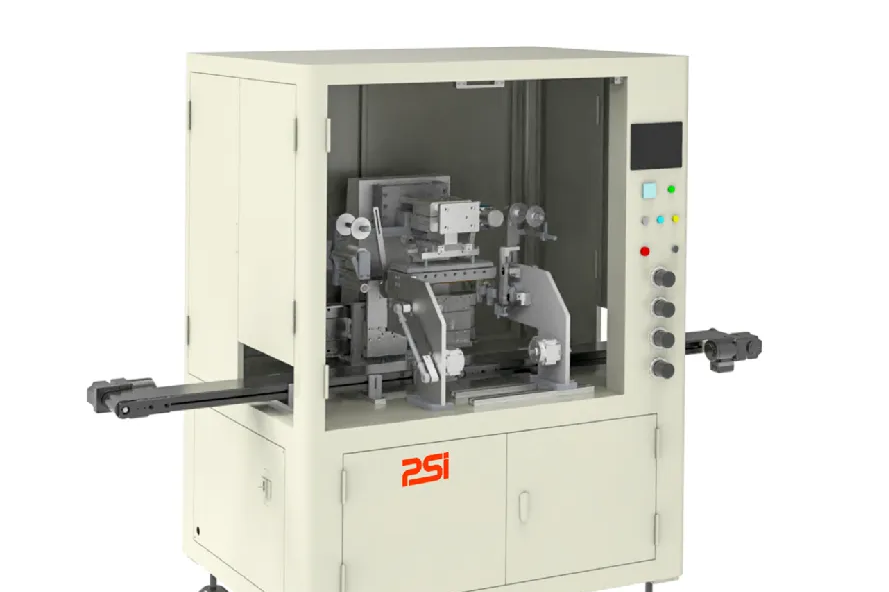
A good digital inkjet printing machine represents the pinnacle of modern printing technology, combining precision engineering with innovative design to deliver exceptional print quality across diverse applications. These sophisticated devices utilize advanced inkjet technology to precisely deposit microscopic droplets of ink onto various substrates, creating vibrant, high-resolution images and text with remarkable accuracy. The core functionality of a good digital inkjet printing machine centers around its ability to translate digital files directly into physical prints without the need for traditional printing plates or extensive setup procedures. This direct-to-print capability revolutionizes the production process, enabling businesses to achieve faster turnaround times while maintaining superior quality standards. The technological backbone of these machines incorporates state-of-the-art printhead systems that can handle multiple ink colors simultaneously, often supporting extended color gamuts including specialty inks for enhanced visual impact. Advanced control systems monitor and adjust printing parameters in real-time, ensuring consistent output quality throughout extended production runs. Modern good digital inkjet printing machines feature sophisticated substrate handling mechanisms that accommodate various material types, thicknesses, and sizes, from delicate papers to rigid substrates like ceramics and metals. The integration of automated workflow management systems streamlines the entire printing process, reducing manual intervention while optimizing resource utilization. These machines excel in producing everything from commercial signage and packaging materials to fine art reproductions and textile printing. Their versatility extends to specialized applications including product labeling, architectural graphics, and industrial printing requirements. The precision engineering inherent in good digital inkjet printing machines ensures minimal waste generation while maximizing productivity, making them invaluable assets for businesses seeking efficient, cost-effective printing solutions that deliver consistent, professional-grade results across multiple market segments.

New Product Recommendations

The advantages of investing in a good digital inkjet printing machine extend far beyond basic printing capabilities, offering transformative benefits that directly impact business operations and profitability. Cost efficiency stands as a primary advantage, as these machines eliminate the expensive plate-making processes required by traditional printing methods. This translates to significant savings on setup costs, particularly beneficial for short-run printing projects where conventional methods would be prohibitively expensive. The elimination of minimum order quantities enables businesses to print exactly what they need, when they need it, reducing inventory costs and waste. Time savings represent another crucial advantage, as good digital inkjet printing machines can begin production immediately after receiving digital files, bypassing the lengthy preparation phases associated with conventional printing. This rapid response capability enables businesses to meet tight deadlines and respond quickly to market demands. Quality consistency emerges as a standout benefit, with advanced control systems maintaining uniform output throughout production runs, eliminating the quality variations often experienced with traditional methods. The ability to produce variable data printing allows for personalized content within single print runs, opening new revenue opportunities in direct mail marketing, packaging customization, and product labeling. Environmental benefits include reduced chemical usage, minimal water consumption, and decreased energy requirements compared to traditional printing processes. The versatility of good digital inkjet printing machines enables businesses to diversify their service offerings, printing on substrates ranging from standard papers to specialized materials like vinyl, canvas, and synthetic fabrics. This flexibility allows companies to enter new market segments without additional equipment investments. Reduced labor requirements streamline operations, as these machines typically require fewer operators than traditional printing systems while maintaining higher productivity levels. The digital workflow integration eliminates manual processes, reducing human error potential while improving overall efficiency. Maintenance requirements are typically lower than conventional systems, featuring self-cleaning mechanisms and automated diagnostic systems that minimize downtime. The scalability of good digital inkjet printing machines allows businesses to adjust production volumes based on demand fluctuations without significant operational changes. Real-time monitoring capabilities provide instant feedback on printing parameters, enabling immediate adjustments to maintain optimal quality standards. These combined advantages create a compelling business case for organizations seeking to modernize their printing operations while improving competitiveness in an increasingly demanding marketplace.

Practical Tips

Enhancing Your Brand's Impact with PSI's Cutting-Edge Inkjet Digital Printing Machines

27

Sep

Enhancing Your Brand's Impact with PSI's Cutting-Edge Inkjet Digital Printing Machines

In the domain of industrial digital printing, under the commonly used terminology of the PSI Company, high-quality inkjet digital printing machines have been successfully produced and introduced to a wide range of industries. The performance of the c...
View More
PSI Cutting-Edge Digital Inkjet and Screen Printing Machines

27

Sep

PSI Cutting-Edge Digital Inkjet and Screen Printing Machines

In today's fast-paced business environment, the impact of visual communication cannot be overstated. Brands are constantly seeking ways to stand out and connect with their audience through eye-catching designs and high-quality prints. PSI, a leading ...
View More
PSI Heat Transfer Machines:  in Customized Branding Solutions

27

Sep

PSI Heat Transfer Machines: in Customized Branding Solutions

In the realm of printing and branding, PSI  stands out as a beacon of innovation and excellence. Specializing in heat transfer machines, PSI  offers a range of products that cater to various industries, from textiles to plastics, ensuring t...
View More

Get a Free Quote

Our representative will contact you soon.
Email
Name
Company Name
Message
0/1000

good digital inkjet printing machine

Revolutionary Print Quality and Precision Technology

Revolutionary Print Quality and Precision Technology

The exceptional print quality delivered by a good digital inkjet printing machine stems from cutting-edge precision technology that sets new industry standards for visual excellence. At the heart of this superior performance lies advanced printhead technology featuring microscopic nozzles capable of depositing ink droplets with extraordinary accuracy, often achieving resolutions exceeding 1440 dots per inch. This remarkable precision enables the reproduction of intricate details, subtle color gradations, and razor-sharp text that rivals traditional offset printing quality. The sophisticated ink delivery systems employed in good digital inkjet printing machines utilize precisely controlled pressure mechanisms that ensure consistent droplet formation and placement, eliminating common printing defects such as banding, streaking, or color variations. Advanced color management systems integrated within these machines automatically calibrate color reproduction to match industry standards, ensuring that printed materials accurately represent intended designs across different substrates and lighting conditions. The multi-layered approach to quality control includes real-time monitoring sensors that continuously assess print quality parameters, automatically adjusting ink flow, printhead positioning, and substrate advancement to maintain optimal output throughout production runs. Variable droplet technology allows these machines to produce different droplet sizes within the same print job, enabling smooth tonal transitions and enhanced image depth that surpasses conventional printing methods. The precision engineering extends to substrate handling mechanisms that maintain exact registration and positioning accuracy, crucial for multi-pass printing and color overlay applications. Temperature and humidity control systems create optimal printing environments that prevent ink consistency variations and substrate dimensional changes that could compromise print quality. The result is consistently exceptional output that meets the most demanding professional standards, whether producing high-end marketing materials, fine art reproductions, or precision technical documentation. This commitment to quality excellence positions good digital inkjet printing machines as the preferred choice for businesses that refuse to compromise on visual impact and professional presentation.
Unmatched Versatility and Substrate Compatibility

Unmatched Versatility and Substrate Compatibility

The remarkable versatility of a good digital inkjet printing machine revolutionizes printing possibilities by accommodating an extraordinary range of substrates and applications that traditional printing methods cannot handle efficiently. This exceptional adaptability stems from sophisticated substrate handling systems designed to manage materials varying dramatically in thickness, texture, and composition without compromising print quality or operational efficiency. From ultra-thin specialty papers measuring mere micrometers to rigid substrates several centimeters thick, these machines adjust automatically to optimize printing parameters for each material type. The advanced vacuum hold-down systems ensure perfect substrate flatness during printing, preventing head strikes while maintaining precise ink placement even on textured or irregular surfaces. Specialized ink formulations compatible with good digital inkjet printing machines enable printing on previously challenging materials including metals, ceramics, glass, plastics, and synthetic fabrics, opening entirely new market opportunities for printing businesses. The temperature control capabilities allow for optimal ink adhesion across different substrate types, ensuring durability and color fastness regardless of the chosen material. Roll-to-roll and sheet-fed configurations provide flexibility to handle various production requirements, from continuous textile printing to individual signage panels. The ability to print on both coated and uncoated substrates without changing equipment or extensive reconfiguration streamlines workflow and reduces setup time between jobs. Variable substrate thickness handling eliminates the need for multiple machines when working with diverse material requirements, consolidating production capabilities into a single, efficient system. The precision registration systems maintain accuracy even when printing on substrates prone to dimensional changes, ensuring perfect alignment in multi-pass or multi-color applications. This versatility extends to specialized applications including packaging prototypes, architectural samples, industrial labeling, and custom textile designs, each requiring unique substrate properties and printing characteristics. The environmental adaptability of good digital inkjet printing machines allows them to perform consistently across various operating conditions while maintaining substrate compatibility standards. This comprehensive versatility eliminates the traditional limitations that confined printing businesses to narrow substrate ranges, enabling diversification into lucrative specialty markets while maintaining operational efficiency and quality standards that satisfy the most demanding customer requirements.
Advanced Workflow Integration and Automation Capabilities

Advanced Workflow Integration and Automation Capabilities

The sophisticated workflow integration and automation capabilities of a good digital inkjet printing machine transform traditional printing operations into streamlined, highly efficient production environments that maximize productivity while minimizing manual intervention and potential errors. These advanced systems feature comprehensive digital workflow management that seamlessly connects design software, prepress operations, and production control into a unified, automated process flow. The intelligent job queue management automatically prioritizes print jobs based on urgency, substrate requirements, and resource availability, optimizing machine utilization while ensuring timely delivery of all projects. Real-time production monitoring provides detailed insights into printing speeds, ink consumption, substrate usage, and quality metrics, enabling proactive management decisions that prevent bottlenecks and reduce waste. The automated color calibration systems continuously adjust printing parameters to maintain color accuracy across different substrates and environmental conditions, eliminating the time-consuming manual calibration procedures required by conventional systems. Advanced predictive maintenance algorithms analyze machine performance data to anticipate service requirements, scheduling maintenance activities during planned downtime to minimize production interruptions. The integration with enterprise resource planning systems enables seamless communication between production, inventory management, and customer service departments, providing real-time updates on job status and delivery schedules. Automated substrate loading and unloading systems reduce labor requirements while improving safety by minimizing manual handling of heavy or awkward materials. The sophisticated quality control systems automatically detect and correct printing defects in real-time, maintaining consistent output quality without operator intervention. Variable data printing capabilities allow for automated personalization of printed materials, processing complex databases to create customized output without manual setup for each variation. The comprehensive reporting systems generate detailed production analytics, cost tracking, and performance metrics that support data-driven business decisions and continuous improvement initiatives. Remote monitoring capabilities enable off-site oversight of production operations, allowing managers to track performance and address issues without being physically present. The modular software architecture allows for easy integration with existing business systems and future technology upgrades without disrupting current operations. These automation capabilities significantly reduce the skill level required for routine operations while improving consistency and reliability, making good digital inkjet printing machines accessible to businesses seeking to modernize their operations without extensive retraining requirements.