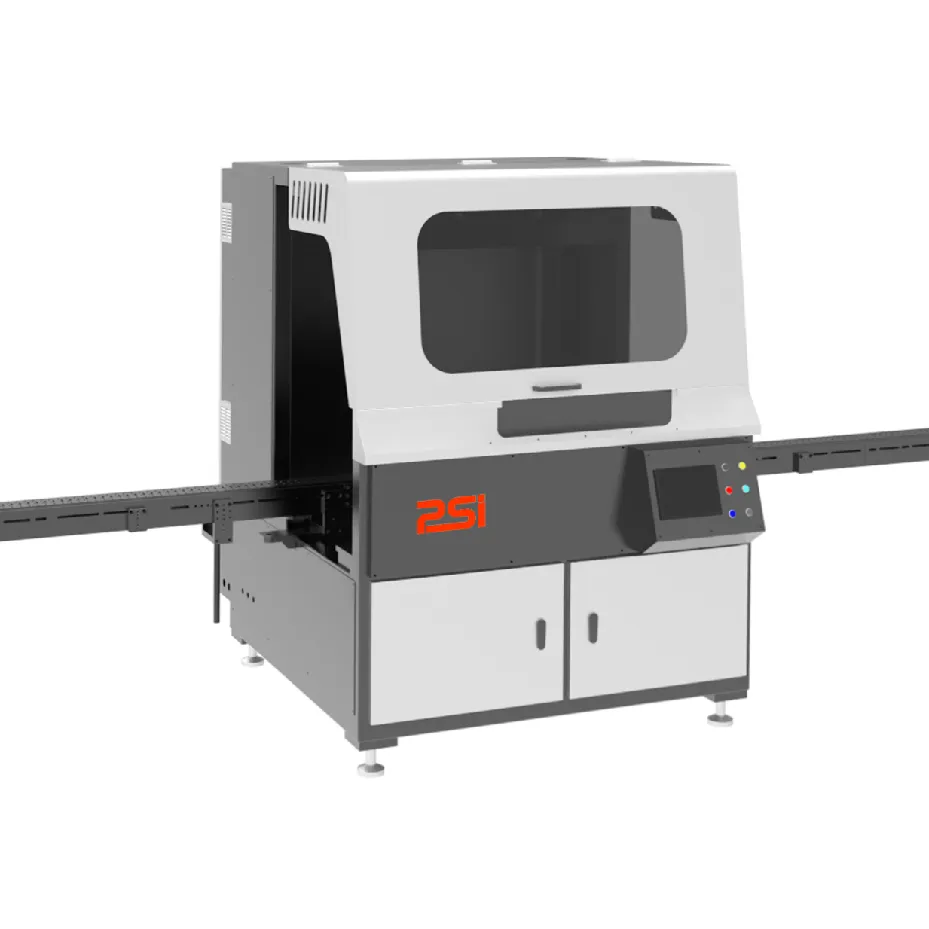
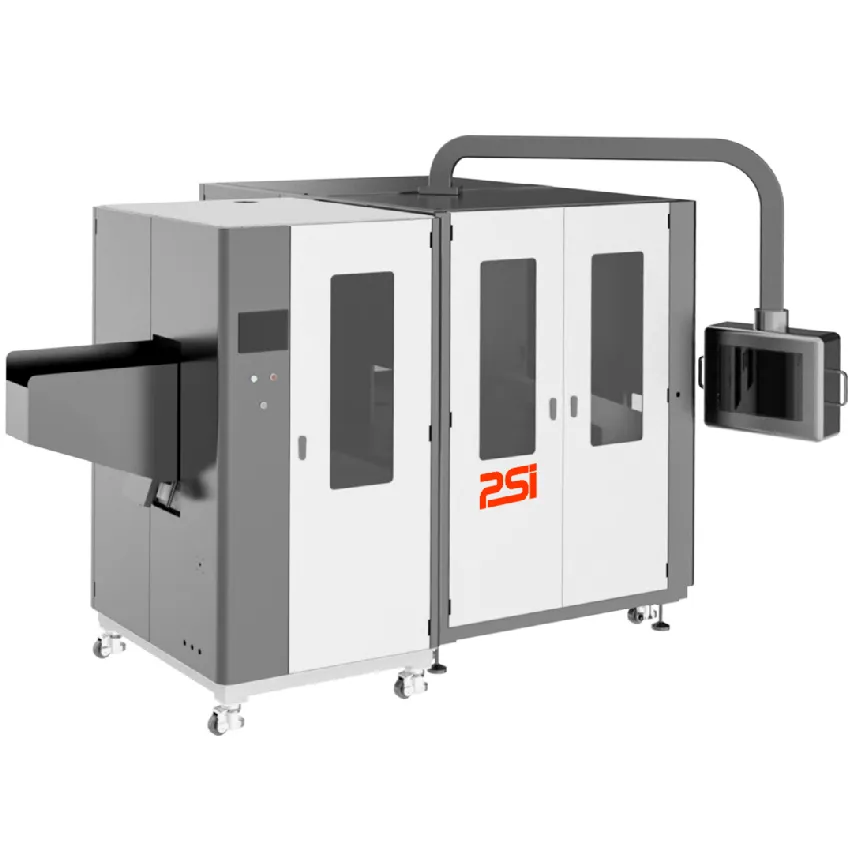
Premium Digital Inkjet Printing Parts - Advanced Components for Professional Printing Systems

Contact me immediately if you encounter problems!

All Categories

digital inkjet printing parts

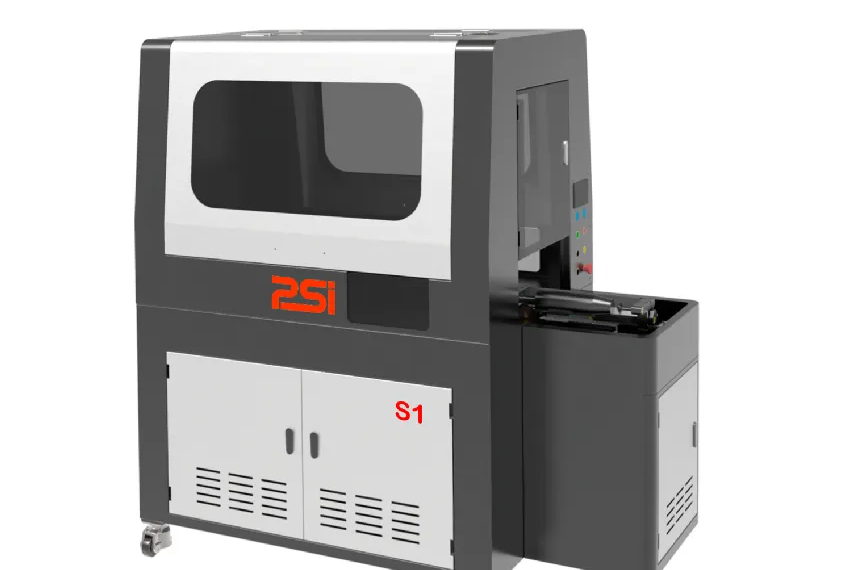
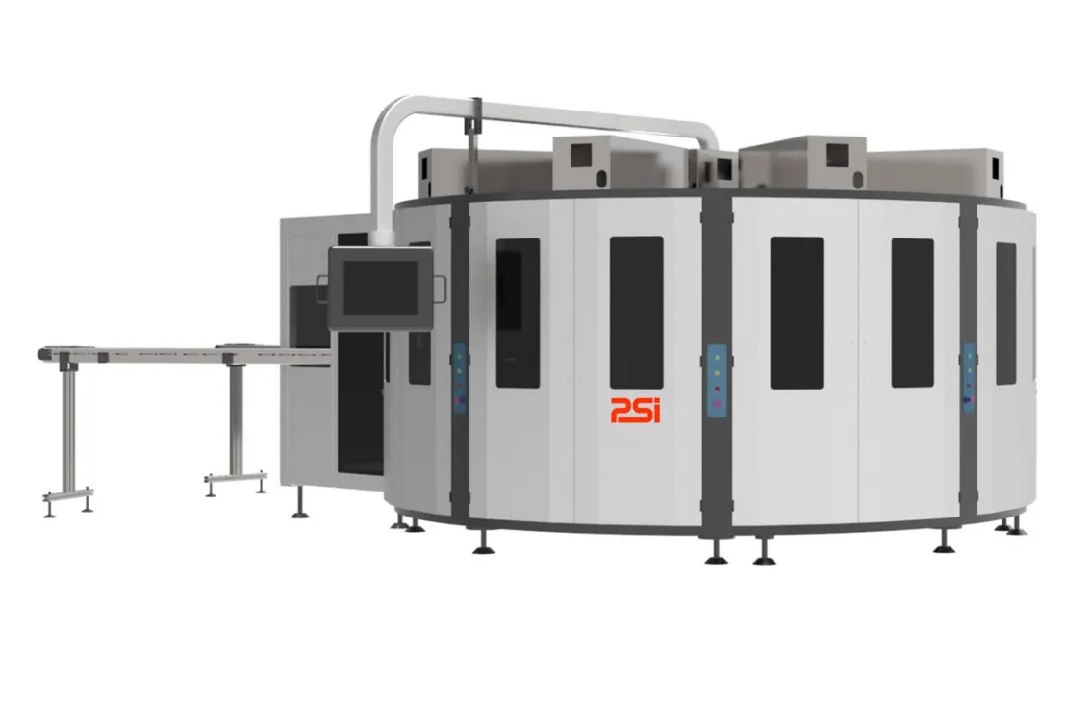
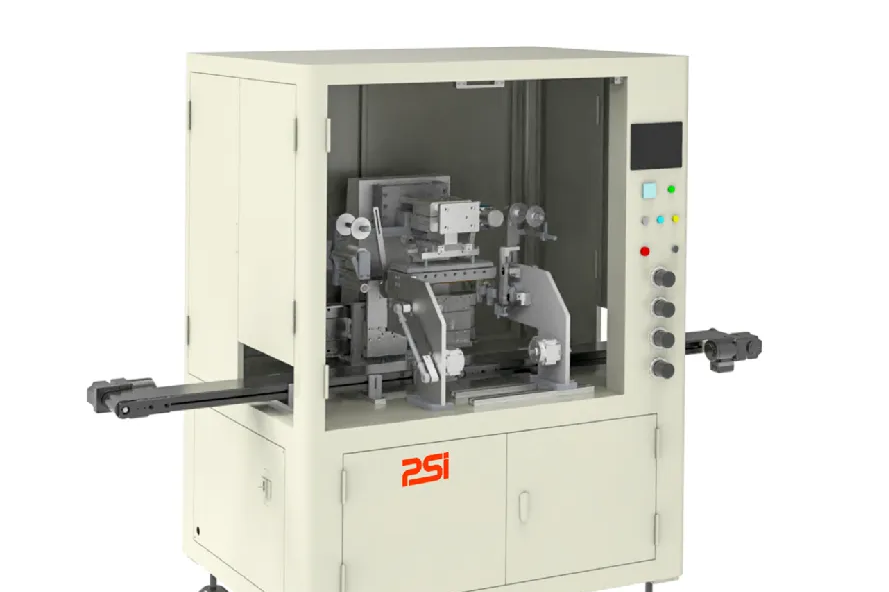
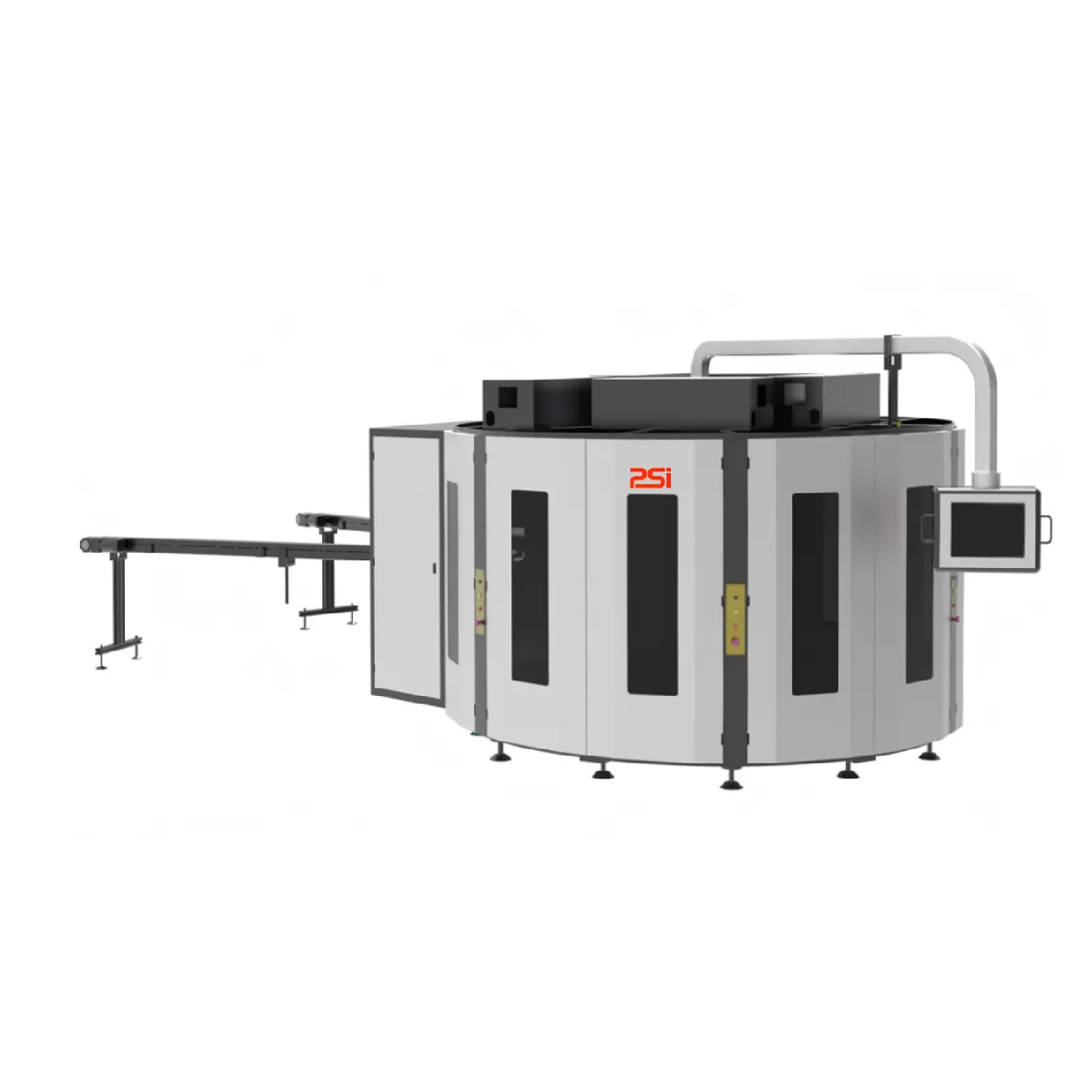
Digital inkjet printing parts represent the core components that enable modern printing systems to deliver exceptional quality and performance across diverse applications. These sophisticated elements work together to transform digital files into precise, high-resolution printed outputs on various substrates. The primary function of digital inkjet printing parts involves controlling ink droplet formation, placement, and curing processes with remarkable accuracy. At the heart of these systems, print heads serve as the critical interface between digital data and physical output, utilizing advanced piezoelectric or thermal technologies to eject microscopic ink droplets with extraordinary precision. The technological features of digital inkjet printing parts include variable droplet size control, enabling smooth gradations and sharp detail reproduction. Modern components incorporate smart sensors and feedback systems that continuously monitor performance parameters, ensuring consistent quality throughout extended production runs. These parts support multiple ink types, including UV-curable, solvent-based, water-based, and specialty formulations designed for specific applications. Temperature control systems maintain optimal operating conditions, preventing ink viscosity variations that could affect print quality. Digital inkjet printing parts find extensive applications across commercial printing, packaging, textiles, ceramics, glass decoration, and industrial manufacturing. In commercial environments, these components enable high-speed production of marketing materials, books, and promotional items with customizable content for each piece. Packaging applications benefit from the ability to print directly onto containers, labels, and flexible materials without requiring printing plates or lengthy setup procedures. Textile industries utilize these parts for direct-to-garment printing, creating vibrant designs on clothing and fabric products. Industrial applications include printing on electronic components, automotive parts, and construction materials, where durability and precision are paramount requirements for successful implementation.
Popular Products

Digital inkjet printing parts offer tremendous cost savings by eliminating the need for expensive printing plates and setup procedures required in traditional printing methods. Businesses can start printing immediately without waiting for plate production or lengthy preparation times, reducing both material costs and labor expenses. These components enable on-demand printing capabilities, allowing companies to produce exactly the quantities needed without maintaining large inventory stocks of pre-printed materials. The flexibility of digital inkjet printing parts supports rapid job changes and customization, enabling personalized printing for individual customers or specific market segments without additional tooling costs. Quality improvements achieved through digital inkjet printing parts include exceptional color accuracy and consistency across entire production runs. Advanced color management systems built into these components ensure precise color matching and reproduction, meeting strict brand standards and customer expectations. The high resolution capabilities of modern digital inkjet printing parts deliver sharp text, fine details, and smooth gradations that rival traditional printing methods while offering superior versatility. These parts maintain consistent performance throughout extended operations, reducing waste from startup materials and test prints commonly required with conventional printing systems. Speed advantages of digital inkjet printing parts enable faster turnaround times for urgent projects and shorter production schedules. The instant-start capability means no warm-up periods or lengthy preparation procedures, allowing immediate production when orders arrive. Variable data printing capabilities built into these components support mass customization, enabling unique content for each printed piece without slowing production speeds. Maintenance benefits include simplified cleaning procedures and reduced downtime compared to traditional printing equipment. Digital inkjet printing parts feature modular designs that allow quick component replacement without extensive technical expertise or specialized tools. Predictive maintenance systems monitor component performance and provide early warnings before failures occur, preventing unexpected production interruptions. Environmental advantages include reduced chemical usage and waste generation compared to traditional printing processes. These parts eliminate the need for developing chemicals, cleaning solvents, and other hazardous materials commonly used in conventional printing operations, supporting corporate sustainability initiatives while reducing disposal costs and regulatory compliance requirements.

Practical Tips

Enhancing Your Brand's Impact with PSI's Cutting-Edge Inkjet Digital Printing Machines

27

Sep

Enhancing Your Brand's Impact with PSI's Cutting-Edge Inkjet Digital Printing Machines

In the domain of industrial digital printing, under the commonly used terminology of the PSI Company, high-quality inkjet digital printing machines have been successfully produced and introduced to a wide range of industries. The performance of the c...
View More
PSI Cutting-Edge Digital Inkjet and Screen Printing Machines

27

Sep

PSI Cutting-Edge Digital Inkjet and Screen Printing Machines

In today's fast-paced business environment, the impact of visual communication cannot be overstated. Brands are constantly seeking ways to stand out and connect with their audience through eye-catching designs and high-quality prints. PSI, a leading ...
View More
PSI Heat Transfer Machines:  in Customized Branding Solutions

27

Sep

PSI Heat Transfer Machines: in Customized Branding Solutions

In the realm of printing and branding, PSI  stands out as a beacon of innovation and excellence. Specializing in heat transfer machines, PSI  offers a range of products that cater to various industries, from textiles to plastics, ensuring t...
View More

Get a Free Quote

Our representative will contact you soon.
Email
Name
Company Name
Message
0/1000

digital inkjet printing parts

Precision Engineering Excellence

Precision Engineering Excellence

Digital inkjet printing parts showcase remarkable precision engineering that sets new standards for printing accuracy and reliability in modern manufacturing environments. The sophisticated design of these components incorporates advanced materials science and micro-engineering techniques to achieve exceptional performance levels that exceed traditional printing capabilities. Each print head within the digital inkjet printing parts assembly contains hundreds or thousands of individual nozzles, manufactured to tolerances measured in micrometers to ensure consistent droplet formation and placement. The precision engineering extends to the ink delivery systems, which maintain exact pressure and temperature controls to optimize ink viscosity and flow characteristics throughout the printing process. Advanced filtration systems integrated into digital inkjet printing parts prevent contamination that could disrupt the delicate balance required for optimal performance. The engineering excellence becomes evident in the sophisticated algorithms that control droplet timing, size, and trajectory, enabling these parts to compensate for substrate variations and environmental conditions automatically. Temperature compensation systems adjust ink properties in real-time, maintaining consistent performance regardless of ambient conditions or extended operation periods. The mechanical precision of digital inkjet printing parts includes vibration dampening systems that isolate sensitive components from external disturbances, ensuring stable operation even in challenging industrial environments. Quality control measures built into the engineering process include extensive testing protocols that verify each component meets strict performance specifications before assembly. The modular design philosophy behind digital inkjet printing parts enables precise calibration and alignment procedures that optimize system performance for specific applications and substrates. This engineering excellence translates into measurable benefits for users, including reduced maintenance requirements, extended component lifecycles, and consistent output quality that meets the most demanding professional standards across diverse printing applications.
Versatile Substrate Compatibility

Versatile Substrate Compatibility

Digital inkjet printing parts demonstrate exceptional versatility through their ability to handle an extensive range of substrates and materials, making them invaluable for diverse printing applications across multiple industries. This remarkable compatibility stems from advanced engineering that accommodates varying surface textures, absorption characteristics, and material properties without compromising print quality or system reliability. The substrate versatility of digital inkjet printing parts extends from traditional paper and cardboard to specialized materials including metals, plastics, ceramics, glass, textiles, and composite materials. Each substrate category presents unique challenges that these sophisticated components address through adaptive technologies and intelligent control systems. For porous materials like paper and fabric, digital inkjet printing parts regulate ink penetration to prevent bleeding while ensuring adequate color saturation and image sharpness. Non-porous substrates such as metal and glass require different ink formulations and curing methods, which these parts support through compatible heating systems and UV curing capabilities. The versatility becomes particularly valuable in packaging applications where digital inkjet printing parts must handle corrugated cardboard, flexible films, rigid containers, and specialty packaging materials with equal proficiency. Textile applications benefit from this substrate compatibility as digital inkjet printing parts can process natural fibers, synthetic materials, and blended fabrics while maintaining color vibrancy and wash fastness properties. Industrial applications leverage this versatility to print directly onto manufactured components, eliminating secondary labeling processes and reducing production complexity. The substrate compatibility extends to three-dimensional objects and irregular surfaces, where digital inkjet printing parts can accommodate curved, textured, or uneven substrates through advanced head positioning systems and adaptive control algorithms. This versatility eliminates the need for multiple printing systems dedicated to specific materials, reducing equipment investments and operational complexity while expanding creative possibilities for designers and manufacturers seeking innovative printing solutions.
Advanced Automation Intelligence

Advanced Automation Intelligence

Digital inkjet printing parts incorporate sophisticated automation intelligence that revolutionizes printing operations through smart monitoring, predictive maintenance, and autonomous optimization capabilities. This advanced intelligence transforms traditional printing from a manual, labor-intensive process into a highly automated, efficient production system that requires minimal human intervention while delivering superior results consistently. The automation intelligence built into digital inkjet printing parts includes comprehensive sensor networks that continuously monitor critical performance parameters including ink levels, temperature variations, pressure fluctuations, and print quality metrics in real-time. Machine learning algorithms analyze this data to identify patterns and trends that indicate potential issues before they affect production quality or cause system failures. Predictive maintenance capabilities within digital inkjet printing parts utilize historical performance data and current operating conditions to schedule maintenance activities proactively, preventing unexpected downtime and extending component lifecycles. The intelligent systems automatically adjust printing parameters to compensate for environmental changes, substrate variations, or ink property fluctuations without requiring operator intervention. Quality assurance automation includes real-time inspection systems that detect printing defects, color variations, or alignment issues immediately, enabling automatic corrections or alerting operators to address problems promptly. The automation intelligence extends to production workflow management, where digital inkjet printing parts can communicate with enterprise resource planning systems to coordinate printing schedules, material requirements, and quality control procedures seamlessly. Remote monitoring capabilities allow technical support teams to diagnose issues and provide assistance without physical presence at the printing facility, reducing response times and minimizing production interruptions. Self-calibration features automatically maintain optimal performance by adjusting print head alignment, color calibration, and system parameters based on continuous performance feedback. The advanced automation intelligence also includes adaptive learning capabilities that improve system performance over time by analyzing successful printing parameters and applying these insights to optimize future operations, creating a continuously improving production environment that maximizes efficiency and quality standards.