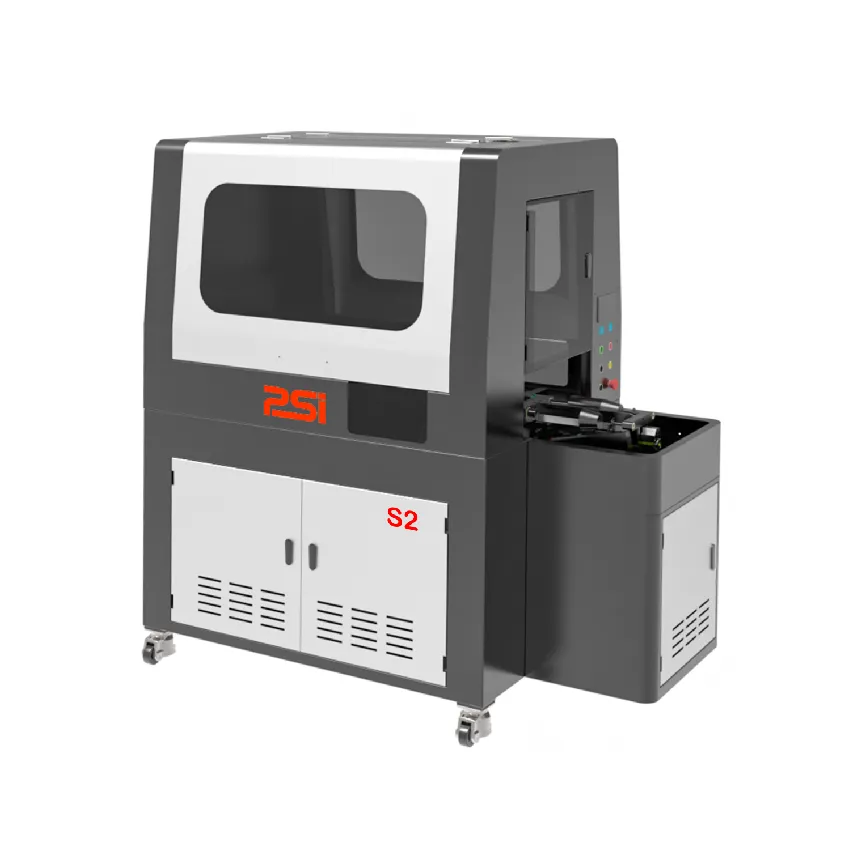
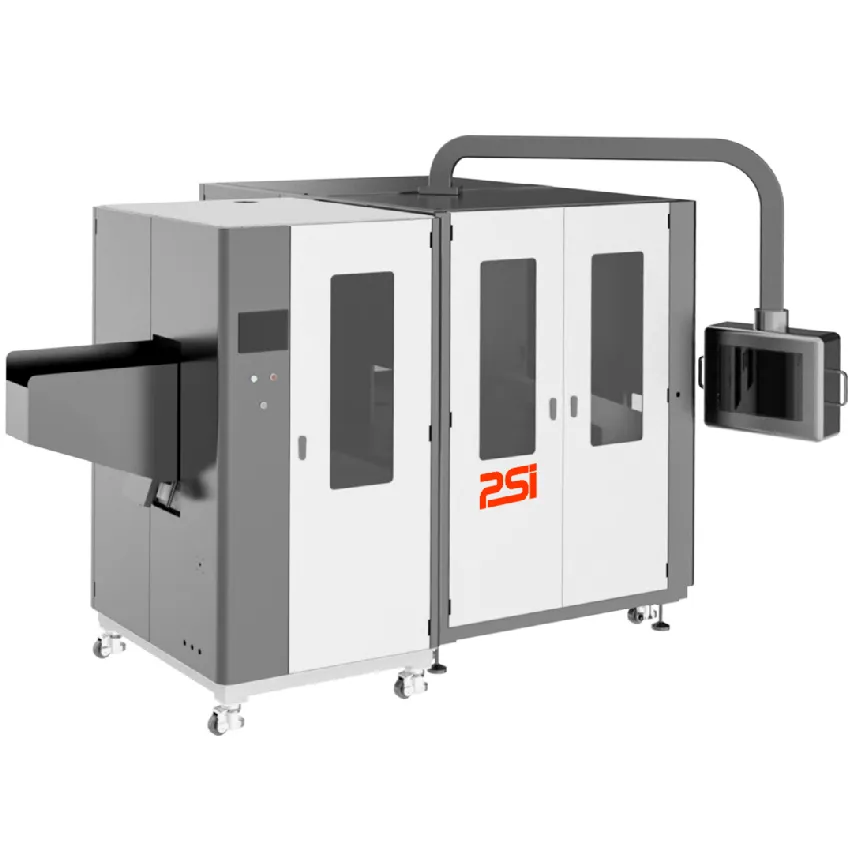
hot foil stamping machine price
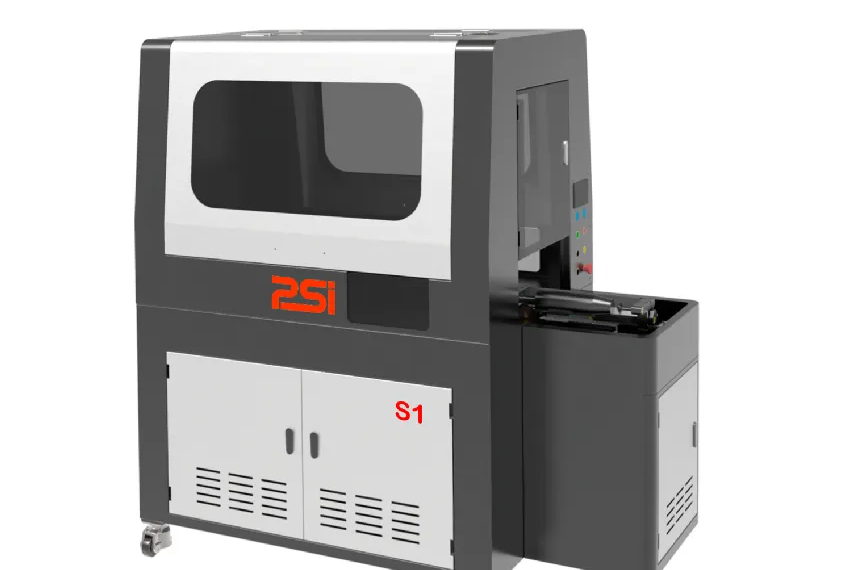
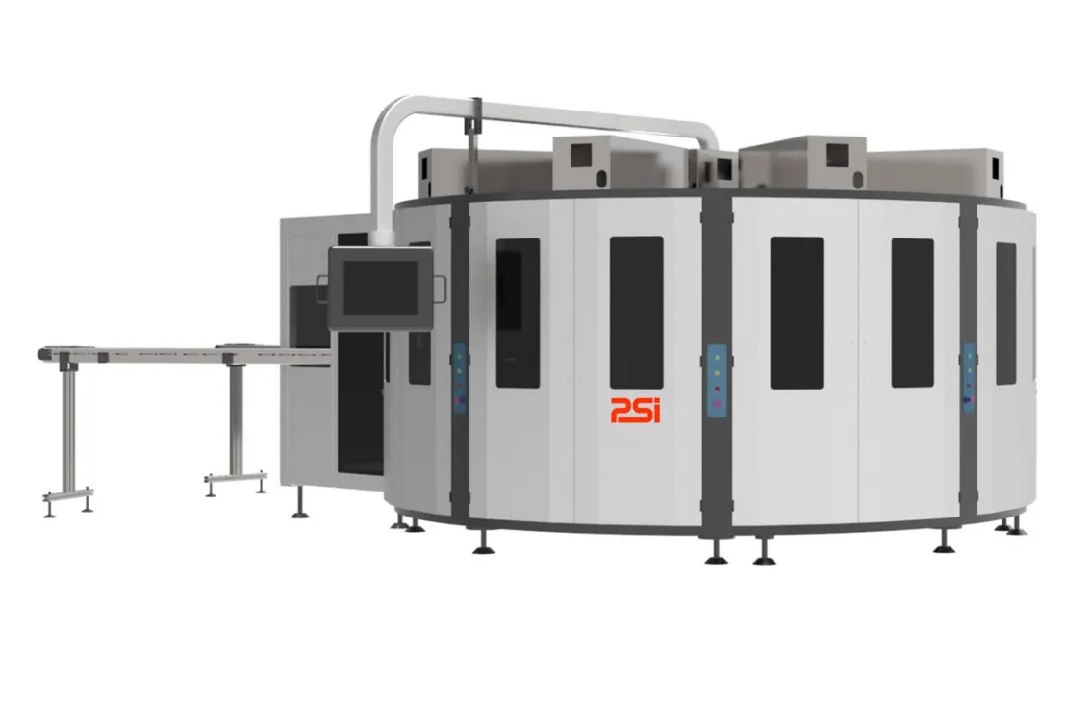
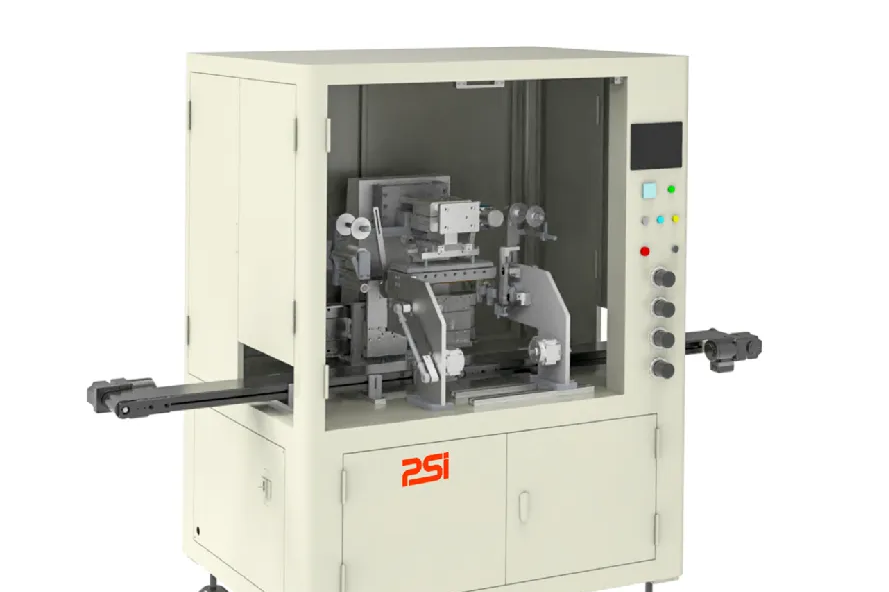
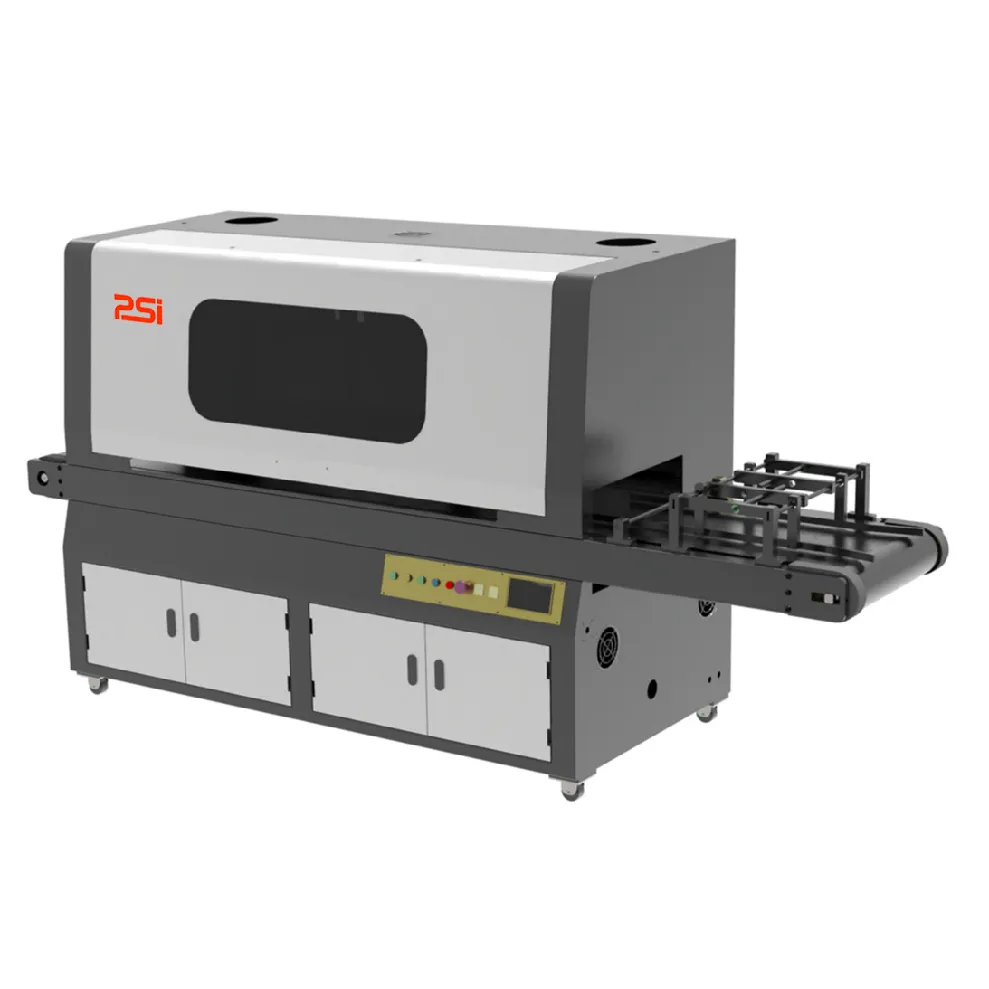
Hot foil stamping machines represent a sophisticated printing technology that applies metallic or colored foil to various substrates through heat and pressure. Understanding hot foil stamping machine price factors requires examining the comprehensive features and capabilities these systems offer to businesses across multiple industries. These machines utilize heated dies or plates to transfer foil materials onto paper, cardboard, plastic, leather, and fabric surfaces, creating premium finishes that enhance product appeal and brand recognition. The hot foil stamping machine price varies significantly based on technological sophistication, production capacity, and automation levels. Entry-level manual machines offer cost-effective solutions for small-scale operations, while industrial automated systems command higher investments but deliver exceptional productivity and precision. Key functions include temperature control systems that maintain optimal heat distribution, pressure adjustment mechanisms for different substrate thicknesses, and feeding systems that ensure consistent material handling. Advanced models feature digital controls, programmable settings, and quick-change tooling systems that reduce setup times and increase operational efficiency. Applications span packaging industries, where foil stamping creates eye-catching labels and boxes, publishing sectors for book covers and certificates, textile industries for decorative elements, and promotional product manufacturing. The technology serves luxury brands seeking premium packaging solutions, greeting card manufacturers requiring elegant finishes, and automotive industries for interior trim applications. Hot foil stamping machine price considerations must account for long-term operational benefits, including reduced material waste, consistent quality output, and versatility in handling diverse projects. Modern machines incorporate safety features such as emergency stops, protective guards, and temperature monitoring systems. The investment in quality equipment translates to reliable performance, reduced maintenance costs, and the ability to meet demanding production schedules while maintaining superior finish quality that commands premium pricing in competitive markets.
 EN
EN
 AR
AR FR
FR DE
DE HI
HI IT
IT JA
JA KO
KO PT
PT RU
RU ES
ES IW
IW ID
ID VI
VI TH
TH TR
TR FA
FA