Industrial Inkjet Engineering: Advanced Digital Printing Solutions for Modern Manufacturing

Contact me immediately if you encounter problems!

All Categories

industrial inkjet engineering

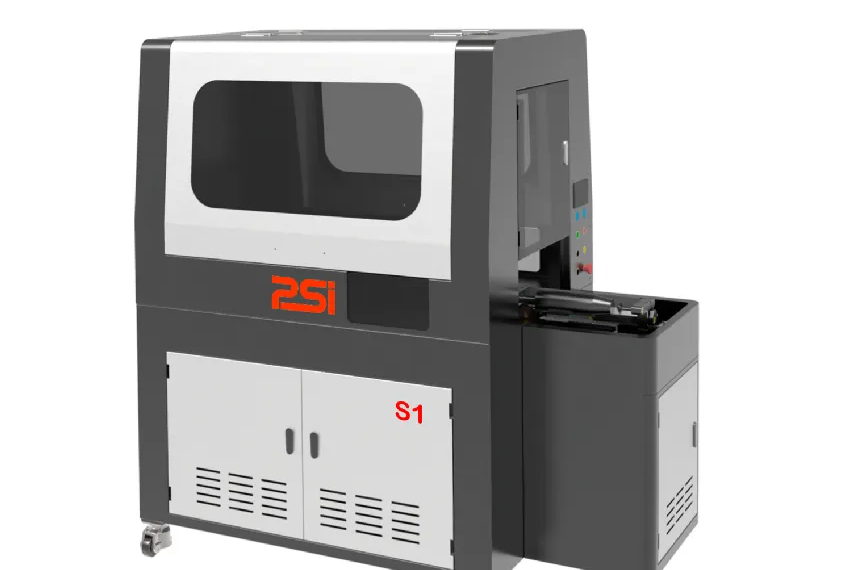
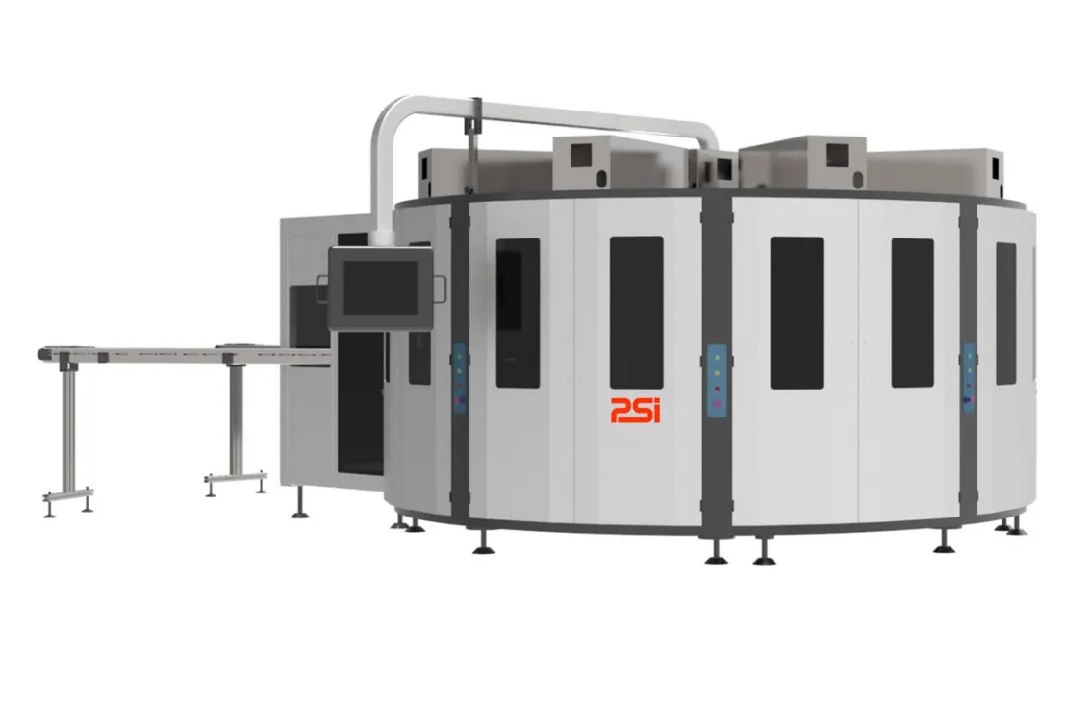
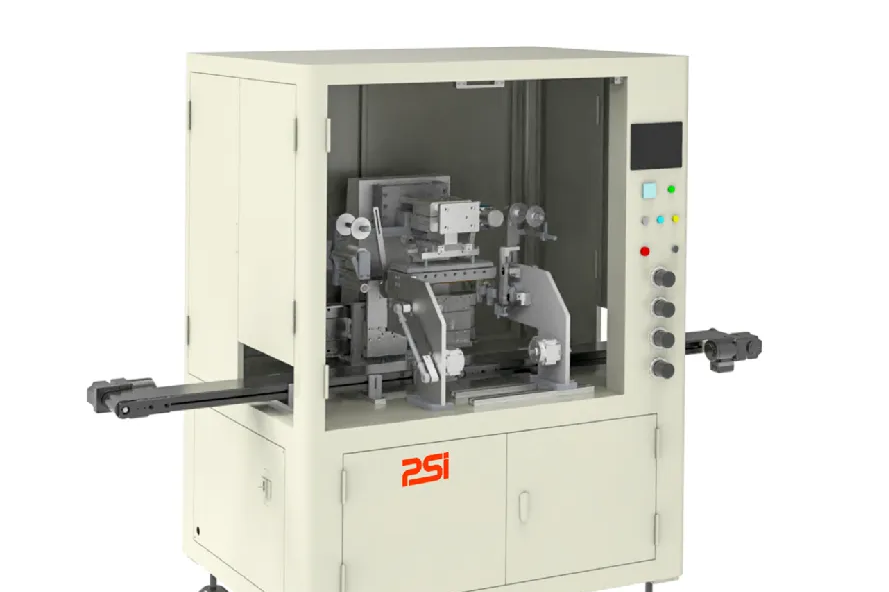
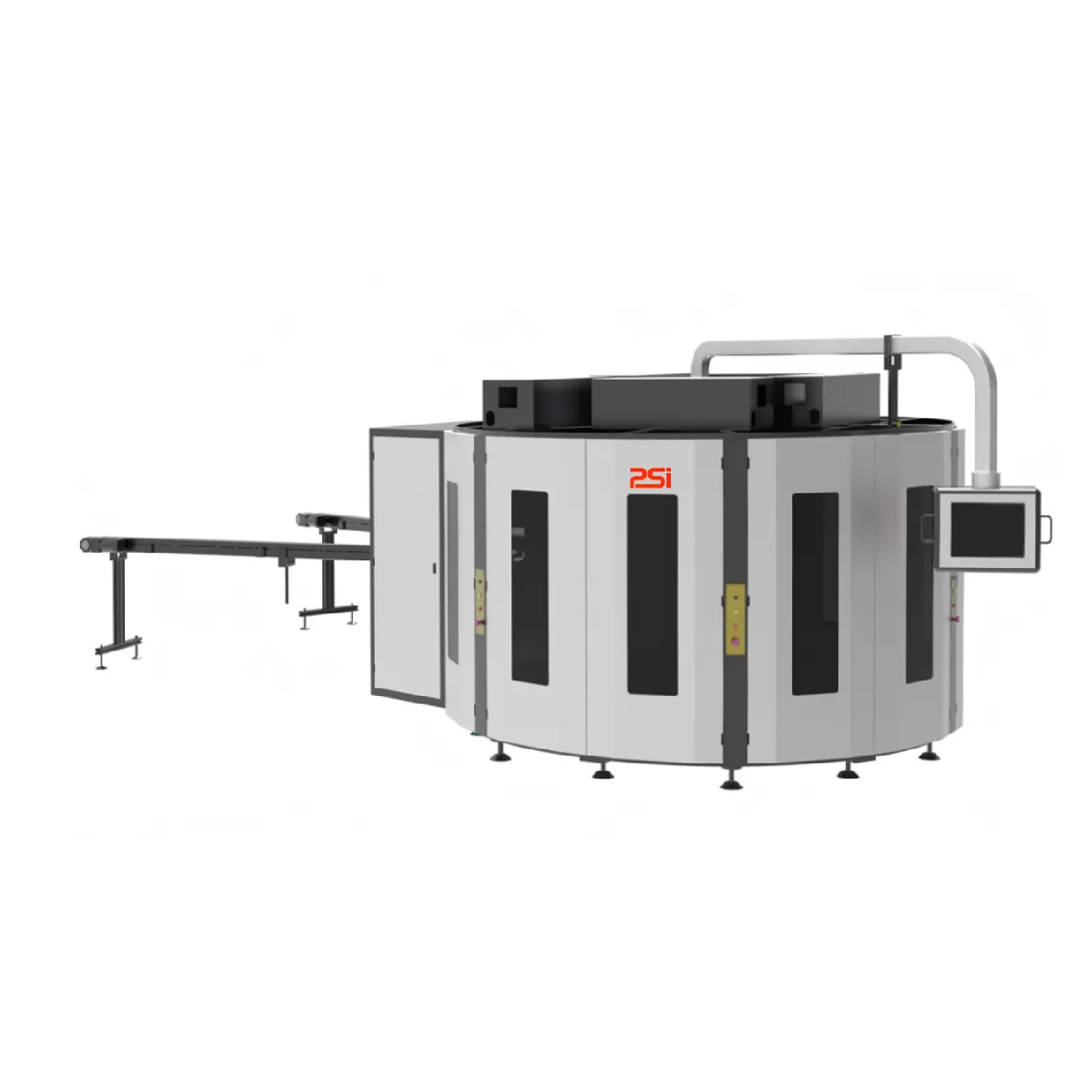
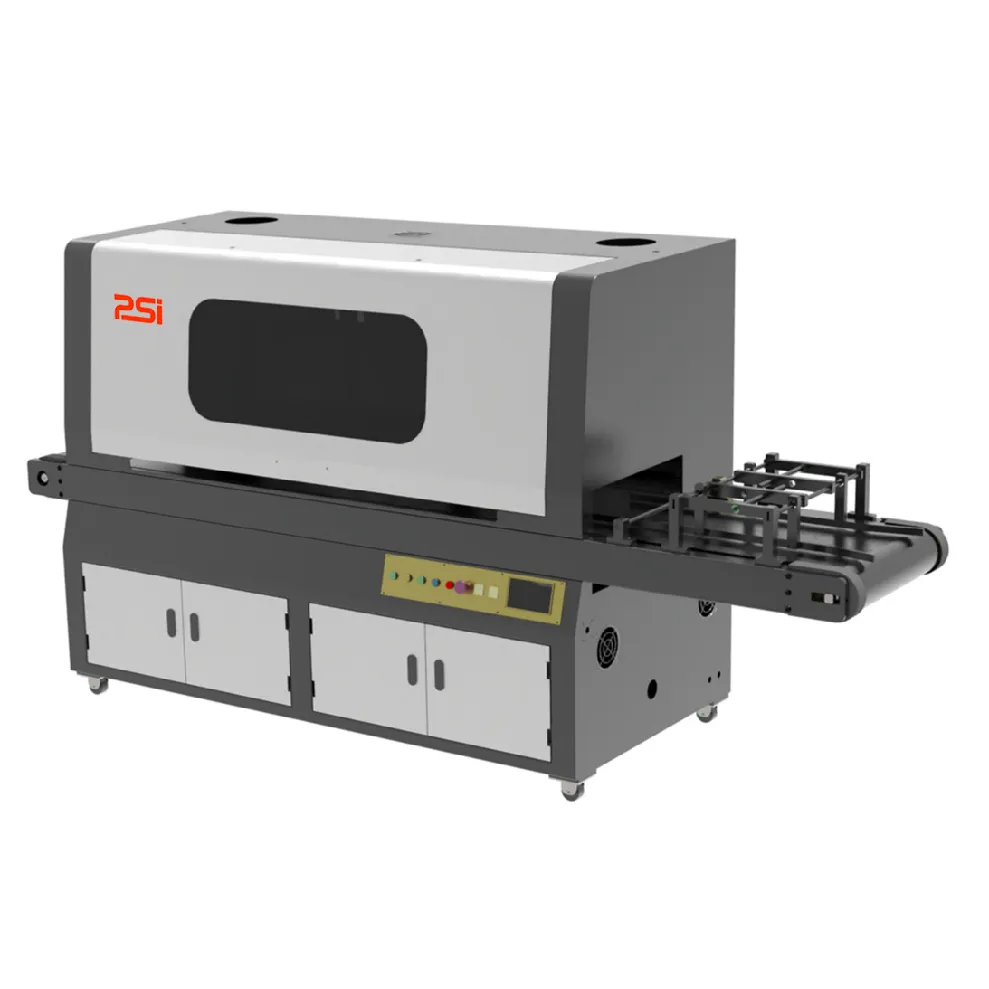
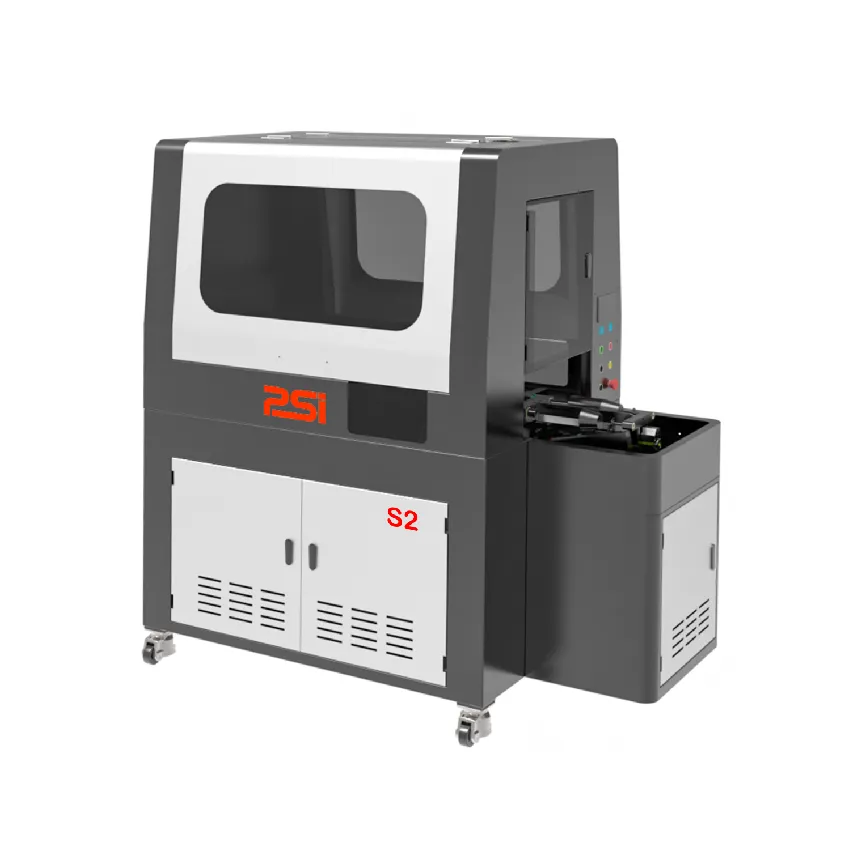
Industrial inkjet engineering represents a revolutionary printing technology that has transformed manufacturing processes across numerous sectors. This sophisticated system utilizes precision-controlled droplet formation to deliver high-quality printing solutions for production environments. Unlike traditional printing methods, industrial inkjet engineering operates through non-contact printing mechanisms, eliminating the need for physical plates or screens while maintaining exceptional accuracy and speed. The core functionality of industrial inkjet engineering centers on its ability to produce variable data printing, enabling manufacturers to customize each printed item without stopping production lines. This technology employs advanced piezoelectric or thermal inkjet printheads that generate microscopic droplets with remarkable precision, allowing for detailed graphics, text, and coding applications. The system integrates seamlessly with existing production workflows, providing real-time printing capabilities that synchronize with manufacturing speeds. Industrial inkjet engineering supports various ink formulations, including UV-curable, solvent-based, water-based, and specialty inks designed for specific substrate requirements. The technology features sophisticated software controls that manage print quality, color consistency, and production data, ensuring reliable output across extended operating periods. Modern industrial inkjet engineering systems incorporate intelligent monitoring capabilities that track ink consumption, printhead performance, and maintenance schedules, optimizing operational efficiency. These systems demonstrate exceptional versatility in handling diverse substrate materials, from packaging films and labels to textiles and rigid surfaces. The modular design of industrial inkjet engineering allows for scalable configurations, accommodating varying production volumes and printing requirements. Advanced droplet placement algorithms ensure consistent print quality while minimizing ink waste and reducing environmental impact. The technology supports high-resolution printing capabilities, delivering sharp images and precise text reproduction essential for product identification, branding, and regulatory compliance applications.
Popular Products

Industrial inkjet engineering delivers substantial cost savings by eliminating traditional printing plates and setup procedures, reducing both material expenses and production downtime. Companies experience immediate benefits through reduced inventory requirements, as digital printing eliminates the need to pre-print large quantities of packaging or labels. The technology enables just-in-time production strategies, allowing manufacturers to print exactly what they need when they need it, significantly reducing waste and storage costs. Operational flexibility represents another major advantage of industrial inkjet engineering, as businesses can quickly switch between different designs, languages, or product variants without complex changeover procedures. This adaptability proves invaluable for companies serving diverse markets or managing seasonal product variations. The speed advantage of industrial inkjet engineering cannot be overstated, with modern systems capable of printing thousands of items per hour while maintaining consistent quality standards. This rapid throughput translates directly into increased production capacity and improved customer service capabilities. Quality consistency remains a defining characteristic of industrial inkjet engineering, as digital controls eliminate human error factors and ensure uniform results across entire production runs. The technology provides superior print resolution compared to many traditional methods, enabling detailed graphics and small text reproduction that enhances product presentation and brand recognition. Environmental benefits of industrial inkjet engineering include reduced chemical usage, lower energy consumption, and minimal waste generation compared to conventional printing processes. The system requires fewer consumables and produces less hazardous waste, supporting corporate sustainability initiatives and regulatory compliance. Maintenance requirements for industrial inkjet engineering systems are typically lower than traditional printing equipment, resulting in reduced service costs and increased uptime. The digital nature of the technology allows for remote monitoring and diagnostics, enabling proactive maintenance scheduling that prevents unexpected breakdowns. Integration capabilities of industrial inkjet engineering systems facilitate seamless connection with existing production management software, inventory systems, and quality control databases. This connectivity enables automated workflows that reduce manual intervention and improve overall production efficiency. The scalability of industrial inkjet engineering allows businesses to start with smaller configurations and expand capacity as demand grows, providing a cost-effective growth path without major equipment overhauls.

Tips And Tricks

Enhancing Your Brand's Impact with PSI's Cutting-Edge Inkjet Digital Printing Machines

27

Sep

Enhancing Your Brand's Impact with PSI's Cutting-Edge Inkjet Digital Printing Machines

In the domain of industrial digital printing, under the commonly used terminology of the PSI Company, high-quality inkjet digital printing machines have been successfully produced and introduced to a wide range of industries. The performance of the c...
View More
PSI Cutting-Edge Digital Inkjet and Screen Printing Machines

27

Sep

PSI Cutting-Edge Digital Inkjet and Screen Printing Machines

In today's fast-paced business environment, the impact of visual communication cannot be overstated. Brands are constantly seeking ways to stand out and connect with their audience through eye-catching designs and high-quality prints. PSI, a leading ...
View More
PSI Heat Transfer Machines:  in Customized Branding Solutions

27

Sep

PSI Heat Transfer Machines: in Customized Branding Solutions

In the realm of printing and branding, PSI  stands out as a beacon of innovation and excellence. Specializing in heat transfer machines, PSI  offers a range of products that cater to various industries, from textiles to plastics, ensuring t...
View More

Get a Free Quote

Our representative will contact you soon.
Email
Name
Company Name
Message
0/1000

industrial inkjet engineering

Revolutionary Non-Contact Printing Technology

Revolutionary Non-Contact Printing Technology

Industrial inkjet engineering transforms manufacturing through its groundbreaking non-contact printing approach, eliminating physical interaction between printing components and substrates. This innovative methodology prevents surface damage, contamination, and wear-related quality issues that commonly plague traditional contact-based printing systems. The non-contact nature of industrial inkjet engineering enables printing on delicate materials, irregular surfaces, and temperature-sensitive substrates that would be impossible to process using conventional methods. Manufacturing facilities benefit significantly from this technology as it reduces mechanical stress on both equipment and materials, extending operational lifespans and minimizing replacement costs. The precision droplet placement capabilities of industrial inkjet engineering ensure consistent results regardless of substrate variations, maintaining print quality across different material batches and surface conditions. This reliability proves crucial for industries requiring strict quality standards, such as pharmaceutical packaging, automotive components, and food safety labeling. The non-contact approach also eliminates cross-contamination risks between different product runs, supporting strict hygiene requirements in food, pharmaceutical, and medical device manufacturing. Industrial inkjet engineering systems operate with minimal physical adjustments, reducing setup times and operator training requirements while increasing overall productivity. The technology accommodates various substrate thicknesses and shapes without mechanical modifications, providing unprecedented flexibility in product design and manufacturing processes. Quality control benefits extend beyond print consistency, as the non-contact method prevents ink smearing, substrate deformation, and registration errors common in traditional printing. The reduced mechanical complexity of industrial inkjet engineering systems translates into lower maintenance costs, fewer replacement parts, and increased equipment reliability. Advanced monitoring systems track droplet formation and placement accuracy in real-time, ensuring optimal performance and immediate detection of any deviations from quality standards. This technological advancement positions industrial inkjet engineering as the preferred solution for modern manufacturing environments demanding high-quality, efficient, and versatile printing capabilities.
Unmatched Variable Data Printing Capabilities

Unmatched Variable Data Printing Capabilities

Industrial inkjet engineering excels in variable data printing applications, enabling manufacturers to customize each printed item with unique information, graphics, or codes without interrupting production flow. This capability revolutionizes manufacturing efficiency by eliminating the need for multiple printing runs or inventory management of pre-printed materials. The technology seamlessly integrates with database systems, automatically pulling information such as serial numbers, expiration dates, batch codes, or personalized content for each individual product. Manufacturing operations benefit tremendously from this real-time data integration, as it ensures accuracy, reduces human error, and maintains complete traceability throughout production processes. Industrial inkjet engineering supports complex variable elements including sequential numbering, barcode generation, QR code printing, and multi-language text adaptation, all within a single production run. This versatility proves invaluable for companies serving global markets or managing diverse product portfolios with varying regulatory requirements. The system processes variable data at production speeds, eliminating bottlenecks typically associated with customization processes while maintaining consistent print quality across all variations. Advanced software algorithms optimize ink usage and print parameters for each variable element, ensuring cost-effective operation regardless of data complexity. The technology enables sophisticated personalization strategies that enhance customer engagement and brand loyalty through customized packaging and product labeling. Quality assurance systems verify each printed variable element against database requirements, automatically flagging any discrepancies and preventing defective products from entering distribution channels. Industrial inkjet engineering maintains printing speed consistency regardless of variable data complexity, ensuring production schedules remain unaffected by customization requirements. The flexibility extends to last-minute changes in variable content, allowing manufacturers to respond quickly to market demands, regulatory updates, or customer-specific requirements without production delays. Integration capabilities with enterprise resource planning systems enable automated workflow management, reducing manual intervention and improving overall operational efficiency. This variable data printing excellence positions industrial inkjet engineering as an essential technology for modern manufacturing environments requiring mass customization capabilities.
Superior Multi-Substrate Compatibility and Performance

Superior Multi-Substrate Compatibility and Performance

Industrial inkjet engineering demonstrates exceptional versatility through its ability to print effectively on diverse substrate materials, ranging from flexible packaging films and paper products to rigid surfaces like metals, plastics, and ceramics. This multi-substrate compatibility eliminates the need for multiple printing systems, reducing capital investment and operational complexity while maximizing production flexibility. The technology achieves consistent print quality across different material surfaces through advanced ink formulation options and adaptive printing parameters that automatically adjust to substrate characteristics. Manufacturing facilities benefit from streamlined operations as industrial inkjet engineering handles material changes without extensive setup procedures or equipment modifications. The system accommodates substrates of varying thickness, texture, and chemical composition, supporting applications from thin film packaging to thick cardboard containers and industrial components. Specialized ink formulations designed for industrial inkjet engineering ensure optimal adhesion, durability, and appearance on each substrate type, meeting specific performance requirements for different applications. The technology successfully prints on both porous and non-porous surfaces, delivering consistent results regardless of material absorption characteristics or surface energy levels. Temperature resistance capabilities enable printing on substrates exposed to extreme conditions, ensuring print integrity throughout product lifecycles and distribution processes. Industrial inkjet engineering maintains print quality consistency across substrate batches, compensating for minor variations in material properties that could affect print outcomes in traditional systems. The non-contact printing approach prevents substrate damage during processing, particularly important for delicate materials or products with sensitive surface coatings. Advanced monitoring systems detect substrate variations and automatically adjust printing parameters, maintaining optimal print quality without operator intervention or production interruptions. The technology supports high-speed printing on moving substrates, enabling integration with existing production lines without speed compromises or quality degradation. Substrate handling flexibility extends to irregularly shaped items and three-dimensional surfaces, expanding application possibilities beyond traditional flat printing limitations. This comprehensive substrate compatibility positions industrial inkjet engineering as a universal printing solution capable of meeting diverse manufacturing requirements across multiple industries and applications.