Rotary Digital Inkjet Printer: Advanced High-Speed Printing Solutions for Industrial Applications

Contact me immediately if you encounter problems!

All Categories

rotary digital inkjet printer

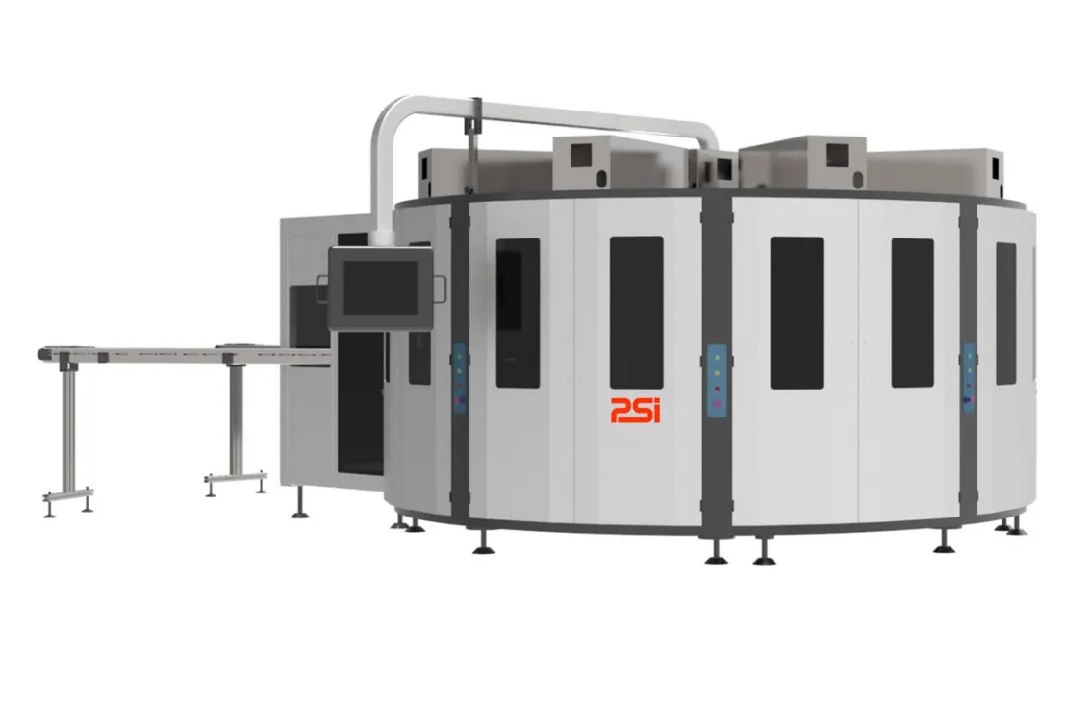
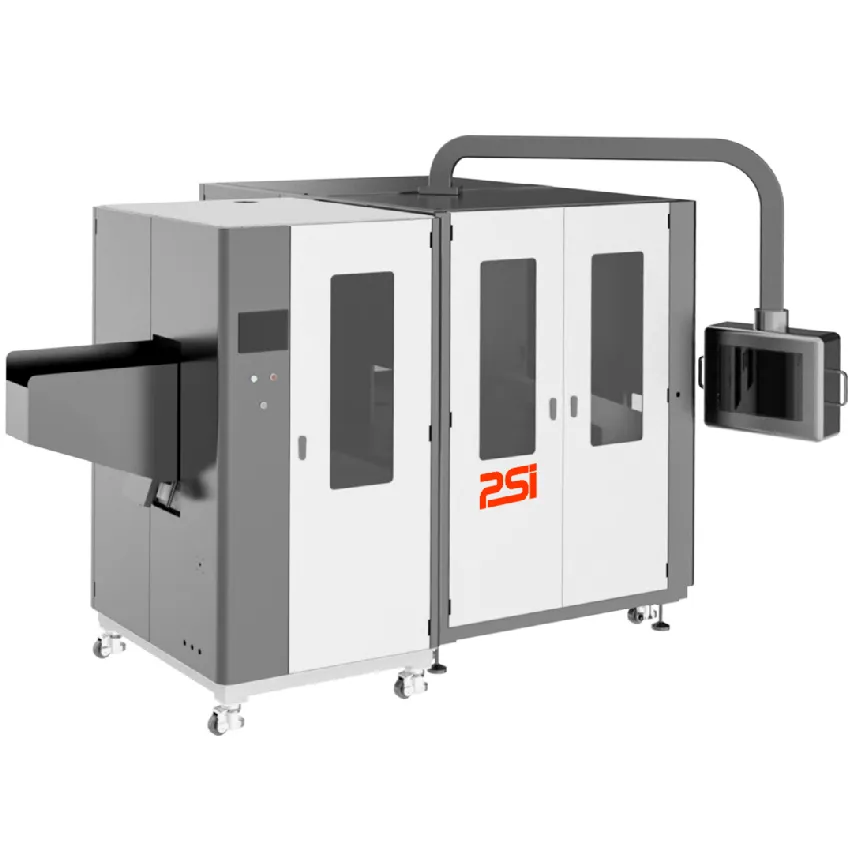
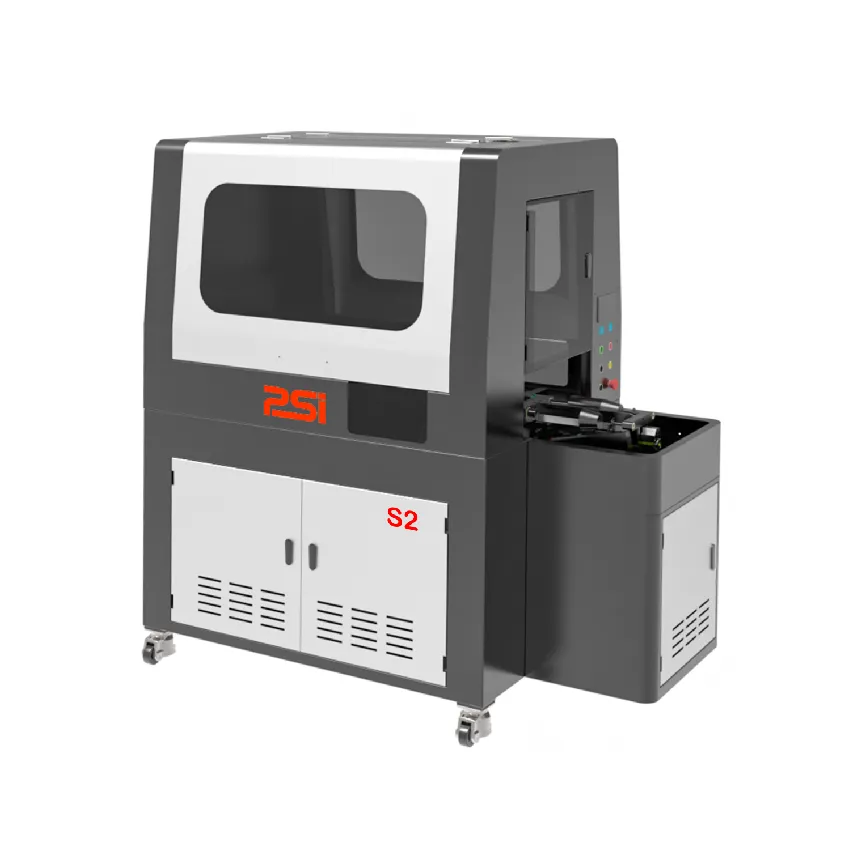
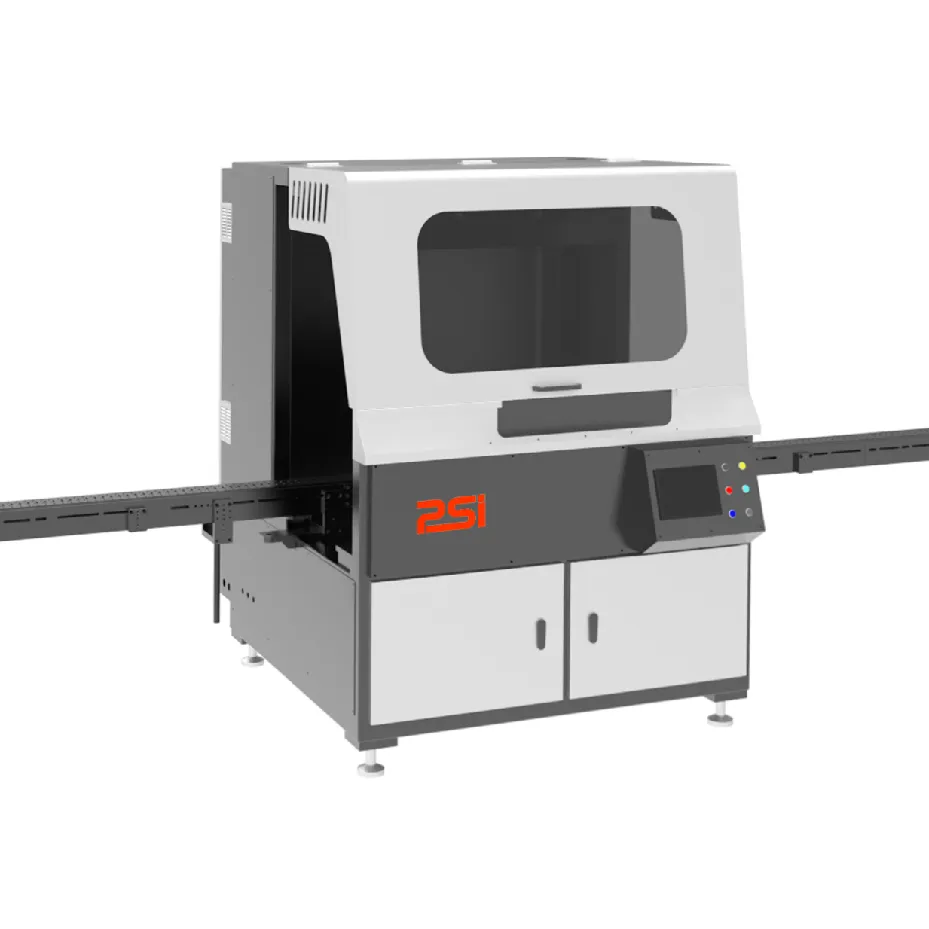
A rotary digital inkjet printer represents a revolutionary advancement in industrial printing technology, combining the precision of digital inkjet systems with the efficiency of rotary printing mechanisms. This sophisticated printing solution utilizes cylindrical drums or rotating substrates to enable continuous, high-speed printing operations across various materials and surfaces. The rotary digital inkjet printer integrates advanced digital control systems with mechanical rotation components, creating a seamless production environment that delivers exceptional print quality while maintaining optimal operational efficiency. The core functionality of this printing system centers around its ability to apply precise droplets of ink onto moving substrates through digitally controlled nozzles. As materials pass through the rotary mechanism, the inkjet heads strategically positioned around the cylinder deliver accurate color placement and pattern reproduction. This process ensures consistent print quality across extended production runs, making it ideal for applications requiring both speed and precision. Technologically, the rotary digital inkjet printer incorporates cutting-edge features including variable drop technology, advanced color management systems, and real-time quality monitoring capabilities. The integration of servo motors and precision encoders ensures perfect synchronization between substrate movement and ink delivery, resulting in sharp, vibrant prints with minimal waste. These printers often feature modular inkjet head configurations, allowing operators to customize the system based on specific production requirements. The versatility of applications spans multiple industries, from packaging and labeling to textile printing and decorative materials. In packaging applications, the rotary digital inkjet printer excels at producing high-resolution graphics, barcodes, and variable data elements on flexible films, paperboard, and corrugated materials. Textile manufacturers utilize these systems for creating intricate patterns and designs on fabrics, while the labeling industry benefits from the precision and speed capabilities for producing adhesive labels and product identification materials.

New Product Releases

The rotary digital inkjet printer delivers substantial operational benefits that transform production capabilities for businesses across multiple sectors. Speed stands as the primary advantage, with these systems capable of processing materials at velocities exceeding traditional printing methods by significant margins. Unlike conventional printing processes that require setup time between jobs, the rotary digital inkjet printer enables immediate production starts, eliminating costly downtime and increasing overall productivity. This rapid processing capability translates directly into higher output volumes and improved delivery schedules for time-sensitive projects. Cost efficiency emerges as another compelling benefit, particularly in variable data printing applications where each print can feature unique information without additional setup costs. The rotary digital inkjet printer eliminates the need for printing plates, reducing both material expenses and preparation time. This plate-free operation allows businesses to produce shorter runs economically, opening opportunities for personalized products and just-in-time manufacturing strategies. The reduction in waste materials further contributes to cost savings, as digital precision minimizes overruns and rejected prints. Quality consistency represents a significant advantage that sets the rotary digital inkjet printer apart from traditional alternatives. The digital control systems maintain precise ink placement and color accuracy throughout extended production runs, ensuring that the first print matches the last print in quality and appearance. This consistency proves particularly valuable for brand-sensitive applications where color accuracy and image sharpness directly impact market perception. The ability to maintain quality standards without manual adjustments reduces labor requirements and eliminates human error factors. Flexibility in substrate handling provides operational advantages that expand business opportunities. The rotary digital inkjet printer accommodates various material types, thicknesses, and surface textures without requiring mechanical adjustments or tooling changes. This versatility allows businesses to diversify their product offerings and respond quickly to market demands for different materials or specifications. The system's ability to handle both rigid and flexible substrates means manufacturers can serve multiple market segments with a single printing platform. Environmental benefits also contribute to the overall advantages, as the rotary digital inkjet printer typically uses water-based or eco-friendly inks that reduce environmental impact compared to solvent-based alternatives.

Latest News

Enhancing Your Brand's Impact with PSI's Cutting-Edge Inkjet Digital Printing Machines

27

Sep

Enhancing Your Brand's Impact with PSI's Cutting-Edge Inkjet Digital Printing Machines

In the domain of industrial digital printing, under the commonly used terminology of the PSI Company, high-quality inkjet digital printing machines have been successfully produced and introduced to a wide range of industries. The performance of the c...
View More
PSI Cutting-Edge Digital Inkjet and Screen Printing Machines

27

Sep

PSI Cutting-Edge Digital Inkjet and Screen Printing Machines

In today's fast-paced business environment, the impact of visual communication cannot be overstated. Brands are constantly seeking ways to stand out and connect with their audience through eye-catching designs and high-quality prints. PSI, a leading ...
View More
PSI Heat Transfer Machines:  in Customized Branding Solutions

27

Sep

PSI Heat Transfer Machines: in Customized Branding Solutions

In the realm of printing and branding, PSI  stands out as a beacon of innovation and excellence. Specializing in heat transfer machines, PSI  offers a range of products that cater to various industries, from textiles to plastics, ensuring t...
View More

Get a Free Quote

Our representative will contact you soon.
Email
Name
Company Name
Message
0/1000

rotary digital inkjet printer

Advanced Digital Precision Control Systems

Advanced Digital Precision Control Systems

The rotary digital inkjet printer incorporates sophisticated digital precision control systems that revolutionize printing accuracy and consistency across all production environments. These advanced control mechanisms utilize high-resolution encoders and real-time feedback systems to ensure perfect synchronization between substrate movement and ink delivery, creating an unprecedented level of printing precision. The digital control architecture monitors substrate positioning with micrometer accuracy, automatically adjusting ink droplet timing and placement to compensate for any variations in material speed or positioning. This technology eliminates the registration issues commonly associated with mechanical printing systems, ensuring that multi-color prints maintain perfect alignment throughout the entire production run. The precision control systems also incorporate advanced color management algorithms that maintain consistent color reproduction across different substrates and environmental conditions. These algorithms automatically adjust ink density and color mixing ratios based on substrate characteristics, ambient temperature, and humidity levels, ensuring that color accuracy remains constant regardless of external factors. The rotary digital inkjet printer's control systems feature predictive maintenance capabilities that monitor system performance in real-time, identifying potential issues before they impact print quality or production schedules. This proactive approach minimizes unexpected downtime and maintains consistent output quality. The user interface provides intuitive access to all control parameters, allowing operators to fine-tune settings for specific applications without requiring extensive technical expertise. The digital precision extends to variable data handling, where the rotary digital inkjet printer can process complex data streams containing unique information for each print impression. This capability enables mass customization applications where each printed item contains personalized text, images, or codes while maintaining production speeds comparable to static printing. The control systems also support remote monitoring and diagnostics, allowing technical support teams to troubleshoot issues and optimize performance without physical access to the equipment.
High-Speed Continuous Production Capability

High-Speed Continuous Production Capability

The rotary digital inkjet printer delivers exceptional high-speed continuous production capability that transforms manufacturing efficiency and operational productivity for businesses requiring rapid output without compromising quality standards. The rotary mechanism enables continuous substrate feeding and printing operations, eliminating the stop-start cycles inherent in flatbed or sheet-fed printing systems. This continuous operation capability allows the rotary digital inkjet printer to achieve production speeds that significantly exceed traditional printing methods, often processing materials at rates of several hundred feet per minute while maintaining precise print quality. The continuous production design minimizes handling requirements and reduces opportunities for substrate damage or contamination during the printing process. The high-speed capability stems from the rotary digital inkjet printer's ability to maintain consistent substrate tension and velocity throughout the printing process, ensuring that ink placement remains accurate even at maximum operating speeds. Advanced web handling systems integrated into the rotary mechanism provide precise tension control and edge guiding, preventing substrate wandering or stretching that could compromise print registration. The continuous operation also enables efficient integration with downstream finishing processes such as cutting, laminating, or packaging, creating streamlined production workflows that maximize overall system efficiency. This integration capability allows manufacturers to create complete production lines centered around the rotary digital inkjet printer, reducing material handling and labor requirements while improving product quality and consistency. The high-speed production capability proves particularly valuable for applications requiring large volumes of printed materials with tight delivery deadlines. The rotary digital inkjet printer can complete jobs that would require days using conventional methods in hours, enabling businesses to respond quickly to urgent orders or take advantage of time-sensitive market opportunities. The continuous production capability also supports lights-out manufacturing operations, where the rotary digital inkjet printer can operate unattended for extended periods, further increasing productivity and reducing labor costs while maintaining consistent output quality throughout unmanned production shifts.
Versatile Multi-Substrate Compatibility

Versatile Multi-Substrate Compatibility

The rotary digital inkjet printer demonstrates remarkable versatile multi-substrate compatibility that enables businesses to diversify their product offerings and serve multiple market segments with a single printing platform. This comprehensive substrate handling capability encompasses an extensive range of materials including flexible films, paper products, textiles, metal foils, and specialty synthetic materials, each requiring different handling characteristics and ink formulations. The rotary digital inkjet printer's adaptive feeding systems automatically adjust to accommodate varying substrate thicknesses, surface textures, and flexibility characteristics without requiring manual reconfiguration or specialized tooling. This automatic adaptation capability significantly reduces setup time and eliminates the need for extensive operator training on different material types. The substrate compatibility extends beyond basic material handling to include specialized surface treatments and coatings that optimize ink adhesion and print quality for each specific application. The rotary digital inkjet printer can process substrates with barrier coatings, release liners, adhesive surfaces, and textured finishes, maintaining consistent print quality across all material variations. This versatility proves particularly valuable for packaging applications where different products may require different substrate characteristics while maintaining consistent branding and graphic elements. The multi-substrate capability also enables businesses to offer value-added services such as security printing on specialized substrates, decorative printing on premium materials, and functional printing for electronic or industrial applications. The rotary digital inkjet printer's ink delivery systems accommodate various ink chemistries optimized for different substrate types, including UV-curable inks for non-porous surfaces, water-based inks for porous materials, and specialty inks for specific functional requirements. This ink flexibility ensures optimal adhesion, durability, and appearance characteristics for each application while maintaining the high-speed production capabilities that distinguish the rotary digital inkjet printer from alternative printing methods. The substrate compatibility also includes the ability to handle pre-printed materials for overprinting applications, enabling businesses to add variable information, security features, or decorative elements to existing printed products without compromising the underlying graphics or substrate integrity.