Digital Inkjet Printing Machine: Advanced Technology for Professional Printing Solutions

Contact me immediately if you encounter problems!

All Categories

digital inkjet printing machine

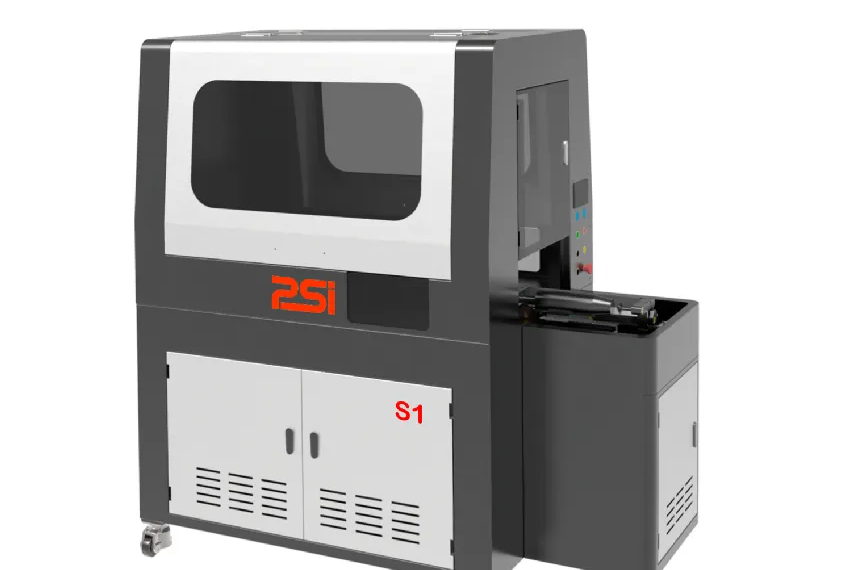
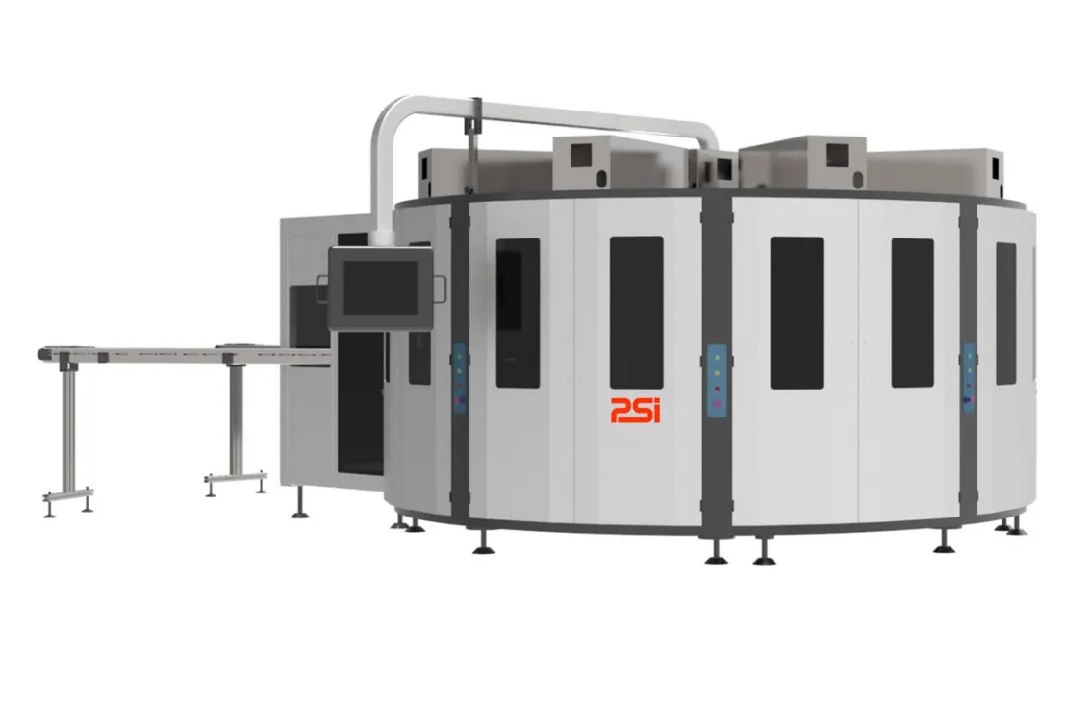
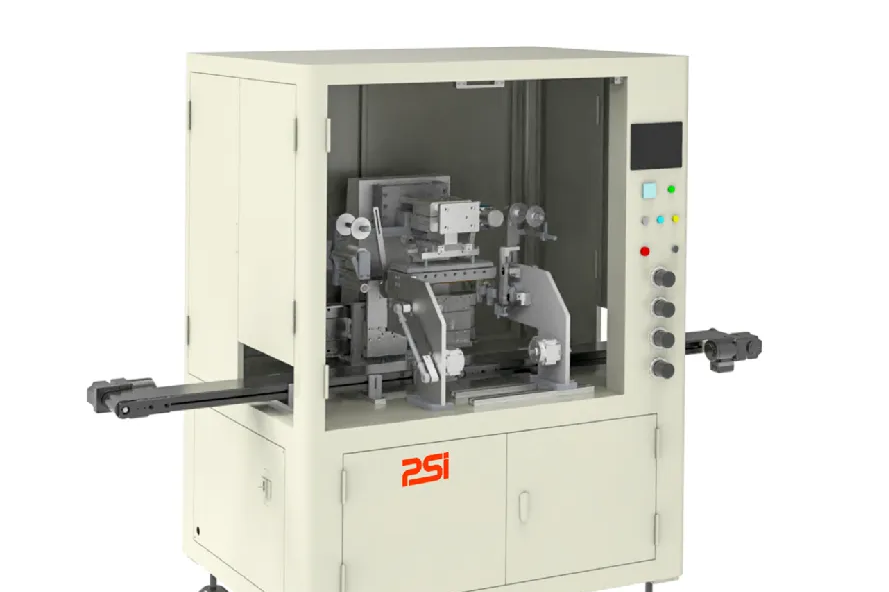
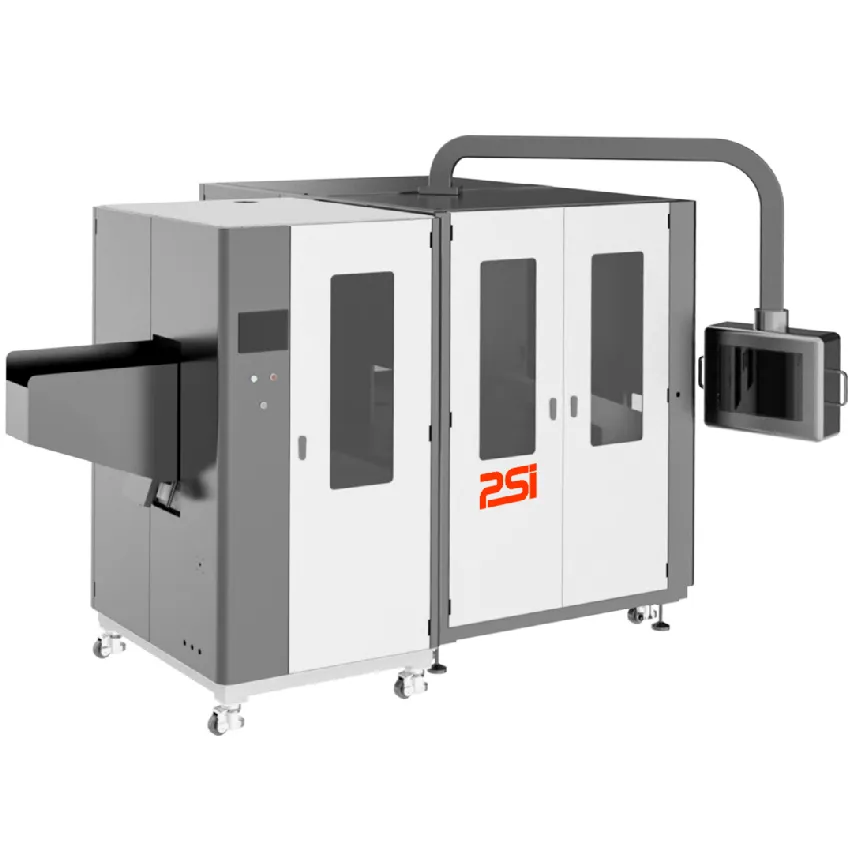
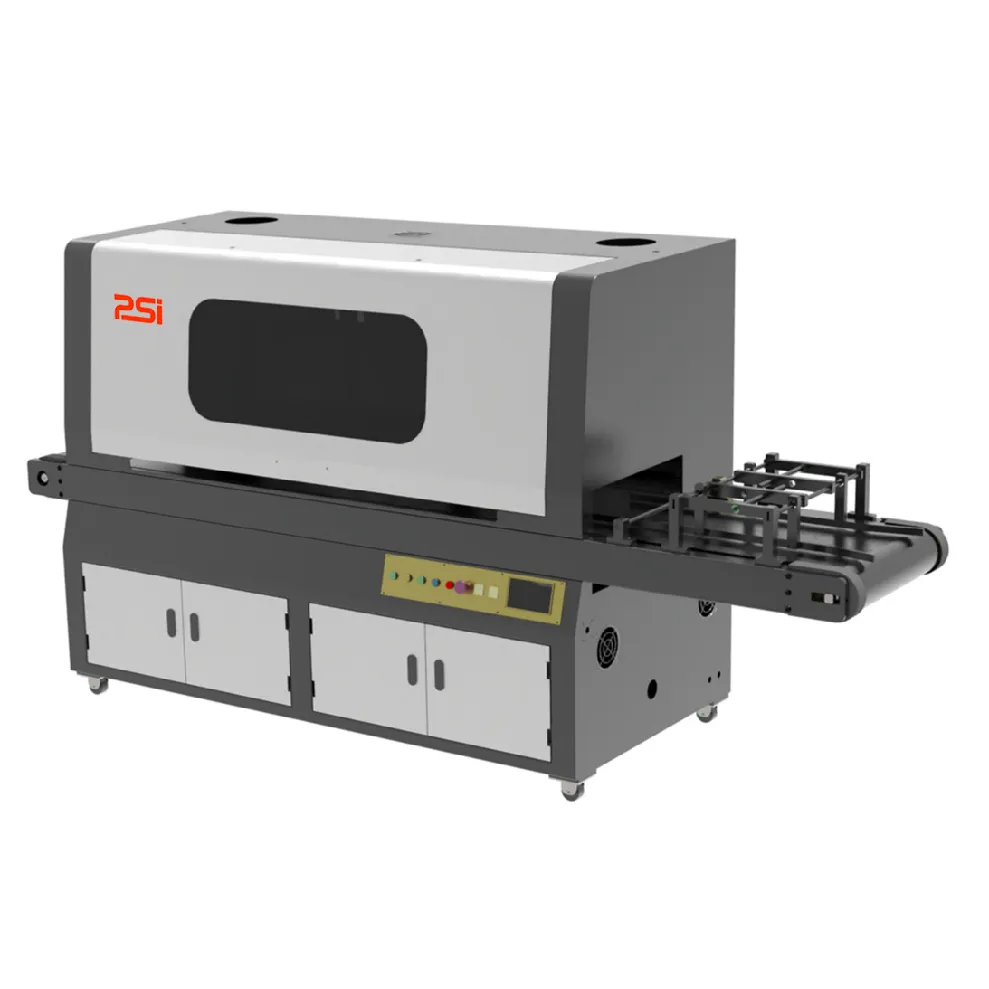
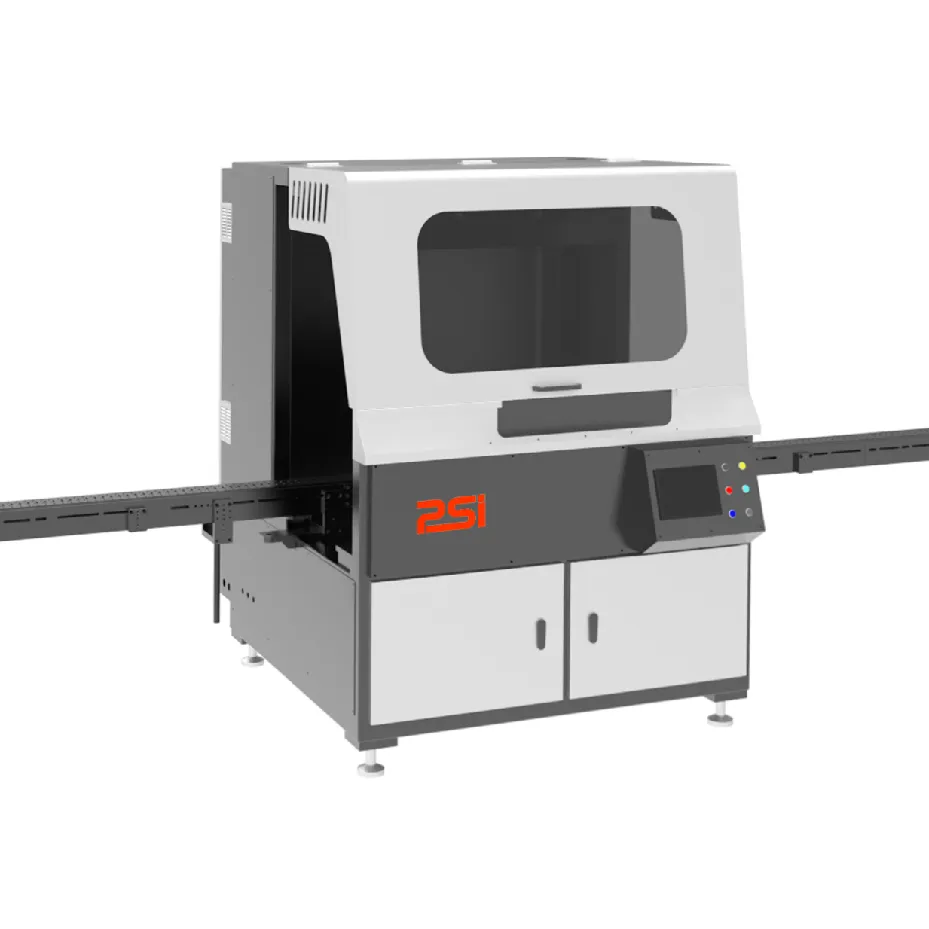
The digital inkjet printing machine represents a revolutionary advancement in modern printing technology, transforming how businesses approach their printing needs across various industries. This sophisticated equipment utilizes advanced inkjet technology to deliver exceptional print quality while maintaining remarkable efficiency and versatility. Unlike traditional printing methods, the digital inkjet printing machine operates by precisely ejecting tiny droplets of ink onto substrates through computer-controlled print heads, enabling superior accuracy and consistency in every print job. The core functionality of this printing system encompasses high-resolution output capabilities, supporting resolutions up to 1440 dpi or higher, ensuring crisp text and vibrant imagery that meets professional standards. The machine's technological features include variable drop technology, which allows for optimal ink placement and color density control, resulting in smooth gradations and sharp details. Advanced color management systems integrated within the digital inkjet printing machine ensure accurate color reproduction across different media types, from standard paper to specialized substrates like vinyl, canvas, and synthetic materials. The versatility of applications for digital inkjet printing machines spans numerous sectors, including commercial printing, textile manufacturing, packaging production, signage creation, and architectural graphics. These machines excel in both short-run and long-run production scenarios, making them ideal for businesses requiring flexible printing solutions. The digital workflow integration allows seamless connectivity with design software and RIP systems, streamlining the entire production process from file preparation to final output. Modern digital inkjet printing machines also feature automatic maintenance systems that ensure consistent print quality while minimizing downtime, making them reliable workhorses for demanding production environments.
New Product Releases

The digital inkjet printing machine offers numerous compelling advantages that directly benefit businesses seeking efficient and cost-effective printing solutions. First and foremost, these machines eliminate the need for expensive plates or screens, significantly reducing setup costs and enabling economical short-run productions that would be prohibitively expensive with traditional methods. This plate-free operation means businesses can print single copies or small quantities without worrying about minimum order requirements, providing unprecedented flexibility in meeting customer demands. The speed advantage of digital inkjet printing machines cannot be overstated, as they can transition from one job to another within minutes, eliminating lengthy setup procedures that plague conventional printing processes. This rapid job changeover capability allows print service providers to handle multiple projects simultaneously, increasing overall productivity and revenue potential. Quality consistency represents another major strength, as digital inkjet printing machines maintain uniform output throughout entire print runs, eliminating the color variations and registration issues common in traditional printing methods. The environmental benefits of these machines appeal to eco-conscious businesses, as they produce minimal waste compared to conventional printing processes that generate significant plate and chemical waste. Digital inkjet printing machines also support variable data printing, enabling personalized marketing materials, customized packaging, and targeted communications that enhance customer engagement and response rates. The wide substrate compatibility of these machines opens new market opportunities, allowing businesses to print on materials ranging from thin films to thick boards, expanding their service offerings and attracting diverse clientele. Maintenance requirements for digital inkjet printing machines are typically lower than traditional equipment, as they have fewer mechanical components and automated cleaning systems that reduce manual intervention. The digital workflow integration streamlines operations by eliminating film output and plate production steps, reducing labor costs and potential human errors while accelerating project turnaround times. Additionally, the ability to proof and adjust jobs digitally before final production saves both time and materials, ensuring customer satisfaction while minimizing reprints and associated costs.

Practical Tips

Enhancing Your Brand's Impact with PSI's Cutting-Edge Inkjet Digital Printing Machines

27

Sep

Enhancing Your Brand's Impact with PSI's Cutting-Edge Inkjet Digital Printing Machines

In the domain of industrial digital printing, under the commonly used terminology of the PSI Company, high-quality inkjet digital printing machines have been successfully produced and introduced to a wide range of industries. The performance of the c...
View More
PSI Cutting-Edge Digital Inkjet and Screen Printing Machines

27

Sep

PSI Cutting-Edge Digital Inkjet and Screen Printing Machines

In today's fast-paced business environment, the impact of visual communication cannot be overstated. Brands are constantly seeking ways to stand out and connect with their audience through eye-catching designs and high-quality prints. PSI, a leading ...
View More
PSI Heat Transfer Machines:  in Customized Branding Solutions

27

Sep

PSI Heat Transfer Machines: in Customized Branding Solutions

In the realm of printing and branding, PSI  stands out as a beacon of innovation and excellence. Specializing in heat transfer machines, PSI  offers a range of products that cater to various industries, from textiles to plastics, ensuring t...
View More

Get a Free Quote

Our representative will contact you soon.
Email
Name
Company Name
Message
0/1000

digital inkjet printing machine

Advanced Print Head Technology and Precision Control

Advanced Print Head Technology and Precision Control

The heart of any digital inkjet printing machine lies in its sophisticated print head technology, which represents the pinnacle of precision engineering and innovative design. Modern digital inkjet printing machines incorporate piezoelectric or thermal print heads that can precisely control individual ink droplets with microscopic accuracy, enabling exceptional print quality that rivals or exceeds traditional printing methods. These advanced print heads feature hundreds or thousands of nozzles that work in perfect synchronization, delivering consistent ink droplet placement across the entire print width. The variable droplet technology allows the digital inkjet printing machine to produce droplets of different sizes, from as small as 1.5 picoliters to larger droplets for solid coverage, ensuring optimal image quality for various content types. This precision control enables smooth color transitions, sharp text reproduction, and fine detail rendering that meets the demanding requirements of professional printing applications. The multi-channel ink delivery system integrated with the print head technology allows for accurate color mixing and density control, ensuring consistent color reproduction across different print jobs and substrates. Advanced print head maintenance systems automatically monitor nozzle performance and execute cleaning cycles when necessary, maintaining optimal print quality while minimizing operator intervention. The modular design of print head assemblies in premium digital inkjet printing machines allows for easy replacement and upgrades, protecting the customer's investment while ensuring continued performance excellence. Temperature and humidity sensors work in conjunction with print head controls to maintain optimal printing conditions, automatically adjusting parameters to compensate for environmental variations that could affect print quality. This intelligent print head management extends the lifespan of consumable components while ensuring consistent output quality regardless of operating conditions.
Versatile Media Handling and Substrate Compatibility

Versatile Media Handling and Substrate Compatibility

One of the most compelling features of the digital inkjet printing machine is its remarkable ability to handle an extensive range of media types and substrates, providing unparalleled versatility for diverse printing applications. This adaptability stems from sophisticated media handling systems that can accommodate substrates ranging from ultra-thin films measuring just 80 microns to rigid boards up to several centimeters thick. The advanced media feeding mechanisms incorporate precision rollers, vacuum systems, and adjustable guides that ensure smooth substrate transport regardless of material characteristics. The digital inkjet printing machine's substrate compatibility extends far beyond traditional paper, encompassing synthetic materials, textiles, vinyl, canvas, metal sheets, and specialty films used in packaging and industrial applications. This versatility enables businesses to diversify their service offerings and tap into new market segments that require specialized printing solutions. The intelligent media detection systems automatically recognize substrate properties and adjust printing parameters accordingly, optimizing ink adhesion, curing settings, and print speed for each specific material type. Variable thickness accommodation allows the same digital inkjet printing machine to handle everything from lightweight papers to corrugated substrates without manual adjustments or equipment changes. The precision media alignment systems ensure accurate registration and consistent margins across all substrate types, maintaining professional quality standards regardless of material challenges. Advanced curing and drying systems integrated into the digital inkjet printing machine are specifically designed to work with various ink formulations and substrate combinations, ensuring proper ink adhesion and durability across diverse applications. The modular media path design allows for easy reconfiguration to accommodate special substrates or unique finishing requirements, providing flexibility that traditional printing methods simply cannot match. This comprehensive substrate compatibility positions the digital inkjet printing machine as a versatile solution for businesses seeking to expand their capabilities and serve diverse customer needs with a single equipment investment.
Smart Workflow Integration and Automated Quality Control

Smart Workflow Integration and Automated Quality Control

The digital inkjet printing machine excels in its seamless integration with modern digital workflows, incorporating intelligent automation systems that streamline operations from job submission to final delivery. This sophisticated workflow management capability represents a fundamental advantage over traditional printing methods, enabling businesses to handle complex projects with minimal manual intervention while maintaining exceptional quality standards. The integrated RIP processing systems within the digital inkjet printing machine automatically optimize file preparation, color management, and print queue scheduling, reducing processing time and eliminating potential bottlenecks in high-volume production environments. Advanced color management algorithms ensure consistent color reproduction across different substrates and printing conditions, automatically adjusting ink densities and color profiles to maintain brand color accuracy throughout production runs. The real-time quality monitoring systems continuously scan printed output during production, instantly detecting and correcting minor variations before they become visible quality issues. These automated quality control features include inline spectrophotometers, registration sensors, and defect detection cameras that work together to maintain consistent output quality without operator intervention. The predictive maintenance capabilities of modern digital inkjet printing machines analyze operational data to forecast maintenance requirements, automatically scheduling cleaning cycles and component replacements to minimize unexpected downtime. Web-based monitoring interfaces allow remote oversight of multiple digital inkjet printing machines, enabling centralized production management and real-time performance optimization across distributed facilities. The automated job costing and reporting features track material usage, production times, and quality metrics for each project, providing valuable data for business optimization and customer billing accuracy. Integration with enterprise resource planning systems enables seamless workflow from order entry through production planning to final delivery scheduling, eliminating manual data transfer and reducing administrative overhead. The intelligent waste reduction algorithms optimize ink usage and minimize substrate waste by automatically nesting jobs and calculating optimal printing sequences, contributing to both cost savings and environmental sustainability goals.