Professional Screen Printing Device Solutions - Advanced Printing Technology for Commercial Production

Contact me immediately if you encounter problems!

All Categories

screen printing device

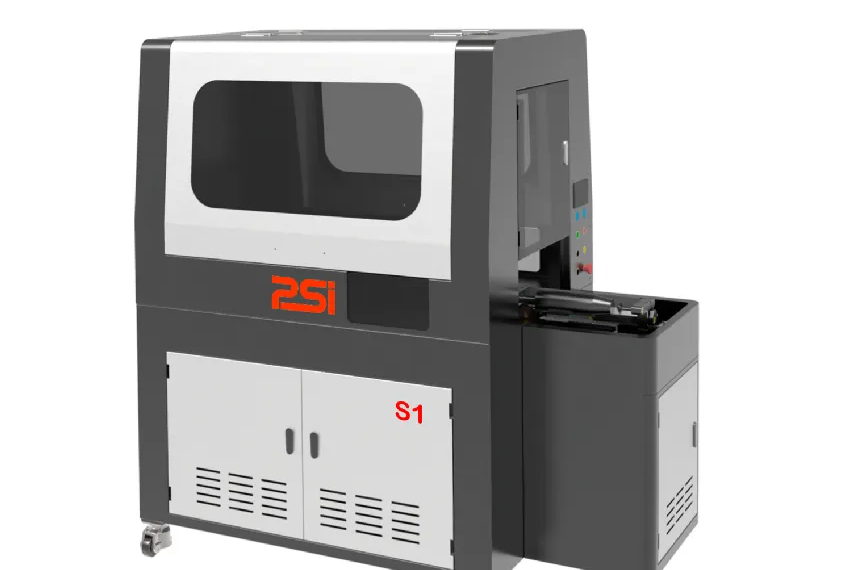
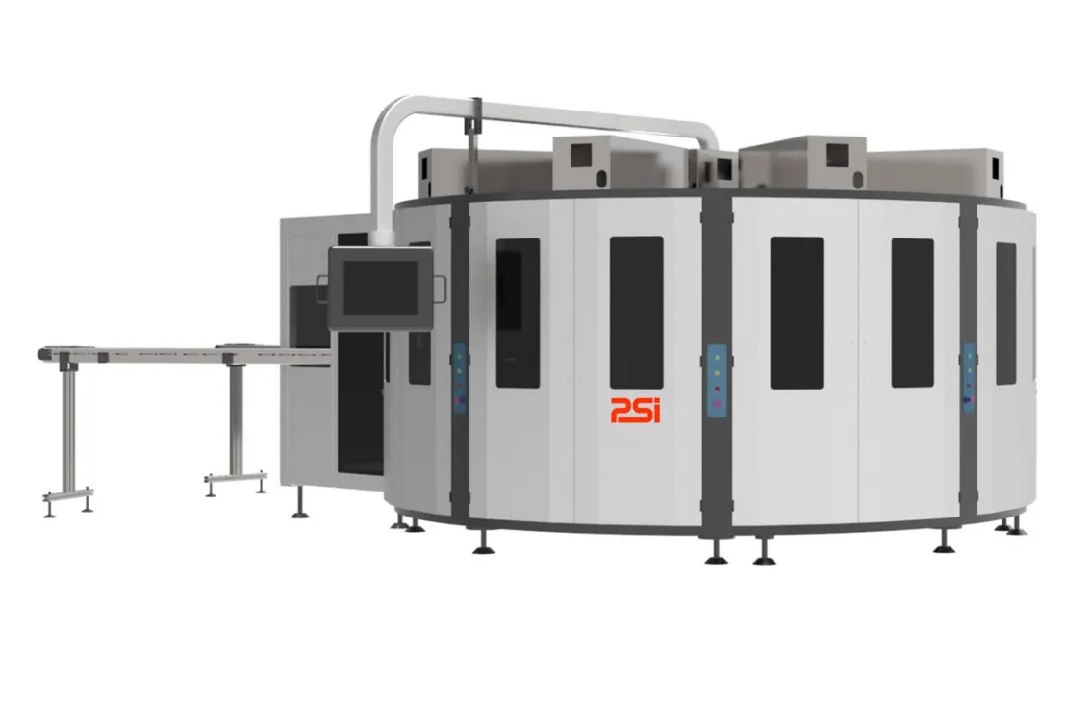
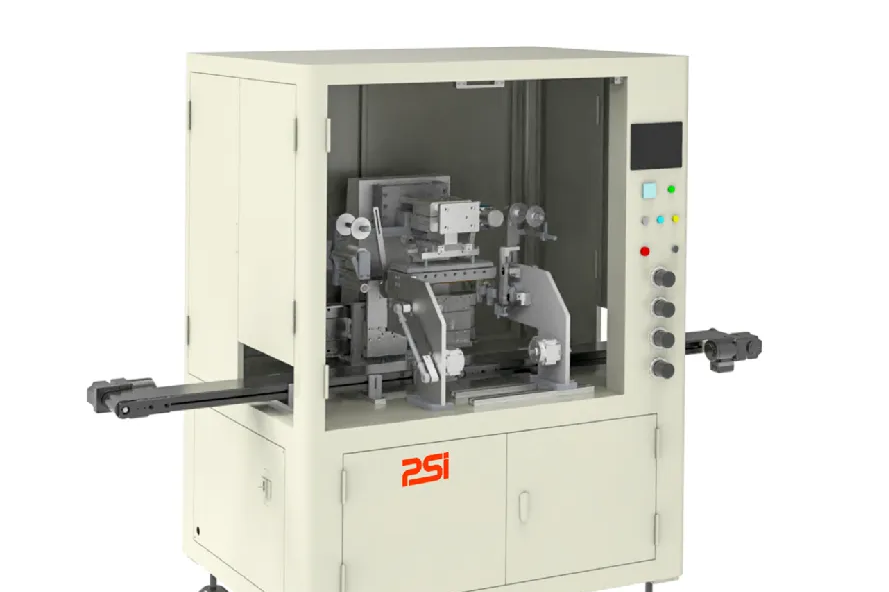
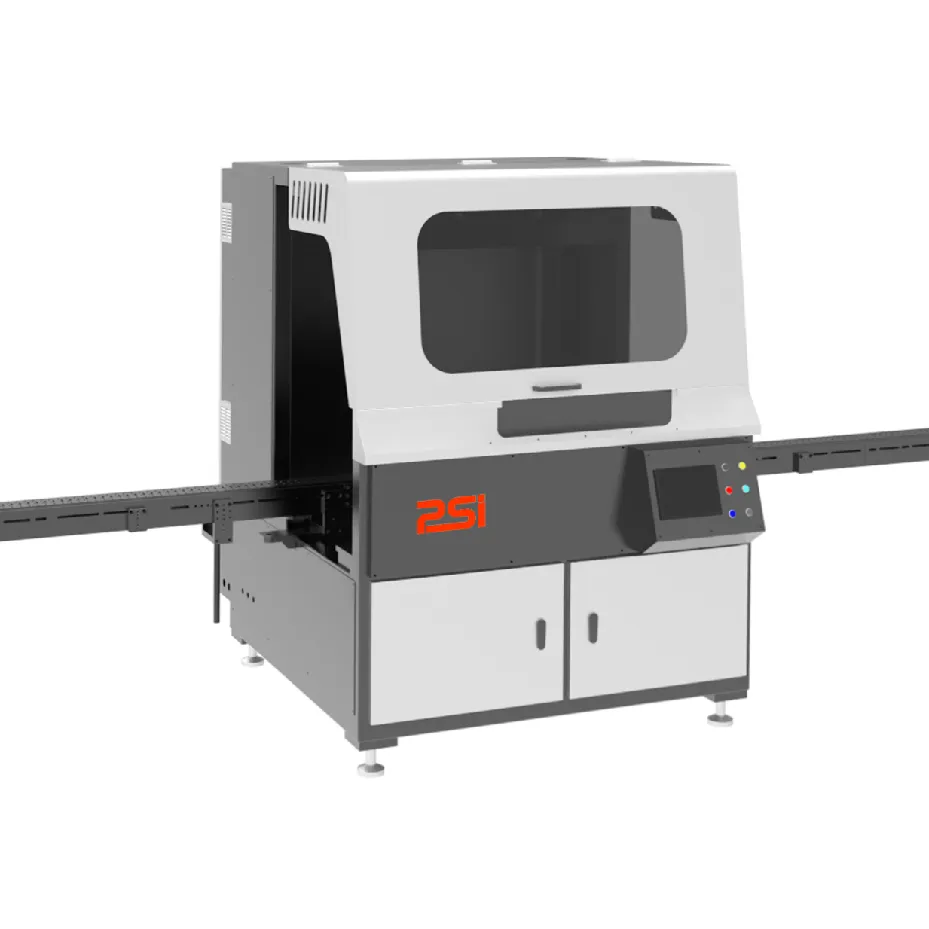
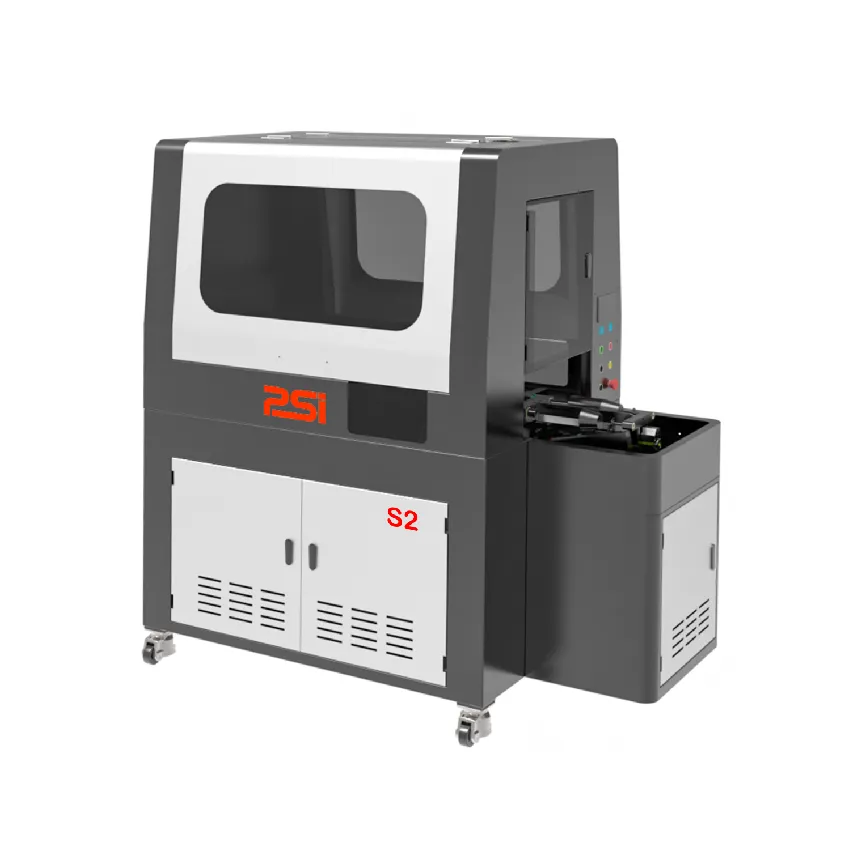
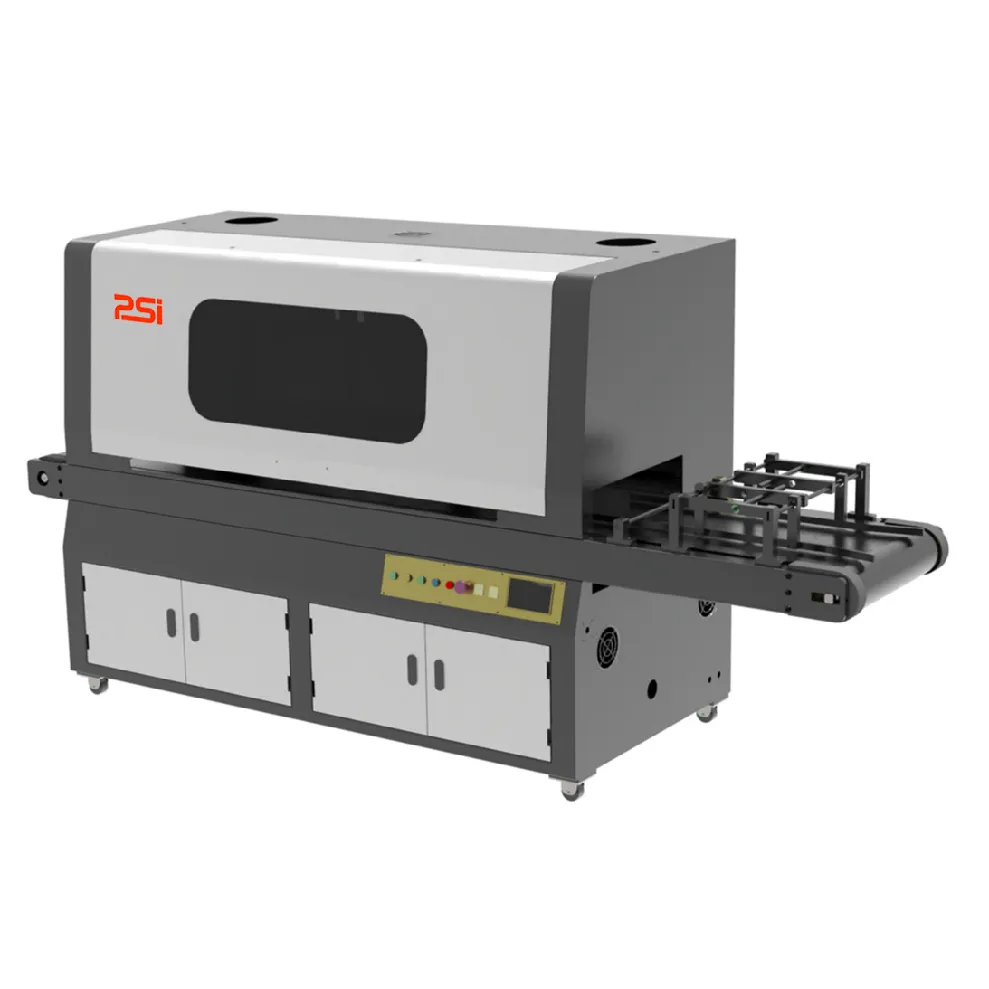
A screen printing device represents a sophisticated piece of equipment designed to transfer ink through a mesh screen onto various substrates with exceptional precision and consistency. This versatile printing technology operates on the fundamental principle of forcing ink through a prepared stencil screen using a squeegee blade, creating crisp and vibrant prints on materials ranging from textiles and plastics to metal and glass surfaces. Modern screen printing devices incorporate advanced automation features, precise registration systems, and temperature control mechanisms that ensure superior print quality across large production runs. The core functionality of these machines centers around their ability to maintain consistent pressure, speed, and ink distribution throughout the printing process, which results in uniform color saturation and sharp detail reproduction. Contemporary screen printing devices feature multiple printing stations that enable multi-color printing in a single pass, significantly reducing production time while maintaining color accuracy and registration precision. The technological architecture includes pneumatic or servo-driven squeegee systems that provide consistent pressure application, automated substrate feeding mechanisms for continuous operation, and sophisticated control panels that allow operators to fine-tune printing parameters for optimal results. These machines accommodate various screen mesh counts and ink formulations, making them suitable for printing fine details on delicate materials or bold graphics on heavy-duty substrates. The versatility of screen printing devices extends to their ability to handle different substrate thicknesses and sizes, from small promotional items to large format graphics and signage. Advanced models incorporate vacuum hold-down systems that secure substrates during printing, preventing movement and ensuring precise registration across multiple colors. The heating and curing capabilities of modern screen printing devices include infrared heaters, convection ovens, and UV curing systems that properly set inks according to their specific requirements, ensuring durability and washfastness of printed materials.

New Products

Screen printing devices offer numerous compelling advantages that make them the preferred choice for businesses seeking reliable, high-quality printing solutions. The primary benefit lies in their exceptional durability and longevity, as these machines produce prints that maintain their vibrancy and integrity even after extensive washing, outdoor exposure, and regular use. This durability stems from the thick ink deposits that screen printing devices apply, creating a substantial layer of color that bonds effectively with the substrate material. The cost-effectiveness of screen printing devices becomes particularly evident in large production runs, where the per-unit cost decreases significantly as volume increases, making it an economical choice for bulk orders and commercial applications. These machines deliver superior color opacity and vibrancy compared to other printing methods, especially when printing on dark or colored substrates where the thick ink coverage ensures excellent color visibility and contrast. The versatility of screen printing devices allows businesses to print on an extensive range of materials including cotton, polyester, canvas, plastic, metal, glass, and wood, providing flexibility to expand into diverse markets and applications. Speed and efficiency represent major advantages as modern screen printing devices can produce hundreds or thousands of prints per hour, depending on the complexity and size of the design. The setup process, while requiring initial preparation time, allows for rapid production once the screens are prepared and the machine is calibrated. Quality consistency remains a standout feature, as screen printing devices maintain uniform color saturation, precise registration, and sharp detail reproduction across entire production runs without variation. The thick ink application creates a tactile quality that many customers prefer, giving printed materials a premium feel and enhanced visual impact. Screen printing devices excel at producing special effects including metallic finishes, glow-in-the-dark inks, and textured applications that would be difficult or impossible to achieve with other printing methods. The scalability of these machines allows businesses to start with smaller manual or semi-automatic units and upgrade to fully automated systems as their production needs grow. Maintenance requirements are relatively straightforward, with most routine maintenance tasks easily performed by operators, reducing downtime and operational costs. The ability to mix custom colors and achieve exact color matching ensures brand consistency and customer satisfaction across all printed materials.

Tips And Tricks

Enhancing Your Brand's Impact with PSI's Cutting-Edge Inkjet Digital Printing Machines

27

Sep

Enhancing Your Brand's Impact with PSI's Cutting-Edge Inkjet Digital Printing Machines

In the domain of industrial digital printing, under the commonly used terminology of the PSI Company, high-quality inkjet digital printing machines have been successfully produced and introduced to a wide range of industries. The performance of the c...
View More
PSI Cutting-Edge Digital Inkjet and Screen Printing Machines

27

Sep

PSI Cutting-Edge Digital Inkjet and Screen Printing Machines

In today's fast-paced business environment, the impact of visual communication cannot be overstated. Brands are constantly seeking ways to stand out and connect with their audience through eye-catching designs and high-quality prints. PSI, a leading ...
View More
PSI Heat Transfer Machines:  in Customized Branding Solutions

27

Sep

PSI Heat Transfer Machines: in Customized Branding Solutions

In the realm of printing and branding, PSI  stands out as a beacon of innovation and excellence. Specializing in heat transfer machines, PSI  offers a range of products that cater to various industries, from textiles to plastics, ensuring t...
View More

Get a Free Quote

Our representative will contact you soon.
Email
Name
Company Name
Message
0/1000

screen printing device

Advanced Multi-Color Registration System

Advanced Multi-Color Registration System

The advanced multi-color registration system represents the pinnacle of precision engineering in modern screen printing devices, delivering unparalleled accuracy in color alignment and print quality. This sophisticated system utilizes micro-adjustable registration pins, pneumatic screen clamps, and digital positioning feedback to ensure that each color layer aligns perfectly with previous layers, creating seamless multi-color designs without registration errors. The technology incorporates laser-guided alignment systems that provide visual confirmation of proper screen placement, while servo-controlled positioning mechanisms make minute adjustments measured in fractions of millimeters to maintain perfect registration throughout extended production runs. This precision becomes crucial when printing complex designs with tight tolerances, fine details, or when producing high-end products where quality standards demand flawless execution. The registration system adapts to various substrate thicknesses and materials, automatically compensating for dimensional changes that might occur due to temperature variations or material characteristics. Advanced screen printing devices feature memory storage capabilities that retain registration settings for frequently printed designs, allowing operators to quickly recall and reproduce exact positioning parameters for repeat orders. The system includes real-time monitoring sensors that detect any deviation from optimal registration and can automatically adjust or alert operators to prevent defective prints. This capability significantly reduces waste, improves production efficiency, and ensures consistent quality that meets the most demanding customer specifications. The multi-color registration system also facilitates rapid changeovers between different designs or color configurations, minimizing setup time and maximizing productive printing time. Professional screen printing devices incorporate graduated adjustment mechanisms with both coarse and fine positioning controls, enabling operators to achieve perfect registration even when working with challenging substrates or complex multi-color designs that require exceptional precision.
Intelligent Temperature Control and Curing Technology

Intelligent Temperature Control and Curing Technology

Intelligent temperature control and curing technology in modern screen printing devices revolutionizes the ink curing process, ensuring optimal adhesion, durability, and finish quality across diverse ink formulations and substrate materials. This advanced system integrates multiple heating elements including infrared emitters, convection heaters, and forced-air circulation systems that create uniform temperature distribution throughout the curing chamber. The technology employs sophisticated temperature sensors and feedback control mechanisms that continuously monitor and adjust heating parameters to maintain precise temperature profiles required for different ink types, from plastisol and water-based inks to specialty formulations like metallic and glow-in-the-dark varieties. The intelligent control system features programmable temperature curves that optimize curing cycles for specific applications, reducing energy consumption while ensuring complete ink polymerization and superior wash resistance. Advanced screen printing devices incorporate zone-controlled heating systems that allow different temperature settings across the curing chamber, accommodating substrates with varying thickness or heat sensitivity requirements. The technology includes safety features such as over-temperature protection, emergency shutdown systems, and exhaust ventilation controls that maintain safe operating conditions while preserving print quality. Digital temperature displays and data logging capabilities enable operators to monitor curing performance and maintain consistent results across production batches. The system automatically adjusts conveyor speed and temperature settings based on substrate type and ink requirements, optimizing throughput while preventing undercuring or overcuring issues. Energy-efficient heating elements reduce operational costs while maintaining rapid heat-up times and stable operating temperatures. The curing technology also features programmable cool-down cycles that prevent thermal shock to printed materials and ensure proper ink set before handling. Advanced models incorporate UV curing capabilities for specialty inks, expanding the range of available printing options and enabling instant curing for high-speed production applications.
Automated Substrate Handling and Production Efficiency

Automated Substrate Handling and Production Efficiency

Automated substrate handling and production efficiency features in contemporary screen printing devices transform manufacturing workflows by eliminating manual intervention while maximizing throughput and maintaining consistent quality standards. This comprehensive automation system includes precision feeding mechanisms that accurately position substrates for printing, automated squeegee return systems that ensure consistent printing pressure and speed, and intelligent substrate removal systems that prevent bottlenecks in the production line. The technology incorporates sensors and feedback systems that detect substrate presence, thickness, and positioning, automatically adjusting machine parameters to accommodate different material specifications without manual reconfiguration. Advanced screen printing devices feature programmable logic controllers that coordinate all automation functions, enabling operators to establish complex production sequences that optimize efficiency while minimizing operator fatigue and potential human errors. The automated handling system includes vacuum hold-down tables that secure substrates during printing, preventing movement or displacement that could result in registration problems or print defects. Intelligent substrate feeding systems can accommodate various sizes and weights of materials, from lightweight fabrics to heavy-duty industrial substrates, automatically adjusting feeding speeds and handling mechanisms accordingly. The production efficiency features include automated cycle counting, job tracking, and quality monitoring systems that provide real-time production data and performance metrics. Advanced models incorporate predictive maintenance algorithms that monitor machine performance and component wear, scheduling maintenance activities to minimize unexpected downtime and extend equipment lifespan. The automation technology enables continuous operation with minimal supervision, allowing operators to focus on quality control, machine setup, and other value-added activities rather than repetitive manual tasks. Energy management systems optimize power consumption by adjusting machine operation based on production requirements and automatically entering standby modes during idle periods. The automated systems also include error detection and correction capabilities that identify and address common production issues such as ink starvation, screen clogging, or substrate misalignment before they result in defective prints or production delays.