Advanced Textile Inkjet Printer Solutions - High-Quality Digital Fabric Printing Technology

Contact me immediately if you encounter problems!

All Categories

textile inkjet printer

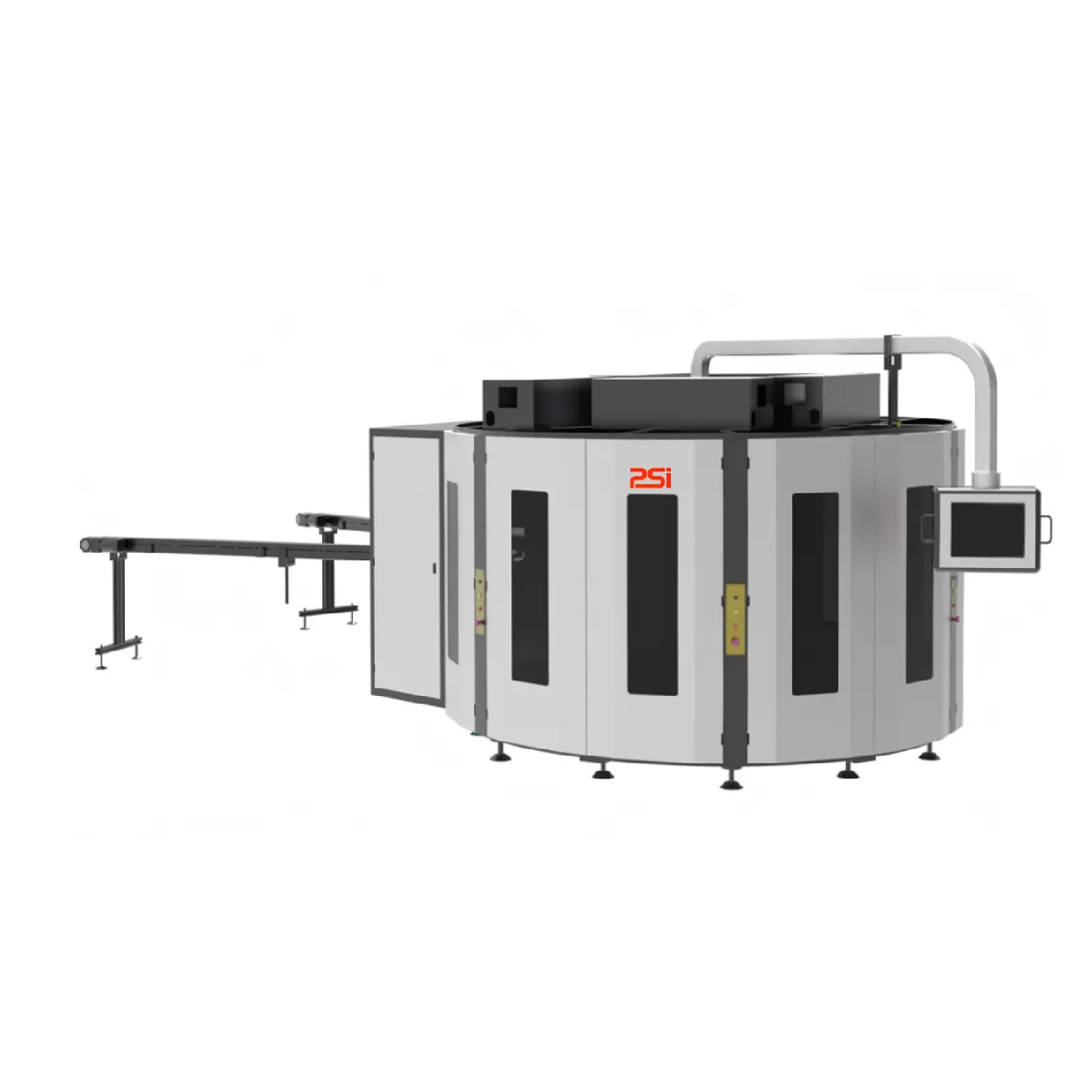
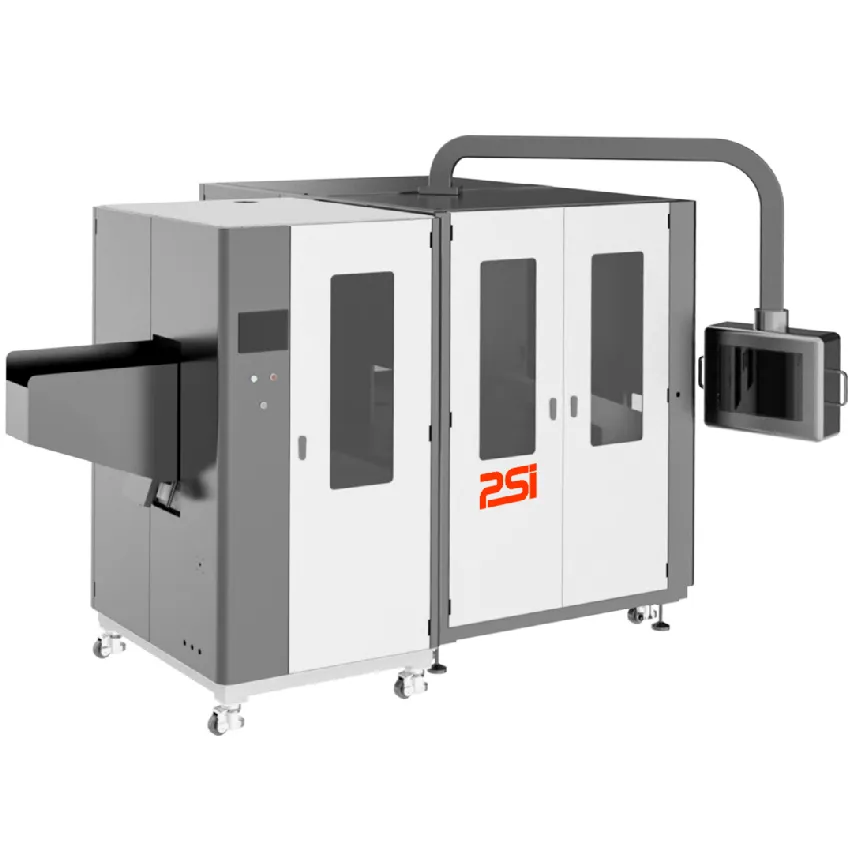
A textile inkjet printer represents a revolutionary digital printing technology that transforms the traditional fabric printing industry through precise ink droplet placement onto various textile materials. This sophisticated printing system utilizes advanced inkjet technology to deliver high-resolution designs directly onto fabrics, eliminating the need for traditional screen printing methods or transfer processes. The textile inkjet printer operates by propelling microscopic ink droplets through strategically positioned nozzles, creating detailed patterns, vibrant colors, and intricate designs on cotton, polyester, silk, wool, and blended fabrics. Modern textile inkjet printers incorporate multiple print heads that work simultaneously to achieve faster production speeds while maintaining exceptional print quality. These machines support various ink types, including reactive dyes, acid dyes, pigment inks, and sublimation inks, each formulated specifically for different fabric types and desired outcomes. The core functionality revolves around computerized design input, where digital artwork gets processed through specialized software that controls color management, print resolution, and ink distribution patterns. Advanced textile inkjet printers feature automatic fabric feeding systems, tension control mechanisms, and real-time monitoring capabilities that ensure consistent results throughout production runs. Temperature and humidity control systems maintain optimal printing conditions, while integrated drying units accelerate production cycles. The technology supports both roll-to-roll and piece-by-piece printing configurations, accommodating diverse production requirements from small custom orders to large-scale manufacturing. Quality control sensors continuously monitor print accuracy, detecting potential issues before they affect final products. These printers excel in producing photographic quality images, gradient effects, and complex multi-color designs that would be challenging or impossible with conventional printing methods. The digital workflow eliminates color separation processes, reduces setup times, and allows for immediate design modifications without recreating physical screens or plates.
New Product Releases

The textile inkjet printer delivers numerous compelling advantages that revolutionize fabric printing operations for businesses of all sizes. Cost efficiency stands as a primary benefit, as this technology eliminates expensive screen preparation, color separation processes, and minimum order requirements associated with traditional printing methods. Companies can produce single pieces or small batches economically, making customization profitable and accessible. The elimination of setup costs means businesses can accept smaller orders while maintaining healthy profit margins, opening new revenue streams previously considered unprofitable. Production flexibility represents another significant advantage, allowing operators to switch between different designs, colors, and fabric types without lengthy changeover procedures. This adaptability enables rapid response to market demands, seasonal trends, and customer preferences without maintaining large inventory stocks. The textile inkjet printer supports on-demand production, reducing warehouse costs and minimizing waste from unsold inventory. Quality consistency surpasses traditional methods, as digital control systems ensure identical results across multiple production runs. Color accuracy remains stable throughout the printing process, eliminating variations that commonly occur with manual color mixing or screen wear. Environmental benefits include reduced water consumption, minimal chemical waste, and elimination of harmful solvents typically required in conventional printing processes. The digital nature of textile inkjet printing significantly reduces material waste, as operators can preview designs digitally before committing to physical production. Energy consumption remains lower compared to traditional methods that require extensive drying times and high-temperature curing processes. Speed advantages become apparent in both setup and production phases, as digital files replace physical screen preparation, and modern textile inkjet printers achieve impressive production rates while maintaining superior quality standards. Design complexity poses no additional challenges, enabling intricate patterns, photographic reproductions, and unlimited color combinations without increasing production costs. Market responsiveness improves dramatically, as businesses can quickly adapt to trending designs, seasonal demands, or specific customer requirements without significant lead times or additional investments in printing equipment or materials.

Latest News

Enhancing Your Brand's Impact with PSI's Cutting-Edge Inkjet Digital Printing Machines

27

Sep

Enhancing Your Brand's Impact with PSI's Cutting-Edge Inkjet Digital Printing Machines

In the domain of industrial digital printing, under the commonly used terminology of the PSI Company, high-quality inkjet digital printing machines have been successfully produced and introduced to a wide range of industries. The performance of the c...
View More
PSI Cutting-Edge Digital Inkjet and Screen Printing Machines

27

Sep

PSI Cutting-Edge Digital Inkjet and Screen Printing Machines

In today's fast-paced business environment, the impact of visual communication cannot be overstated. Brands are constantly seeking ways to stand out and connect with their audience through eye-catching designs and high-quality prints. PSI, a leading ...
View More
PSI Heat Transfer Machines:  in Customized Branding Solutions

27

Sep

PSI Heat Transfer Machines: in Customized Branding Solutions

In the realm of printing and branding, PSI  stands out as a beacon of innovation and excellence. Specializing in heat transfer machines, PSI  offers a range of products that cater to various industries, from textiles to plastics, ensuring t...
View More

Get a Free Quote

Our representative will contact you soon.
Email
Name
Company Name
Message
0/1000

textile inkjet printer

Revolutionary Digital Workflow Integration

Revolutionary Digital Workflow Integration

The textile inkjet printer transforms traditional manufacturing processes through comprehensive digital workflow integration that streamlines operations from design conception to final product delivery. This revolutionary approach eliminates numerous manual steps, reduces human error possibilities, and accelerates production timelines significantly. The integrated system begins with digital design software that communicates directly with the textile inkjet printer, ensuring seamless data transfer and maintaining design integrity throughout the printing process. Color management systems automatically calibrate ink output to match digital proofs, eliminating guesswork and reducing material waste from color correction attempts. Advanced RIP software optimizes ink usage while maintaining vibrant color reproduction, calculating optimal droplet placement for each design element. The digital workflow enables real-time production monitoring, allowing operators to track progress, adjust parameters, and identify potential issues before they impact final quality. Automated quality control systems continuously evaluate print consistency, flagging deviations that require attention and maintaining production standards without constant manual oversight. File management capabilities store design libraries, production records, and color profiles, creating valuable databases for future reference and reorder processing. The textile inkjet printer integrates with inventory management systems, automatically updating material consumption and triggering reorder notifications for inks and substrates. Production scheduling becomes more efficient as digital systems calculate accurate time requirements based on design complexity, fabric type, and quantity specifications. This integration extends to customer communication systems, providing real-time updates on order progress and delivery estimates. The comprehensive digital approach reduces training requirements for new operators, as intuitive interfaces guide users through complex procedures while preventing common operational errors. Maintenance scheduling becomes predictive rather than reactive, as integrated sensors monitor component performance and recommend service intervals based on actual usage patterns rather than arbitrary time periods. This revolutionary workflow integration positions textile inkjet printer users ahead of competitors still relying on traditional manual processes, delivering superior results with reduced operational complexity and enhanced productivity metrics.
Unmatched Versatility Across Fabric Types

Unmatched Versatility Across Fabric Types

The textile inkjet printer demonstrates exceptional versatility by accommodating an extensive range of fabric types, weights, and compositions without requiring significant equipment modifications or specialized setups. This remarkable adaptability enables businesses to diversify their product offerings while utilizing a single printing platform, maximizing equipment investment returns and operational efficiency. Natural fibers including cotton, linen, silk, and wool receive optimal ink penetration and color saturation through specialized ink formulations designed specifically for each material type. Synthetic fabrics such as polyester, nylon, and various blended materials achieve vibrant, durable results through appropriate ink chemistry selection and optimized printing parameters. The textile inkjet printer handles delicate materials like chiffon and organza with gentle feeding mechanisms that prevent stretching or distortion during the printing process. Heavy-duty fabrics including canvas, denim, and upholstery materials pass through robust feeding systems designed to accommodate substantial material weights without compromising print quality. Stretch fabrics maintain their elasticity properties throughout the printing process, as specialized handling systems prevent over-tensioning that could damage material integrity. Technical textiles used in automotive, aerospace, and industrial applications receive precise ink application that maintains fabric performance characteristics while adding decorative or functional elements. The versatility extends to fabric preparation requirements, as modern textile inkjet printers work effectively with pre-treated materials or can integrate with inline treatment systems for continuous processing. Various fabric widths from narrow ribbons to wide-format materials accommodate diverse production requirements without necessitating equipment changes. Knitted fabrics receive appropriate ink application that follows material contours without bleeding or distortion, maintaining design clarity and color boundaries. Woven materials benefit from precise ink droplet placement that penetrates fiber intersections uniformly, creating consistent color density across the entire design area. This comprehensive versatility eliminates the need for multiple specialized printing systems, reducing equipment costs, floor space requirements, and operator training needs while expanding market opportunities for businesses seeking to serve diverse customer segments and applications.
Superior Cost-Effectiveness and ROI Performance

Superior Cost-Effectiveness and ROI Performance

The textile inkjet printer delivers exceptional cost-effectiveness through multiple financial advantages that significantly improve return on investment compared to traditional printing methods. Initial equipment costs prove competitive when considering the elimination of numerous auxiliary equipment requirements such as screen preparation stations, color mixing facilities, and extensive drying installations. Operational expenses remain consistently lower due to reduced labor requirements, as automated systems handle tasks previously requiring multiple skilled operators. Ink consumption optimization through precise droplet control minimizes waste while maintaining superior color quality, directly impacting per-unit production costs. The elimination of screen costs, color separation fees, and minimum order requirements enables profitable production of small batches and custom orders that traditional methods cannot accommodate economically. Setup cost elimination allows businesses to accept rush orders and last-minute design changes without financial penalties, creating additional revenue opportunities. Maintenance costs remain predictable and manageable through preventive monitoring systems that identify potential issues before they require expensive emergency repairs. Energy consumption stays substantially lower than traditional methods requiring high-temperature curing and extensive drying systems, reducing utility expenses throughout production cycles. Waste reduction impacts multiple cost categories, as accurate ink placement eliminates overspraying, and digital previewing prevents material waste from design errors or customer rejections. Labor cost optimization occurs through simplified operation procedures that require minimal specialized training while delivering consistent results. Inventory cost reduction becomes possible through on-demand production capabilities that eliminate large fabric stock requirements and reduce working capital needs. Quality consistency reduces costs associated with reprints, customer returns, and warranty claims that commonly affect traditional printing operations. The textile inkjet printer enables businesses to respond quickly to market opportunities without significant capital investments in new screens or setup procedures. Scalability advantages allow gradual production increases without proportional equipment investments, as additional capacity can be added through extended operating hours rather than duplicate machinery purchases. Financial flexibility improves through reduced minimum order quantities that allow testing new markets or designs with minimal financial exposure while maintaining profit margins on successful products.