Top Screen Printing Machines: Advanced Solutions for Professional Printing Operations

Contact me immediately if you encounter problems!

All Categories

top screen printing machines

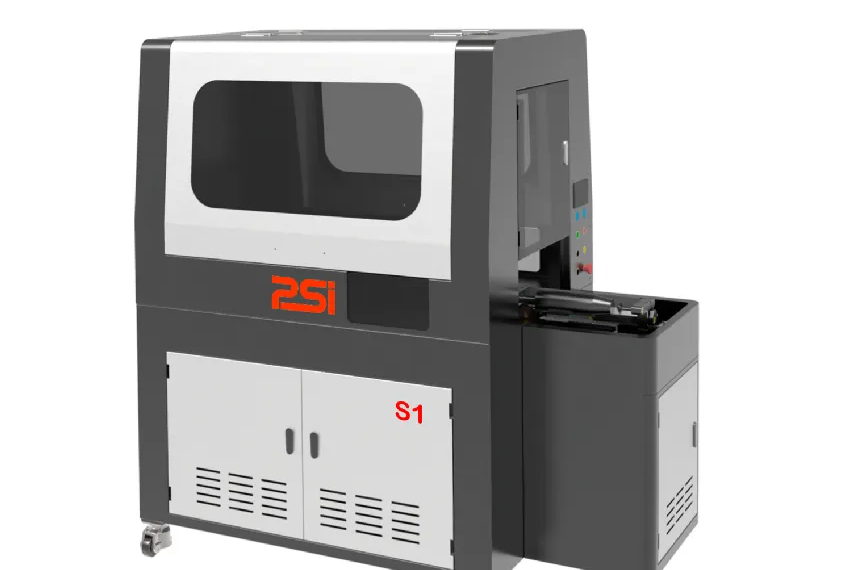
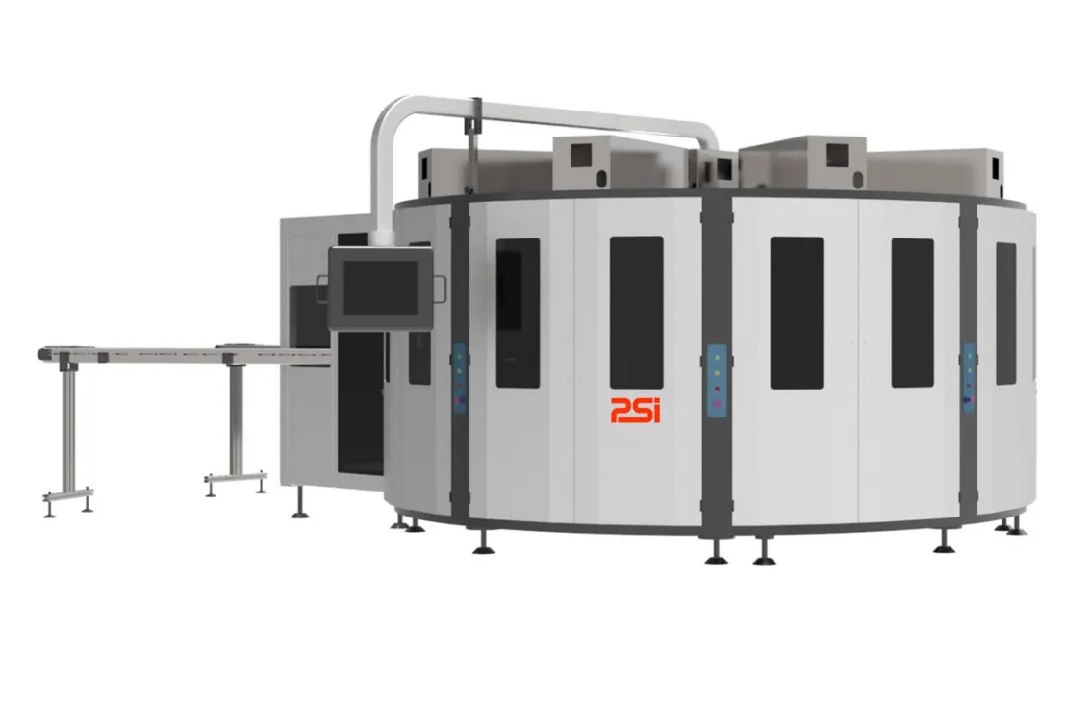
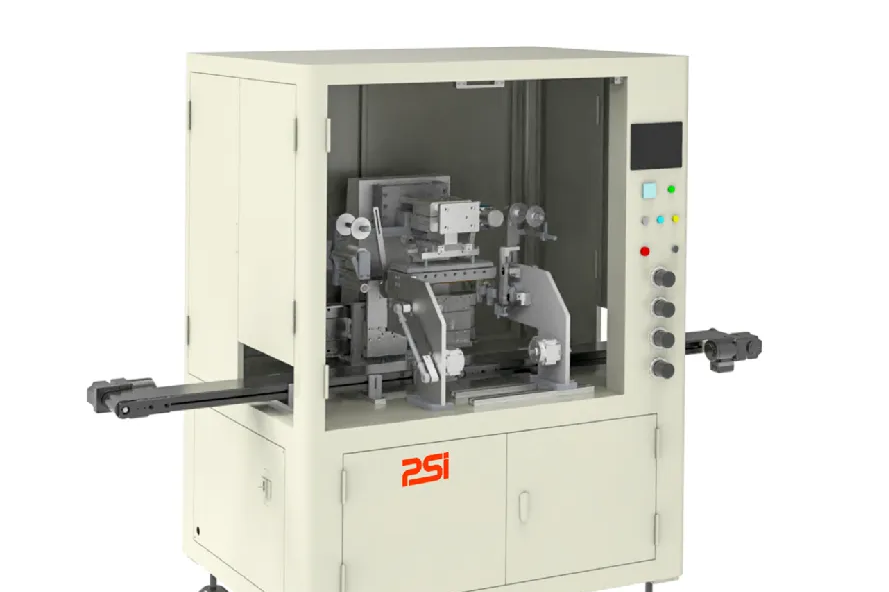
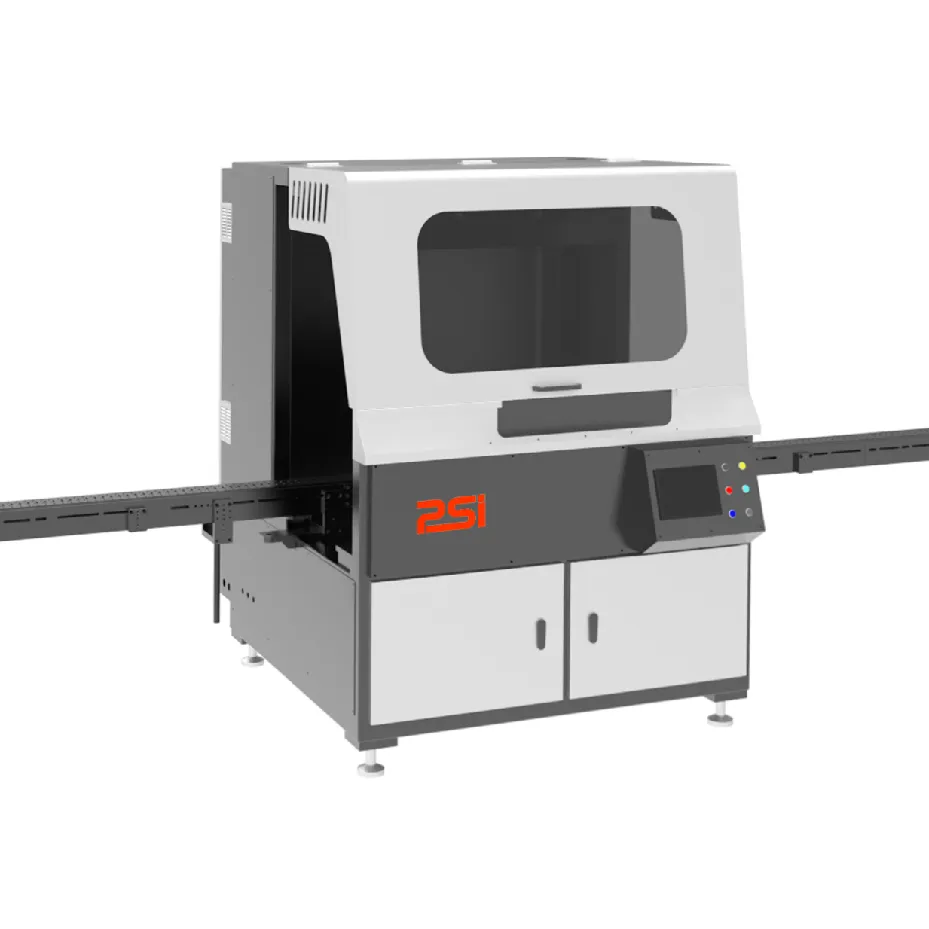
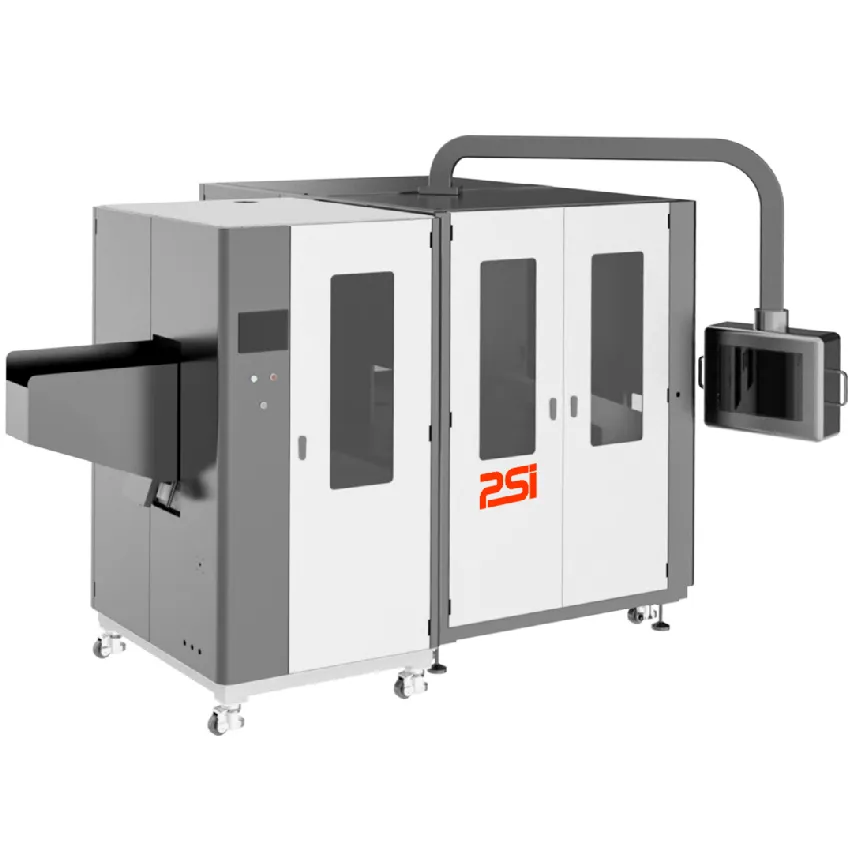
The top screen printing machines represent the pinnacle of modern printing technology, delivering exceptional quality and versatility for businesses across various industries. These sophisticated systems combine precision engineering with user-friendly interfaces to produce outstanding results on textiles, plastics, glass, metals, and countless other substrates. Modern top screen printing machines incorporate advanced servo motor systems that ensure consistent registration and smooth operation throughout extended production runs. The technological backbone of these machines features computerized controls that allow operators to store and recall job settings with remarkable accuracy. Many leading models include automatic squeegee and flood bar pressure adjustments, eliminating guesswork and reducing setup times significantly. The top screen printing machines utilize sophisticated ink delivery systems that maintain consistent viscosity and color matching across thousands of impressions. Advanced registration systems employ micro-adjustments that enable precise alignment of multi-color designs, ensuring professional-grade output every time. These machines often feature quick-change pallet systems that accommodate various substrate sizes and shapes without extensive reconfiguration. The printing heads on top screen printing machines incorporate pneumatic or servo-driven mechanisms that provide consistent pressure and speed control. Many models include integrated UV curing systems or conveyor dryers that streamline the production process. The applications for top screen printing machines span numerous industries including apparel decoration, promotional products, electronics manufacturing, automotive components, and architectural glass treatment. These versatile systems excel in both short-run specialty jobs and high-volume commercial production. The robust construction of top screen printing machines ensures reliable operation in demanding industrial environments while maintaining precise tolerances. Modern safety features include emergency stops, protective guards, and automated cleaning cycles that protect both operators and equipment. These machines support various ink types including water-based, solvent-based, UV-curable, and specialty formulations for unique applications.
New Product Releases

The top screen printing machines deliver remarkable advantages that transform printing operations for businesses of all sizes. These systems dramatically increase production efficiency by automating previously manual processes, allowing operators to complete jobs in fraction of the time required by traditional methods. The precision control systems eliminate human error in registration and pressure application, resulting in consistent quality across entire production runs. Businesses experience significant cost savings through reduced waste, as top screen printing machines minimize ink consumption and substrate rejection rates. The automated features reduce labor requirements, enabling companies to reallocate skilled workers to other value-added tasks while maintaining high output levels. These machines accommodate rapid job changeovers, making them ideal for custom printing operations that handle diverse client requirements. The consistent print quality achieved by top screen printing machines enhances brand reputation and customer satisfaction, leading to increased repeat business and referrals. Advanced monitoring systems provide real-time feedback on print parameters, allowing immediate adjustments to maintain optimal results throughout production runs. The durability and reliability of top screen printing machines translate to minimal downtime and lower maintenance costs compared to older equipment. Energy efficiency features reduce operational expenses while supporting environmental sustainability initiatives. The user-friendly interfaces enable faster operator training, reducing the learning curve for new employees and minimizing the impact of staff turnover. Top screen printing machines support multiple substrate types and thicknesses, expanding business opportunities into new markets and applications. The precision registration capabilities enable complex multi-color designs that command premium pricing in the marketplace. Quality documentation features help businesses maintain ISO standards and customer quality requirements. The scalable nature of top screen printing machines allows companies to increase production capacity without major facility modifications. Remote monitoring capabilities enable predictive maintenance scheduling that prevents unexpected breakdowns and extends equipment lifespan. The investment in top screen printing machines typically pays for itself through increased productivity, reduced waste, and expanded capability to serve demanding customers with complex requirements.

Practical Tips

Enhancing Your Brand's Impact with PSI's Cutting-Edge Inkjet Digital Printing Machines

27

Sep

Enhancing Your Brand's Impact with PSI's Cutting-Edge Inkjet Digital Printing Machines

In the domain of industrial digital printing, under the commonly used terminology of the PSI Company, high-quality inkjet digital printing machines have been successfully produced and introduced to a wide range of industries. The performance of the c...
View More
PSI Cutting-Edge Digital Inkjet and Screen Printing Machines

27

Sep

PSI Cutting-Edge Digital Inkjet and Screen Printing Machines

In today's fast-paced business environment, the impact of visual communication cannot be overstated. Brands are constantly seeking ways to stand out and connect with their audience through eye-catching designs and high-quality prints. PSI, a leading ...
View More
PSI Heat Transfer Machines:  in Customized Branding Solutions

27

Sep

PSI Heat Transfer Machines: in Customized Branding Solutions

In the realm of printing and branding, PSI  stands out as a beacon of innovation and excellence. Specializing in heat transfer machines, PSI  offers a range of products that cater to various industries, from textiles to plastics, ensuring t...
View More

Get a Free Quote

Our representative will contact you soon.
Email
Name
Company Name
Message
0/1000

top screen printing machines

Advanced Servo Motor Control Systems for Unmatched Precision

Advanced Servo Motor Control Systems for Unmatched Precision

The servo motor control systems in top screen printing machines represent a quantum leap forward in printing accuracy and repeatability. These sophisticated drive systems replace traditional pneumatic actuators with precision-engineered servo motors that provide exact positional control for every aspect of the printing process. The servo motors control squeegee pressure with incredible precision, maintaining consistent force measurements down to fractions of a pound, ensuring uniform ink deposit across the entire print area. This level of control eliminates the variations commonly associated with pneumatic systems, where pressure fluctuations can cause uneven ink coverage and quality inconsistencies. The speed control capabilities of servo systems enable operators to fine-tune printing velocities for different ink types and substrate materials, optimizing cure times and preventing issues like ink bleeding or incomplete coverage. Advanced encoder feedback systems continuously monitor motor positions, making real-time adjustments to maintain perfect registration even during high-speed production runs. The programmable nature of servo control systems allows operators to create and store custom printing profiles for different jobs, enabling rapid changeovers without time-consuming manual adjustments. These systems integrate seamlessly with computerized control interfaces, providing detailed analytics on print parameters and performance metrics. The precision control extends to flood stroke operations, where servo motors ensure consistent ink distribution across the screen surface before each print cycle. Maintenance requirements are significantly reduced compared to pneumatic systems, as servo motors operate with minimal wear and require no compressed air supply. The energy efficiency of servo motor systems reduces operational costs while providing superior performance characteristics. Diagnostic capabilities built into servo control systems enable predictive maintenance scheduling and immediate identification of performance anomalies. The reliability and precision of these advanced control systems translate directly into higher product quality, reduced waste, and increased customer satisfaction for printing operations across all industry sectors.
Multi-Station Rotary Configurations for Maximum Productivity

Multi-Station Rotary Configurations for Maximum Productivity

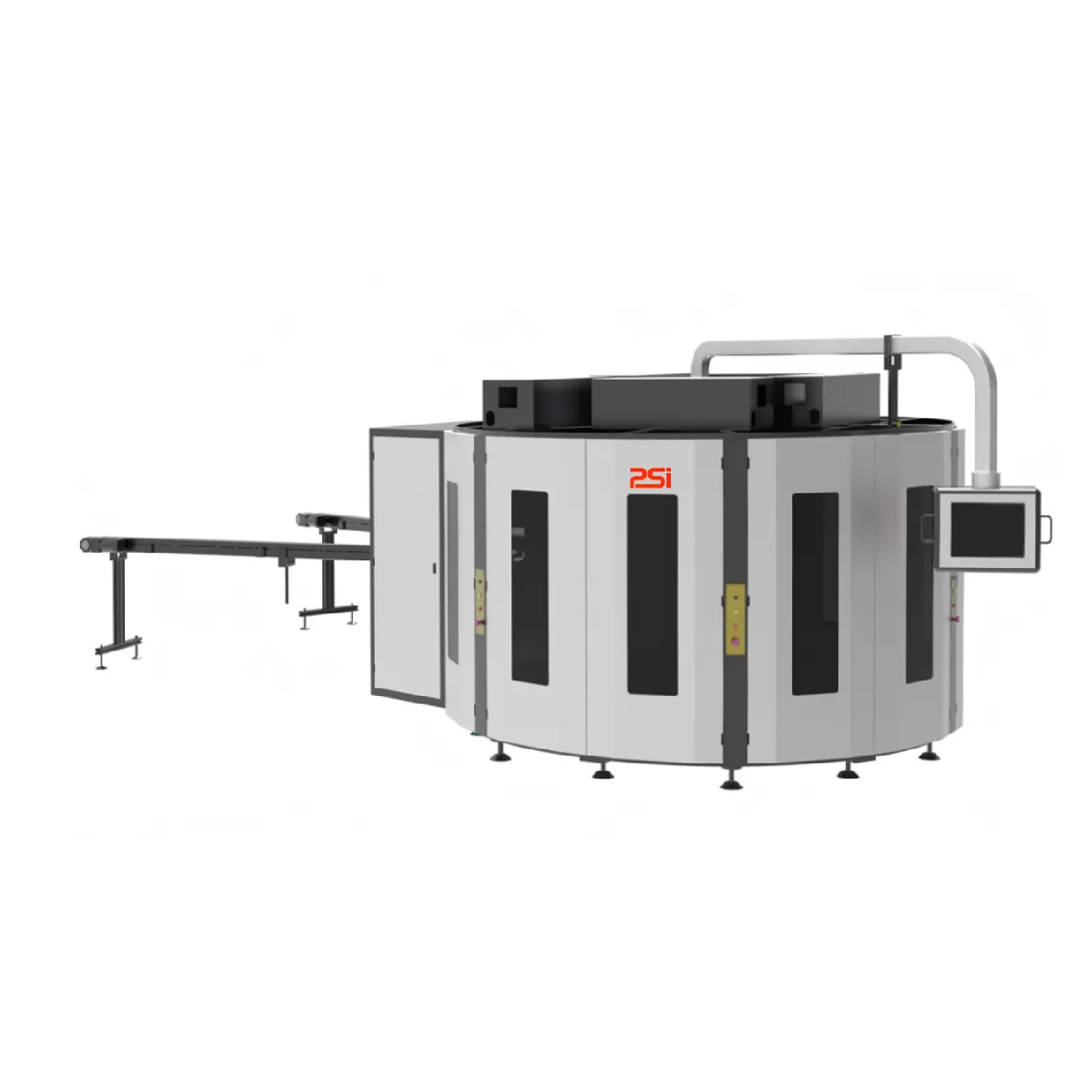
The multi-station rotary design of top screen printing machines revolutionizes production capabilities by enabling continuous operation and dramatic throughput increases. These sophisticated systems feature multiple printing stations arranged in a circular configuration around a central indexing mechanism, allowing simultaneous printing operations while substrates move smoothly between positions. The rotary indexing system utilizes precision-engineered mechanisms that ensure accurate positioning at each station, maintaining tight tolerances essential for multi-color registration. Advanced programming capabilities allow operators to configure different printing parameters at each station, accommodating complex designs that require various ink types, cure temperatures, or printing pressures within a single job. The continuous motion design eliminates the stop-and-go cycles associated with linear printing systems, resulting in smoother operation and reduced mechanical stress on components. Automatic substrate loading and unloading systems can be integrated with rotary configurations, creating fully automated production lines that require minimal operator intervention. The modular nature of multi-station rotary systems allows businesses to expand capacity by adding additional print heads or specialty stations as production demands grow. Quality control stations can be incorporated into the rotary configuration, enabling real-time inspection and automatic rejection of defective products without interrupting the production flow. The thermal management capabilities of rotary systems distribute heat more evenly across the printing area, preventing temperature-related quality issues that can occur with stationary printing setups. Advanced safety systems monitor the rotary motion and automatically stop operation if any obstruction or malfunction is detected. The compact footprint of rotary configurations maximizes production capacity within limited floor space, making them ideal for facilities with space constraints. Changeover procedures are streamlined through quick-release mechanisms and automated setup sequences that reduce downtime between jobs. The reliability of rotary indexing systems ensures consistent cycle times and predictable production schedules, enabling accurate delivery commitments to customers. These systems support various substrate handling methods including vacuum hold-down, mechanical clamping, and adhesive positioning to accommodate different material types and sizes.
Integrated Curing and Finishing Systems for Complete Solutions

Integrated Curing and Finishing Systems for Complete Solutions

The integrated curing and finishing systems in top screen printing machines provide comprehensive production solutions that eliminate bottlenecks and ensure optimal final product quality. These sophisticated systems combine printing and post-processing operations into seamless workflows that maximize efficiency while maintaining precise control over curing parameters. Advanced infrared heating systems deliver targeted energy to printed substrates, ensuring complete ink cure without damaging heat-sensitive materials. The programmable temperature control systems accommodate various ink chemistries and substrate materials, automatically adjusting heat output based on job specifications stored in the machine memory. Conveyorized curing systems maintain consistent substrate movement through heating zones, ensuring uniform cure across all printed areas regardless of design complexity or coverage density. UV curing capabilities integrated into top screen printing machines enable instant curing of specialty inks, dramatically reducing production cycle times and enabling same-day delivery for time-sensitive orders. Air circulation systems within curing chambers promote even heat distribution while removing solvent vapors that could affect cure quality or create safety hazards. Temperature monitoring and feedback systems continuously track curing conditions, automatically adjusting parameters to maintain optimal cure characteristics throughout production runs. The modular design of integrated curing systems allows customization based on specific application requirements, with options for different heating methods, conveyor speeds, and chamber configurations. Energy recovery systems capture and recycle waste heat from curing operations, reducing overall energy consumption and operational costs. Automatic substrate handling systems transport printed materials through curing and cooling zones without manual intervention, reducing labor requirements and eliminating handling damage. Quality assurance features include cure monitoring systems that verify complete ink polymerization before products are released for final inspection or packaging. The integration of finishing operations such as cutting, laminating, or packaging can be incorporated into the system design, creating complete production lines from raw materials to finished products. Safety systems include emergency stops, thermal protection, and ventilation controls that ensure operator safety while maintaining optimal production conditions. The reliability and consistency of integrated curing systems eliminate the variability associated with separate curing equipment, resulting in more predictable quality outcomes and reduced rejection rates.