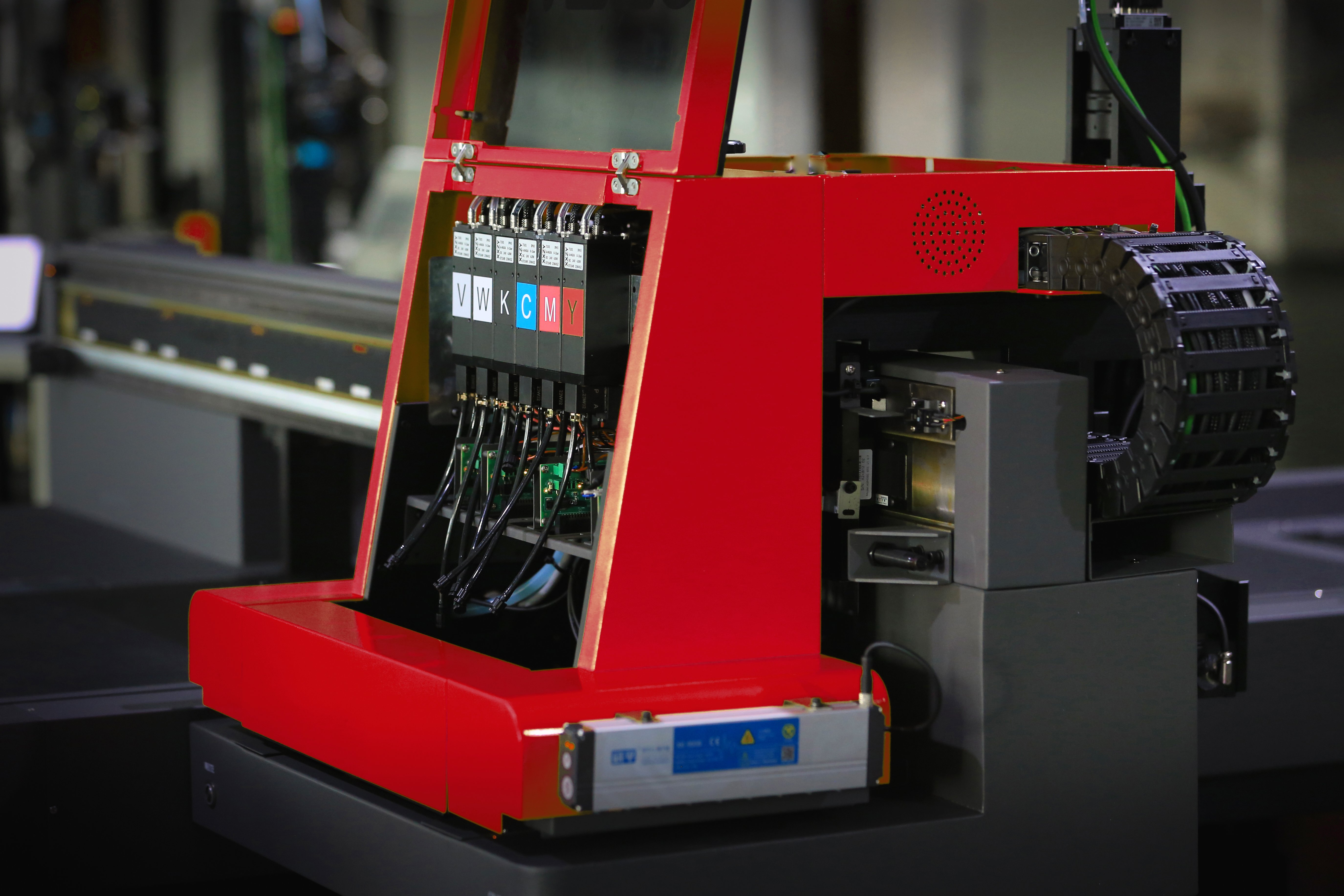
Industrial printing operations demand precision, speed, and adaptability in today's competitive manufacturing landscape. A screen printing machine serves as the backbone of modern production facilities, delivering consistent output across diverse substrate types and design specifications. The platform-based design of contemporary screen printing equipment fundamentally transforms how manufacturers approach production planning, job scheduling, and quality control. By integrating modular platforms into their workflow, industrial operations can respond rapidly to market demands while maintaining strict adherence to technical specifications and performance standards.
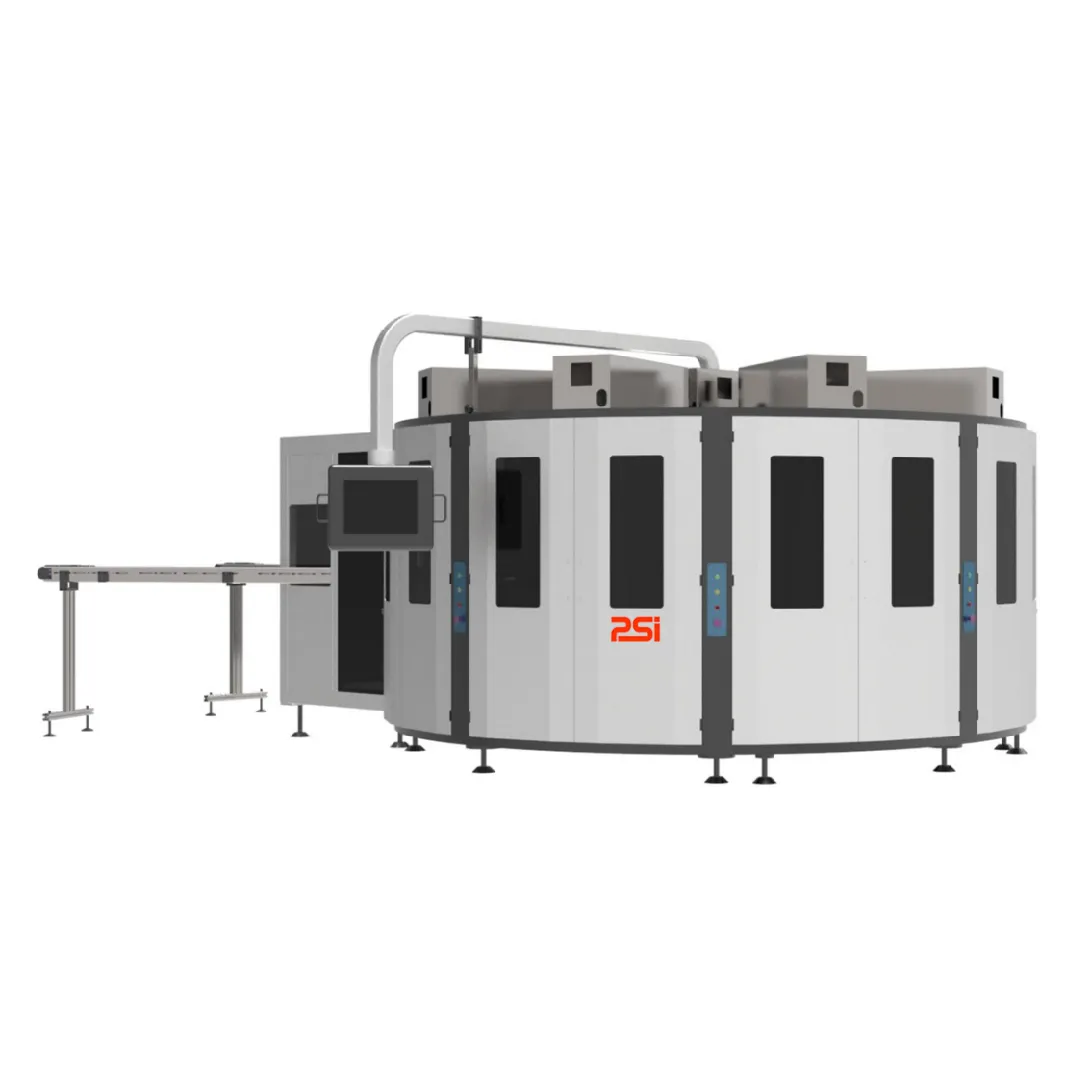
The evolution of screen printing machine platforms reflects decades of engineering innovation focused on solving real production challenges. Modern screen printing machine designs incorporate adjustable work surfaces, interchangeable fixture systems, and precision registration mechanisms that enable manufacturers to handle multiple substrate dimensions without lengthy retooling processes. This architectural approach represents a significant departure from legacy fixed-position equipment, offering genuine operational advantages that directly impact bottom-line efficiency metrics and production throughput.
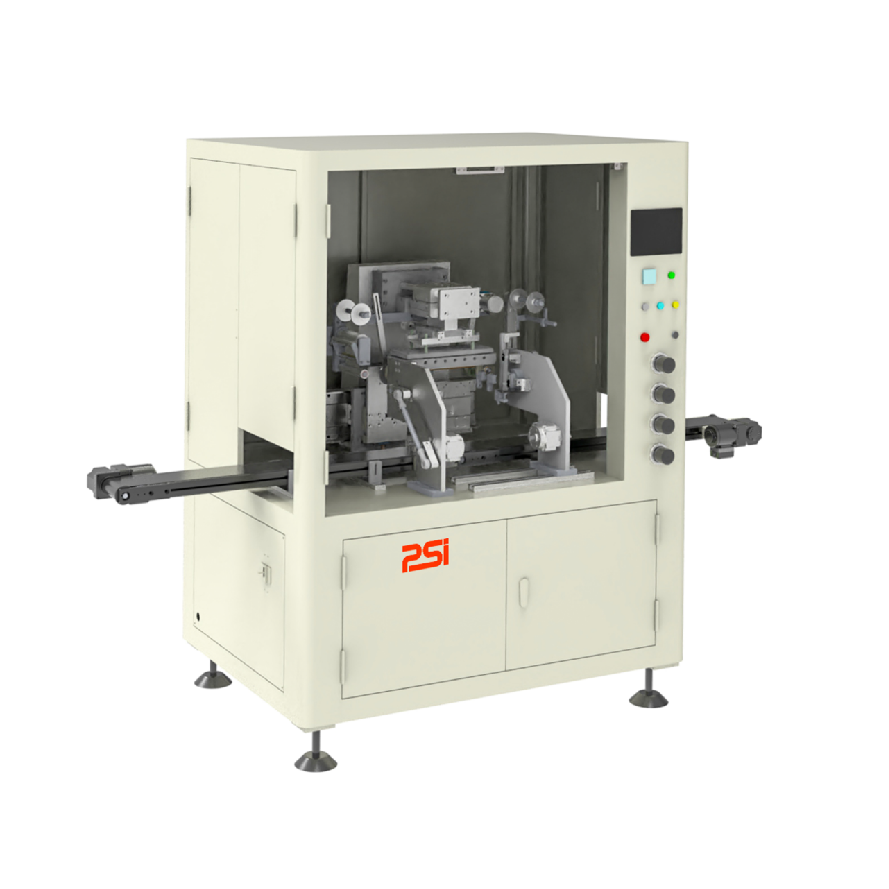
Contemporary screen printing machine platforms feature adjustable platens and customizable fixture configurations that accommodate varying substrate sizes and material types. Whether processing textiles, ceramics, metals, or specialty substrates, a properly engineered screen printing machine can transition between job types with minimal setup time. The platform's structural rigidity maintains registration accuracy across extended production runs, while interchangeable components allow operators to optimize the screen printing machine configuration for specific application requirements. This flexibility directly reduces waste, minimizes downtime between jobs, and maximizes asset utilization across different production scenarios.
Advanced screen printing machine platforms incorporate quick-change systems that dramatically reduce setup intervals. These systems enable operators to swap fixtures, platens, and registration assemblies without requiring extensive mechanical adjustments or recalibration procedures. By implementing a standardized platform approach, manufacturers can deploy pre-configured setups that are immediately ready for production, effectively transforming what once required hours into a process measured in minutes. This capability becomes increasingly valuable when running multiple short-run jobs or managing complex product schedules that demand frequent equipment reconfiguration.
The platform architecture of a screen printing machine provides the mechanical stability necessary for maintaining precise color registration and dimensional accuracy throughout extended production runs. Rigid structural design combined with precision alignment systems ensures that each printed impression meets exacting quality standards consistently. The screen printing machine's platform design absorbs vibration and compensates for thermal expansion, factors that would otherwise accumulate registration drift and compromise output quality. This precision capability becomes essential when producing branded merchandise, technical components, or specialty applications where quality variation directly impacts customer satisfaction and brand reputation.
Platform-based screen printing machine systems excel at executing multi-color designs that demand precise layer-to-layer registration and color sequence control. The structural integrity of the platform allows operators to achieve the tight registration tolerances required for sophisticated graphics and technical prints. Whether producing elaborate promotional items, intricate industrial labels, or specialty branded products, a modern screen printing machine platform provides the mechanical foundation necessary to execute complex designs reliably and consistently across full production volumes.
Manufacturing environments that manage diverse product portfolios benefit tremendously from screen printing machine platforms engineered for rapid job transitions. The ability to quickly reconfigure a screen printing machine between different substrate types, dimensions, and design specifications transforms production scheduling flexibility and enables manufacturers to respond swiftly to customer orders. This agility proves particularly valuable in custom printing operations, short-run production environments, and manufacturing scenarios where delivery speed represents a competitive advantage. By reducing changeover time, operations maximize productive printing hours and improve overall equipment effectiveness metrics.
Platform-based screen printing machine configurations support both small-quantity runs and large-volume production campaigns without requiring equipment replacement or substantial reconfiguration efforts. This scalability enables manufacturers to invest in equipment once and adapt operations to match fluctuating market demand and customer requirements. A versatile screen printing machine platform can efficiently handle rush orders, seasonal volume variations, and gradual business growth without necessitating capital equipment replacement, providing significant long-term economic advantages and operational continuity.
Modern screen printing machine platforms are designed to integrate seamlessly with existing production workflows, material handling systems, and quality control procedures. The standardized interface of a contemporary screen printing machine allows it to function effectively within diverse manufacturing environments without requiring complete workflow redesign. This compatibility consideration becomes essential when upgrading equipment or expanding production capabilities within established facilities where disruption costs and operational continuity represent significant business concerns.
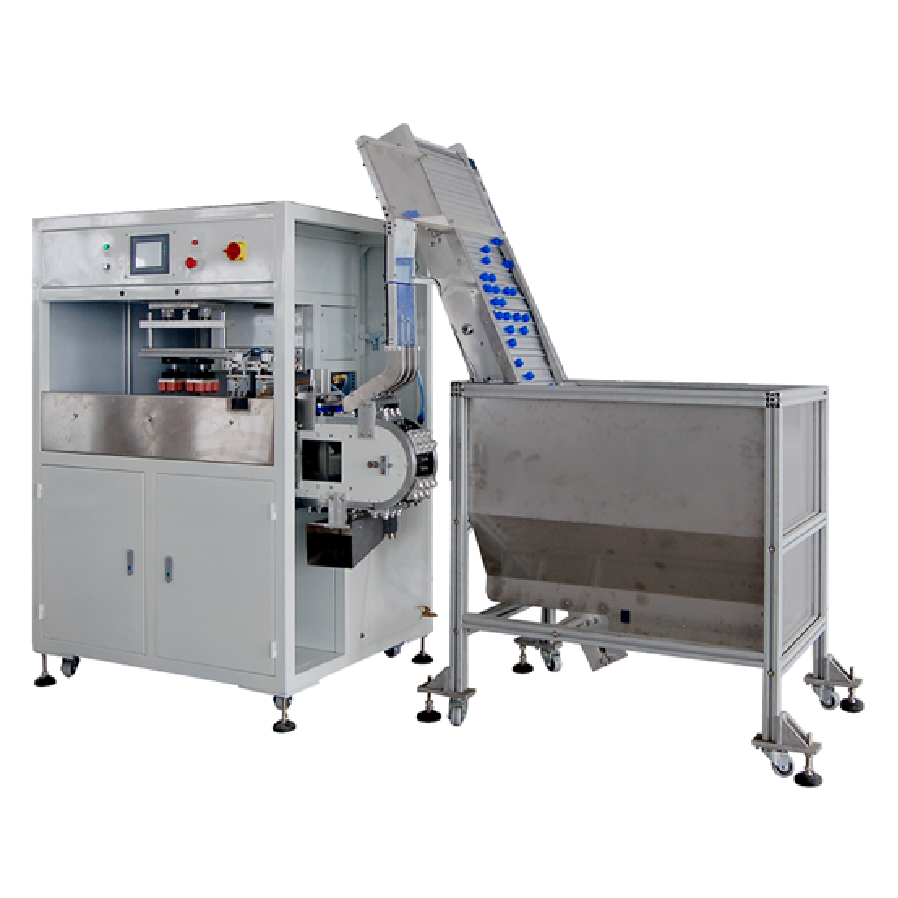
Contemporary screen printing machine platforms incorporate design features that facilitate partial or full automation integration when business requirements justify such investment. The standardized positioning and interface specifications of a modern screen printing machine enable connection to conveyor systems, robotic loading mechanisms, and automated ink supply systems. This automation-ready characteristic means manufacturers can incrementally enhance production automation without requiring complete equipment replacement, creating a cost-effective pathway toward increasingly sophisticated production operations.
Platform-based screen printing machine designs accommodate diverse substrates including textiles, ceramics, metals, plastic components, wood products, and specialty materials. The key advantage is that a single screen printing machine can be rapidly reconfigured for different substrate types through fixture changes and platen adjustments, eliminating the need for dedicated equipment for each material category. This versatility directly reduces capital investment requirements and manufacturing floor space demands.
Modern screen printing machine platforms feature modular components, standardized interfaces, and quick-change systems that minimize setup requirements between different jobs. Instead of performing extensive mechanical adjustments, operators can swap pre-configured fixtures and replace platens using established procedures that require minutes rather than hours. This architectural advantage translates directly into increased production uptime and higher throughput within fixed operational windows.
Yes, platform-based screen printing machine designs provide the mechanical stability and precision necessary for executing accurate multi-color designs with tight registration tolerances. The rigid structural foundation of the screen printing machine platform absorbs vibration and maintains alignment precision, enabling operators to produce sophisticated graphics and technical prints that meet stringent quality standards consistently across full production volumes.
 EN
EN
 AR
AR FR
FR DE
DE HI
HI IT
IT JA
JA KO
KO PT
PT RU
RU ES
ES IW
IW ID
ID VI
VI TH
TH TR
TR FA
FA
 Hot News