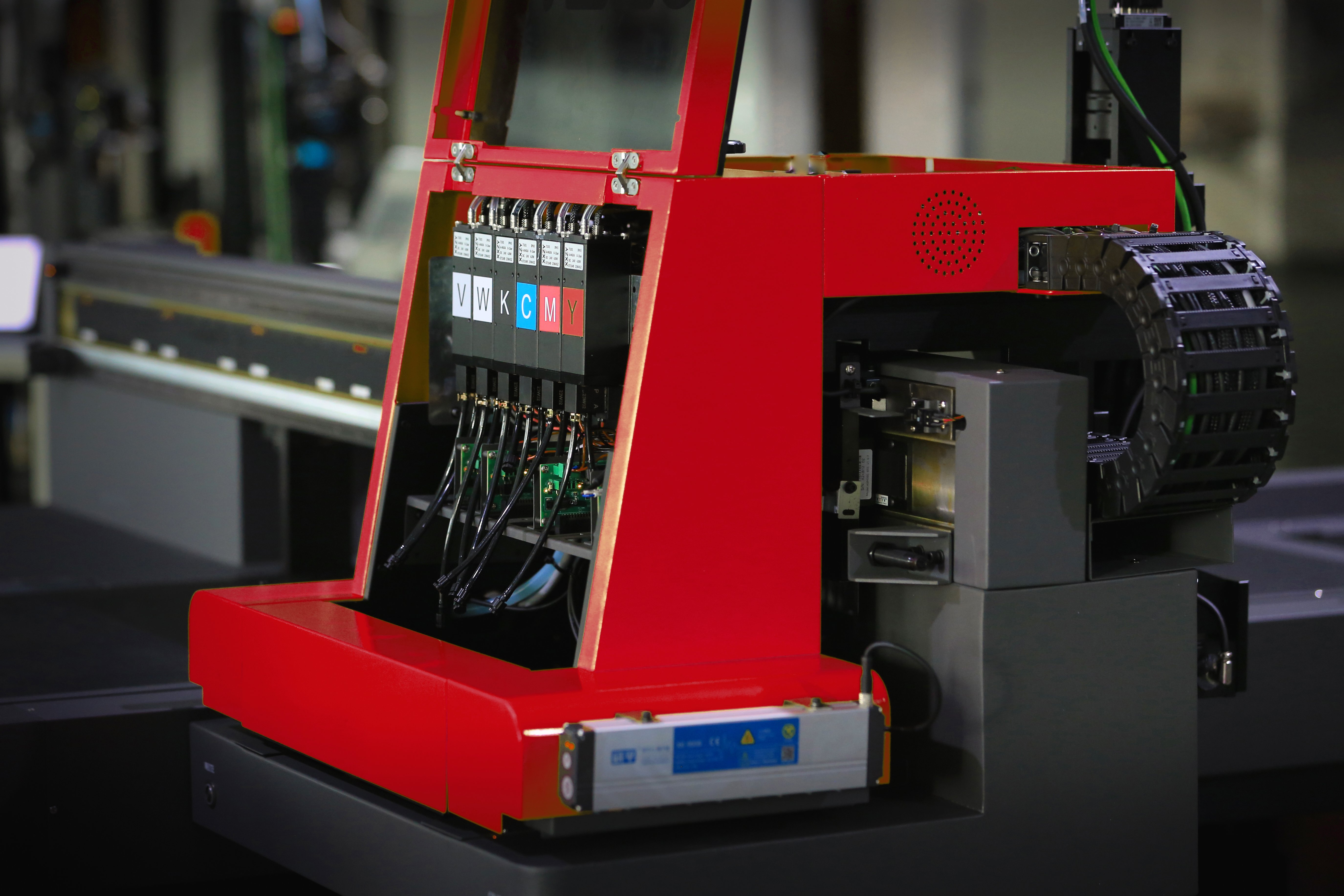
Understanding workflow challenges is critical for any operation that relies on a screen printing machine to maintain consistent output and profitability. Production delays, setup errors, and operational bottlenecks directly reduce the efficiency of your screen printing machine and create cascading problems throughout your facility. These challenges stem from multiple sources—some rooted in equipment design, others in process management, and many in the interaction between operator skill and machinery capabilities. Identifying and addressing these obstacles is essential for manufacturers who want to maximize their screen printing machine investment and remain competitive in today's fast-paced market.
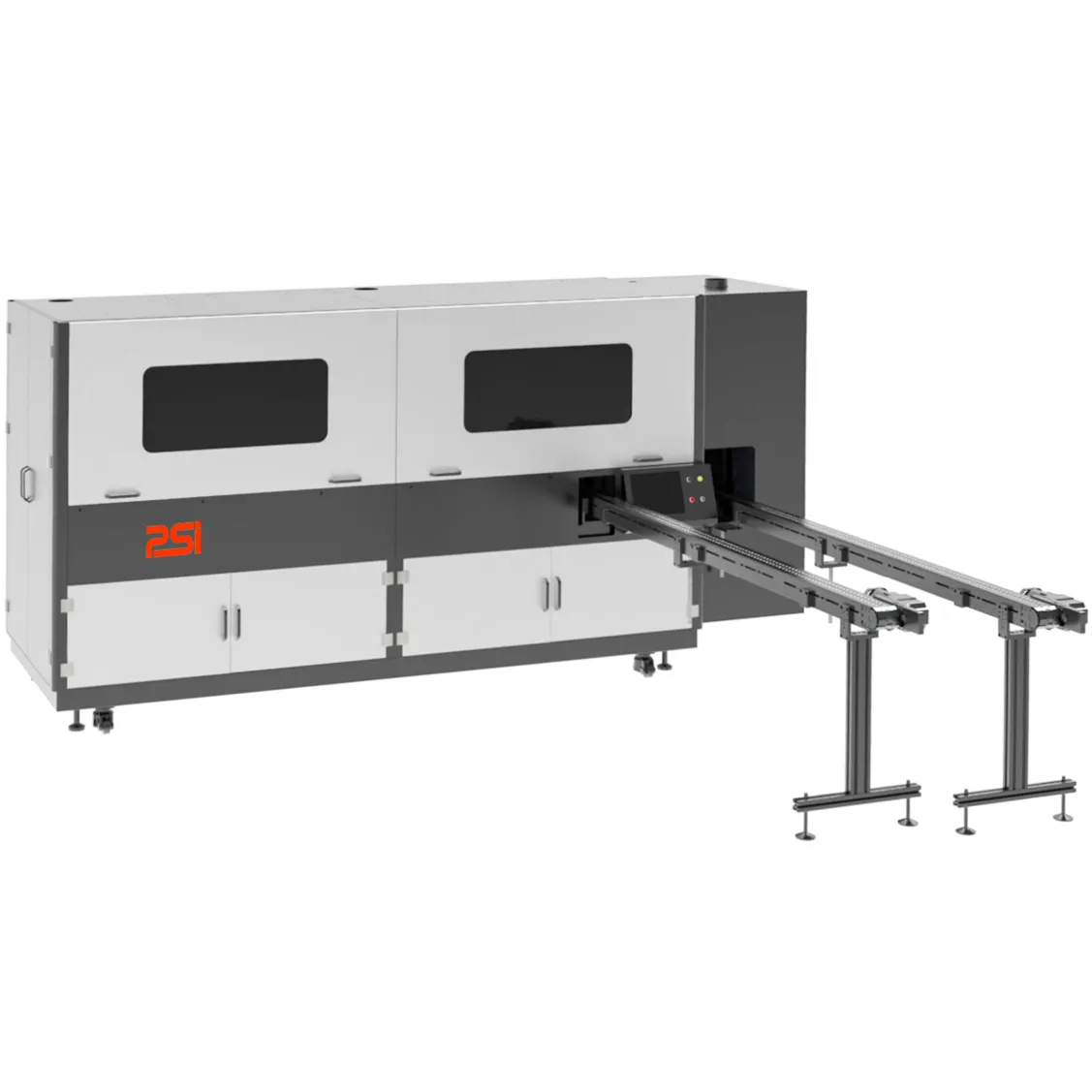
Many facilities struggle with efficiency losses that seem impossible to trace until they examine their screen printing machine workflow systematically. From color changeover times to registration accuracy issues, every step in the production cycle can either optimize or hinder your screen printing machine performance. Understanding these challenges allows operations managers to implement targeted improvements that boost throughput, reduce waste, and enhance product quality. This article explores the primary workflow challenges that affect screen printing machine efficiency and provides practical insights for overcoming them.
Setup time represents one of the largest hidden efficiency drains in any screen printing machine environment. When transitioning between different colors, designs, or substrate types, operators must perform multiple manual adjustments that extend downtime significantly. Each color change requires cleaning screens, adjusting squeegee pressure, recalibrating registration marks, and loading new substrates—a process that can consume 15 to 45 minutes depending on complexity. Modern screen printing machine operations often underestimate these cumulative losses, which directly reduce available production hours and inflate per-unit costs. Facilities with frequent SKU changeovers face particularly severe efficiency penalties from extended setup windows on their screen printing machine.
Achieving precise registration across multi-color prints remains one of the most frustrating workflow challenges affecting screen printing machine efficiency. Manual registration adjustments require operator expertise and involve trial-and-error testing that wastes both time and materials. Misregistration leads to scrap production, customer complaints, and additional changeover cycles—multiplying the initial efficiency loss. A screen printing machine with automatic registration features eliminates much of this variability, but many legacy systems still rely on visual inspection and hand adjustment. This bottleneck becomes more pronounced when producing high-volume runs with tight color tolerances, as even minor misalignment creates unacceptable waste that impacts your screen printing machine efficiency metrics significantly.
Inefficient substrate loading and unloading procedures directly constrain throughput capacity of any screen printing machine operation. Manual placement of individual items on the screen printing machine platen wastes operator time and introduces positioning inconsistencies that affect print quality. Irregular substrate sizes, thickness variations, and material stiffness create handling complications that slow the screen printing machine production cycle. Stack management becomes increasingly problematic during high-volume production runs where material must be continuously fed to maintain screen printing machine uptime. Poorly organized material stations, inadequate handling tools, and lack of staging areas all contribute to workflow interruptions that reduce overall screen printing machine efficiency and frustrate production teams.
Inspecting printed items for defects introduces significant workflow delays that compound efficiency losses across your screen printing machine operation. Manual quality checks require removing items from the production flow, examining them under proper lighting, and making reject decisions that halt screen printing machine operation when problems emerge. This intermittent stop-and-start pattern fragments the production rhythm and makes it difficult to achieve consistent screen printing machine throughput rates. Lack of standardized inspection criteria leads to inconsistent decisions, waste disputes, and potential rework that further reduces screen printing machine efficiency. Implementing systematic quality verification methods between or during screen printing machine cycles can substantially improve overall efficiency by preventing defects before they compromise entire production batches.
As a screen printing machine ages, mechanical components develop wear patterns that gradually degrade print quality and require increasing operator intervention. Squeegee blade degradation, registration mechanism slippage, and conveyor belt inconsistencies all reduce the effective efficiency of an aging screen printing machine. Frequent manual recalibration becomes necessary to maintain acceptable output standards, effectively reducing production speed even though the screen printing machine continues running. Worn equipment creates a false choice between speed and quality—operators must either accept defects or run the screen printing machine more slowly. Regular maintenance protocols become critical for preserving screen printing machine efficiency, yet many facilities defer preventive measures until failures force emergency shutdowns that create severe disruptions.
Modern screen printing machine systems often include software controls and automation features that operators do not fully utilize due to inadequate training or configuration gaps. When a screen printing machine's automatic functions are bypassed or incorrectly programmed, operators revert to manual processes that consume far more time than optimized digital workflows. Software crashes, incompatible file formats, and connectivity issues between design systems and the screen printing machine create additional friction in the production process. Many facilities lack proper IT infrastructure to support advanced screen printing machine software capabilities, leading to unreliable operation and frequent manual interventions. Bridging these technology gaps is essential for unlocking the full efficiency potential that modern screen printing machine equipment offers to production operations.
Workflow consistency on your screen printing machine depends directly on operator competence and adherence to standardized procedures. Inadequate initial training leaves operators uncertain about optimal screen printing machine settings, resulting in slower execution and more trial-and-error adjustments. When experienced operators depart without thorough knowledge transfer, new team members must rebuild expertise through expensive trial-and-error cycles that reduce screen printing machine efficiency. Inconsistent procedures across shifts or between operators create variability in output quality and cycle times, making screen printing machine performance unpredictable. Establishing comprehensive operator training programs and documented screen printing machine procedures is essential for maintaining stable efficiency levels across all production shifts and staffing changes.
When unexpected issues arise on the screen printing machine floor, unclear decision authority and problem-solving protocols create costly downtime. Operators unfamiliar with troubleshooting procedures waste time waiting for supervisors to diagnose screen printing machine issues rather than implementing standard solutions independently. Lack of documented screen printing machine troubleshooting guides and clear escalation procedures means repeated problems take similar time to resolve each occurrence. Training operators to identify and resolve common screen printing machine challenges independently accelerates problem response and minimizes production interruptions. Empowering the front-line team with authority and knowledge to address screen printing machine workflow obstacles directly improves operational efficiency and builds stronger production ownership.
Reducing changeover downtime requires planning, organization, and possibly equipment investment. Pre-stage materials and setup requirements before initiating changeovers on your screen printing machine. Implement standardized procedures that specify exact adjustment sequences, cleaning protocols, and verification steps for each screen printing machine color transition. Consider investing in quick-change fixtures, organized cleaning stations, and preparation work areas that allow operators to complete screen printing machine setup tasks efficiently. Training operators on parallel task execution—preparing the next job while the screen printing machine completes the current run—further compresses total changeover duration and improves overall screen printing machine efficiency.
Preventive maintenance directly preserves screen printing machine efficiency by preventing degradation that forces operational slowdowns and quality compromises. Regular inspection and replacement of worn components like squeegee blades, bearings, and seals keeps your screen printing machine operating at design specifications. Scheduled maintenance performed during planned downtime avoids emergency repairs that create unplanned production disruptions and extended lost time. Many screen printing machine operators report that consistent maintenance programs reduce unplanned downtime by 40 percent or more compared to reactive repair approaches. Budgeting maintenance time and resources upfront protects your screen printing machine investment and maintains the efficiency levels necessary for profitable production operations.
Operator expertise directly determines how effectively your screen printing machine converts available production time into quality output. Well-trained operators make faster, more accurate decisions about screen printing machine settings, reduce trial-and-error cycles, and solve routine problems independently. When new operators lack comprehensive training, screen printing machine efficiency declines noticeably as people work through extended learning curves requiring supervision and rework. Investing in structured training programs, documented procedures, and ongoing coaching ensures consistent screen printing machine performance across all shifts and staffing scenarios. The knowledge and confidence that training provides enables operators to optimize screen printing machine workflow and troubleshoot challenges before they escalate into major efficiency disruptions.
 EN
EN
 AR
AR FR
FR DE
DE HI
HI IT
IT JA
JA KO
KO PT
PT RU
RU ES
ES IW
IW ID
ID VI
VI TH
TH TR
TR FA
FA
 Hot News